By The Charlotte Living Realty Group
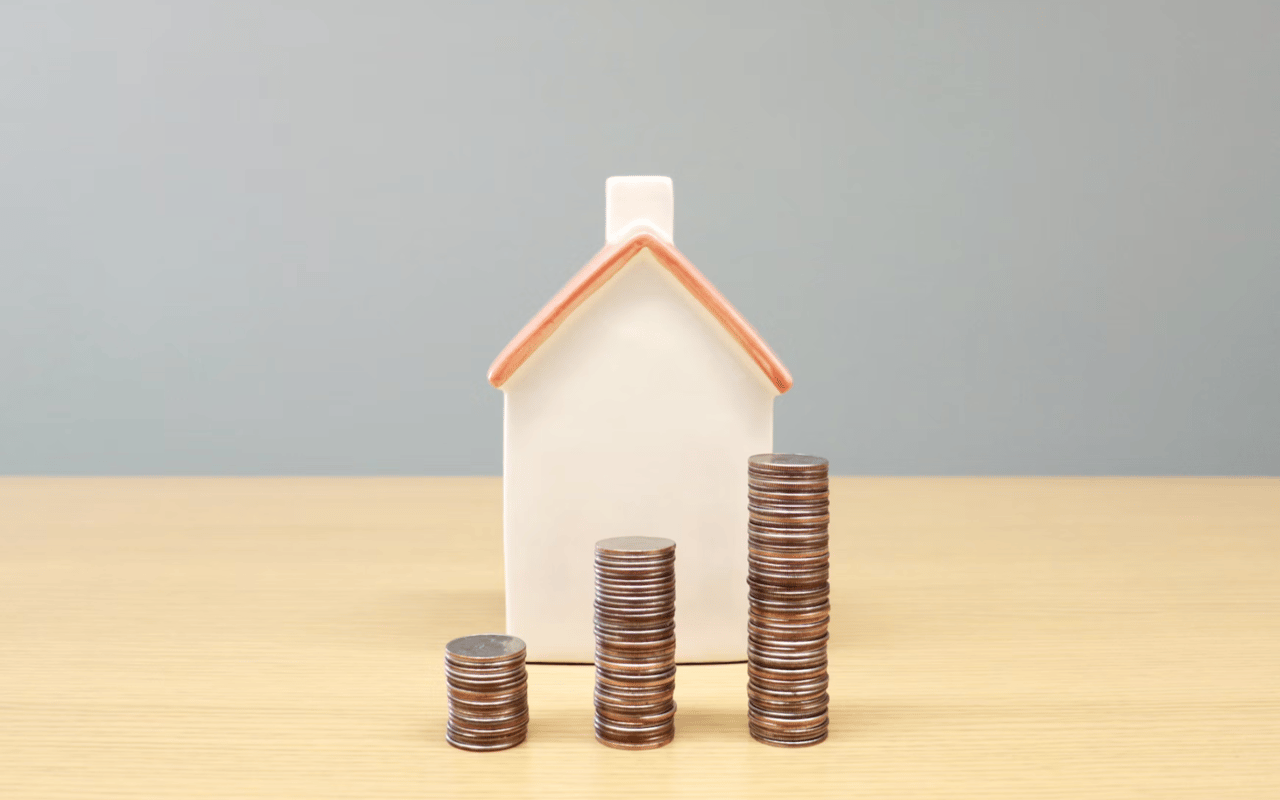
The single most common question we hear from homeowners thinking about selling in Charlotte is how long the whole thing actually takes. The honest answer is that a well-executed home sale in this market runs roughly four to six months from the moment you decide to sell to the day you hand over the keys, and most of that runway happens before the listing ever goes live.
At The Charlotte Living Realty Group, we walk sellers through this timeline in detail at the start of every engagement, because sellers who understand the sequence make better decisions at every stage and avoid the compressed, reactive scramble that costs people money. Here is the month-by-month breakdown of selling a home in Charlotte.
Key Takeaways
- A complete Charlotte home sale timeline typically runs four to six months from initial decision to closing day, with preparation consuming the largest share
- Months one and two are dedicated to condition assessment, repairs, decluttering, and pricing strategy, which is where the sale outcome is largely determined
- Month three covers professional photography, marketing launch, and the critical first ten days on market when buyer response is most informative
- North Carolina's due diligence period, typically two to four weeks after contract, governs the inspection and negotiation phase in month four
- Closing in North Carolina is conducted by a real estate attorney, and the final month covers appraisal, loan underwriting, final walkthrough, and settlement
- Spring listings in Charlotte perform strongest, which means preparation work should begin in January for a late February or March market debut
Months One and Two: Preparation Is Where the Sale Is Won
Everything that determines your sale price happens before a buyer ever sees your home. We tell sellers this constantly at The Charlotte Living Realty Group because it reframes how people allocate their time and their budget.
The first weeks are spent on a candid walkthrough of the property with fresh eyes, identifying what must be repaired, what should be updated for buyer perception, and what can reasonably be left alone. Deferred maintenance that will surface during inspection gets addressed now, not later under negotiation pressure when the buyer holds the leverage.
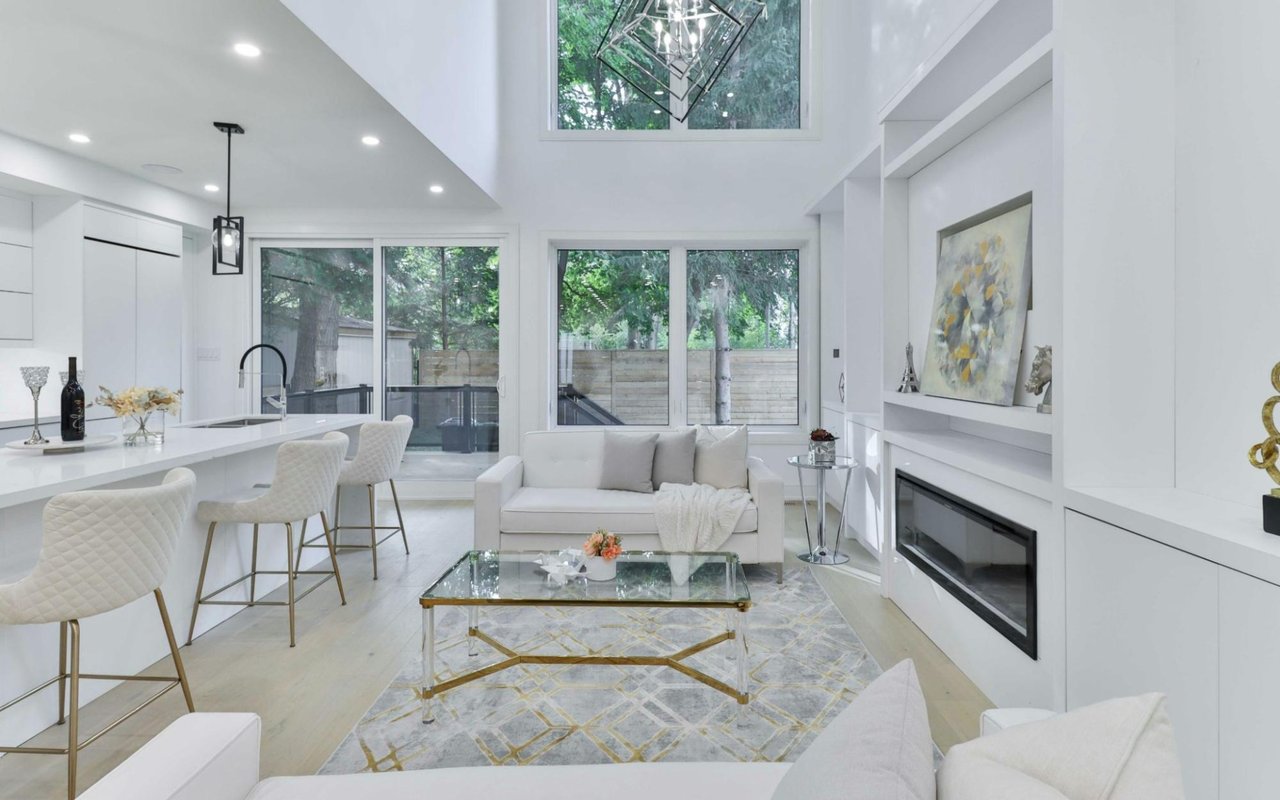
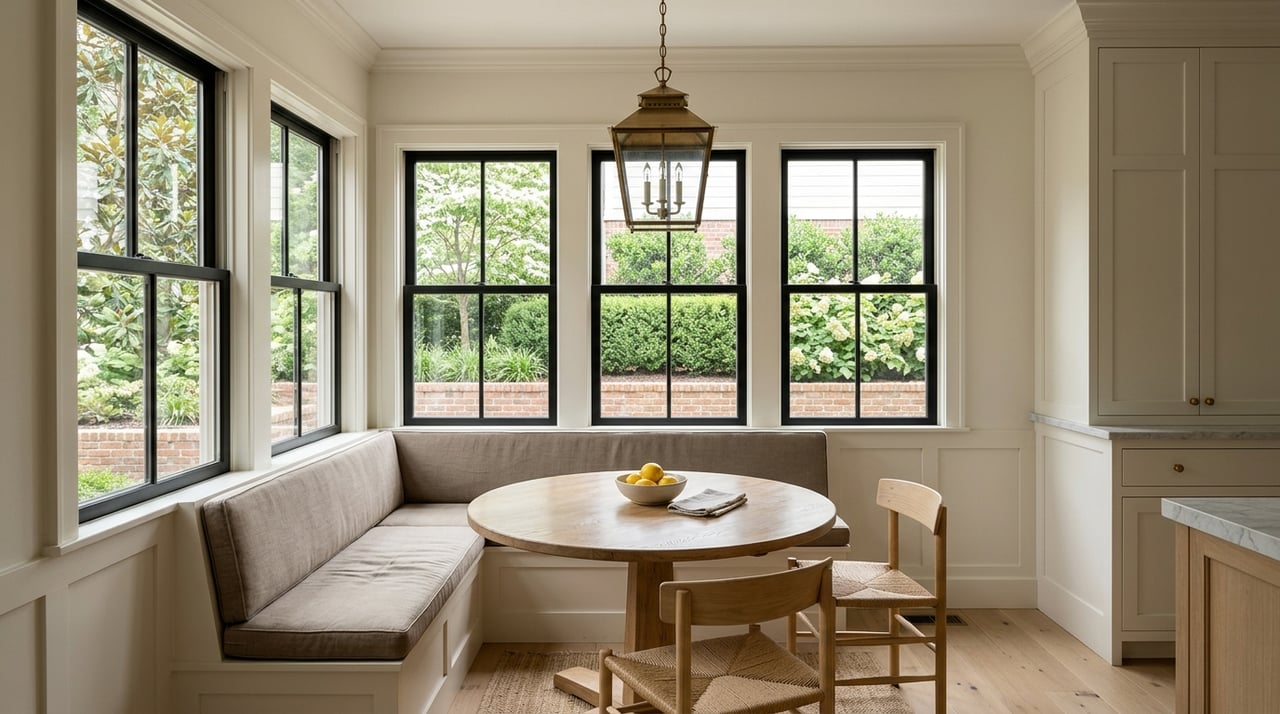
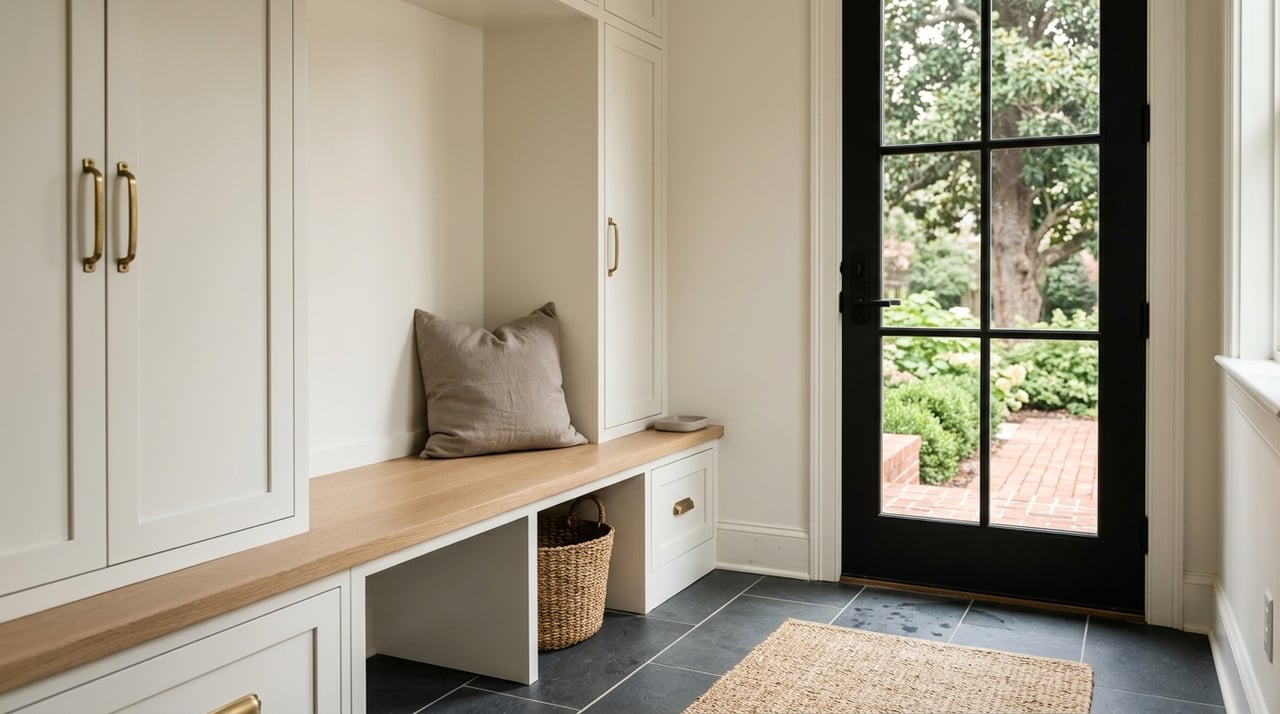
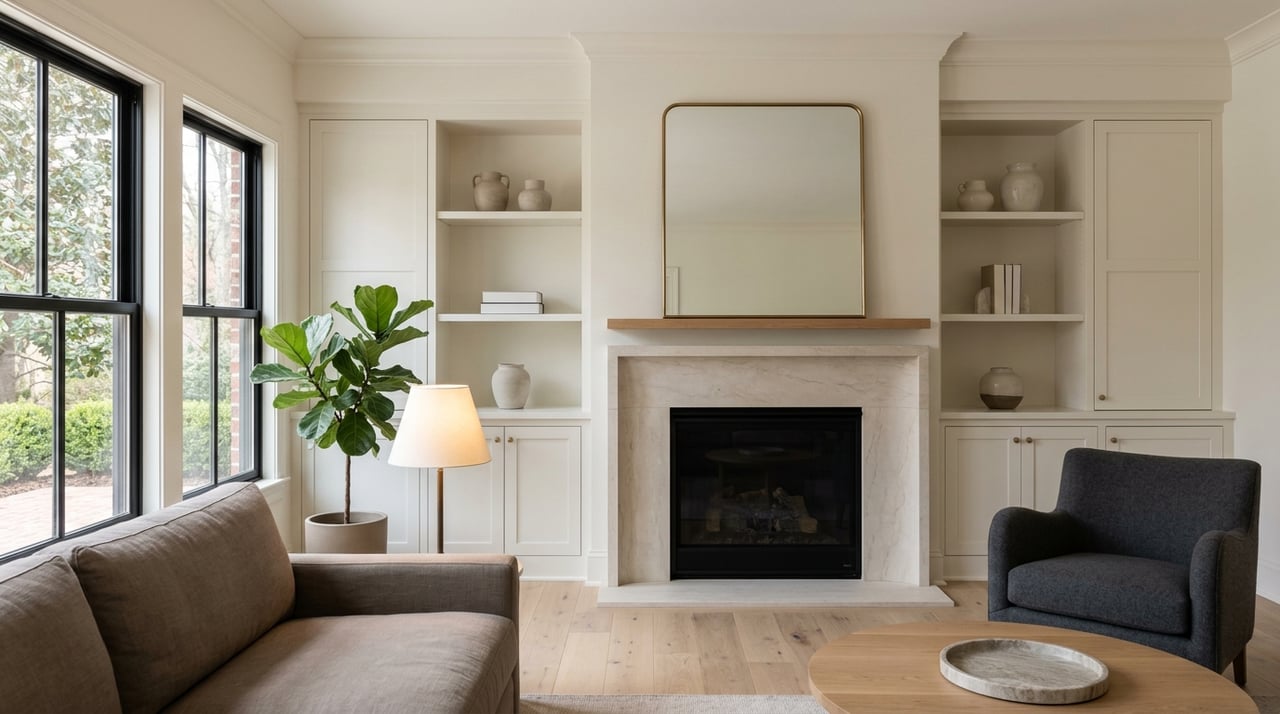
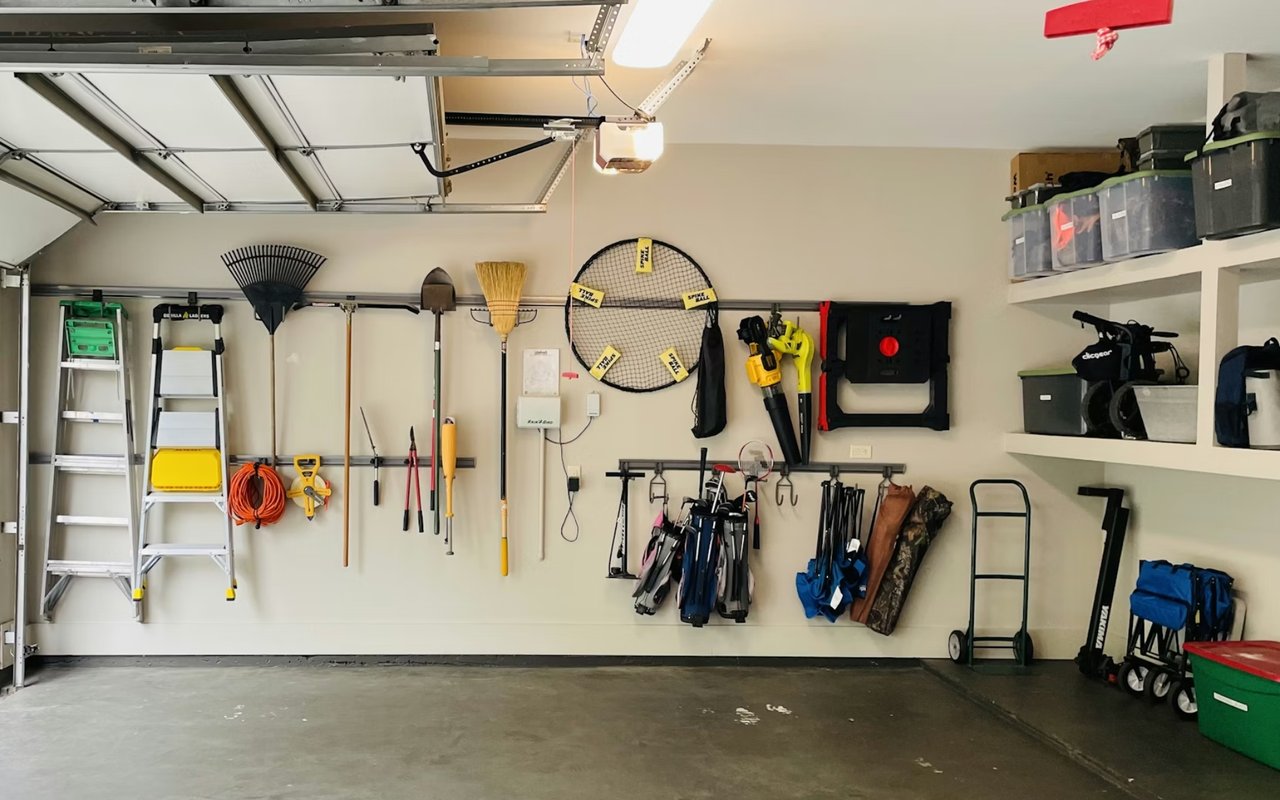
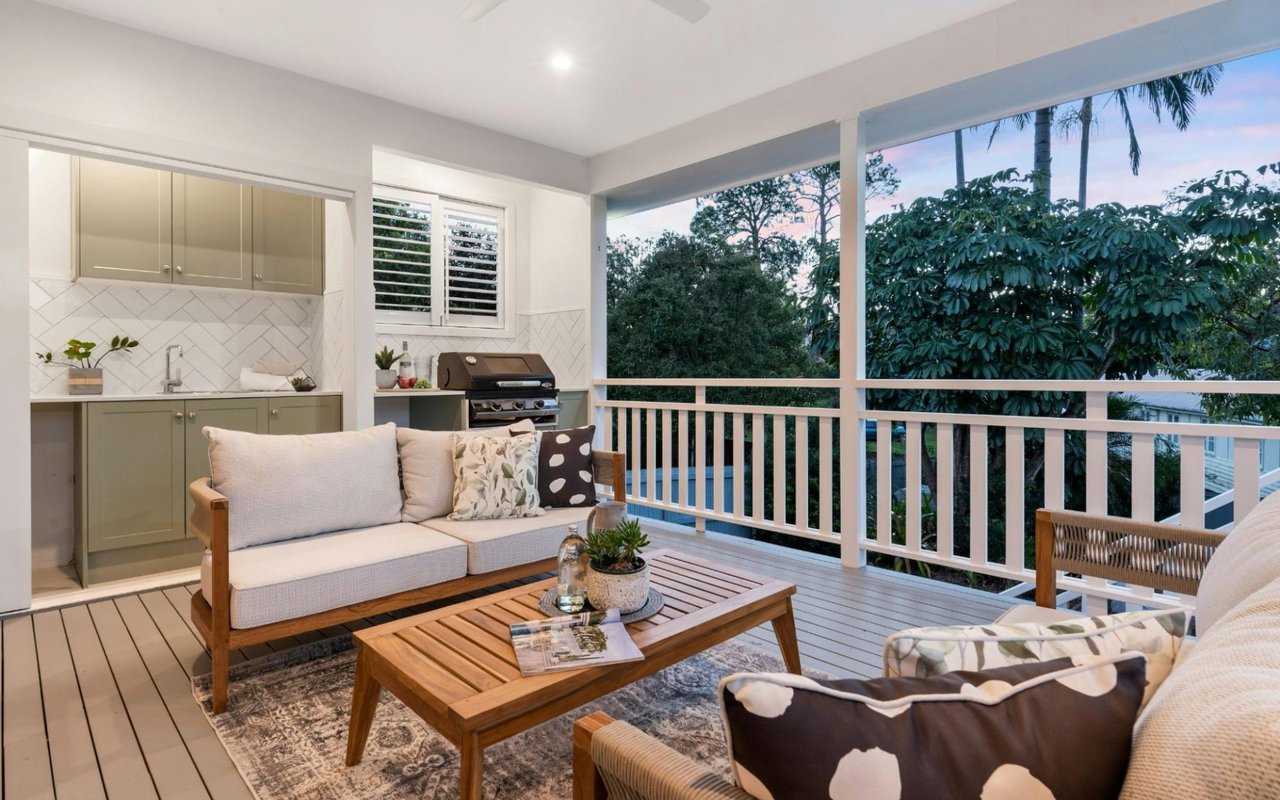
Decluttering and depersonalizing follow, and this work goes further than most sellers expect. Removing roughly a third to half of the furniture and belongings in each room lets the space itself become the product. Closets should sit at half capacity so buyers see storage rather than strain.
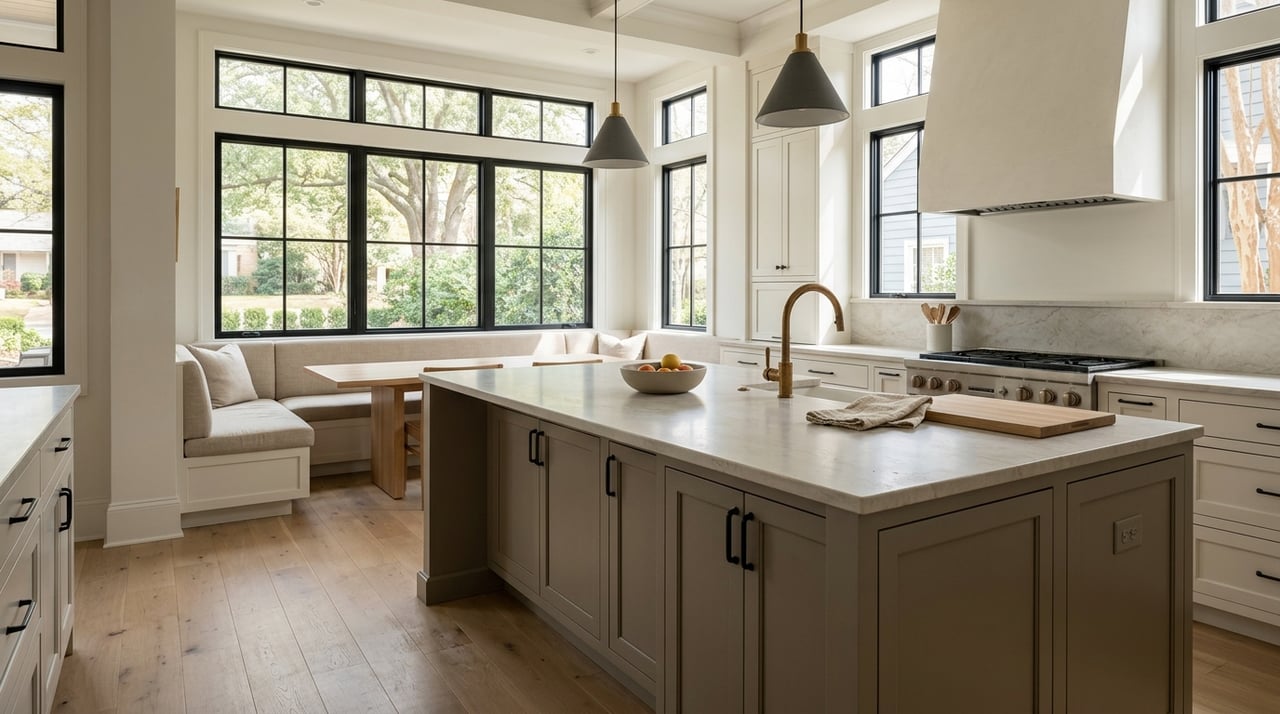
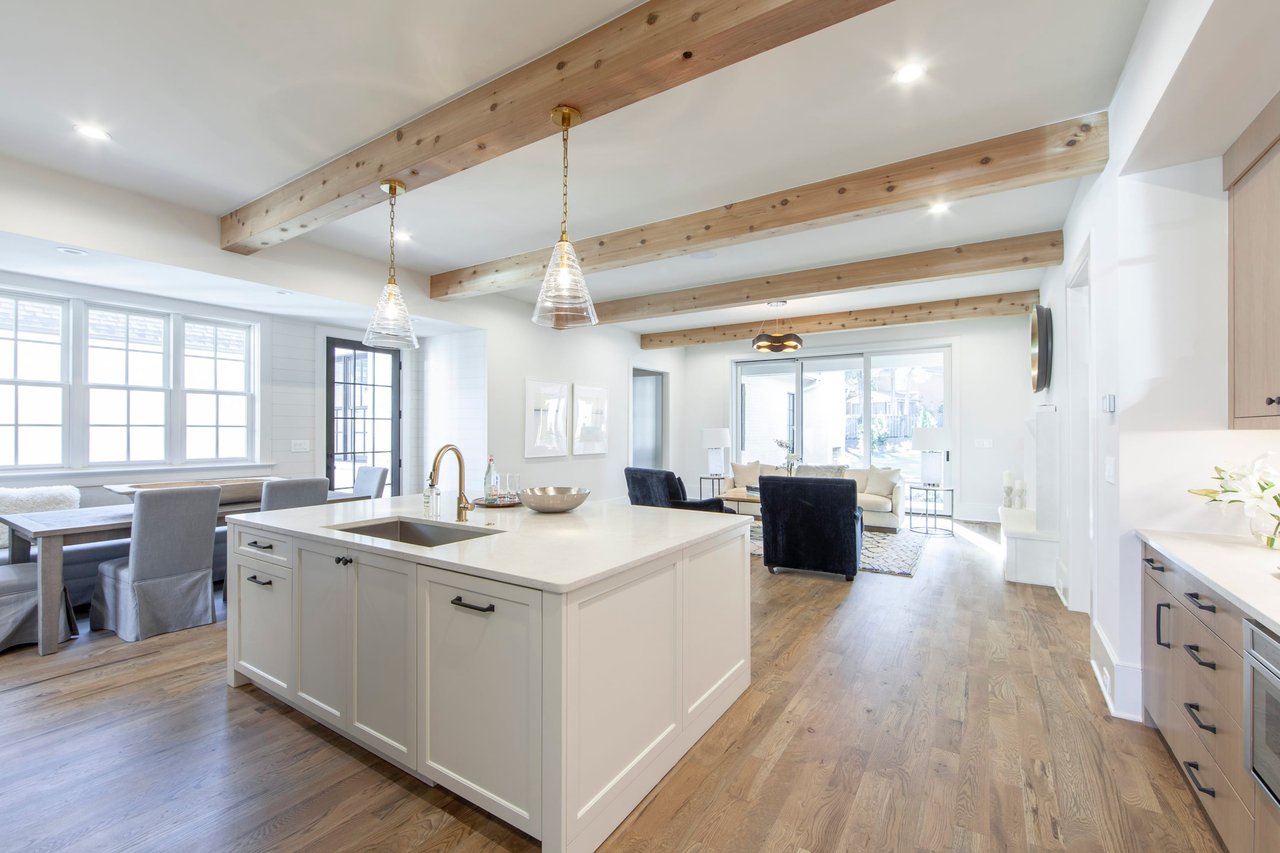
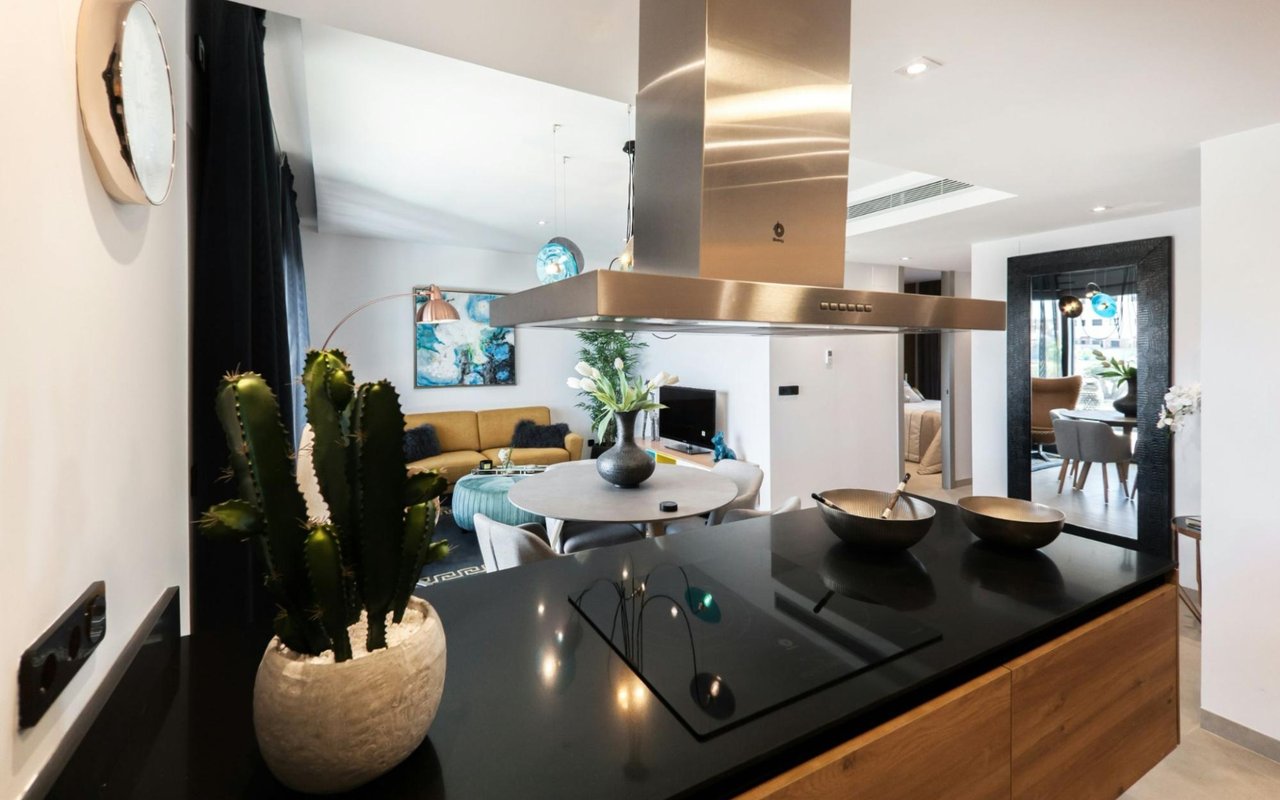
Cosmetic updates come next, prioritized by return. Fresh neutral paint delivers more value per dollar than any other improvement. Updated cabinet hardware, new faucets, refreshed grout, and modern light fixtures modernize kitchens and bathrooms without renovation cost. Worn carpet in main living areas should be addressed.
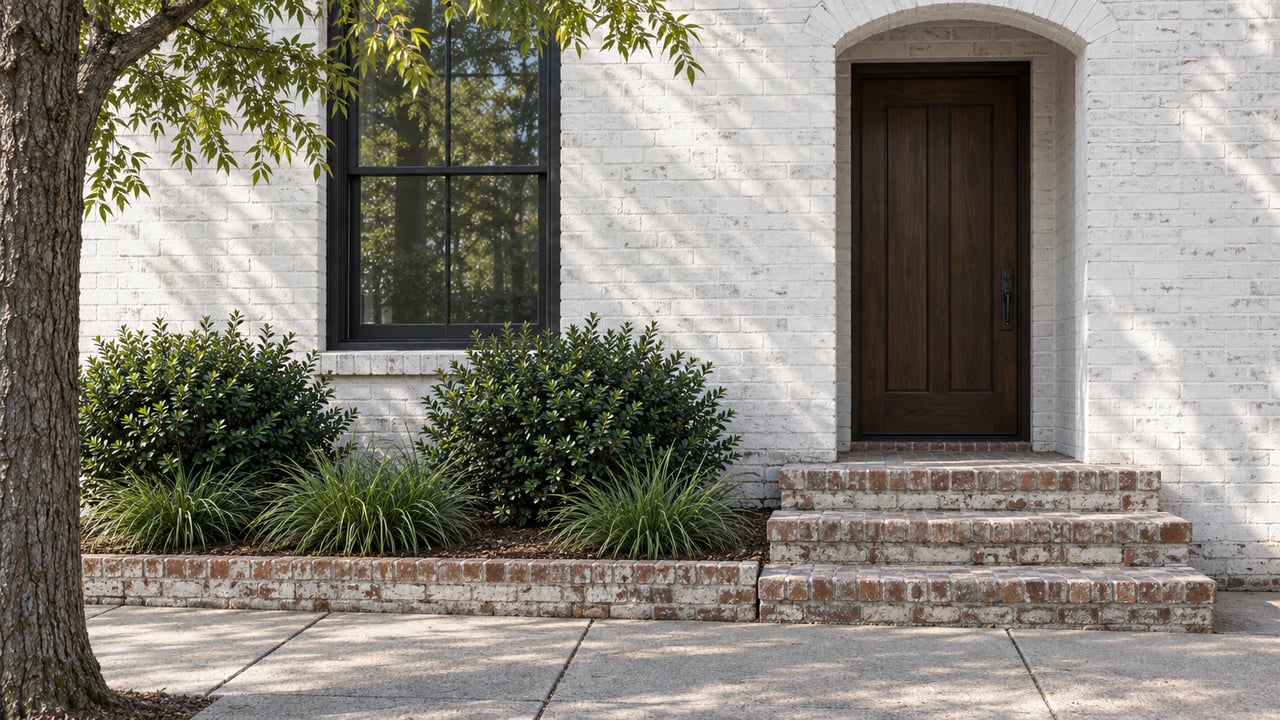
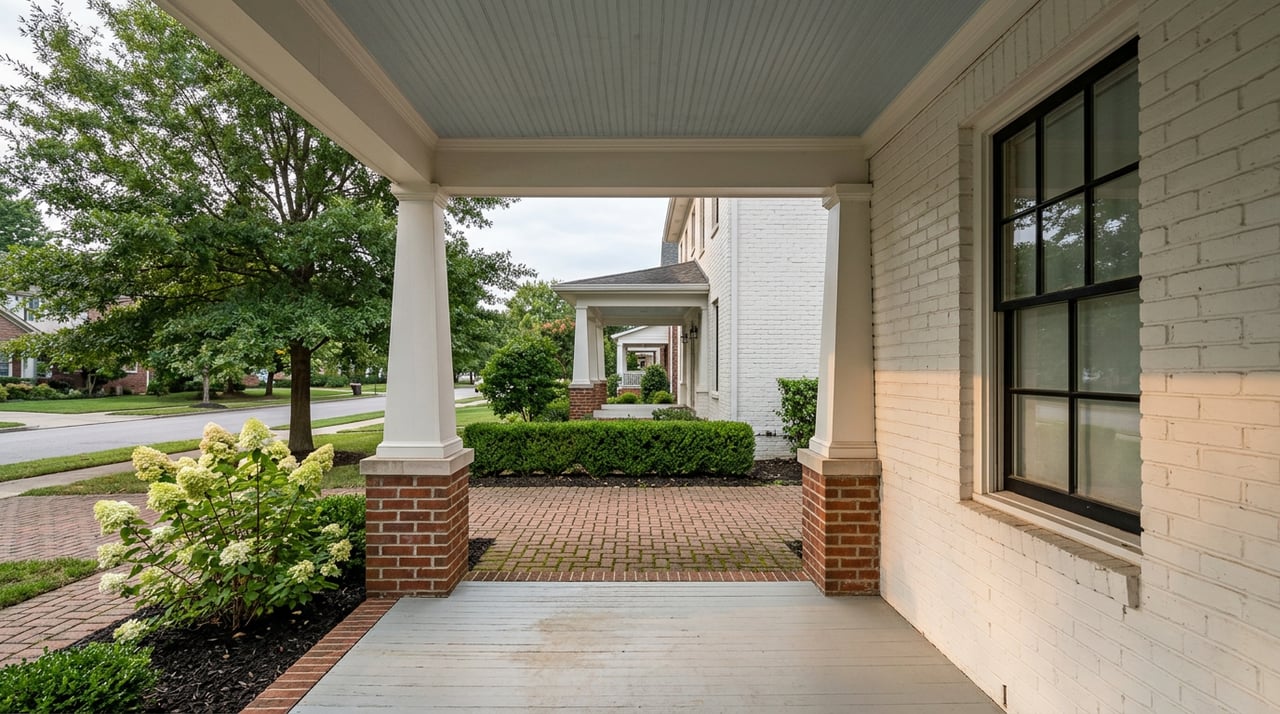
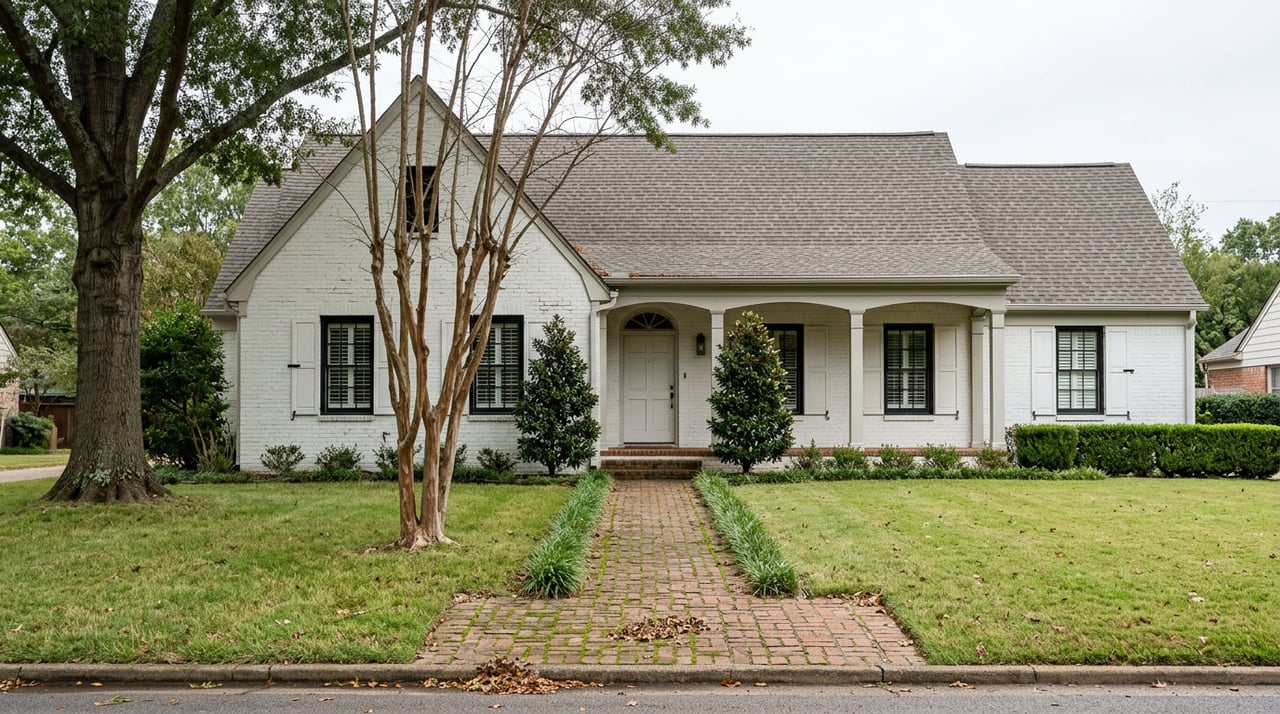
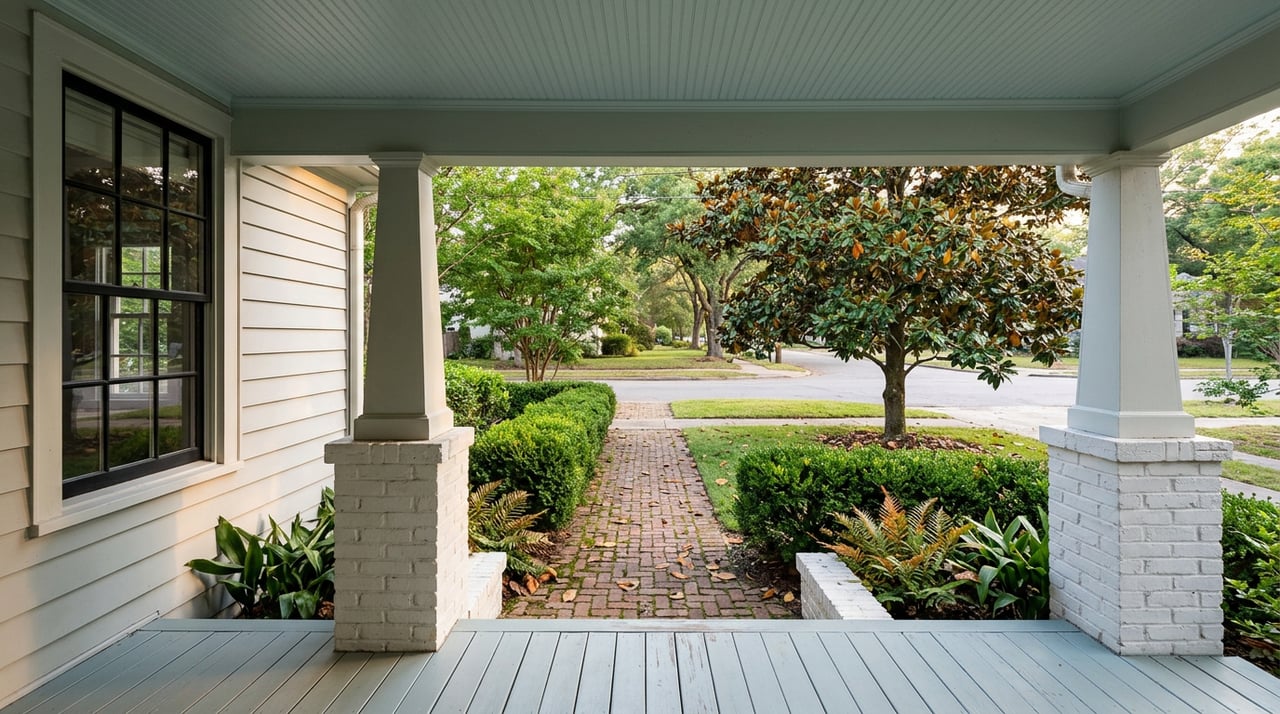
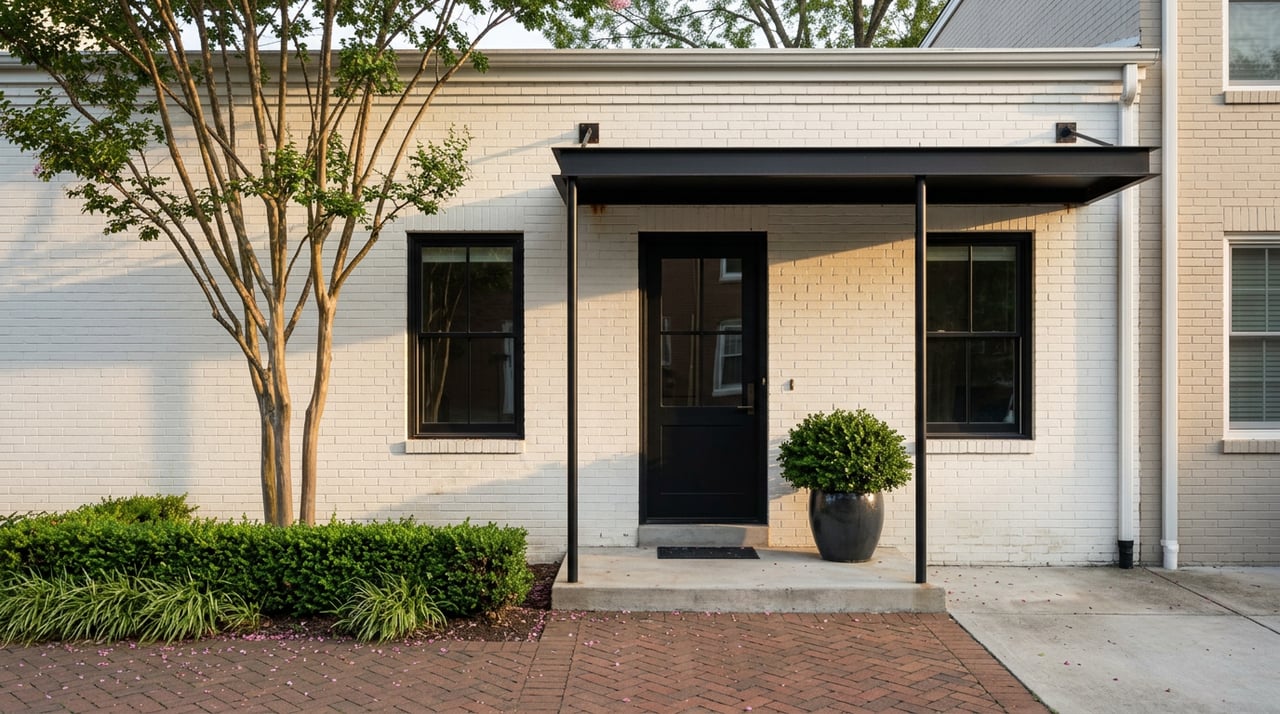
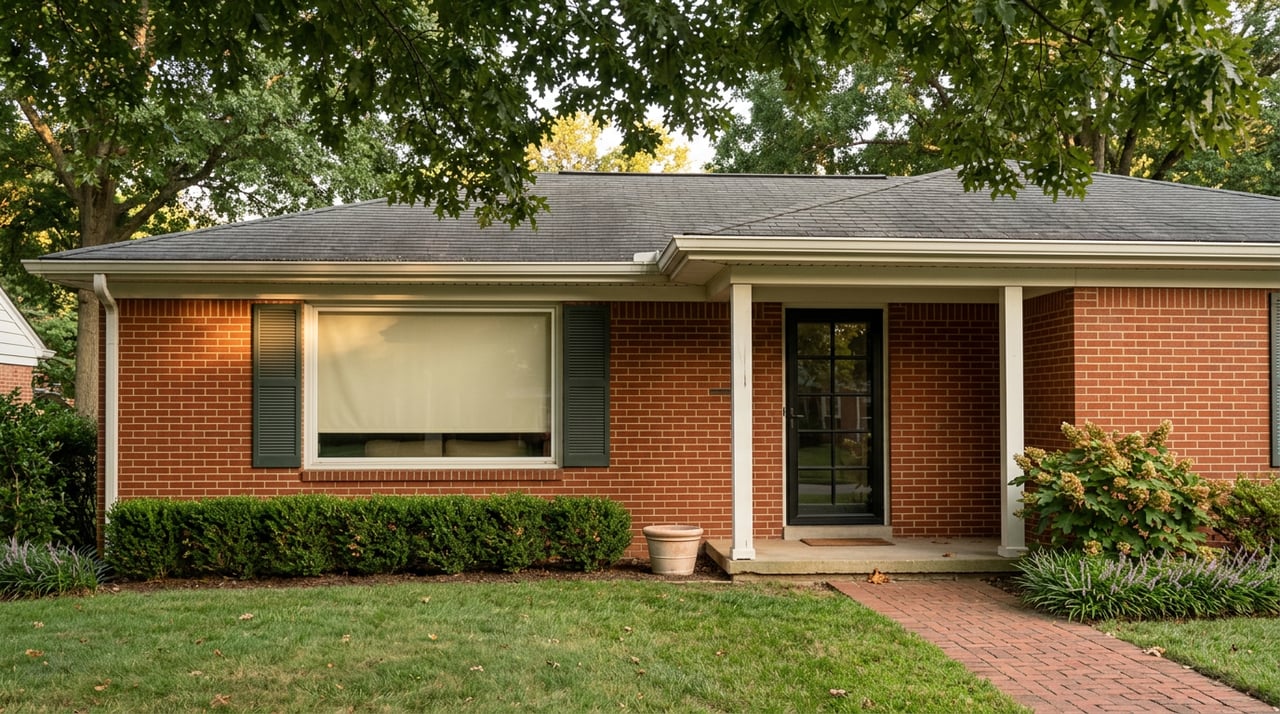
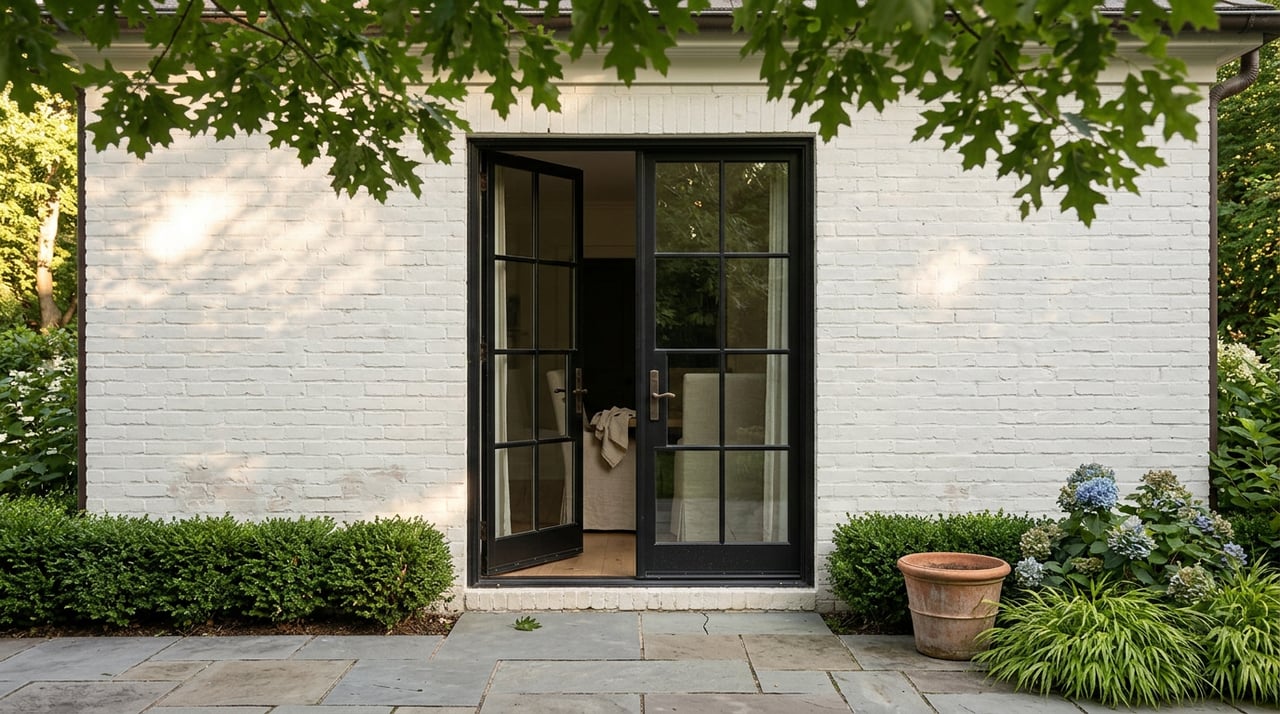
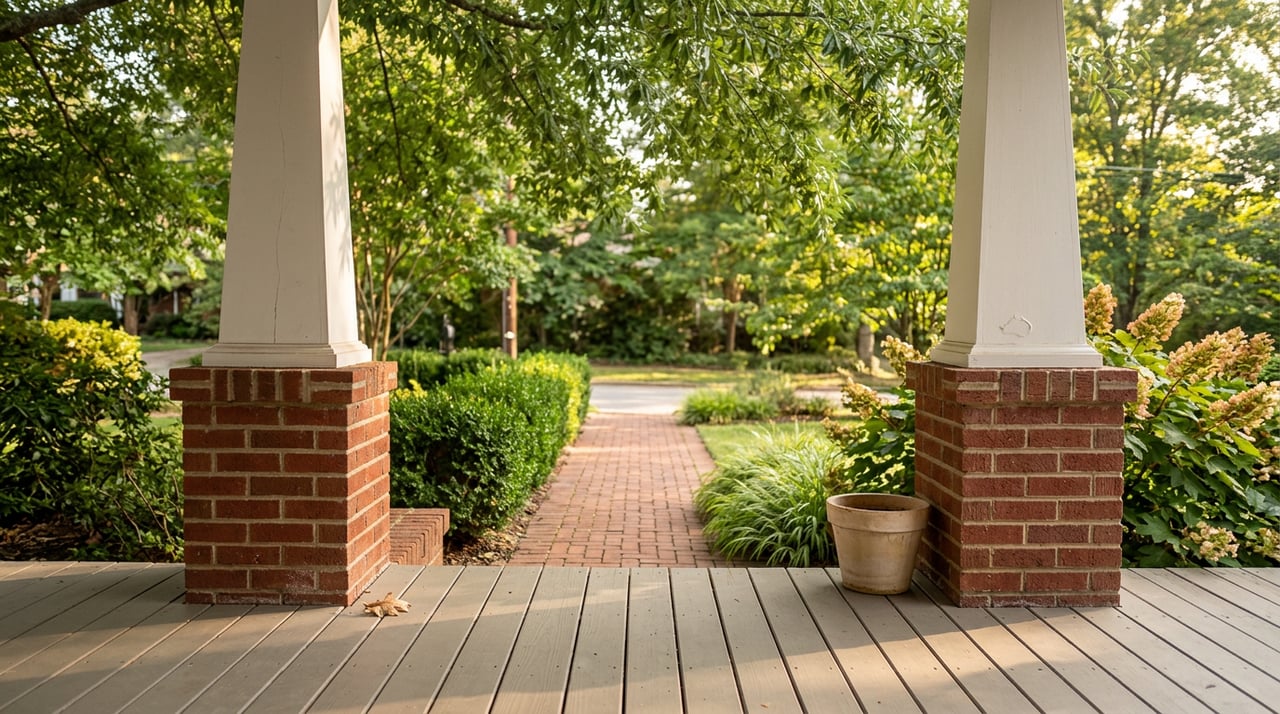
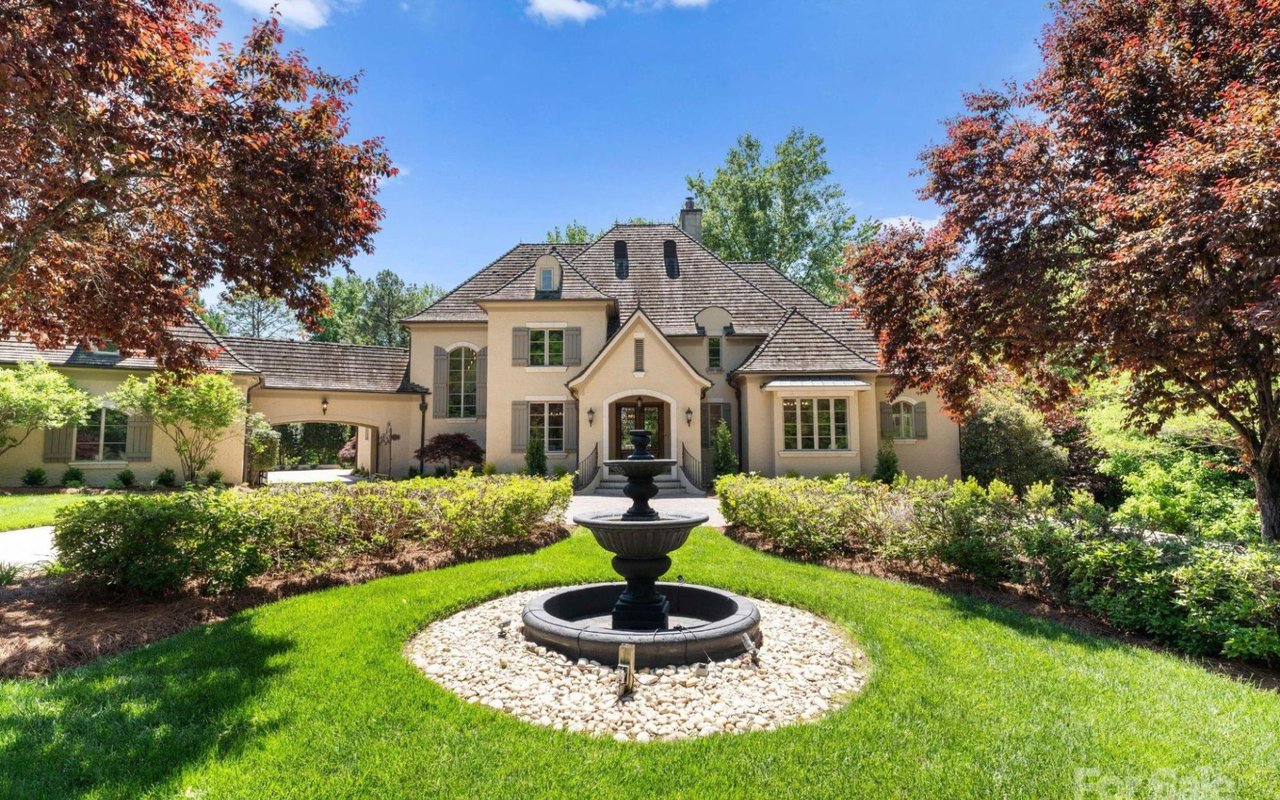
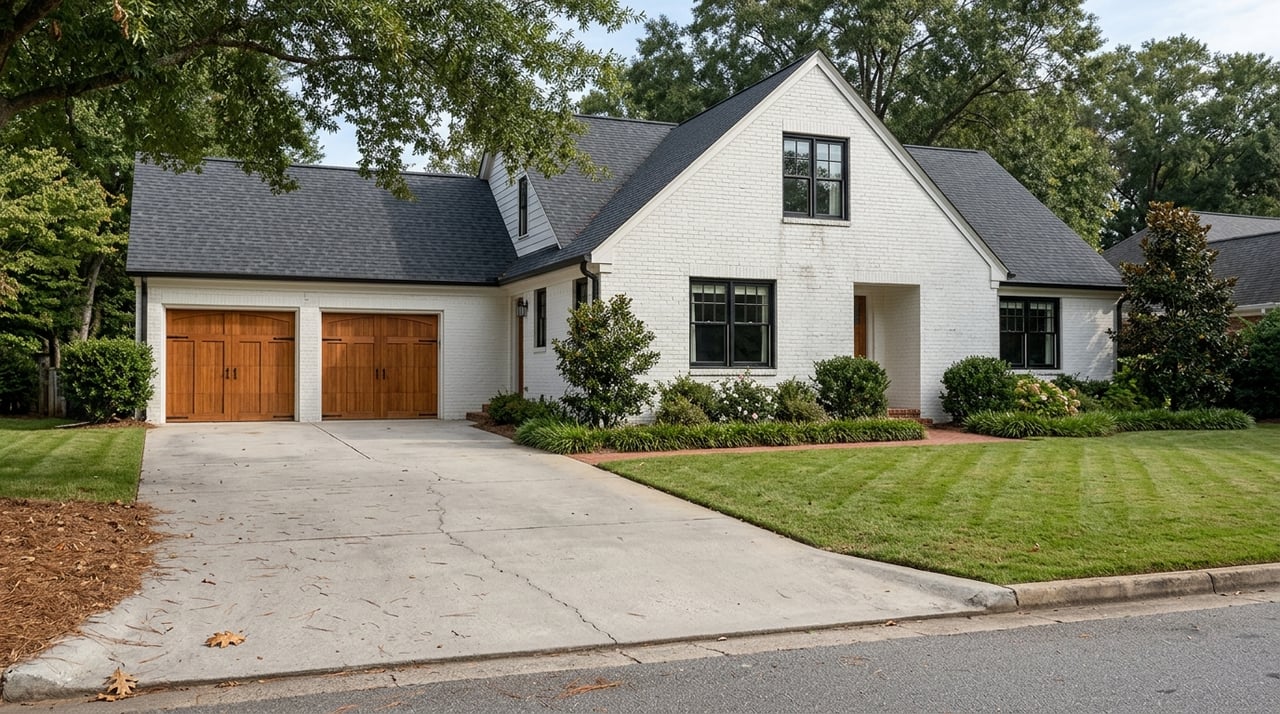
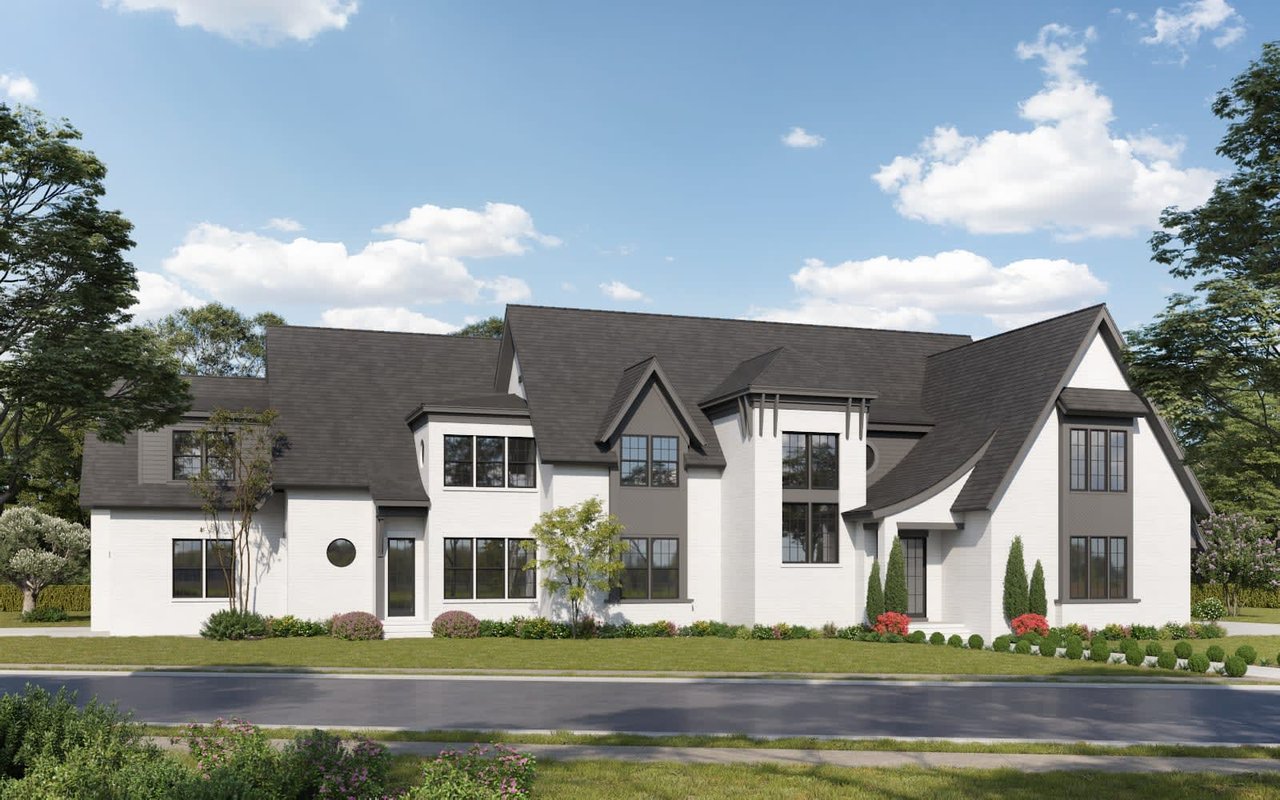
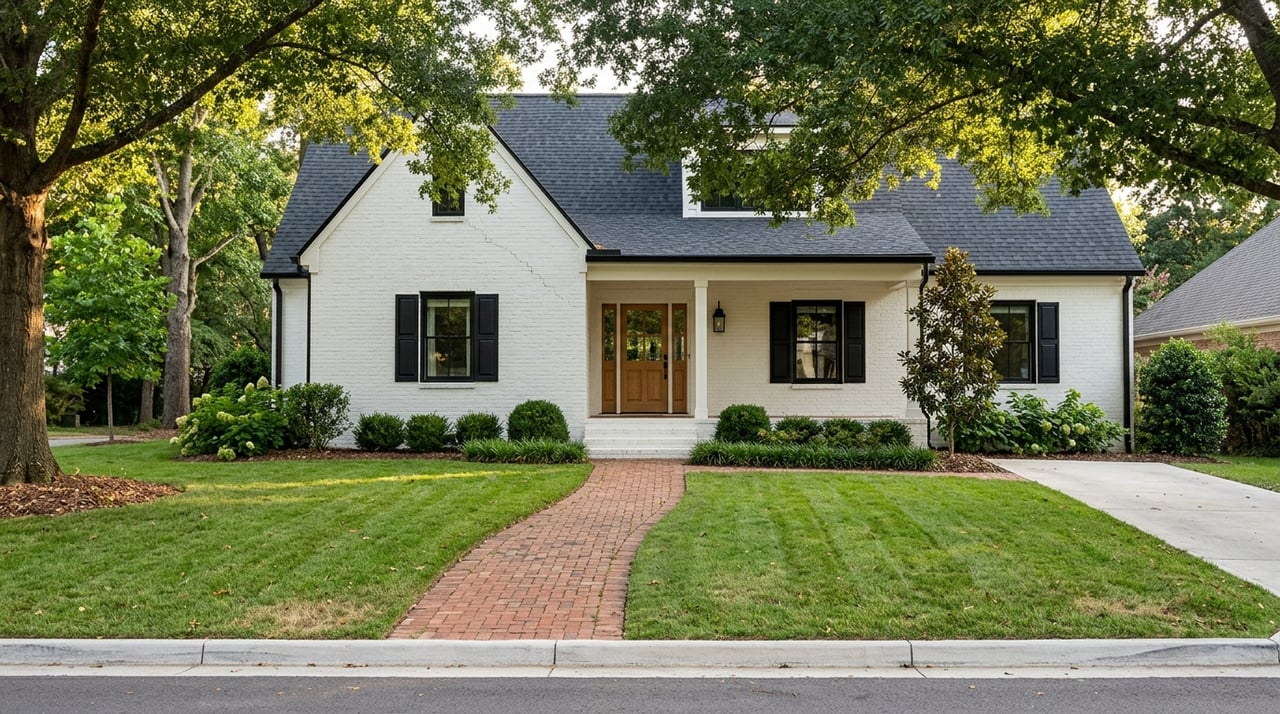
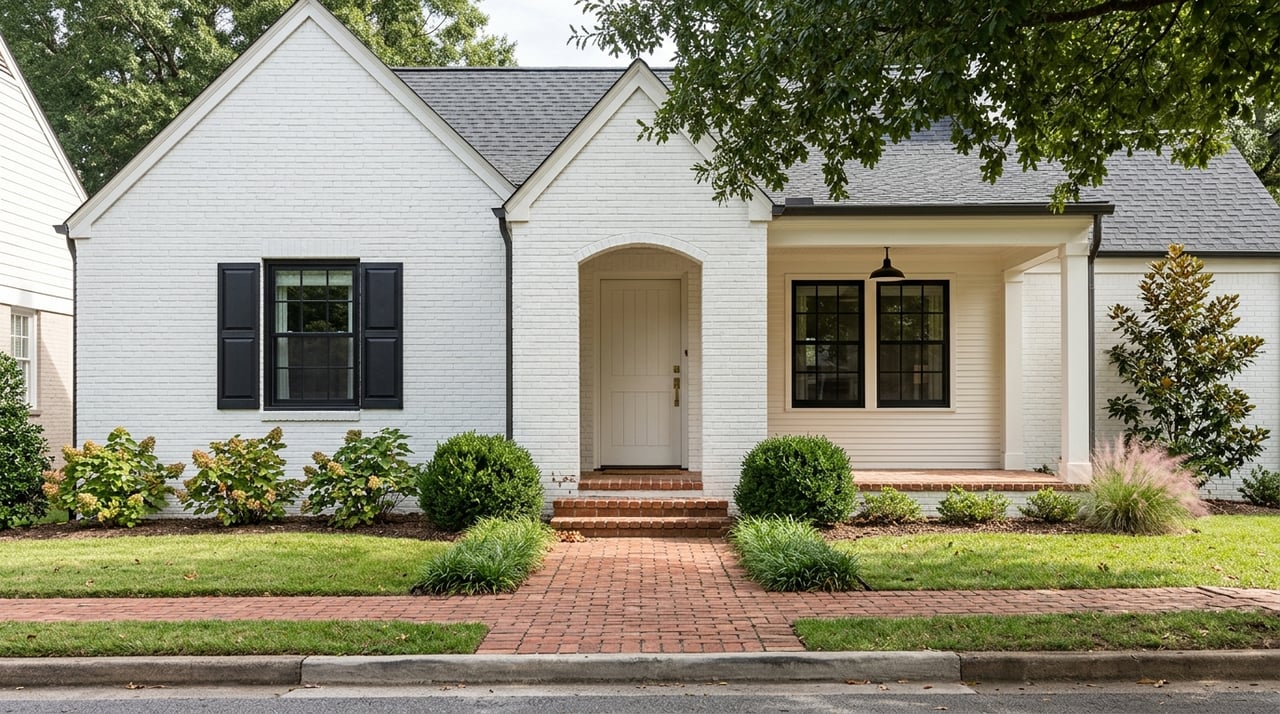
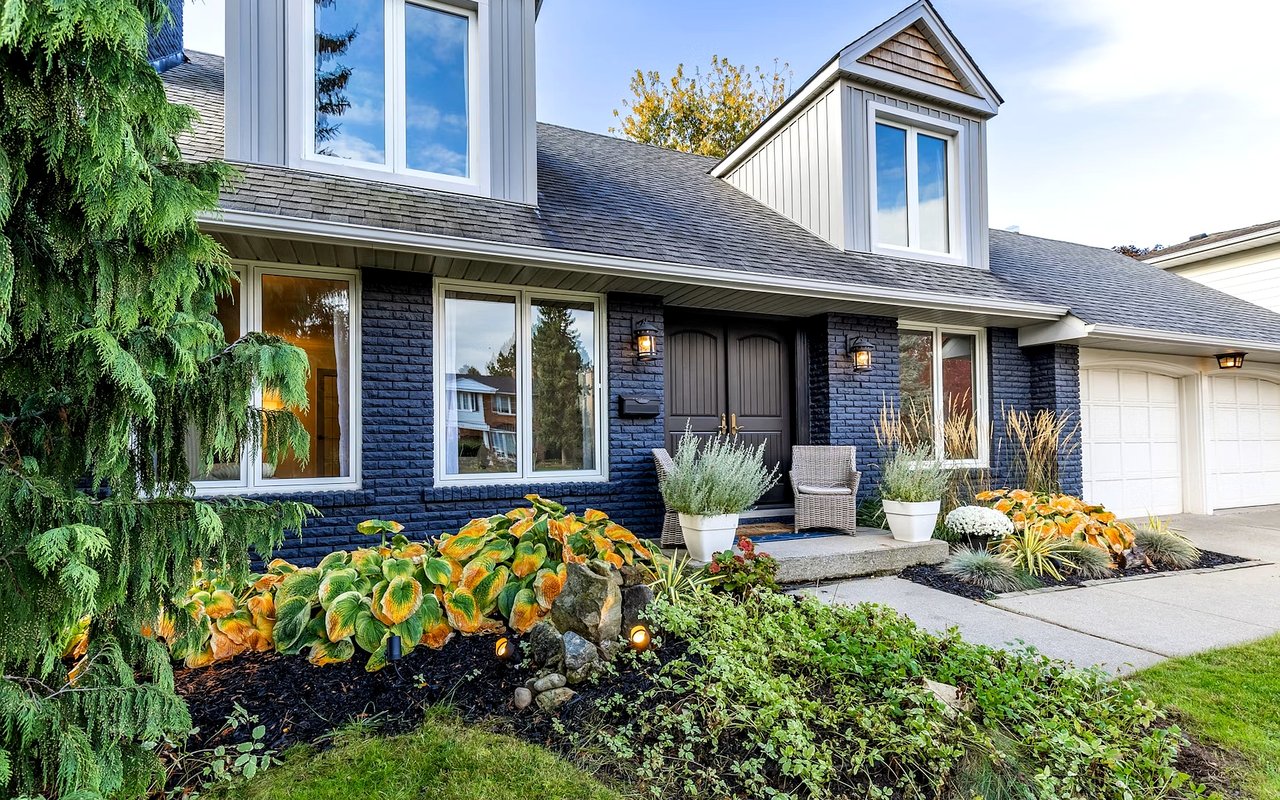
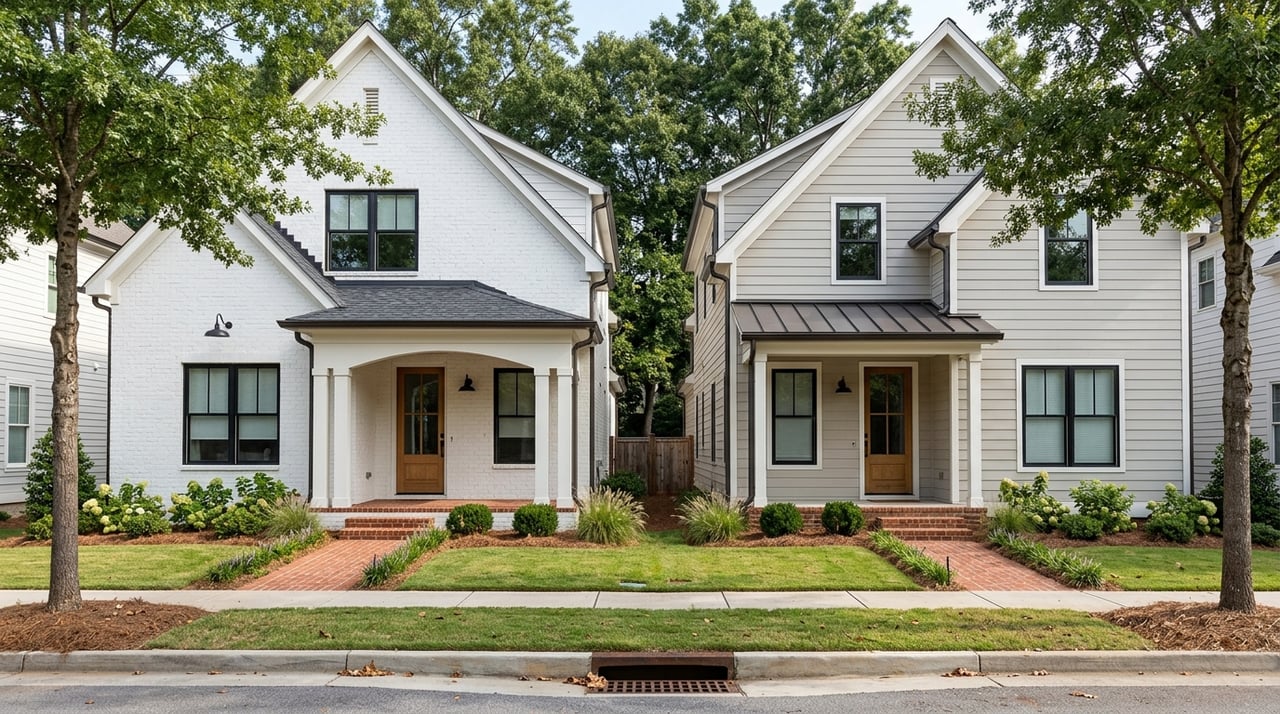
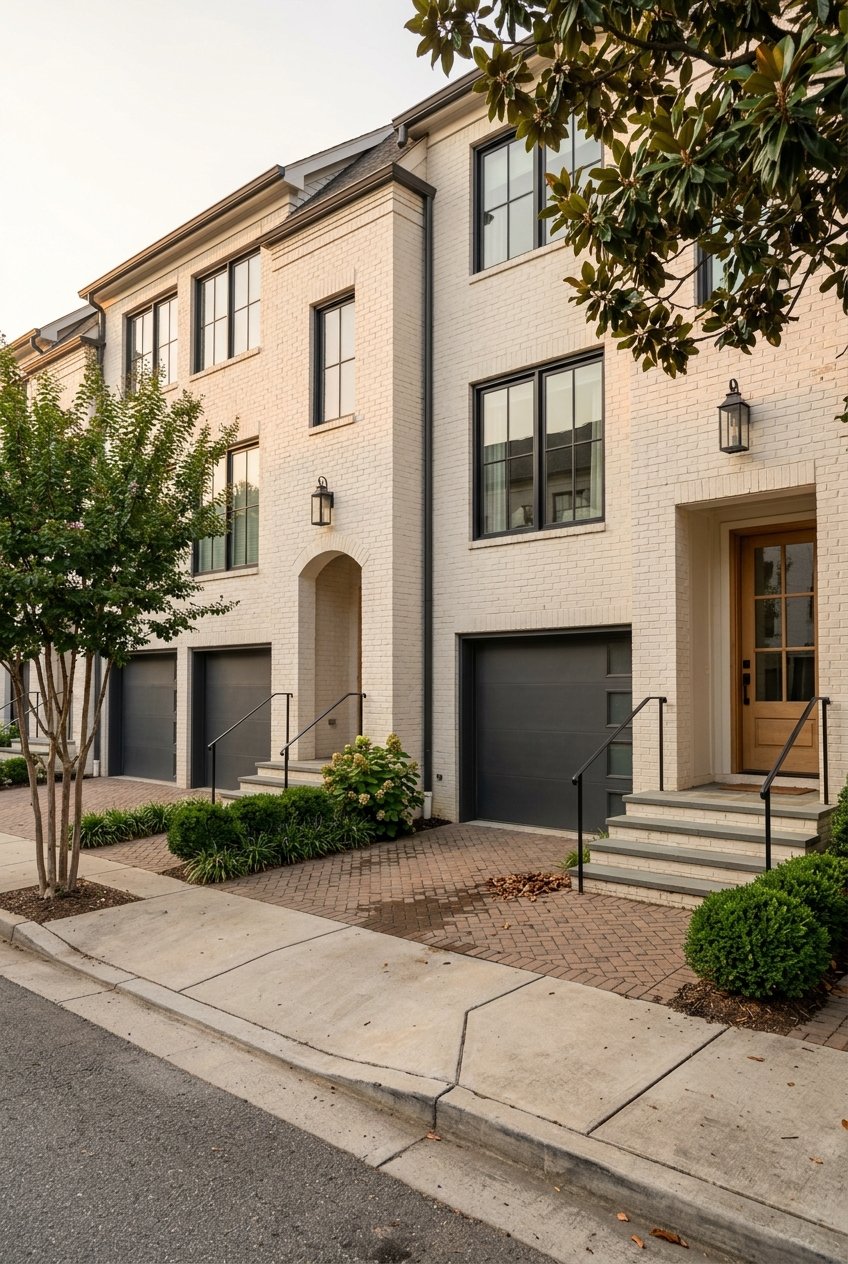
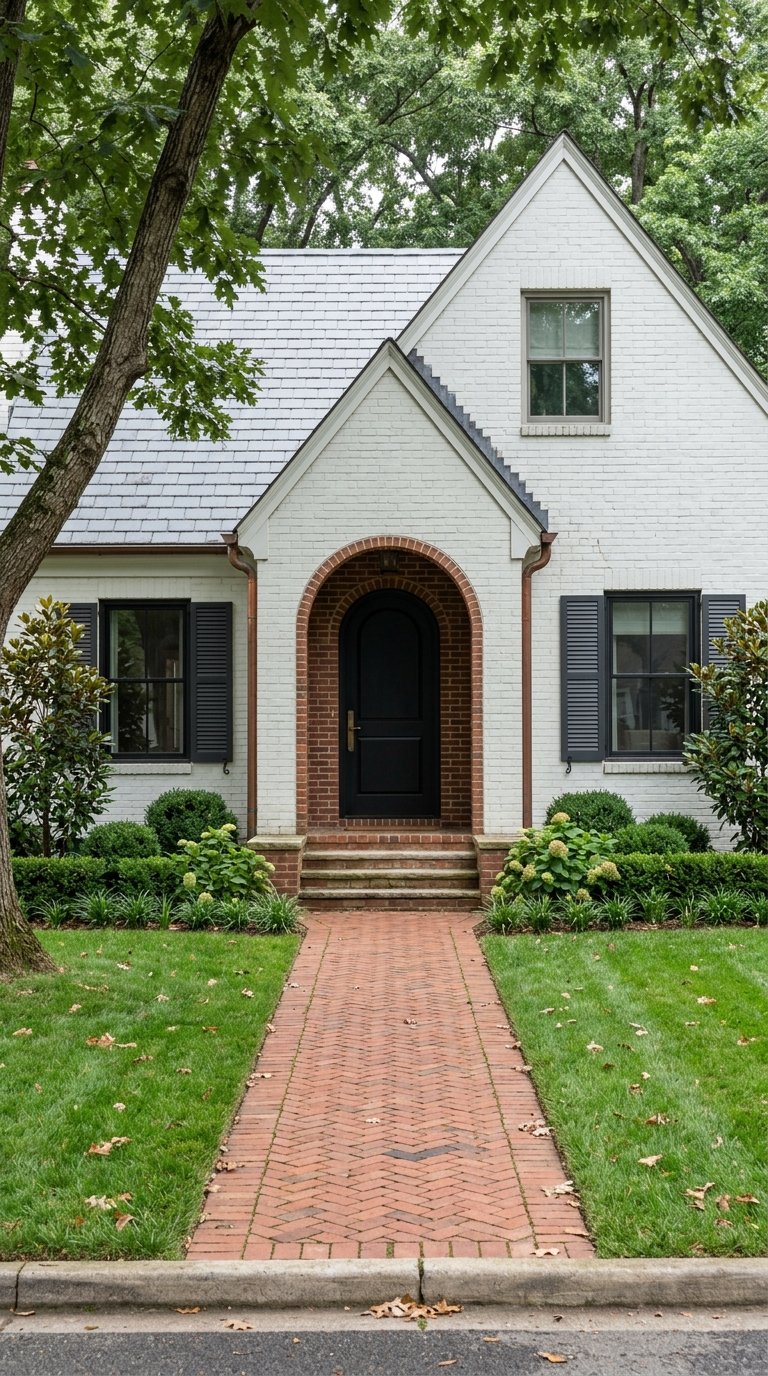
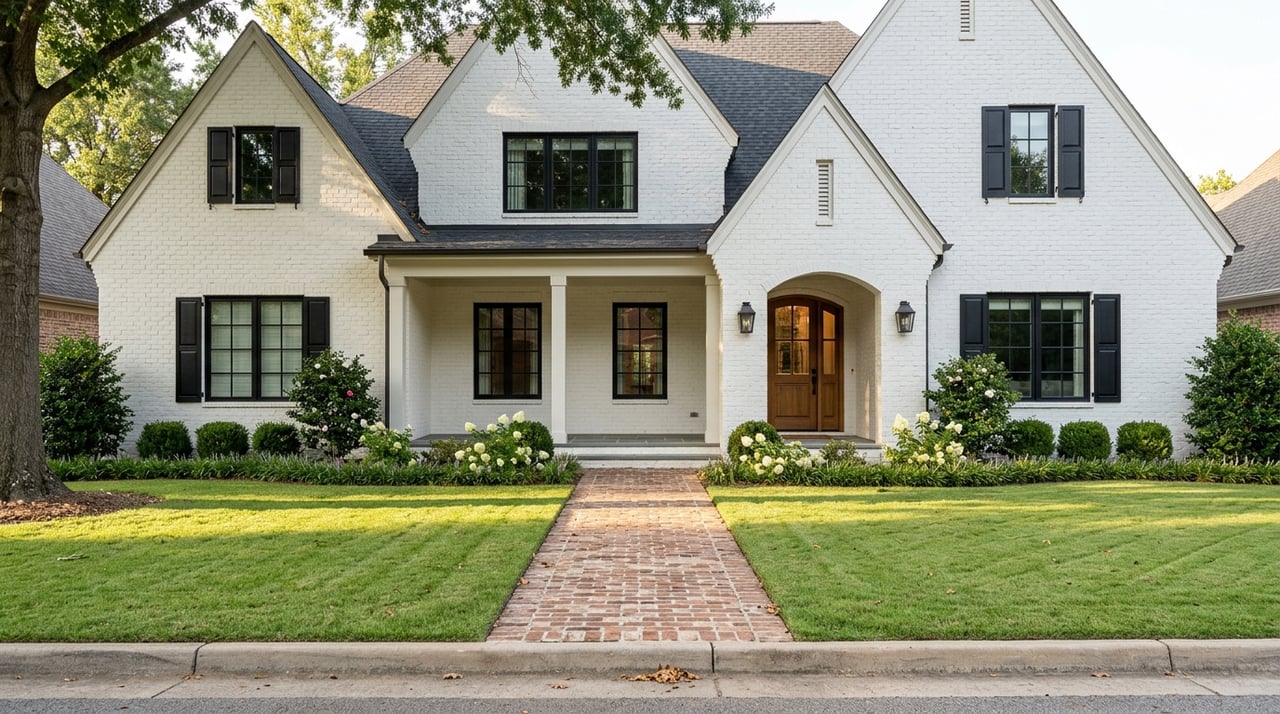
Curb appeal work happens in parallel. In Charlotte's climate, with its long growing season, fresh mulch, trimmed shrubs, pressure-washed walkways, and a refreshed front door make a substantial difference in the photograph that determines whether buyers add your home to their tour list. Homes in Myers Park, Dilworth, and Eastover benefit enormously from mature landscaping that is properly maintained and presented.
The first weeks are spent on a candid walkthrough of the property with fresh eyes, identifying what must be repaired, what should be updated for buyer perception, and what can reasonably be left alone. Deferred maintenance that will surface during inspection gets addressed now, not later under negotiation pressure when the buyer holds the leverage.
Decluttering and depersonalizing follow, and this work goes further than most sellers expect. Removing roughly a third to half of the furniture and belongings in each room lets the space itself become the product. Closets should sit at half capacity so buyers see storage rather than strain.
Cosmetic updates come next, prioritized by return. Fresh neutral paint delivers more value per dollar than any other improvement. Updated cabinet hardware, new faucets, refreshed grout, and modern light fixtures modernize kitchens and bathrooms without renovation cost. Worn carpet in main living areas should be addressed.
Curb appeal work happens in parallel. In Charlotte's climate, with its long growing season, fresh mulch, trimmed shrubs, pressure-washed walkways, and a refreshed front door make a substantial difference in the photograph that determines whether buyers add your home to their tour list. Homes in Myers Park, Dilworth, and Eastover benefit enormously from mature landscaping that is properly maintained and presented.
Month Three: Pricing, Photography, and Going Live
By month three the physical preparation is complete and strategy takes over. Pricing is the decision that carries the most consequence, and overpricing remains the most common self-inflicted wound we see Charlotte sellers make.
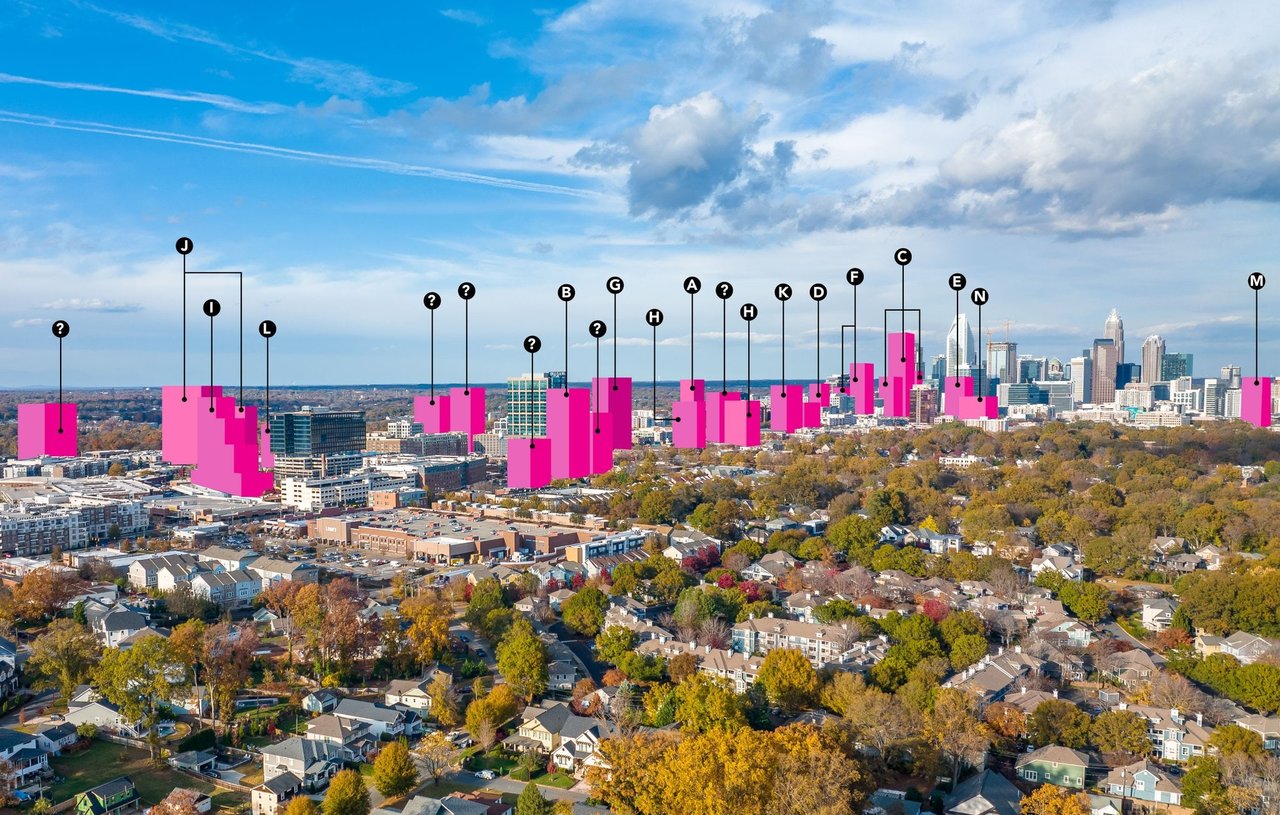
The Charlotte Living Realty Group builds pricing recommendations from a rigorous analysis of comparable sales, active competition, and pending transactions within your specific submarket. Charlotte's neighborhoods do not move in lockstep. Inventory conditions in Ballantyne can differ meaningfully from NoDa or Huntersville at any given moment, and a metro-wide pricing assumption produces poor outcomes.
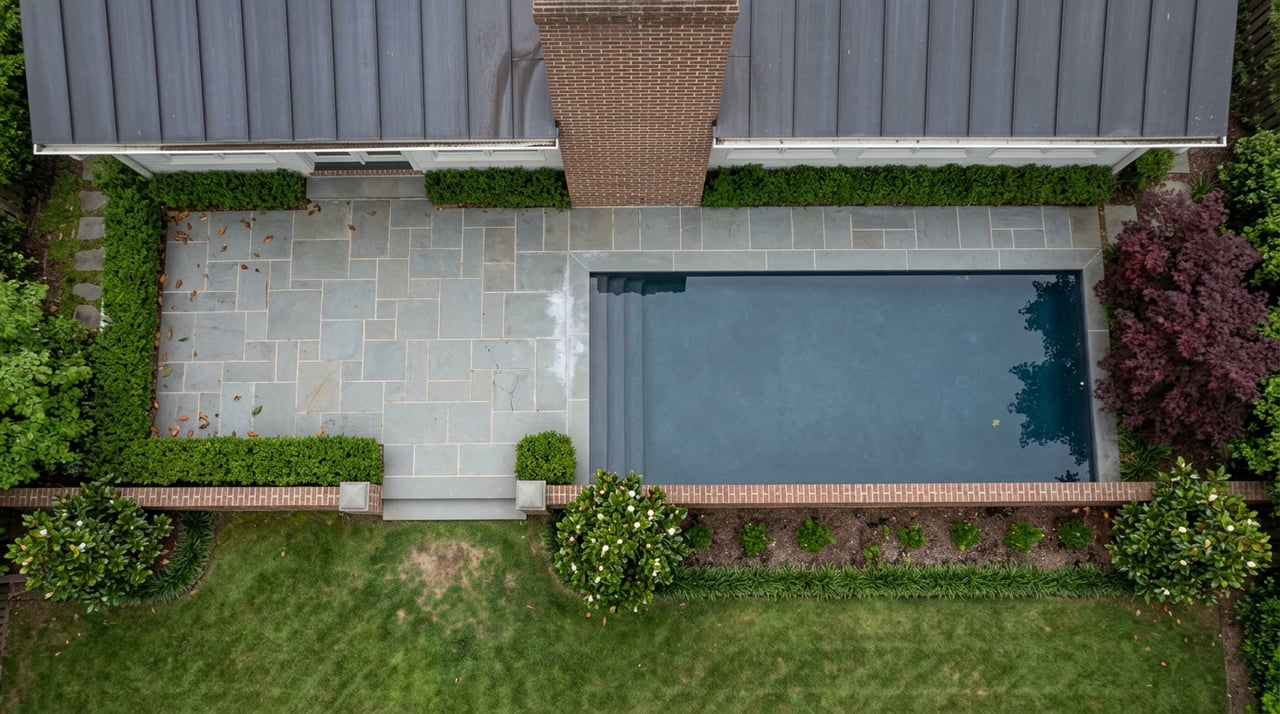
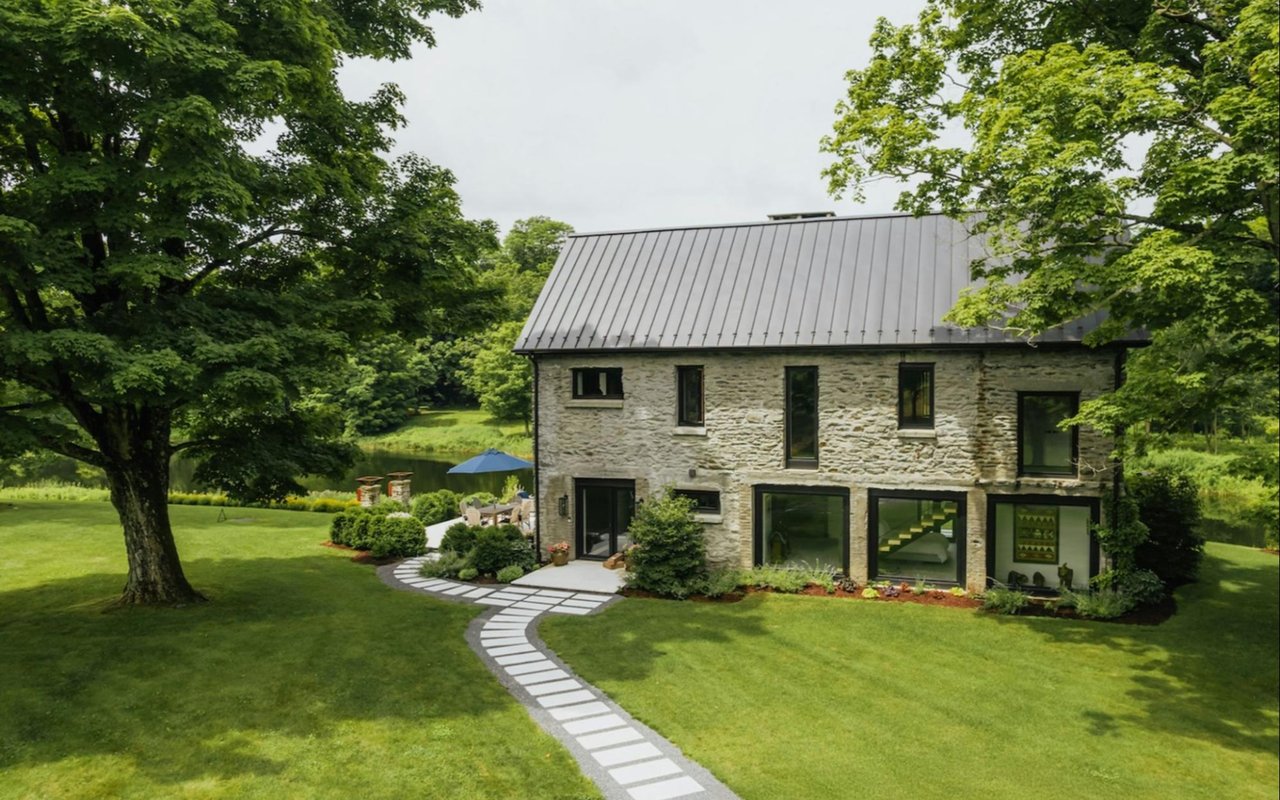
Professional photography is scheduled once the home is fully staged and the weather cooperates. This is not a place to economize. Buyers evaluate homes on screens first, and image quality correlates directly with showing volume, which correlates directly with offer quality. Drone photography is worth adding for homes with meaningful outdoor space, architectural distinction, or lakefront positioning along the Lake Norman corridor.
The listing goes live, and the first ten days deliver the clearest market feedback you will receive. Strong showing activity and early offers confirm the pricing was right. Silence indicates a pricing problem, not a marketing problem, and the sellers who respond to that signal quickly protect their outcome far better than those who wait.
The Charlotte Living Realty Group builds pricing recommendations from a rigorous analysis of comparable sales, active competition, and pending transactions within your specific submarket. Charlotte's neighborhoods do not move in lockstep. Inventory conditions in Ballantyne can differ meaningfully from NoDa or Huntersville at any given moment, and a metro-wide pricing assumption produces poor outcomes.
Professional photography is scheduled once the home is fully staged and the weather cooperates. This is not a place to economize. Buyers evaluate homes on screens first, and image quality correlates directly with showing volume, which correlates directly with offer quality. Drone photography is worth adding for homes with meaningful outdoor space, architectural distinction, or lakefront positioning along the Lake Norman corridor.
The listing goes live, and the first ten days deliver the clearest market feedback you will receive. Strong showing activity and early offers confirm the pricing was right. Silence indicates a pricing problem, not a marketing problem, and the sellers who respond to that signal quickly protect their outcome far better than those who wait.
Month Four: Contract, Due Diligence, and Negotiation
Once you accept an offer, North Carolina's transaction structure takes over, and it operates differently from most other states in ways that matter.
The buyer pays a due diligence fee directly to you at contract execution. This fee is negotiated, non-refundable if the buyer terminates during the due diligence period, and credited toward the purchase price at closing if the deal completes. It compensates you for taking the home off the market.
The due diligence period itself typically runs two to four weeks. During this window the buyer conducts inspections, secures financing, and completes their full evaluation. They may terminate for any reason during this period, which is why buyer qualification and earnest money and due diligence fee amounts matter so much in evaluating competing offers.
Inspection negotiation happens here. Buyers typically return with a repair request, and how you respond depends on the strength of the offer, the market conditions, and the nature of the items raised. We counsel sellers through these conversations with the goal of preserving the transaction without conceding unnecessarily.
The buyer pays a due diligence fee directly to you at contract execution. This fee is negotiated, non-refundable if the buyer terminates during the due diligence period, and credited toward the purchase price at closing if the deal completes. It compensates you for taking the home off the market.
The due diligence period itself typically runs two to four weeks. During this window the buyer conducts inspections, secures financing, and completes their full evaluation. They may terminate for any reason during this period, which is why buyer qualification and earnest money and due diligence fee amounts matter so much in evaluating competing offers.
Inspection negotiation happens here. Buyers typically return with a repair request, and how you respond depends on the strength of the offer, the market conditions, and the nature of the items raised. We counsel sellers through these conversations with the goal of preserving the transaction without conceding unnecessarily.
Month Five and Beyond: Appraisal, Underwriting, and Closing
Once due diligence passes, the transaction moves into the lender-driven phase. The appraisal is ordered, and the appraised value must support the contract price for financing to proceed. In Charlotte's appreciating market, appraisal gaps occur periodically, and how the contract addresses that scenario is something we negotiate deliberately on the front end.
Loan underwriting runs in parallel and typically consumes three to four weeks. This phase is largely outside seller control, though responsiveness to lender document requests keeps things moving.
The final walkthrough occurs shortly before closing, confirming the property is in the agreed condition and that negotiated repairs were completed.
Closing in North Carolina is conducted by a real estate attorney rather than a title company. The attorney ensures clear title, prepares settlement documents, and disburses funds. For out-of-state sellers, remote and hybrid closing options are available through attorneys experienced in those transactions.
Loan underwriting runs in parallel and typically consumes three to four weeks. This phase is largely outside seller control, though responsiveness to lender document requests keeps things moving.
The final walkthrough occurs shortly before closing, confirming the property is in the agreed condition and that negotiated repairs were completed.
Closing in North Carolina is conducted by a real estate attorney rather than a title company. The attorney ensures clear title, prepares settlement documents, and disburses funds. For out-of-state sellers, remote and hybrid closing options are available through attorneys experienced in those transactions.
Frequently Asked Questions
How long does it take to sell a home in Charlotte from listing to closing?
Once under contract, most Charlotte transactions close in thirty to forty-five days. From listing day to closing, a well-priced home typically completes in sixty to seventy-five days. The full timeline including preparation runs four to six months.
When should I start preparing if I want to list in the Charlotte spring market?
Begin in January. Spring is Charlotte's strongest selling season, running late February through May, and the sellers who win that market completed their preparation in the winter months rather than starting when the season began.
What is the due diligence period and how long does it last in North Carolina?
It is the negotiated window after contract during which the buyer may terminate for any reason. In Charlotte it typically runs two to four weeks and covers inspections, financing, and buyer evaluation.
How long should pre-market preparation take for a Charlotte home?
Four to eight weeks for most homes. Properties requiring significant cosmetic updates or deep decluttering need longer.
Can I sell a Charlotte home in the winter months?
Yes. Winter buyers in Charlotte tend to be highly motivated and competition among sellers is at its lowest point of the year. Pricing needs to be sharp, and days on market may run slightly longer.
Ready to Build Your Charlotte Home Selling Timeline
Selling a home in Charlotte rewards sellers who plan the full timeline rather than reacting to it stage by stage. At The Charlotte Living Realty Group, we build a customized calendar for every seller we represent, mapped to your target listing date, your submarket conditions, and your personal moving timeline. Reach out to our team directly at charlottelivingrealty.com and let us map out exactly what your sale should look like month by month.