If you want an in-town Charlotte neighborhood without committing to a fully urban pace, Cotswold likely keeps showing up on your list. That makes sense. It offers an established feel, a strong convenience factor, and a housing mix that appeals to buyers who want options. If you are trying to decide whether Cotswold fits your lifestyle, budget, and long-term goals, this guide will help you sort through the tradeoffs and the upside. Let’s dive in.
Where Cotswold Fits in Charlotte
Cotswold is best understood as an established in-town Charlotte neighborhood, not a place with one rigid set of boundaries. The City of Charlotte notes that neighborhood boundaries are self-determined by neighborhood organizations, which helps explain why people may describe Cotswold a little differently depending on the street or section they mean.
What stays consistent is the neighborhood’s overall character. City planning materials describe this part of Cotswold as long established with single-family homes, along with access to goods and services around Monroe Road, Sharon Amity Road, and Randolph Road. If you want to stay close to central Charlotte while still living in a more residential setting, that positioning is a big part of the draw.
What Daily Life Feels Like
Cotswold tends to work well for buyers who want convenience, but not necessarily a dense, walk-everywhere lifestyle. Redfin classifies it as minimally walkable, with a Walk Score of 31. That means you can likely handle some errands nearby, but you will still depend on a car for much of daily life.
The neighborhood’s convenience comes from a few strong retail nodes instead of a tightly packed street grid. City materials point to the Monroe and Sharon Amity area and the Sharon Amity and Randolph area as places where residents can reach shopping, dining, and services. That setup gives you practical access without making the neighborhood feel overly commercial.
Cotswold Village matters here
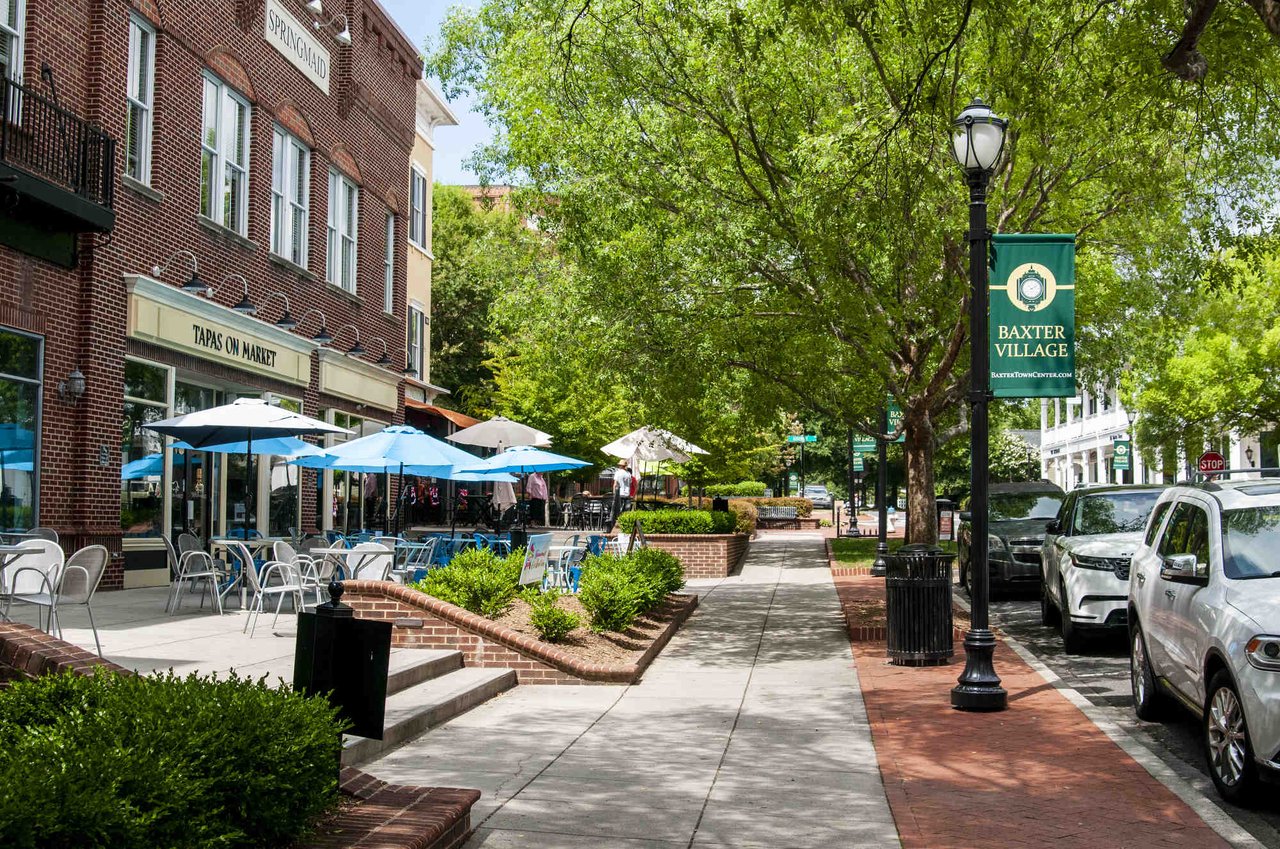
Cotswold Village is one of the clearest reasons buyers keep Cotswold on their shortlist. The center, located at 282 S Sharon Amity Road, opened in 1963 and has evolved into an open-air shopping center with a mix of national retailers and local favorites.
Its tenant list includes Harris Teeter, Walgreens, Novant Health GoHealth Urgent Care, Starbucks, Panera Bread, Marshalls, PetSmart, Ulta Beauty, and F45 Fitness, among others. For many buyers, that means groceries, coffee, pharmacy runs, quick meals, fitness, and basic errands can stay close to home. Ample onsite parking also supports the neighborhood’s car-oriented convenience.
How Getting Around Works
Cotswold is not a transit-first district, but it is not cut off either. City planning staff note transit stops on North Sharon Amity Road, Monroe Road, and Randolph Road. If transit access matters to you, it is present, though most buyers will still see driving as the primary way to move around the area.
The city is also improving mobility in the corridor. Construction is progressing on the Monroe Road Multiuse Path, including work at North Sharon Amity Road and Monroe Road, with the goal of improving pedestrian and bicycle connectivity. Over time, that could make certain everyday trips and recreational movement easier, even if Cotswold remains a mostly car-dependent neighborhood overall.
What Kinds of Homes You Will Find
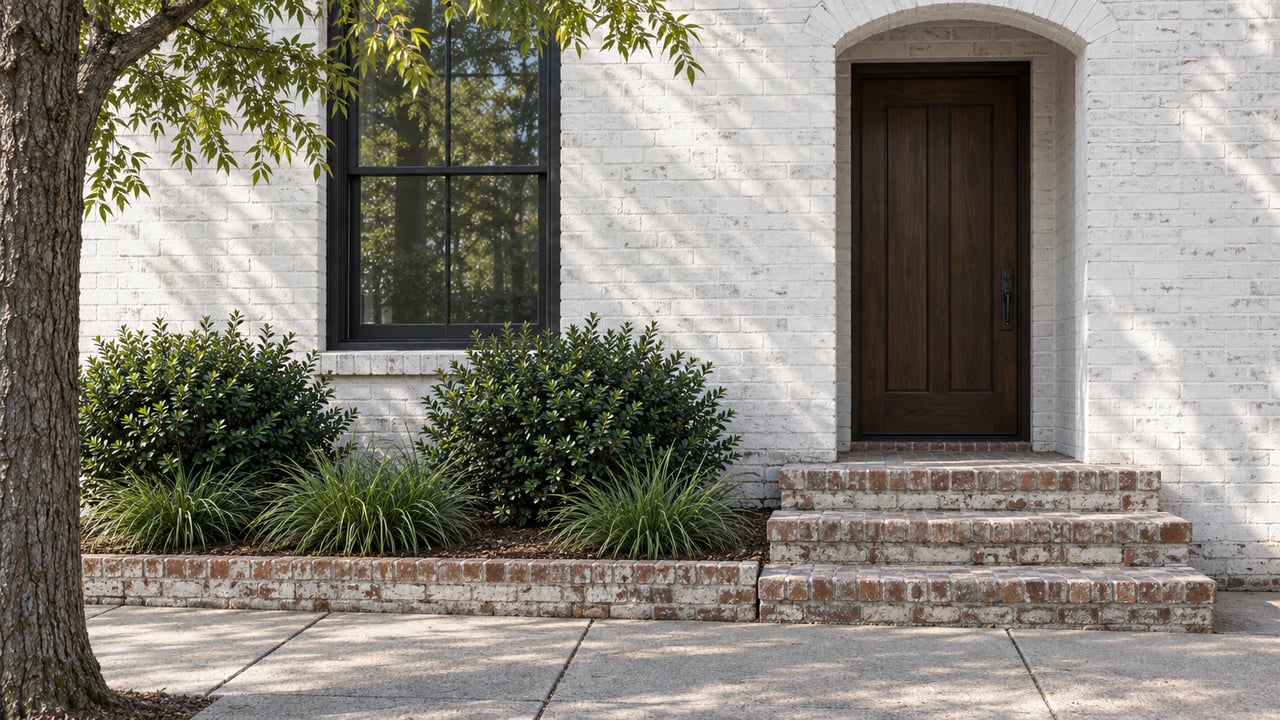
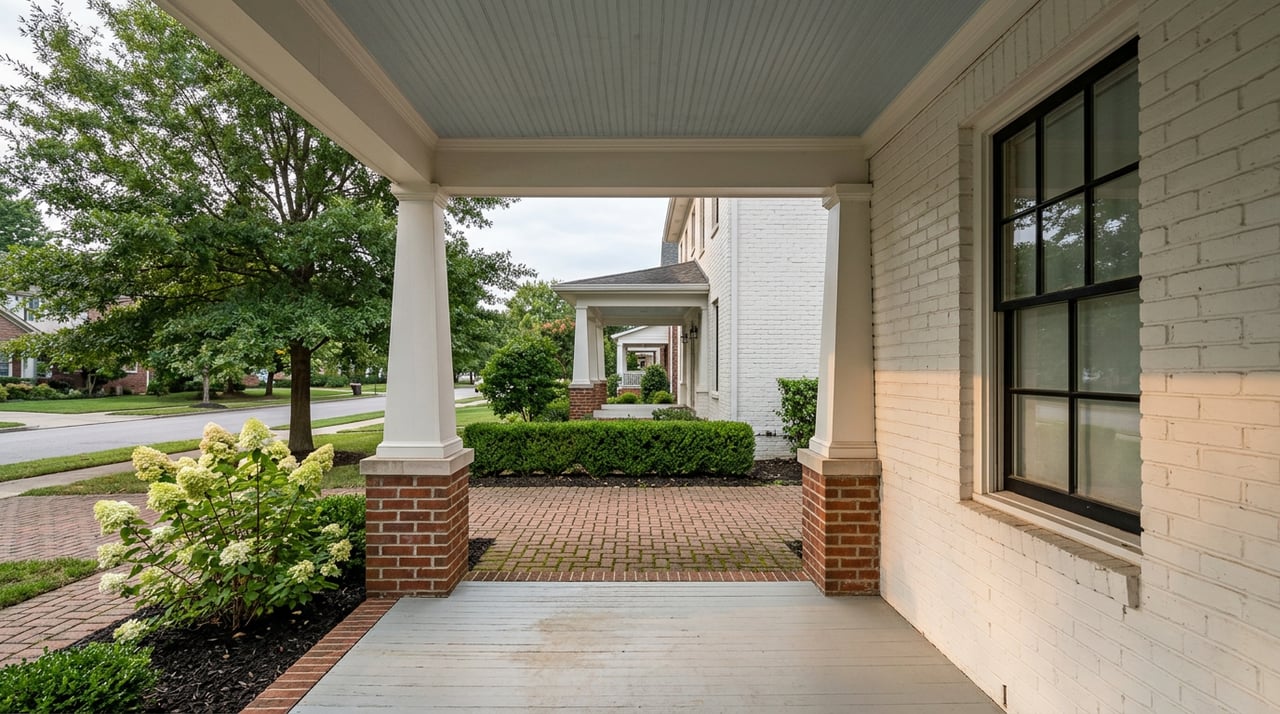
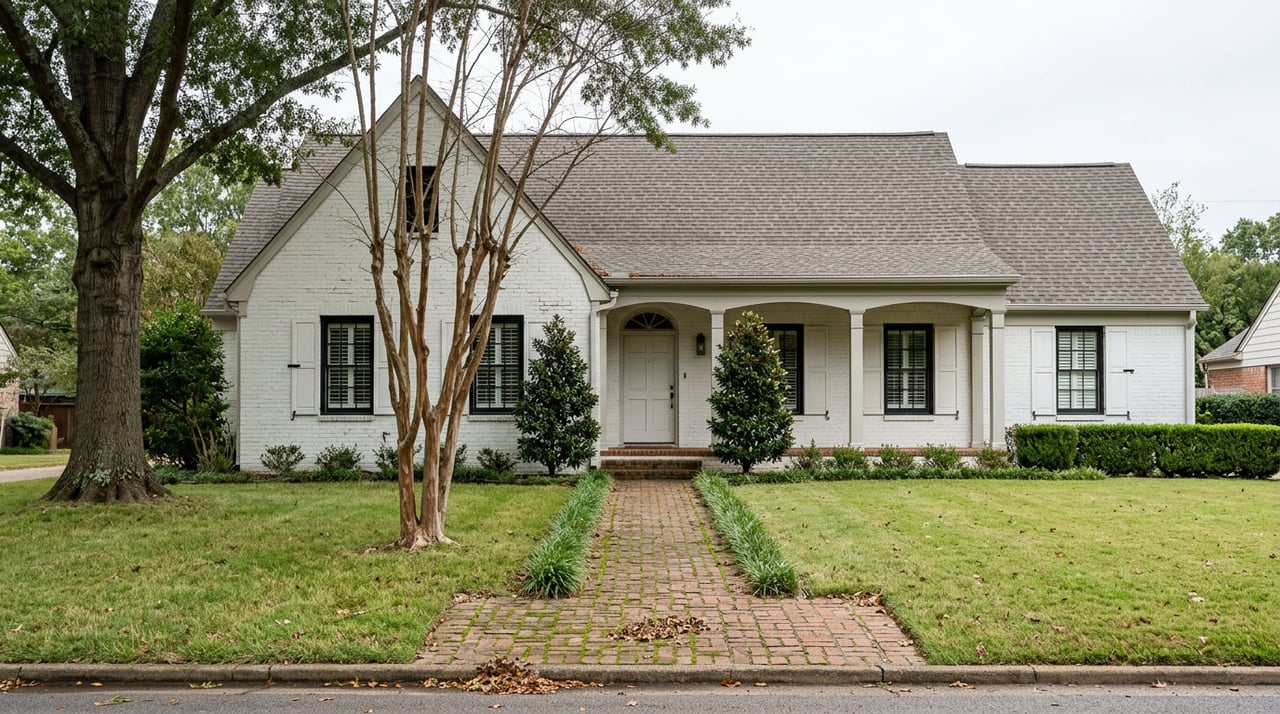
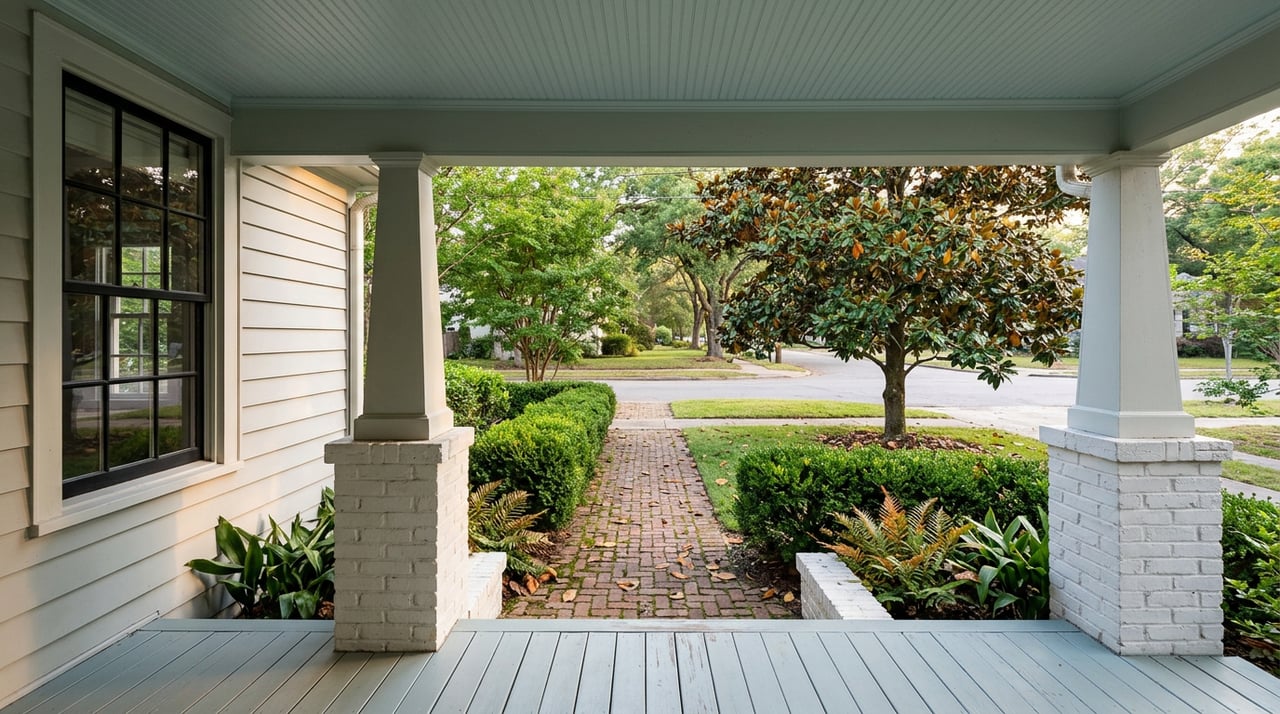
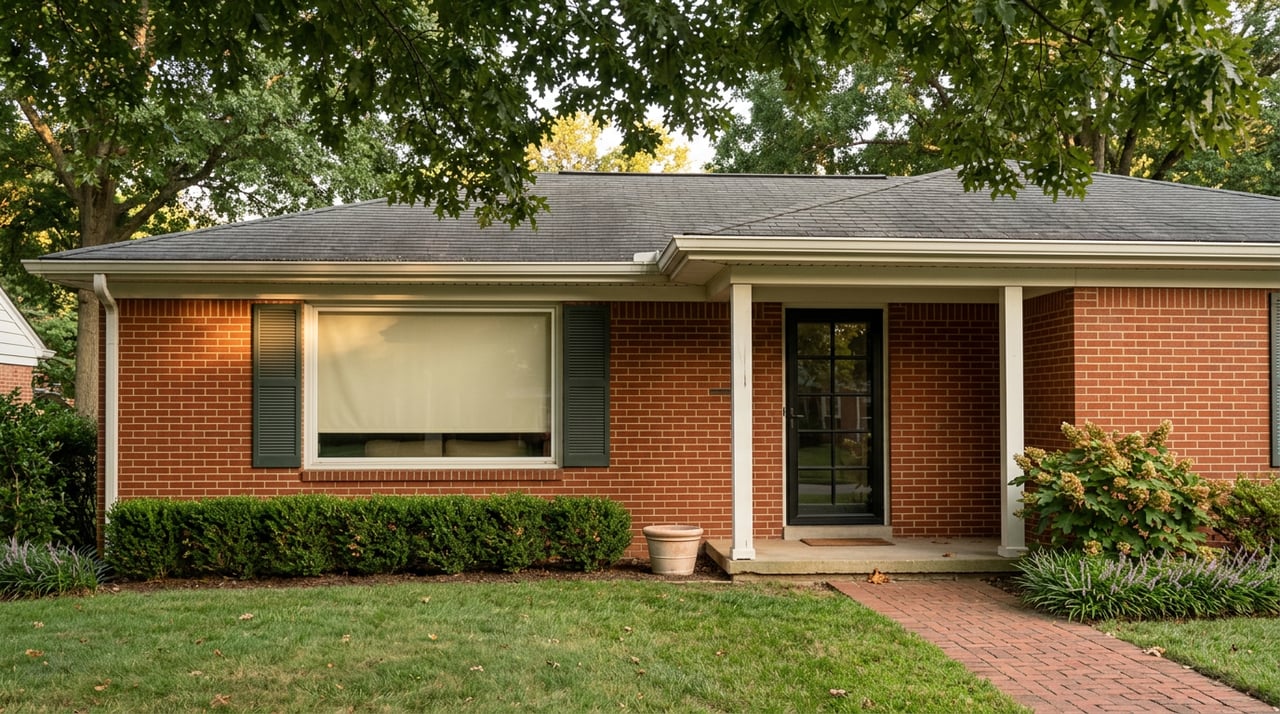
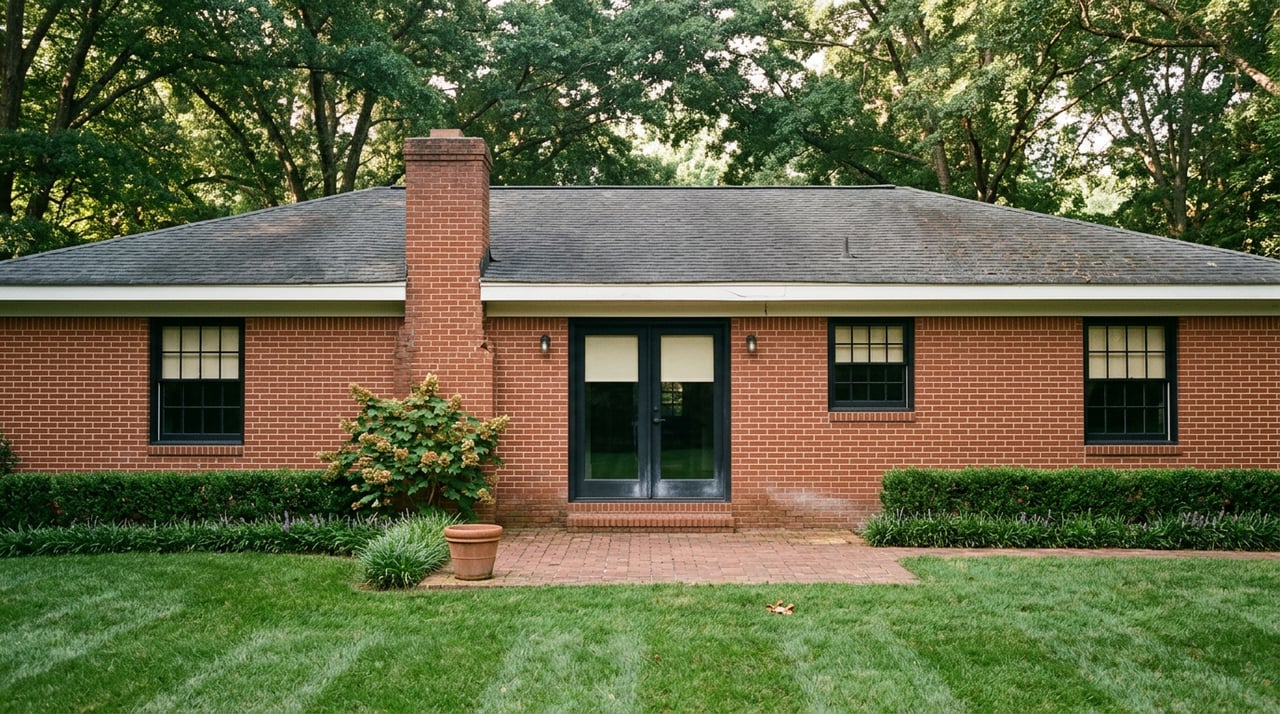
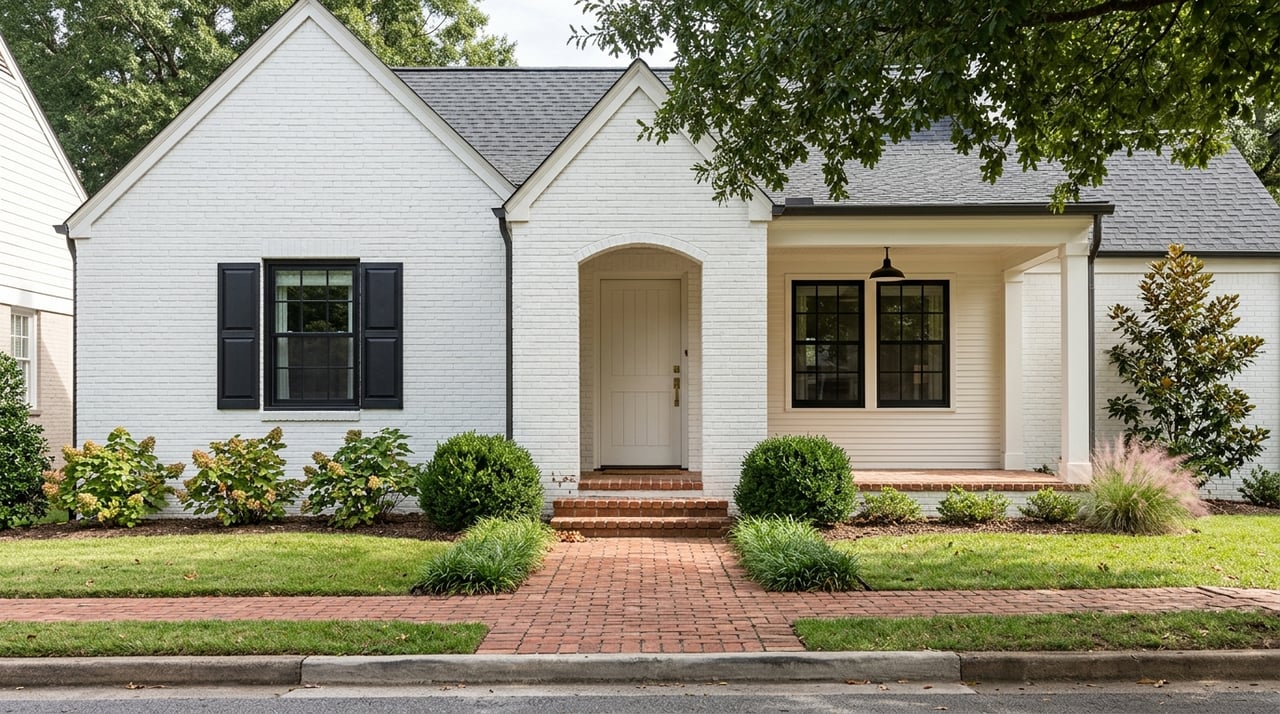
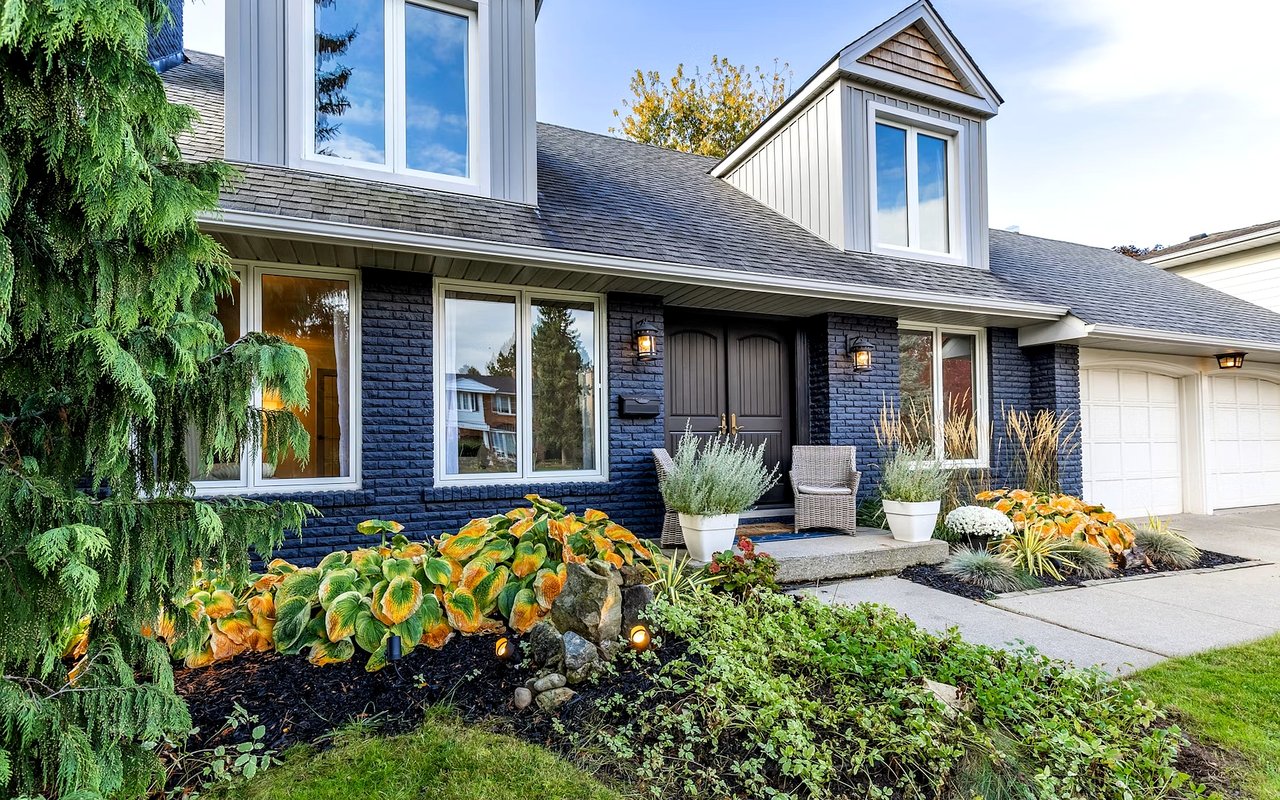
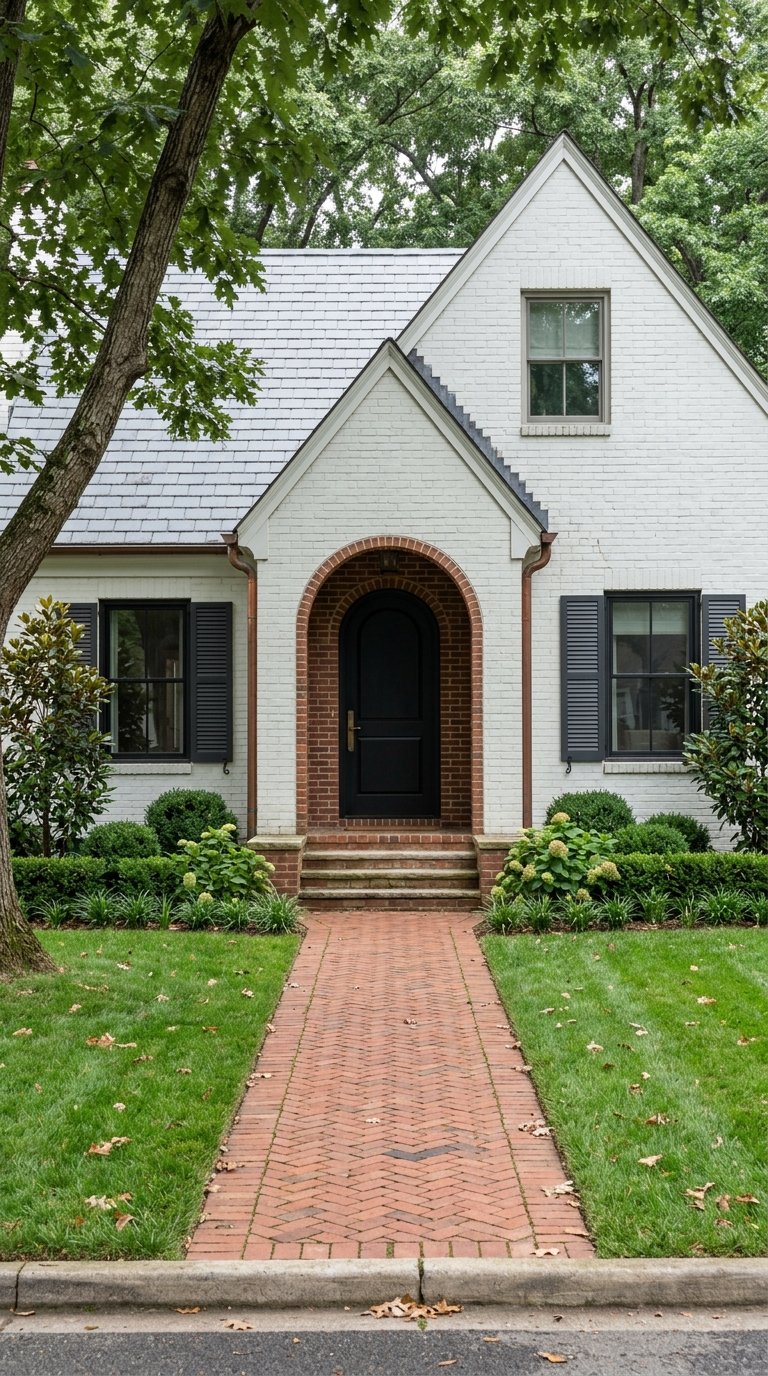
One of Cotswold’s biggest strengths is that it does not force you into one narrow housing type. The Charlotte architectural survey identifies Cotswold Homes as a 1954 and 1959 residential superblock development, which helps explain the neighborhood’s lasting mid-century, postwar feel.
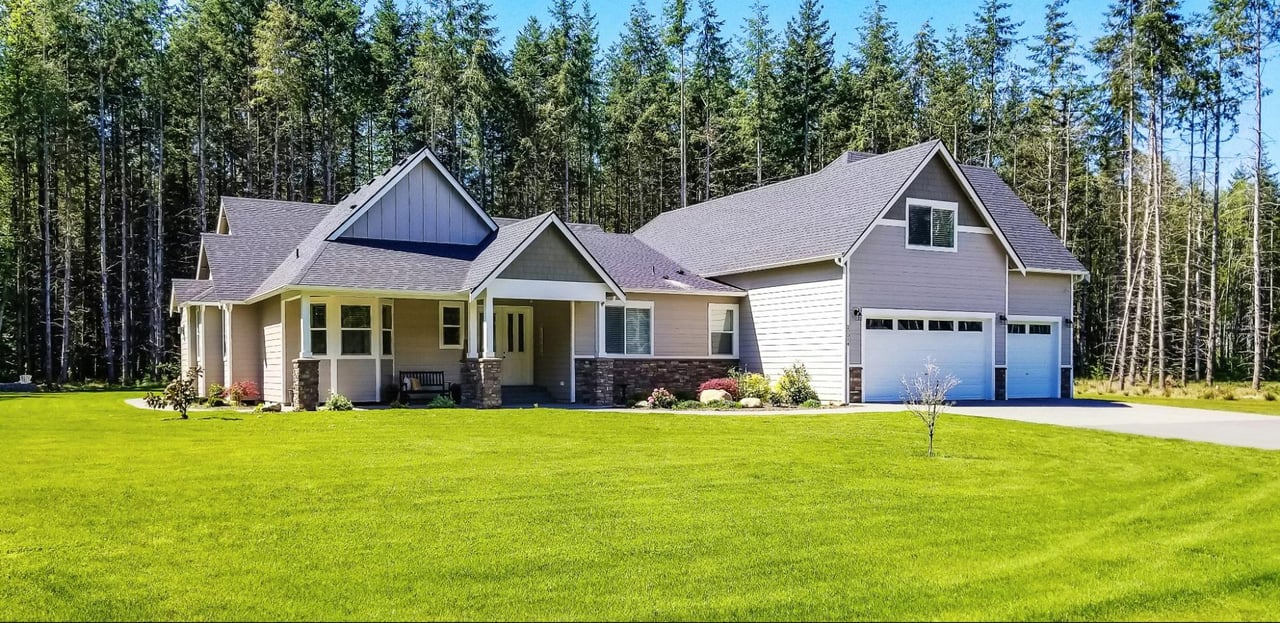
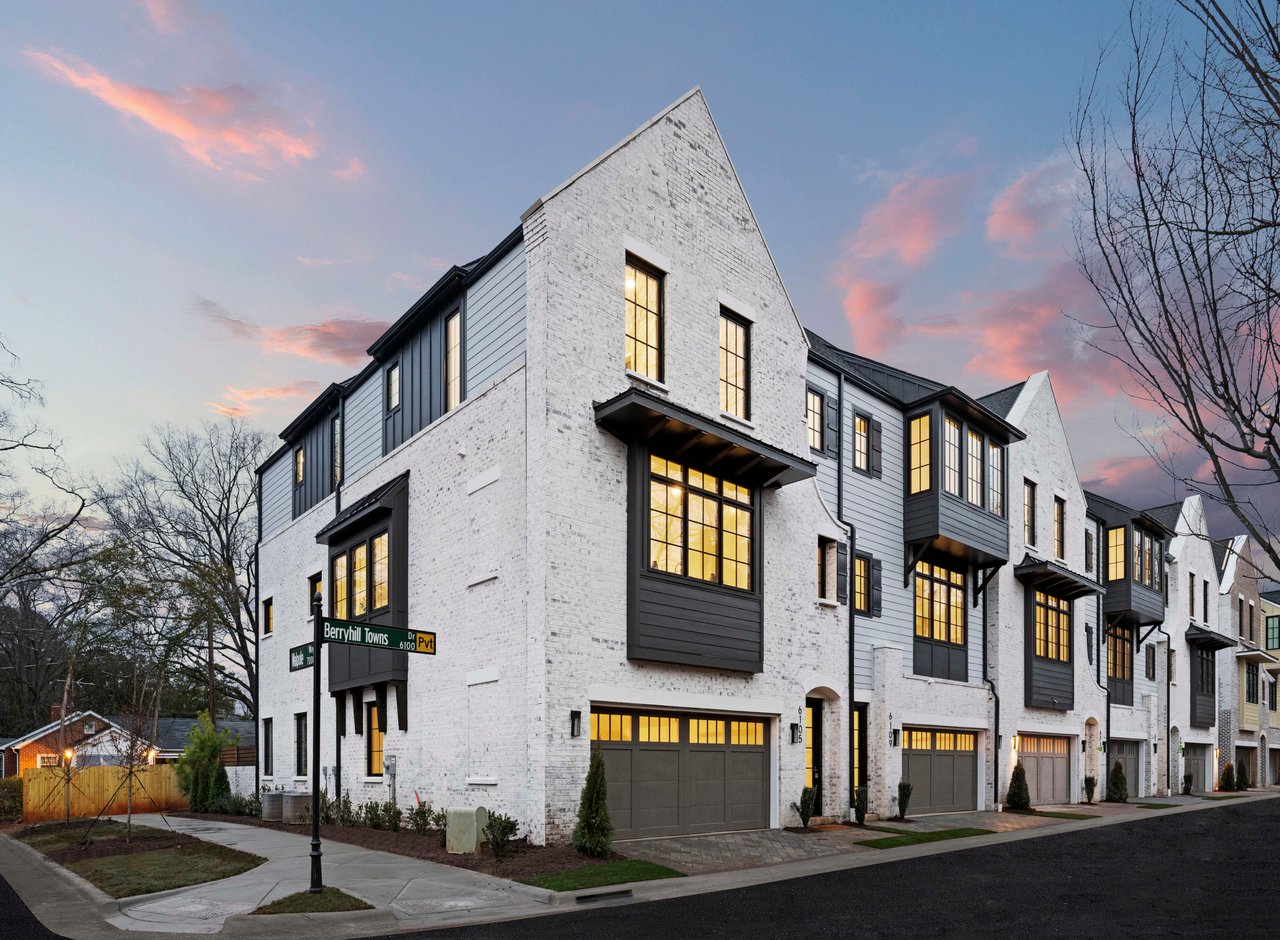
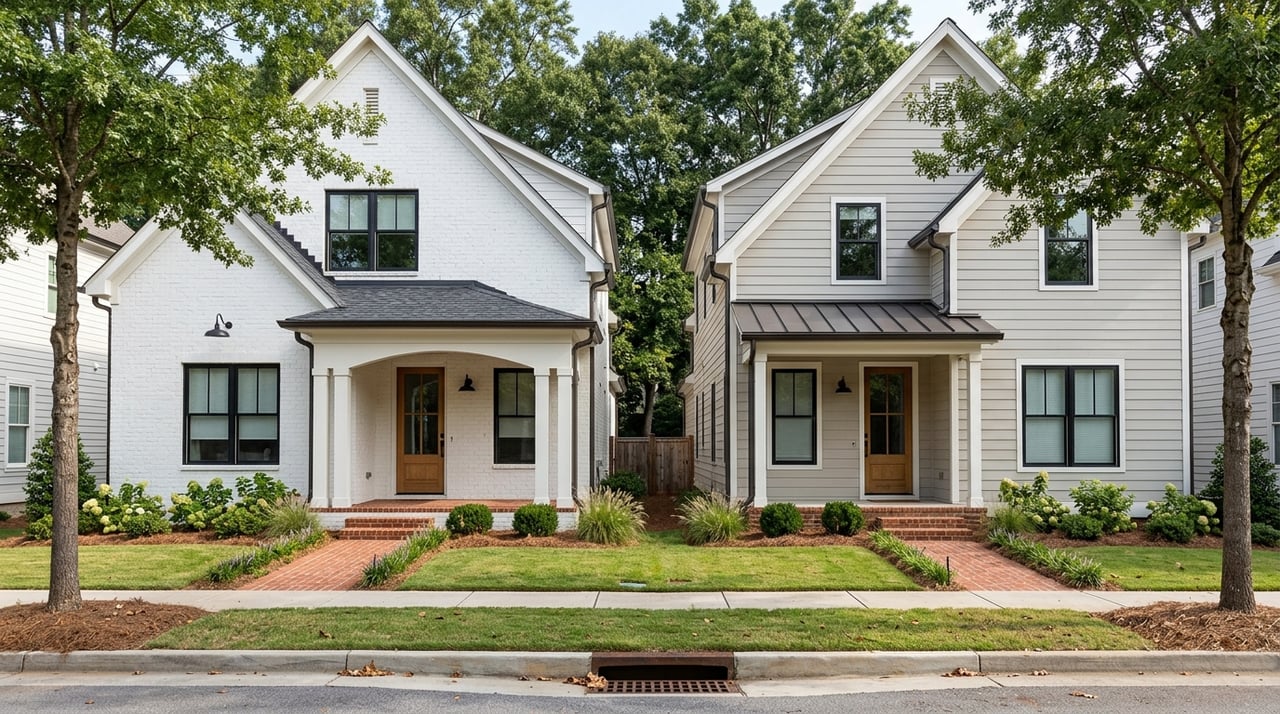
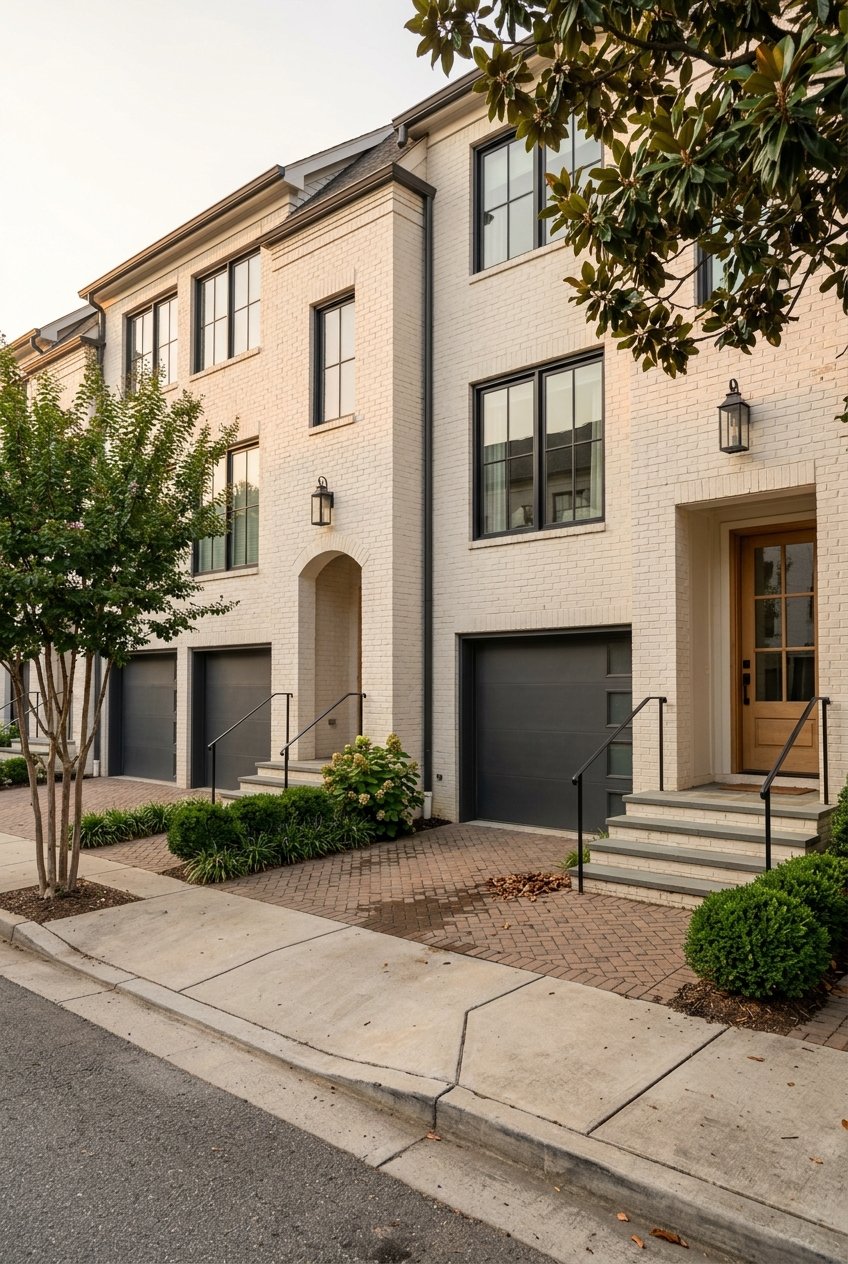
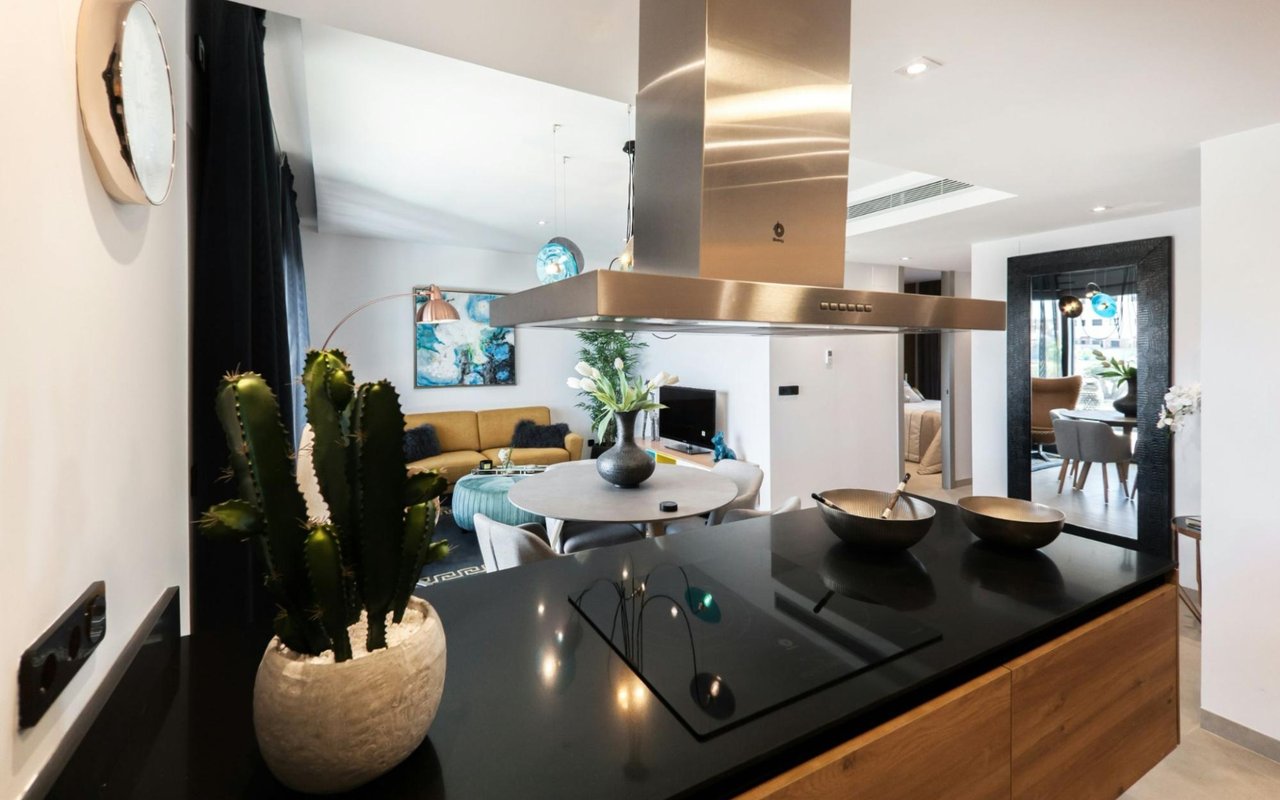
At the same time, today’s inventory is more varied than that history alone might suggest. Current listing data shows houses, condos, townhouses, and even a multifamily unit in the mix. For you as a buyer, that creates more entry points than in neighborhoods where the housing stock is more uniform.
Expect a blend of old and new
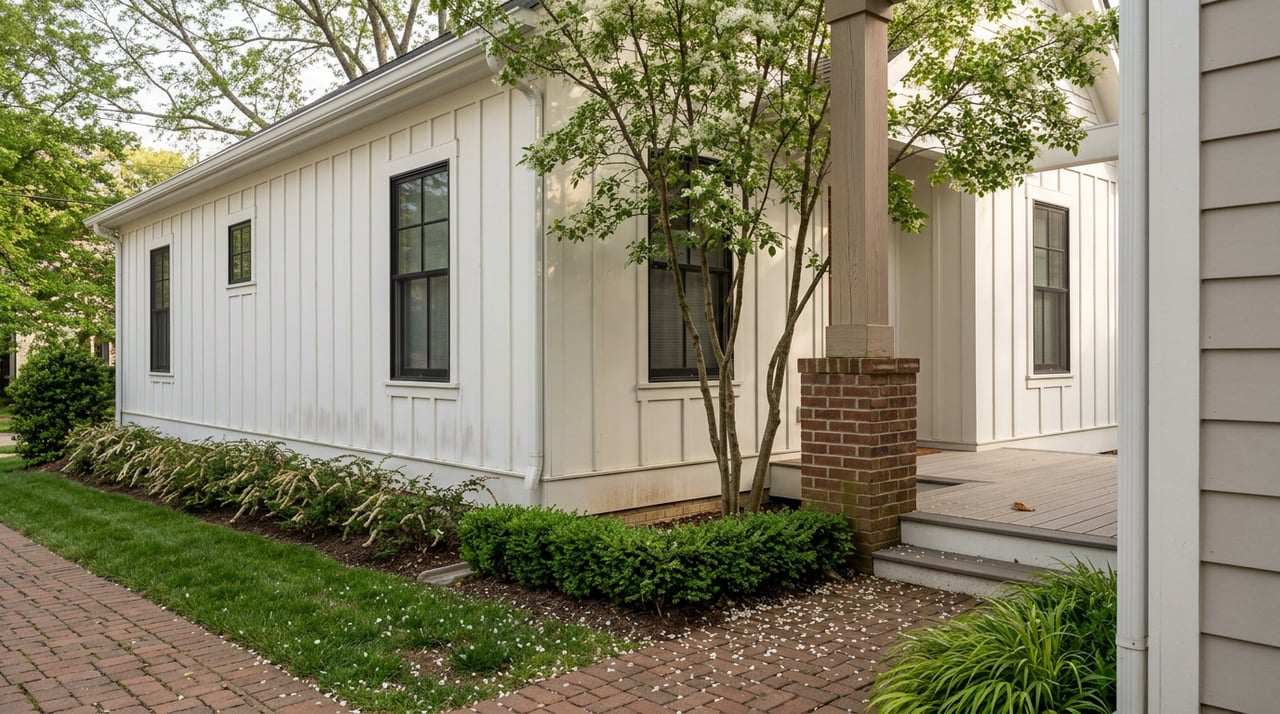
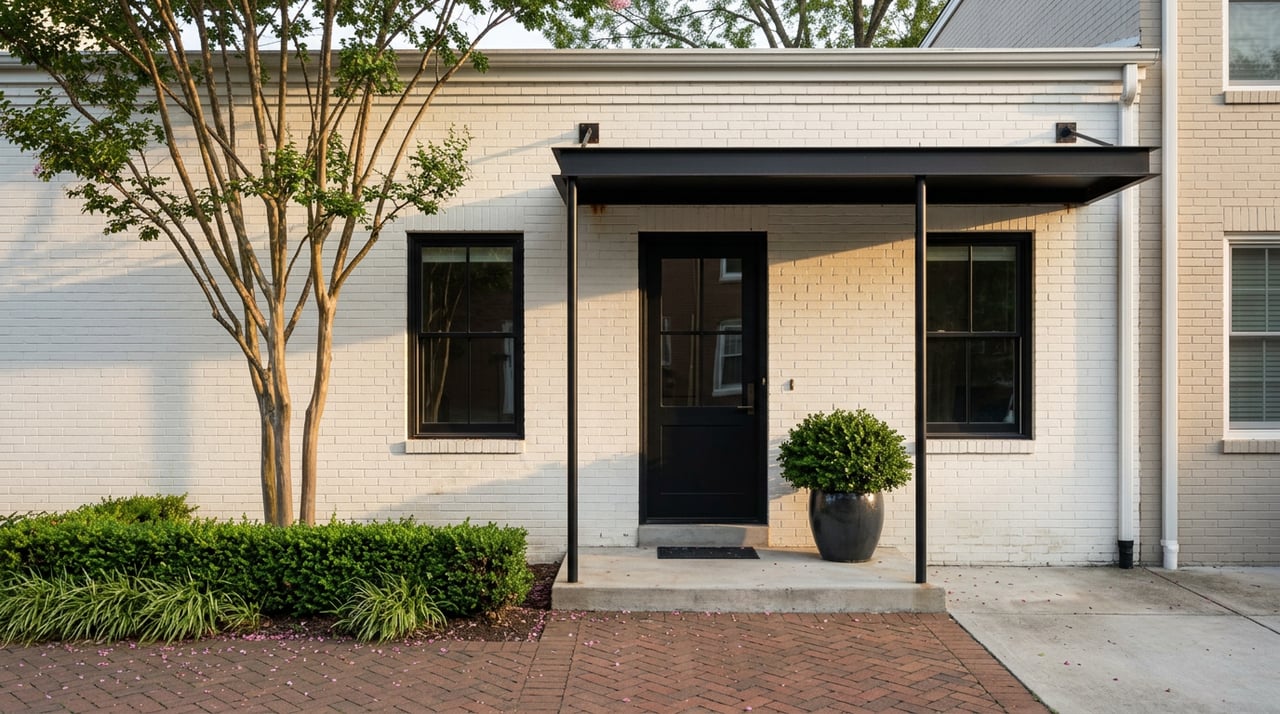
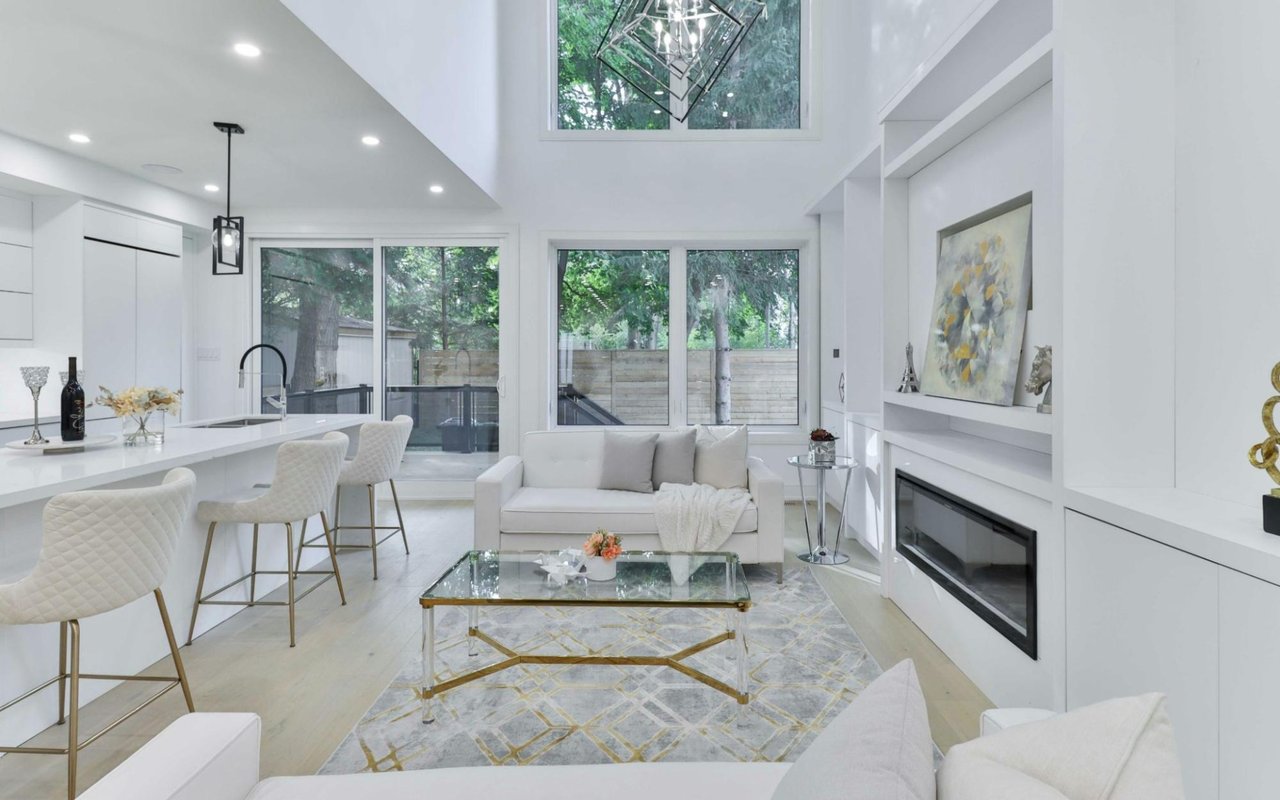
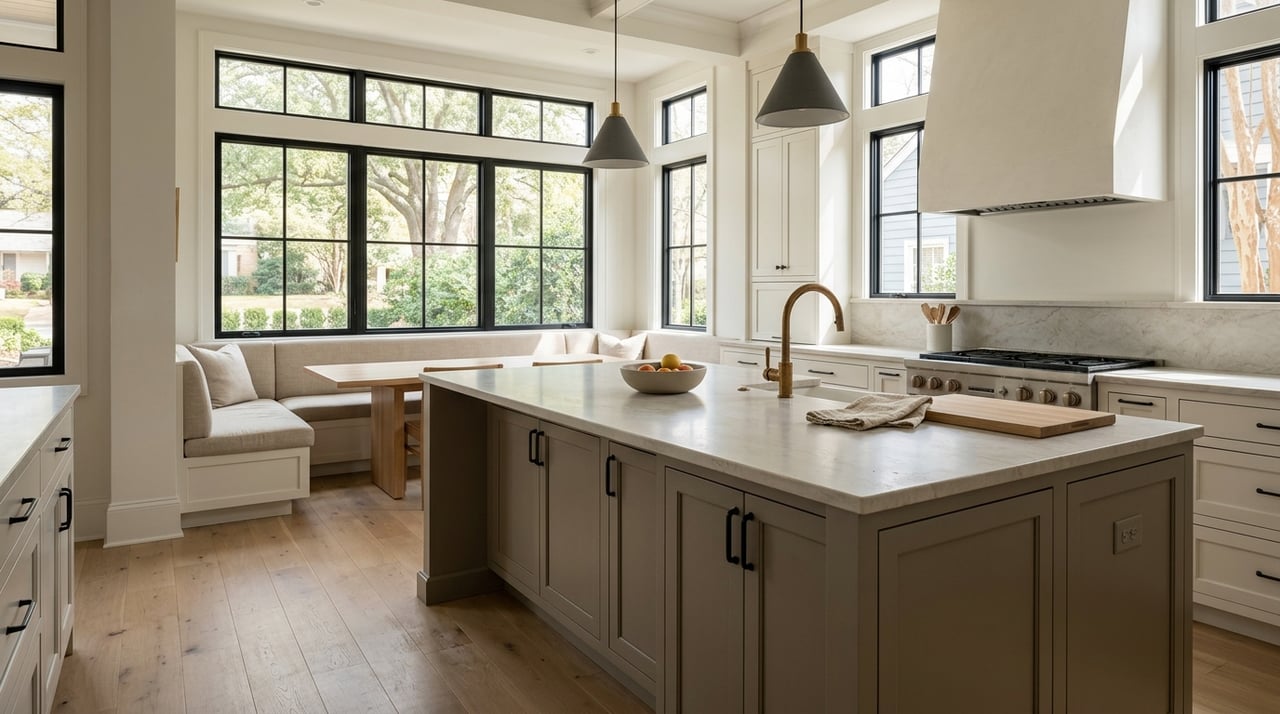
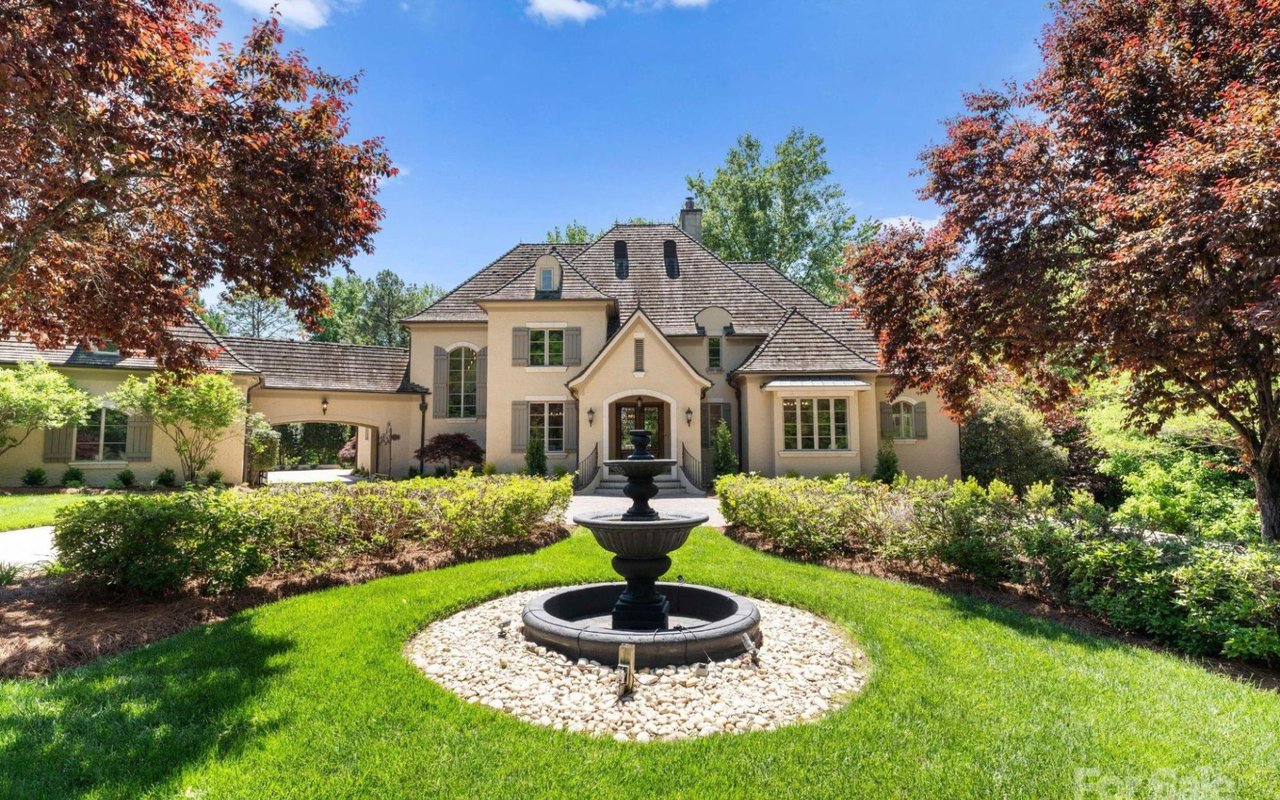
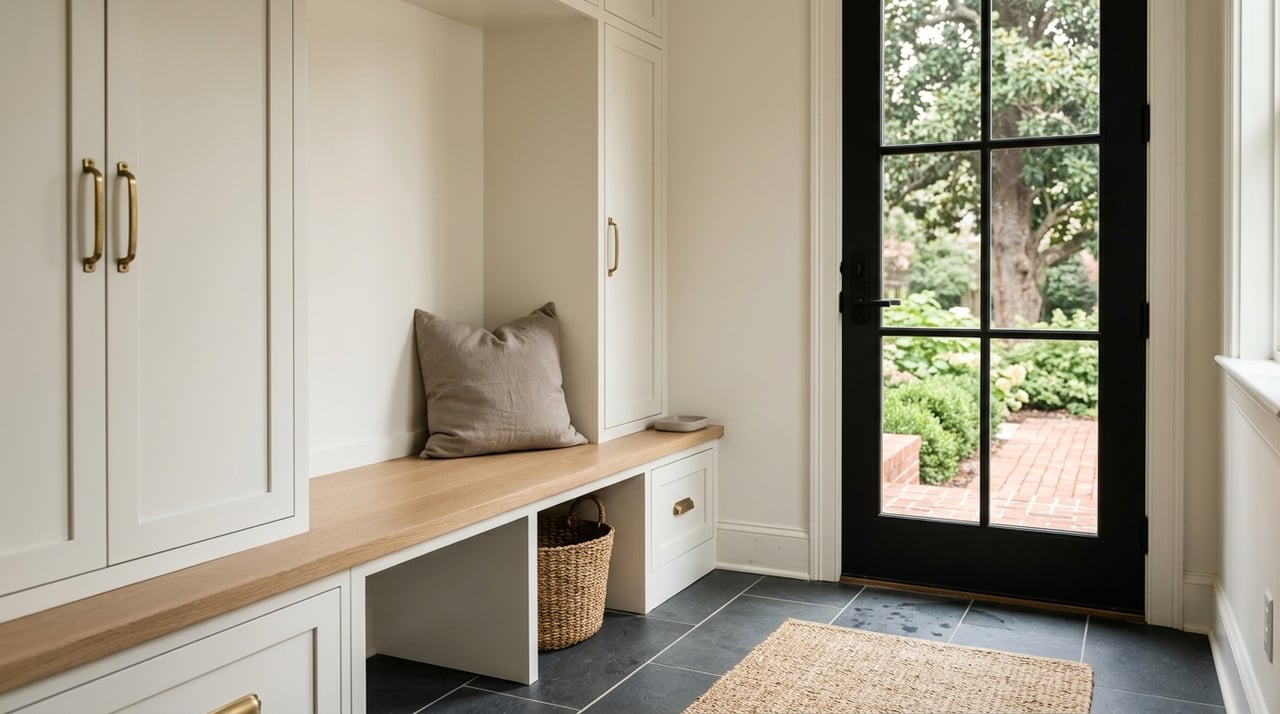
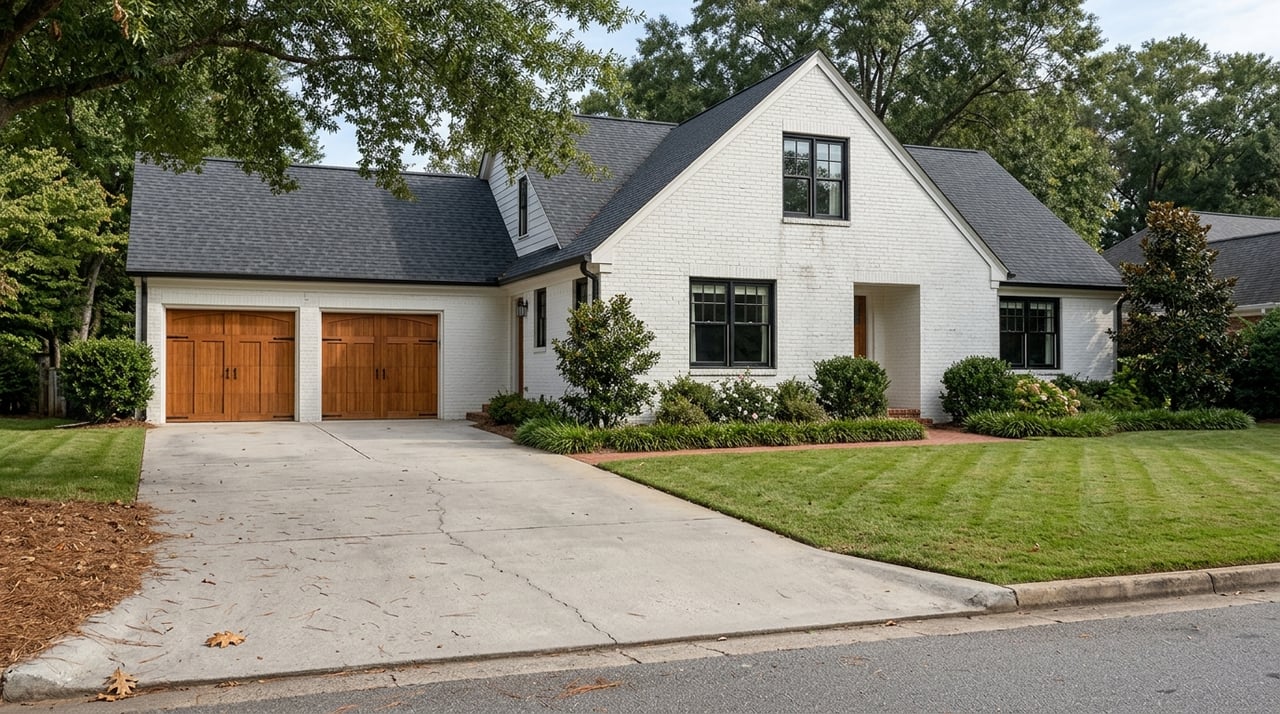
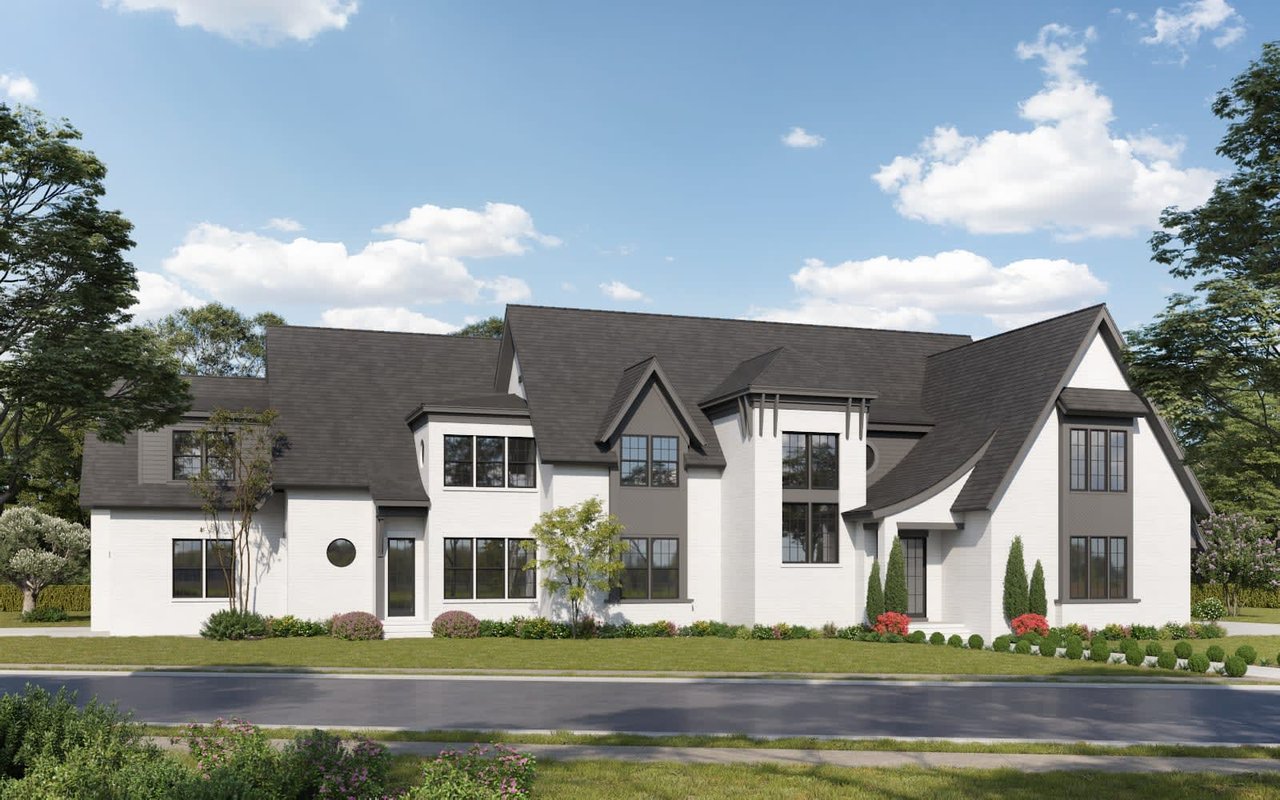
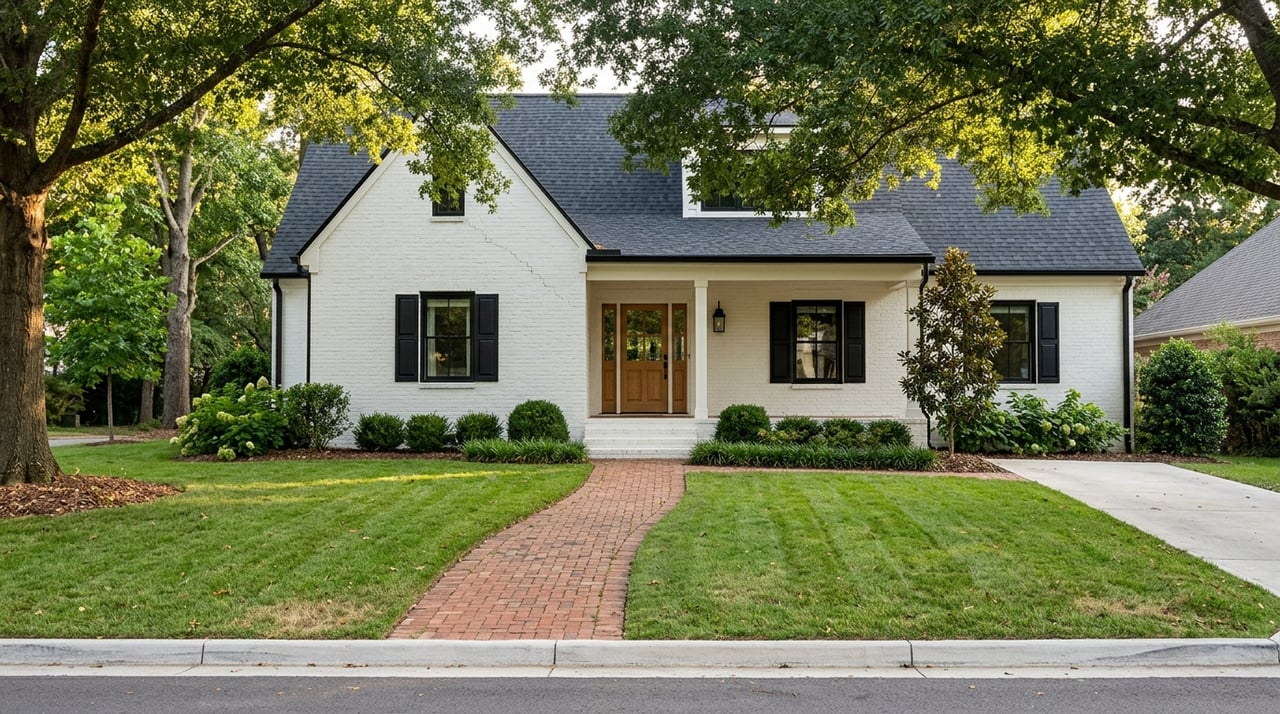
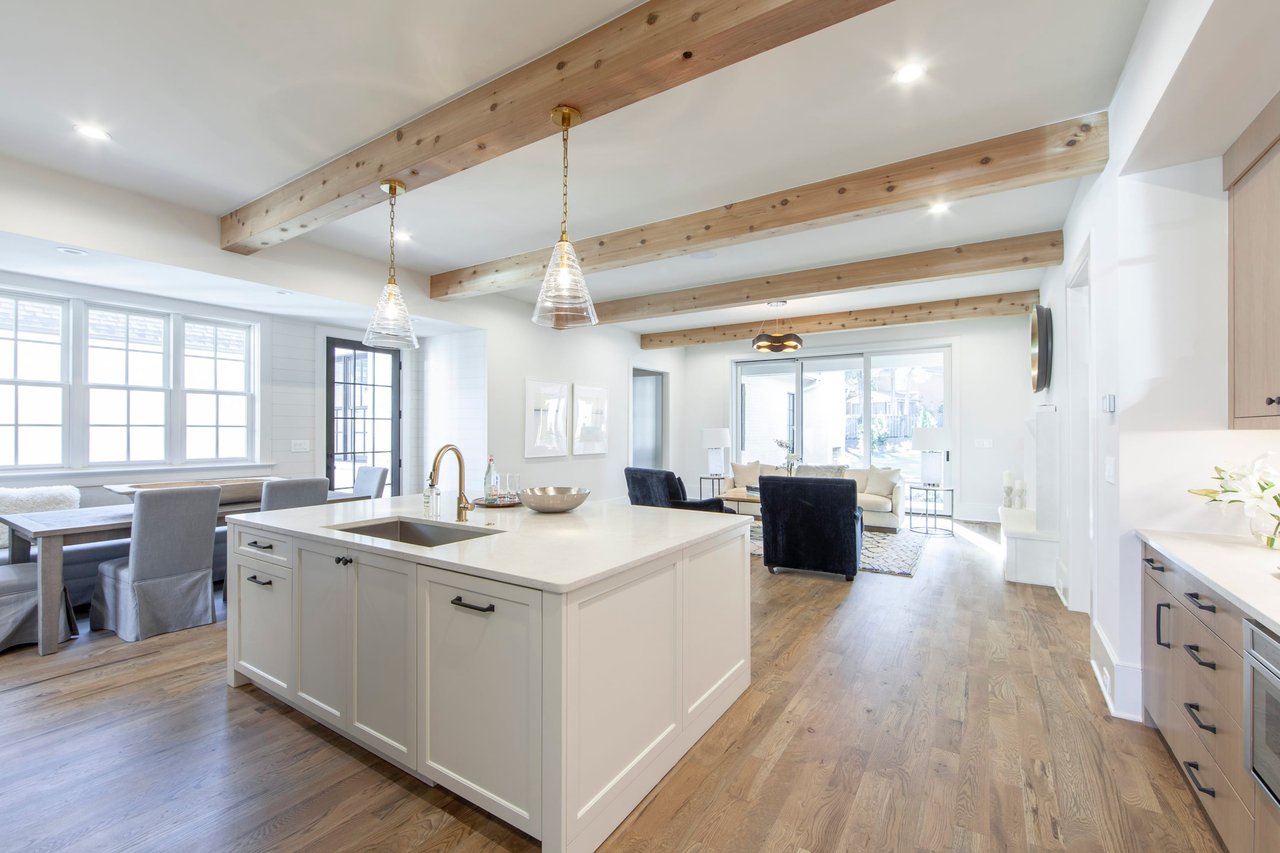
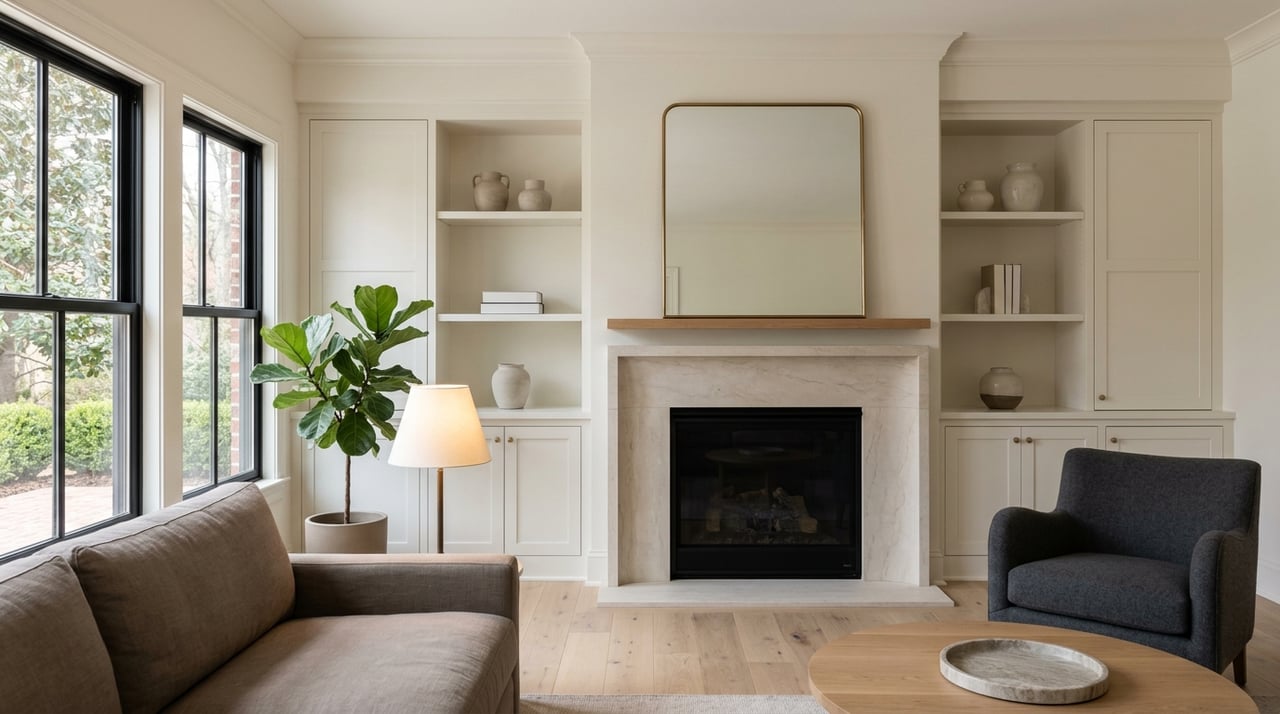
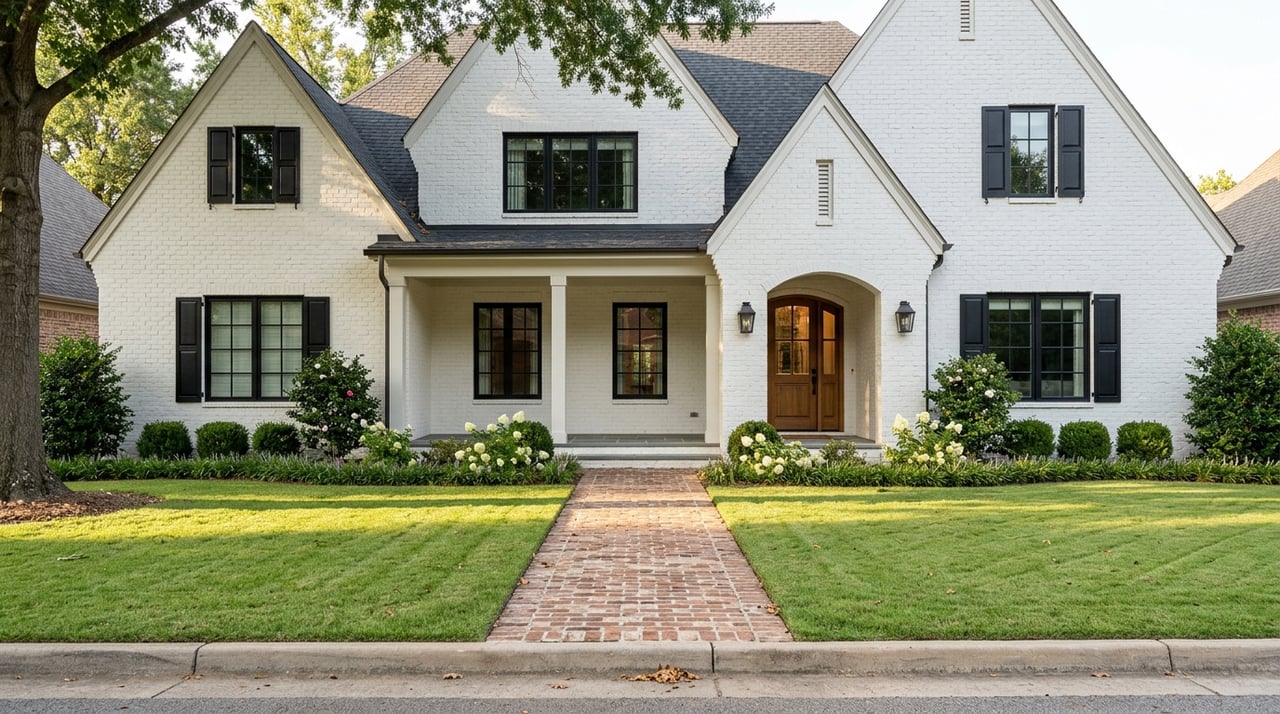
In practical terms, Cotswold can offer older smaller homes, updated mid-century properties, and higher-end renovated or newly built homes. That mix gives the neighborhood a layered feel. Some streets read more classic and established, while others reflect infill, renovation, or newer product entering the market.
For move-up buyers and relocation buyers, that can be a real advantage. You may be able to choose between charm, scale, newer finishes, or lower-maintenance living without leaving the neighborhood entirely.
What the Prices Suggest
Cotswold does not sit in one simple price band. Different data sources show very different numbers because they measure different things. Zillow puts the average Cotswold home value at $706,650, Redfin shows a median sale price of $569,304 over the last three months, and Realtor.com reports a median listing price of $1.099 million.
Rather than treat those figures as conflicting, it helps to read them as evidence of range. They point to a neighborhood where smaller or older homes can sit alongside substantially more expensive renovated or newly built homes. If you are searching in Cotswold, it is smart to define whether you are targeting original housing stock, updated resale, townhome-style living, or newer construction, because your price expectations may change quickly.
Who Cotswold Often Fits Best
Cotswold tends to make the most sense for buyers who want in-town access and daily convenience, but do not need a highly walkable or historic-district setting. It can be especially appealing if you want a residential feel with easier access to shopping and major roads than some purely residential neighborhoods offer.
You may want to look more closely at Cotswold if you are:
- Moving up and want more home options in an established area
- Relocating and want a neighborhood that feels easier to navigate day to day
- Looking for a mix of resale, renovated, and newer housing possibilities
- Comfortable with a car-dependent lifestyle for many errands
- Comparing several in-town Charlotte neighborhoods and want a middle ground
How Cotswold Compares Nearby
Many buyers compare Cotswold with Myers Park and Elizabeth, and that is a useful exercise because each neighborhood offers a different version of in-town living.
Cotswold vs. Myers Park
Myers Park is the better-known choice for buyers who want an older, more formally planned neighborhood with a strong architectural identity. According to the National Park Service nomination, Myers Park began in 1911 as Charlotte’s premier streetcar suburb and features Colonial Revival, Bungalow, and Tudor Revival styles.
Compared with Myers Park, Cotswold is less historically uniform and less defined by one formal planning legacy. If you want an established neighborhood but do not need that specific historic character, Cotswold may feel more flexible and accessible.
Cotswold vs. Elizabeth
Elizabeth is often the better comparison for buyers who want a more urban edge. The city’s historic-district report describes Elizabeth as Charlotte’s second streetcar suburb, with strong bungalow and Craftsman character and increasing redevelopment pressure due to its convenient location to center city.
Compared with Elizabeth, Cotswold generally feels less old, less urban-intense, and less centered on bungalow-era identity. If you like being in town but prefer a more residential rhythm and a broader housing mix, Cotswold may feel like the more balanced option.
The middle-ground appeal
Taken together, Cotswold sits between those two models. It is less walkable and less historically formal than Myers Park, and less urban-facing than Elizabeth. But it is also more convenience-driven than many neighborhoods that are mostly residential without a strong shopping anchor nearby.
For many buyers, that middle-ground position is exactly the point. You get an established Charlotte setting, practical access to daily needs, and a wider spread of home types and price points than some of the city’s more tightly defined neighborhoods.
Questions to Ask Yourself Before Choosing Cotswold
Before you decide that Cotswold is the right next neighborhood for you, it helps to pressure-test the fit. The answer often comes down less to whether the neighborhood is “good” and more to whether it matches how you actually want to live.
Ask yourself:
- Do you want in-town access more than true walkability?
- Are you open to a neighborhood with varied home styles and values?
- Would nearby retail and errands improve your day-to-day routine?
- Are you comfortable sorting through a wide price range as you search?
- Do you prefer an established area without requiring a formal historic-district feel?
If your answers lean yes, Cotswold deserves a serious look.
Why Local Guidance Matters in Cotswold
Cotswold is one of those Charlotte neighborhoods where surface-level impressions can be misleading. A broad price range, mixed housing stock, and evolving pockets of renovation and new construction mean two homes a short distance apart can offer very different value propositions.
That is where neighborhood-level advice matters. If you are comparing original homes, renovated resales, luxury infill, or low-maintenance alternatives like townhomes, you need more than a map search. You need context around inventory, street-by-street feel, and how the neighborhood fits your goals now and later.
If you are weighing Cotswold against other in-town Charlotte options, Charlotte Living Realty Group can help you evaluate the neighborhood with a clearer strategy and a more informed eye.
FAQs
Is Cotswold in Charlotte a walkable neighborhood?
- Cotswold is considered minimally walkable, with a Walk Score of 31, so you can handle some errands nearby but will likely rely on a car for much of daily life.
What types of homes are available in Cotswold?
- Cotswold includes a base of mid-century single-family homes along with condos, townhouses, and newer or renovated homes.
How much do homes in Cotswold cost?
- Pricing varies widely by property type and condition, with reported figures including an average home value of $706,650, a recent median sale price of $569,304, and a median listing price of $1.099 million.
How does Cotswold compare with Myers Park?
- Cotswold is generally less historically uniform and less formally planned than Myers Park, while still offering an established in-town setting.
How does Cotswold compare with Elizabeth?
- Cotswold is typically less urban-facing and less tied to older bungalow-era housing than Elizabeth, with a more convenience-oriented everyday feel.
What makes Cotswold appealing to relocation or move-up buyers?
- Cotswold often appeals to relocation and move-up buyers because it combines in-town access, practical shopping and service convenience, and a mix of home types rather than one narrow housing category.