If you are thinking about buying a townhome or condo in South End, you are not just choosing a floor plan. You are choosing a building, an HOA, a parking setup, and a daily routine shaped by transit, trail access, and ongoing growth. In a neighborhood this dynamic, the details matter, and understanding them upfront can help you buy with more confidence. Let’s dive in.
Why South End feels different
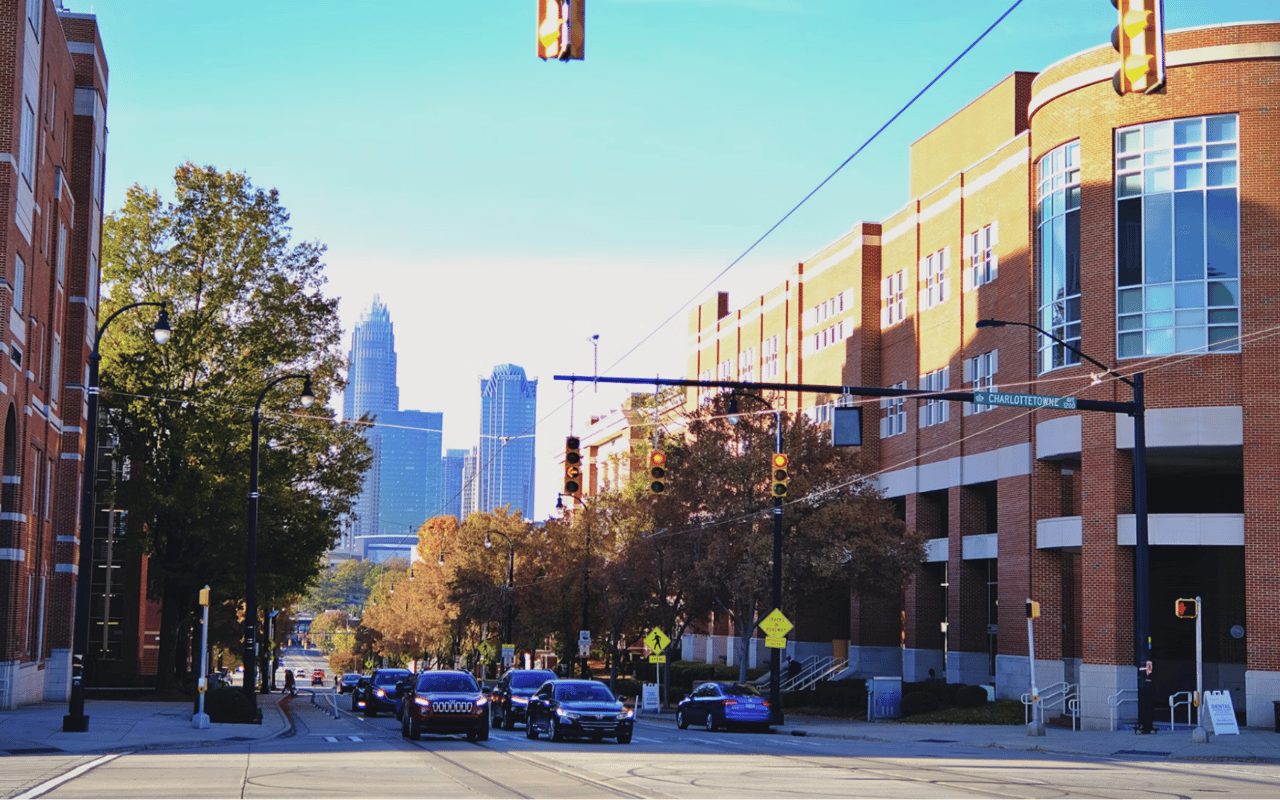
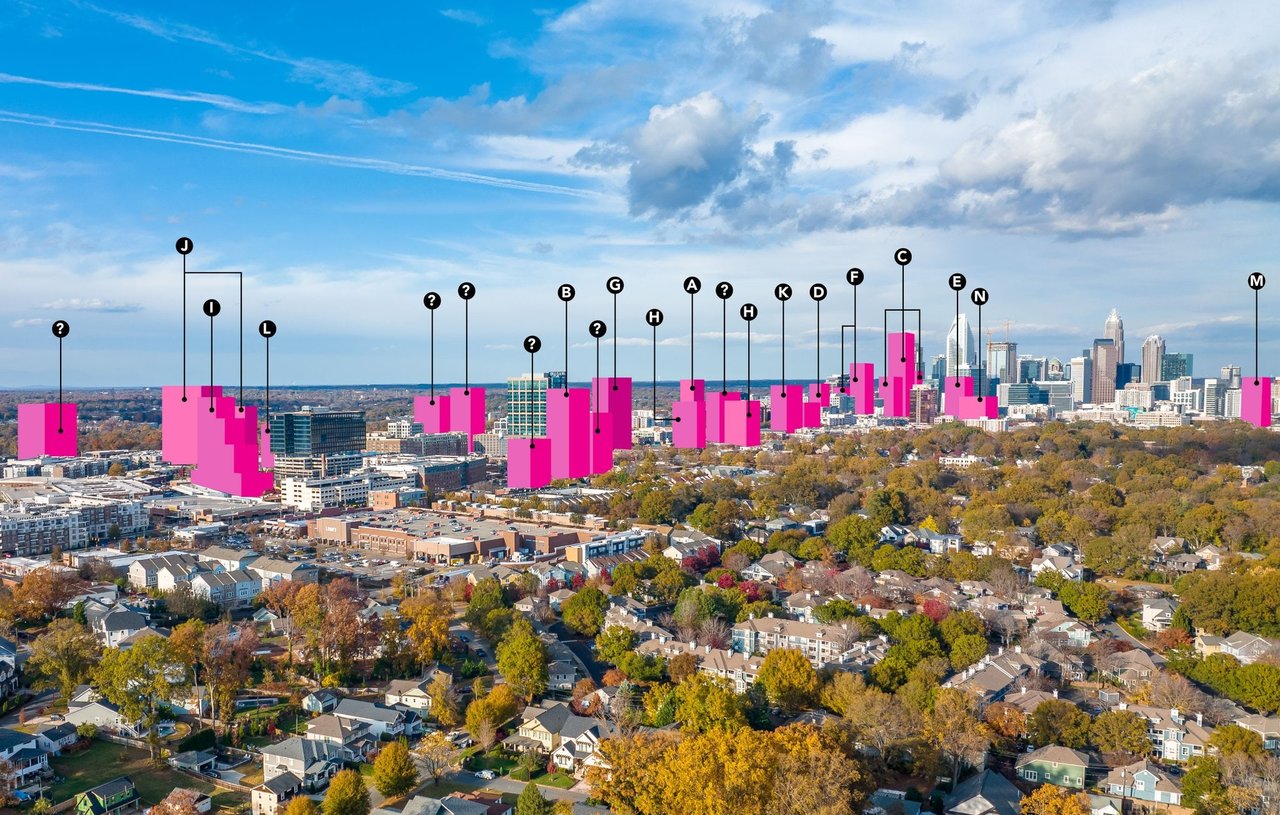
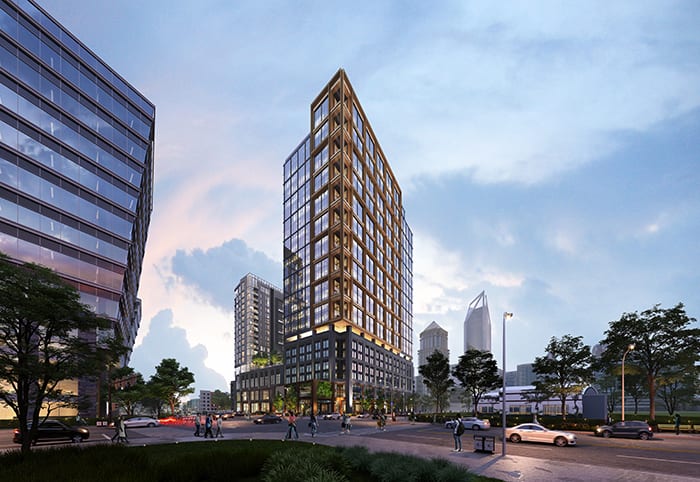
South End sits just south of Uptown and has changed dramatically from its industrial roots of freight lines, textile factories, and warehouses. Today, it is a transit-oriented neighborhood with rehabbed historic structures alongside newer development that expanded after the Blue Line opened in 2007.
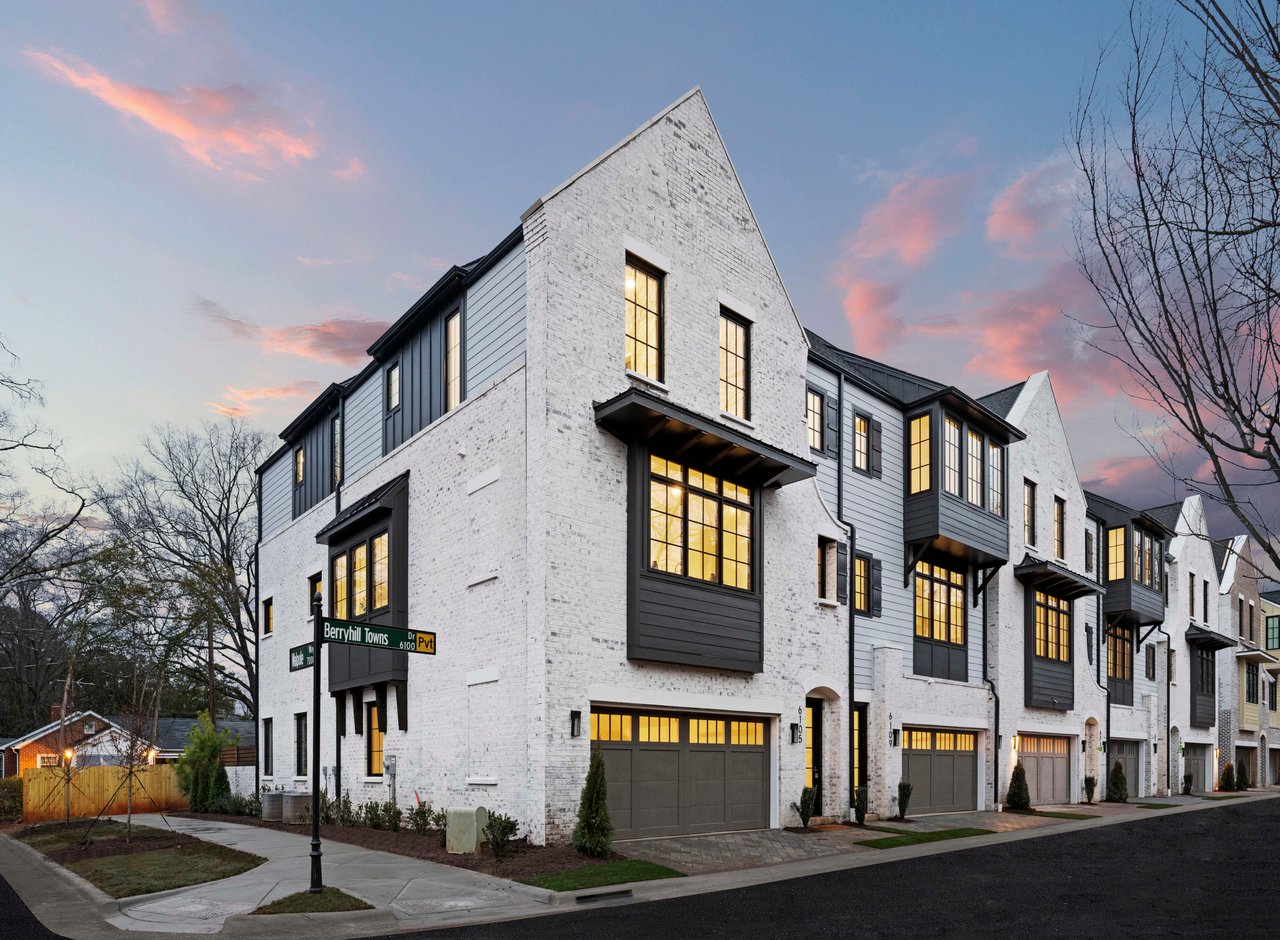
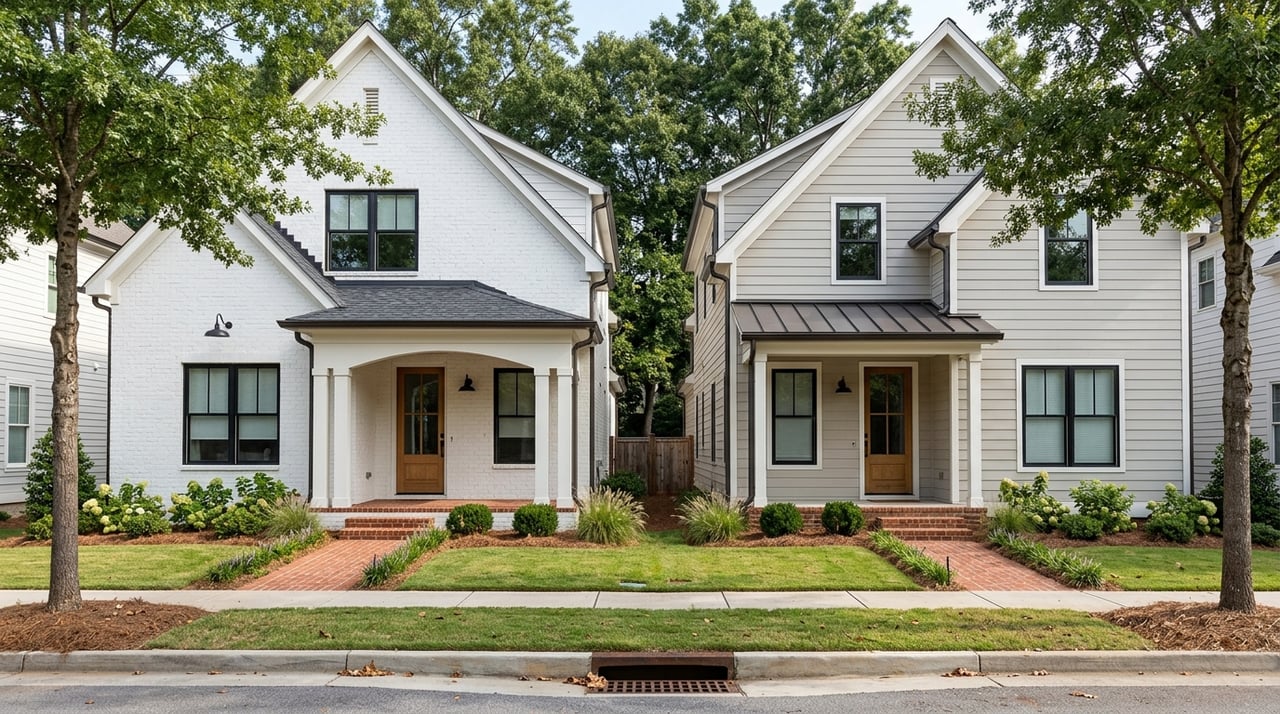
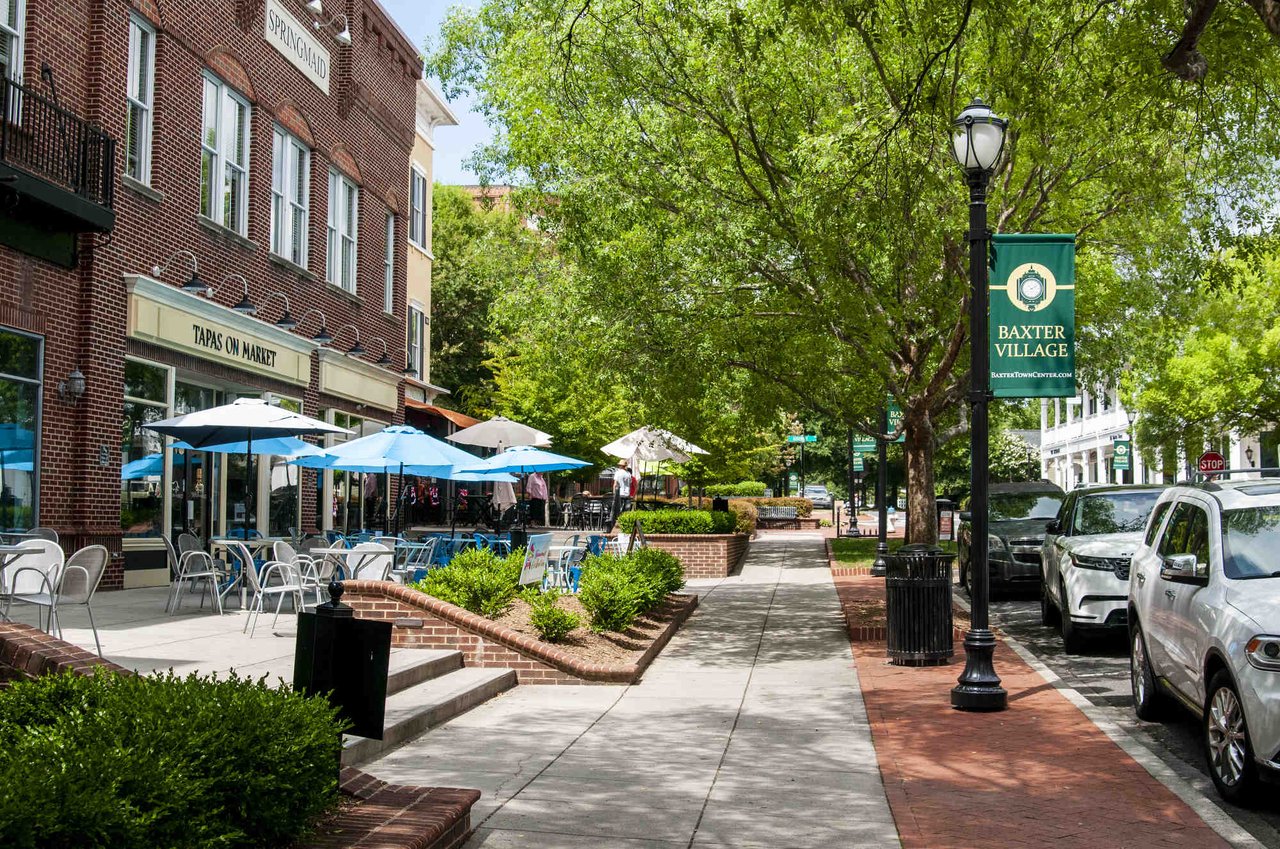
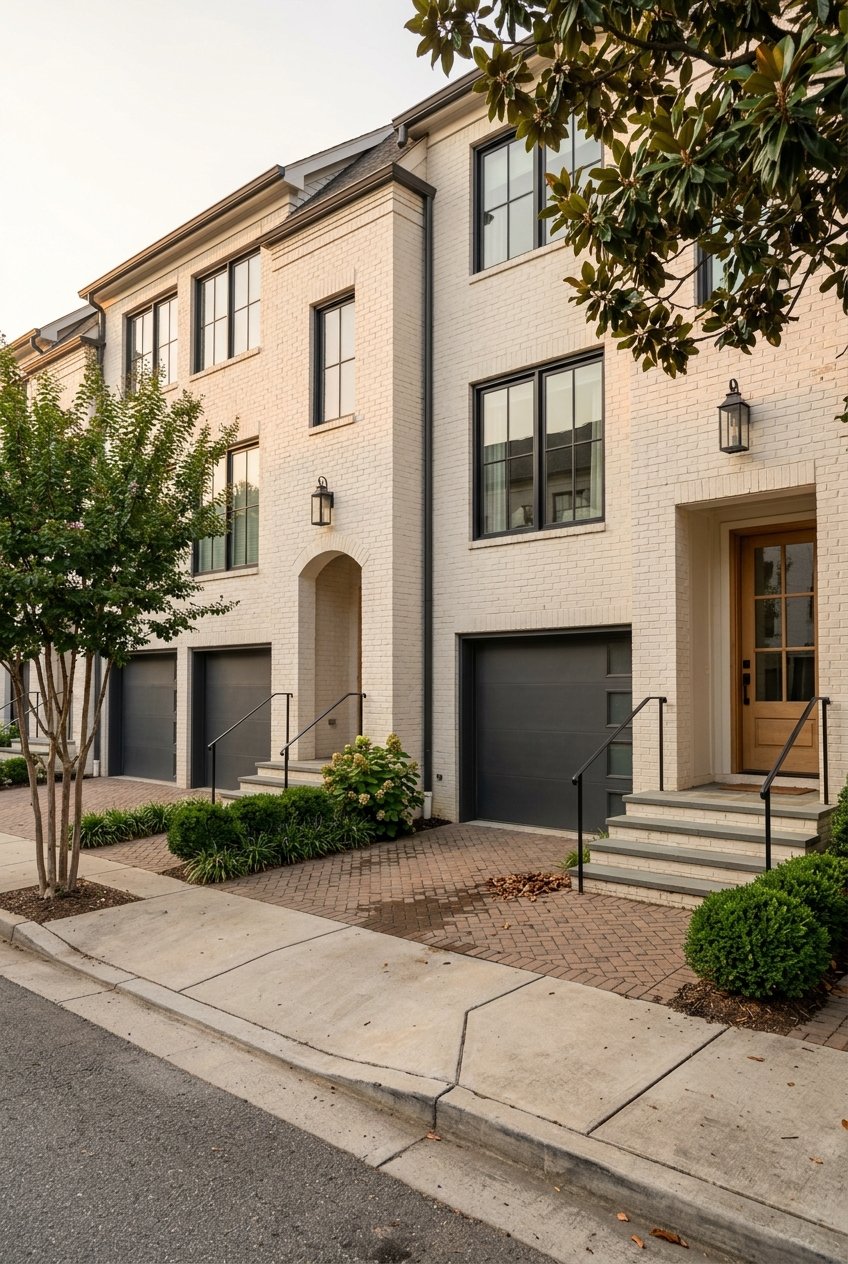
That history matters when you start comparing attached homes. South End does not offer one standard housing type. Instead, you will find a mix of condos, townhomes, and residential buildings woven into an active urban setting with retail, restaurants, coffee shops, breweries, public art, and access to the Rail Trail.
What South End’s housing mix means
In many suburban areas, attached-home options can feel fairly predictable. In South End, the housing stock is more varied because the neighborhood includes both older adapted properties and newer infill development.
That usually means you may see bigger differences from one community to the next in layout efficiency, parking, storage, and amenities. Two homes with similar square footage can live very differently depending on the building and how the community is set up.
Compare newer and older communities carefully
When you tour homes, look beyond finishes and staging. A newer building may offer a more modern layout or amenity package, while an older community may have a different character, updated systems, or a more established feel.
Here are a few items worth comparing closely:
- Building age and whether major systems have been updated
- Parking arrangement, such as deeded, assigned, leased, or first-come
- Reserve health and any history of special assessments
- Recent capital projects or deferred maintenance
- Noise exposure from South Boulevard, rail activity, nightlife, or nearby construction
- Whether the project is fully stabilized or still being completed in phases
HOA due diligence matters in North Carolina
If you buy an attached home in South End, you should expect association rules and fees to be part of the decision. In North Carolina, the Department of Justice advises buyers to ask whether there is an HOA, read the bylaws and covenants, understand the fees and how they can change, and ask neighbors about the board and property manager.
That is especially important in a neighborhood where buildings can vary so much. A polished lobby or rooftop terrace may catch your eye first, but the quality of the association can have just as much impact on your ownership experience.
What sellers typically disclose
For most residential sales in North Carolina, sellers are required to provide the Residential Property and Owners’ Association Disclosure Statement before an offer is made. That form addresses whether the property is governed by an association, the regular dues, services paid by those dues, and approved special assessments.
This gives you an important starting point, but it should not be the end of your review. You still want to understand the financial health and operating style of the community.
Condo buyers should review an extra layer
Condominiums come with additional disclosure requirements in North Carolina. For new condo sales, the state’s Condominium Act requires a public offering statement. In resale situations, disclosure includes monthly common expense assessments and other fees.
These materials can cover the condo description, budget, reserve information, common expenses, insurance, known lawsuits, and certain land-use requirements. If you are comparing multiple buildings in South End, these details can help you spot important differences that are not obvious during a quick showing.
Documents and questions to request
Before you move forward, ask for the core association documents and review them closely. You want to know not just what you are buying inside the unit, but what obligations and risks come with the community.
A practical checklist includes:
- Declaration, bylaws, rules, budget, and reserve study
- Current dues and any recent increases
- Special assessments, whether recent, active, or planned
- Rental caps and rules on leasing
- Pet rules, guest parking rules, and move-in fees
- Renovation approval requirements
- Association insurance coverage and deductibles
- Any pending litigation, major repairs, or deferred maintenance
Transit and trail access shape daily life
One of South End’s biggest draws is connectivity. For many buyers, access to the Blue Line and Rail Trail is not just a nice extra. It is part of the reason the neighborhood works so well for daily routines.
The Rail Trail has become part of Charlotte’s urban fabric and is used for commuting, biking, dog walking, dining, shopping, and everyday recreation. In South End, attached-home living is often tied as much to what is outside your front door as what is inside the unit.
Transit improvements are still underway
CATS says the new South End Station will add a light rail station between New Bern and East/West, along with a new track crossing, a Rail Trail section, improved sidewalks, and a track crossover. Track and systems work is scheduled from spring 2026 through spring 2027.
There is also work tied to Rail Trail connectivity, including a bridge over I-277 intended to link Uptown and South End. These projects support long-term connectivity, but they can also affect access, noise, and nearby construction conditions in the meantime.
Why buyers should verify current conditions
Because South End is an active transit corridor, conditions can change from one block to the next. A route you expect to walk every day, a parking pattern you assume is easy, or a quiet side street you toured once may feel different during active construction.
Before you commit to a building, verify current access conditions, nearby project activity, and how the property fits your routine. This is one of the biggest differences between buying in a fast-evolving urban district and buying in a more static suburban community.
Parking deserves more attention
Parking is one of the most important tradeoffs for attached-home buyers in South End. The neighborhood’s transit-oriented design is part of its appeal, but it can also mean less parking than you might expect in lower-density areas.
Charlotte’s Park It program manages on-street parking throughout South End, and the city says there are more than 1,800 metered spaces in Uptown and South End at a $1.50 hourly rate. In addition, Charlotte’s transit-oriented development zoning rules set maximum vehicle parking limits, so some newer buildings are intentionally designed with less parking.
Ask exactly how parking works
Do not assume a parking space is included just because a listing suggests there is parking. In South End, the type of parking arrangement can affect convenience, cost, and resale appeal.
Ask whether parking is:
- Deeded to the unit
- Assigned by the association
- Leased separately
- Available on a first-come basis
- Limited for guests or overnight visitors
If you have two cars, frequent visitors, or need easy loading access, this part of the decision deserves careful attention.
Think beyond square footage
In South End, long-term appeal is often tied more closely to connectivity than lot size. Easy access to the Blue Line, Rail Trail, and neighborhood retail can broaden a property’s appeal over time.
At the same time, practical factors can matter just as much. Parking, storage, association health, and current or future construction exposure may have an outsized effect on how a home functions for you and how attractive it feels to future buyers.
A smart touring checklist
When you walk a condo or townhome in South End, use a checklist that goes beyond finishes. This can help you compare homes on the factors that are often harder to change later.
Bring these questions with you:
- Is parking deeded, assigned, leased, or first-come?
- What do the dues cover, and what do they not cover?
- Are there recent or planned special assessments?
- Are there restrictions on rentals, pets, exterior changes, or short-term rentals?
- What nearby projects could affect noise, access, or resale over the next few years?
- Are the association documents, budget, and disclosure forms current and complete?
How to buy with more confidence
Buying a townhome or condo in South End is often less about finding a generic attached home and more about matching your lifestyle to the right building and block. One buyer may prioritize walkability and trail access, while another may care more about parking certainty, quieter exposure, or lower-fee ownership.
That is why local context matters so much here. South End is an urban attached-housing market, and the strongest decisions usually come from weighing building age, HOA quality, transit access, parking, and future area changes together, not one at a time.
If you want guidance that looks at both the home and the bigger neighborhood picture, Charlotte Living Realty Group can help you evaluate South End with a more strategic eye.
FAQs
What should you compare when buying a condo in South End?
- Compare building age, updated systems, parking setup, reserve health, special-assessment history, noise exposure, and whether the community is fully stabilized or still being completed in phases.
What HOA documents should you review for a South End townhome or condo?
- Ask for the declaration, bylaws, rules, budget, reserve study, current dues, recent increases, special-assessment information, insurance details, and any information about litigation or major repairs.
What parking questions matter when buying in South End?
- Ask whether parking is deeded, assigned, leased, or first-come, and check guest parking rules, overnight restrictions, and whether the building has enough parking for your routine.
What transit changes should South End buyers know about?
- CATS says the new South End Station will add a light rail station, improved sidewalks, a Rail Trail section, and related track work, with track and systems work scheduled from spring 2026 through spring 2027.
What makes South End different from a suburban townhome community?
- South End is a transit-oriented urban neighborhood, so buyers often need to weigh HOA quality, trail and rail access, parking, building age, and nearby construction as much as finishes or square footage.