If you are moving to Plaza Midwood, one of the first things you may want to know is simple: where will your everyday life actually happen? Beyond the reputation and recognizable energy, this neighborhood stands out because it supports real daily routines, from coffee runs and grocery stops to parks, transit, and casual dinner plans. This guide walks you through the Plaza Midwood hotspots that can help you settle in faster and get a feel for how the neighborhood works day to day. Let’s dive in.
What Makes Plaza Midwood Distinct
Plaza Midwood is one of Charlotte’s oldest streetcar suburbs, with roots in the early 1900s, and it is also a designated local historic district according to the Plaza Midwood Neighborhood Association and the City of Charlotte. That history still shows up in the neighborhood’s layout, architecture, and walkable commercial areas.
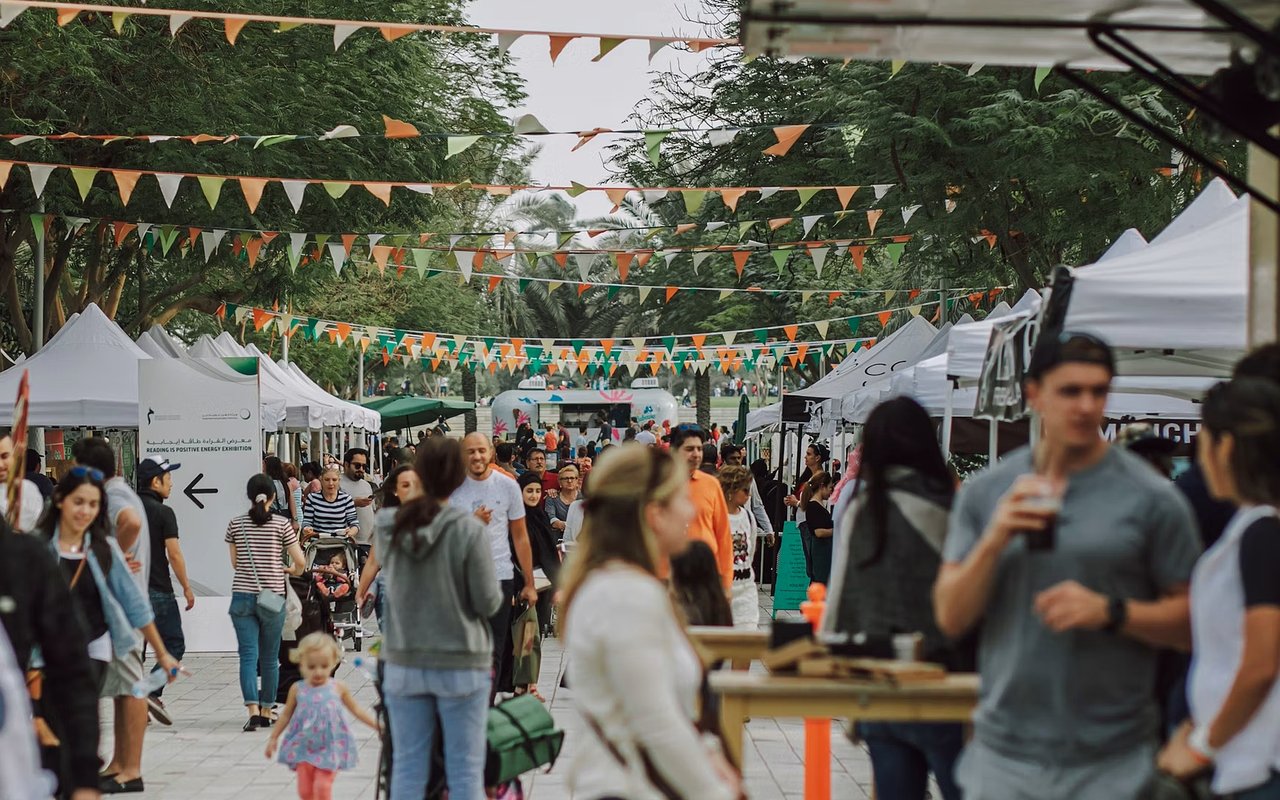
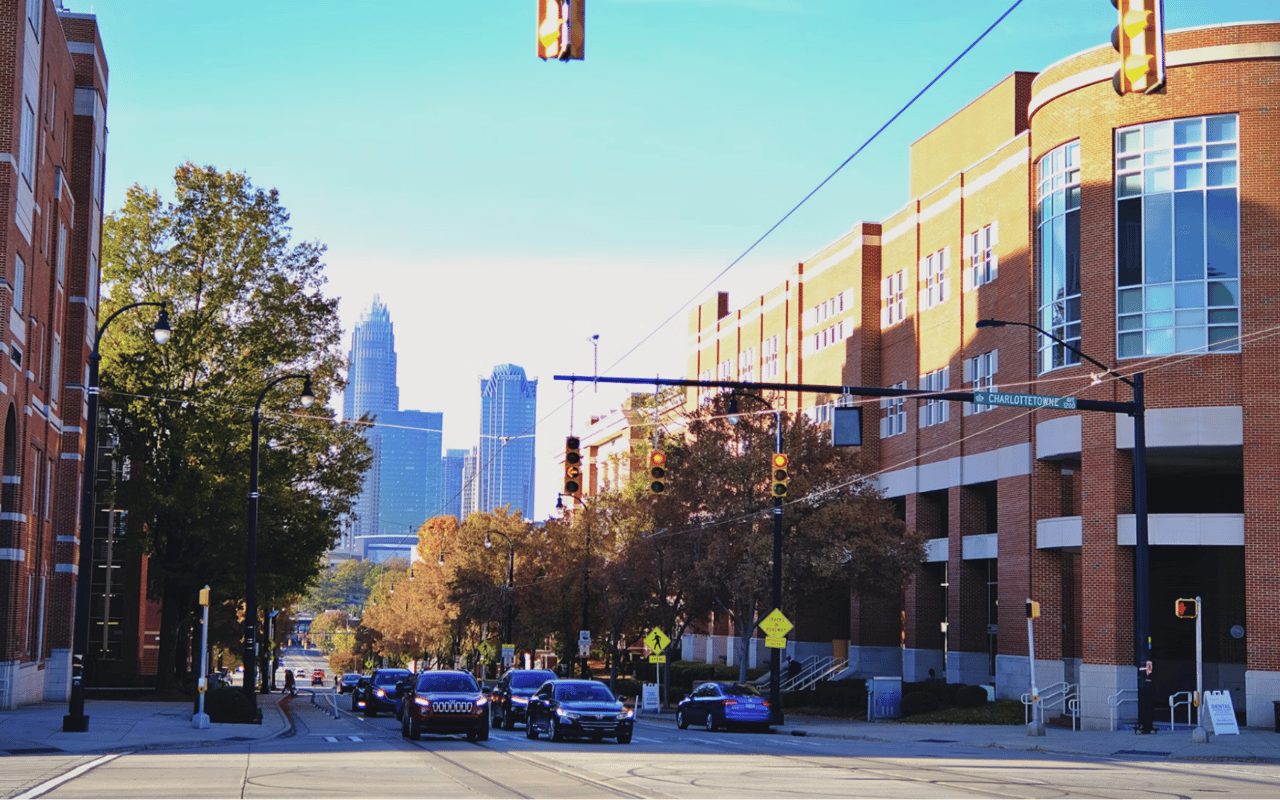
Today, Plaza Midwood reads as a pedestrian-oriented, mixed-use neighborhood rather than a single-purpose dining district. The city also identifies it as Charlotte’s first approved social district, with daily hours from 10 a.m. to 10 p.m., which reflects how active and interconnected the area is throughout the day.
For a new resident, that means you are not just moving near restaurants. You are moving into an area with practical neighborhood infrastructure, including grocery options, local retail, services, parks, pet resources, and transit connections.
Getting Oriented in Plaza Midwood
The official neighborhood boundaries help explain how people experience Plaza Midwood in daily life. According to PMNA, the core area is generally bounded by Hawthorne Lane on the west, Central Avenue on the south, The Plaza and Parkwood Avenue on the north, with Masonic and Matheson shaping the southeast and northeast edges.
At the same time, the neighborhood’s commercial district extends into nearby areas like Commonwealth-Morningside and Belmont. That is useful to know when you start exploring, because some of the places locals associate with Plaza Midwood sit just beyond the strict residential boundary lines.
Morning Staples to Know
Coffee at Giddy Goat
A reliable neighborhood coffee stop can make a new area feel familiar fast. Giddy Goat Coffee Roasters on The Plaza is open daily from 7 a.m. to 7 p.m. and offers both coffee and a breakfast-oriented menu.
For many new residents, that kind of all-day café becomes part of the weekly rhythm. It works for a quick solo stop, a casual work break, or an easy place to meet someone nearby.
Grocery Runs at Harris Teeter
For everyday convenience, Harris Teeter on Central Avenue is one of the most practical anchors in the neighborhood. It is open until 11 p.m. and includes a pharmacy, pickup, Starbucks, sushi, rotisserie chicken, and other ready-to-eat options.
That matters when you are learning a new area. You want to know where you can handle a full grocery run, a last-minute dinner pickup, or a quick errand without driving across Charlotte.
The Common Market for All-Day Flexibility
Some places are hard to categorize in the best way. The Plaza Midwood merchant directory describes The Common Market as a deli and provisions shop, while company materials frame it as part deli, part provisions, with coffee plus beer and wine in an all-day gathering space.
For a new resident, that makes it a useful mental bookmark. It is the kind of neighborhood spot that can fit a coffee stop, a casual bite, or a quick provisions run depending on what your day looks like.
Lunch and Dinner Hotspots
One of Plaza Midwood’s biggest strengths is range. The current merchant mix includes quick weekday options, casual hangouts, and more destination-style dining, so you can keep most meals local when you want to.
According to the merchant directory, neighborhood dining includes:
- Calle Sol
- DTR - Plaza Midwood
- Midwood Smokehouse
- Yafo Kitchen
- The Diamond
- Sweet Lew’s BBQ
- Supperland
That variety gives the area flexibility. You are not locked into one type of dining experience, which is especially helpful when you are settling in and building a routine that includes easy weeknight meals, low-key meetups, and a few favorite sit-down spots.
Shops and Everyday Services
Independent Retail Nearby
Plaza Midwood has a strong independent-business feel, and that often matters to buyers who want a neighborhood with character beyond the housing stock. Moxie Mercantile on Commonwealth Avenue, along with Betty by Moxie on Thomas Avenue, adds a curated local retail presence with regular community events.
Wiloe Home & Gift is another practical and gift-friendly stop in the area, with home décor, gifts, local art, and pet items. It also notes onsite and street parking, which is useful in a neighborhood where parking patterns are part of daily life.
Pet and Library Resources
If you have a pet, Plaza Midwood offers more than just walkable streets. The merchant directory includes Woof Gang Bakery & Grooming, and PMNA also operates a free dog park near Hamorton Place and Clement Avenue that is open from 8 a.m. to dusk.
The Plaza Midwood Library on Central Avenue is another helpful everyday anchor. Charlotte Mecklenburg Library lists it as a full branch with evening hours, giving you access to both practical services and a local community resource without leaving the neighborhood.
Parks and Outdoor Spots
Green space can shape how livable a neighborhood feels, especially once the novelty of a move wears off. Plaza Midwood has a few recreation and gathering points that help balance the commercial energy.
Veterans Park at 2136 Central Ave. is a strong official recreation asset near the edge of the neighborhood. Mecklenburg County lists it as a park with an indoor pavilion, and the same county materials place it among Charlotte’s sprayground and pool sites, which can make it a practical warm-weather destination.
Within the neighborhood, PMNA says the dog park, Midwood Park community garden, and events like Midwood Maynia help create a more community-oriented feel. In other words, Plaza Midwood is not just a place to pass through. It has neighborhood spaces where daily life can slow down a bit.
Transit and Parking Basics
Route 9 for Uptown Access
If you commute or simply want options beyond driving, transit is part of Plaza Midwood’s appeal. CATS Route 9 Central Avenue connects Uptown Charlotte, CPCC Central Campus, Plaza Midwood, Morningside, Eastland CTC, and Albemarle Road Park and Ride.
That gives new residents a direct way to think about day-to-day mobility. Even if you drive most of the time, having a known transit corridor nearby adds flexibility.
Metered Parking in Active Areas
Drivers should expect parking to be part of the neighborhood rhythm, especially around busier retail blocks. The city’s Park It parking program manages on-street parking on Commonwealth Avenue in Plaza Midwood, with meter pricing listed at $1.50 per hour.
That may sound like a small detail, but it helps set expectations. In a walkable mixed-use neighborhood, parking convenience can vary block by block, so it is helpful to learn the patterns early.
Housing Character and Streetscape
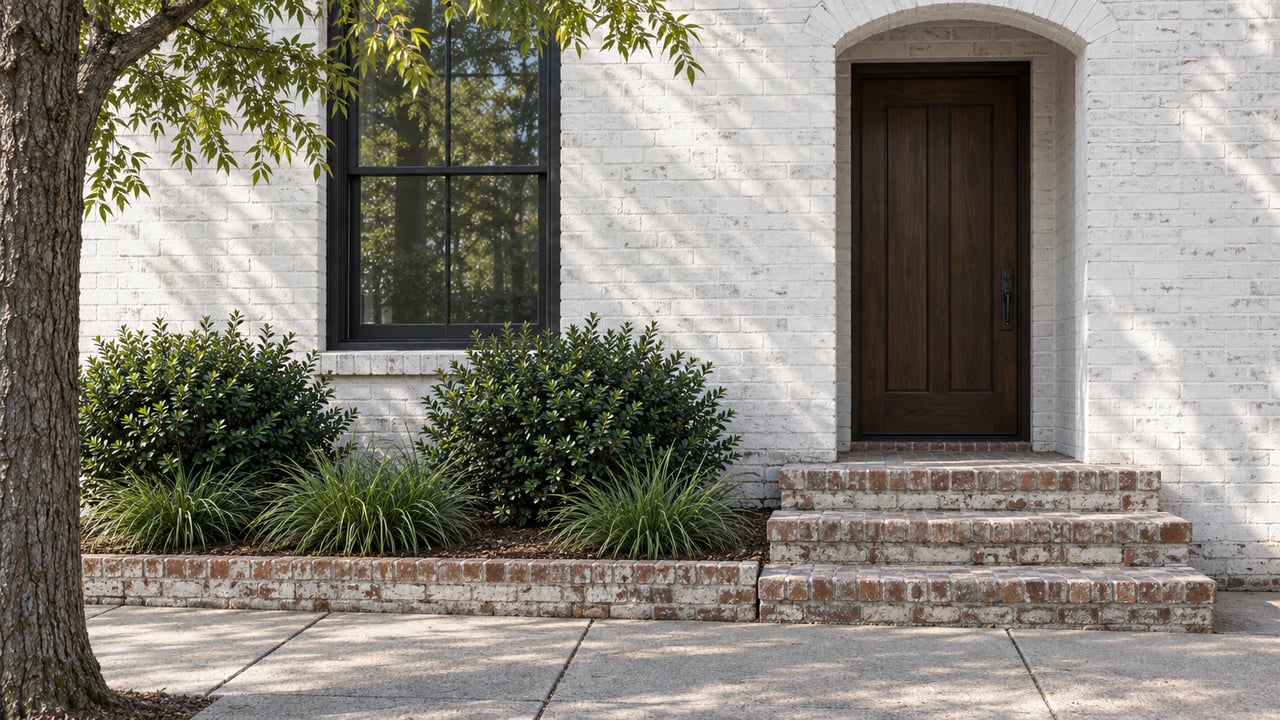
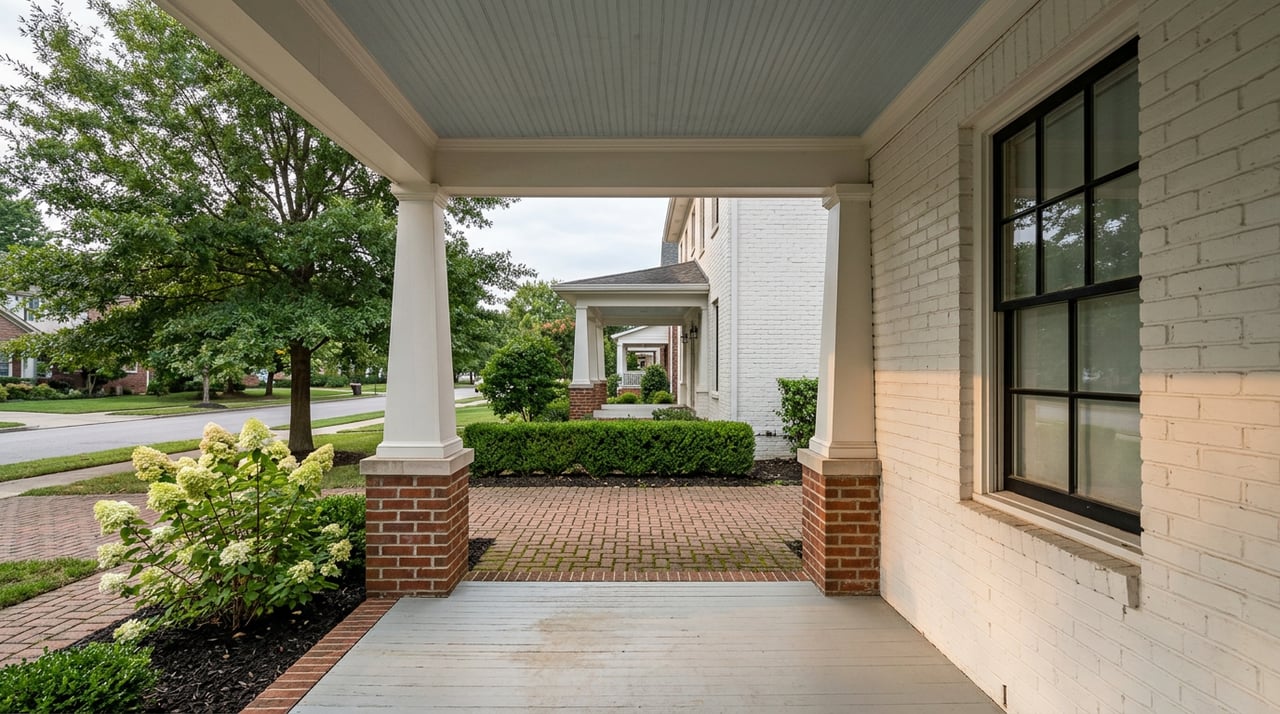
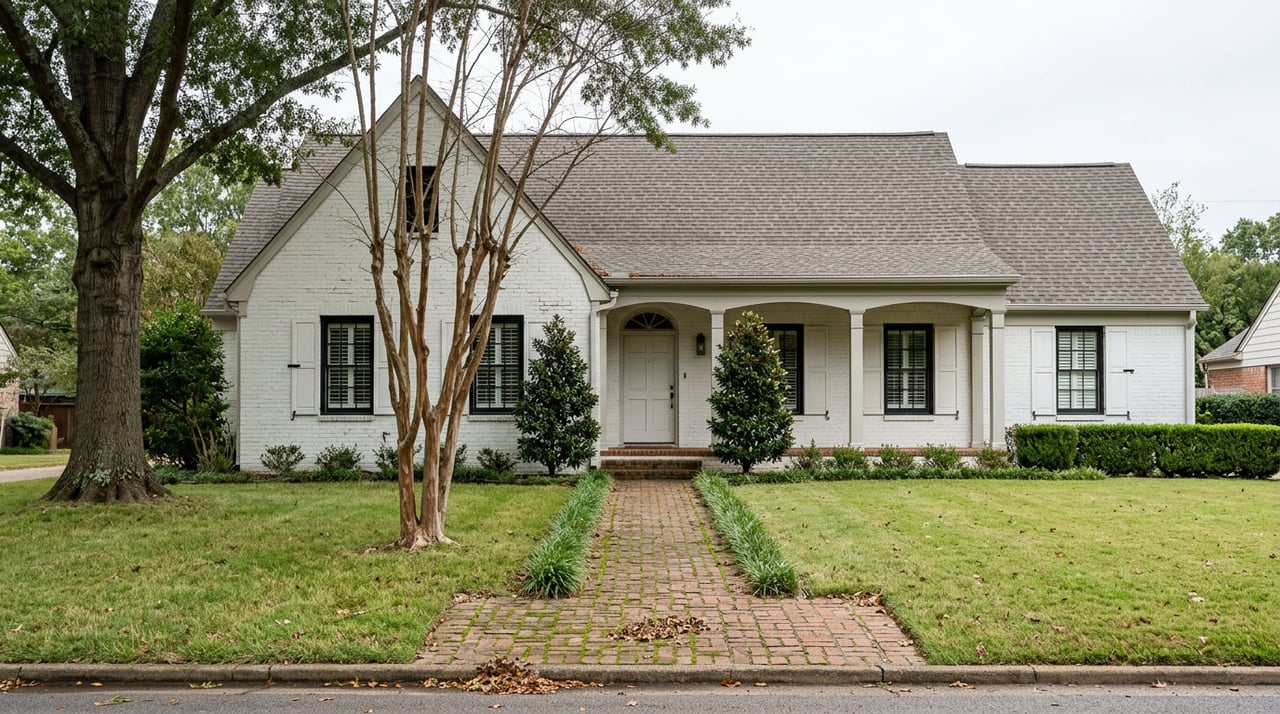
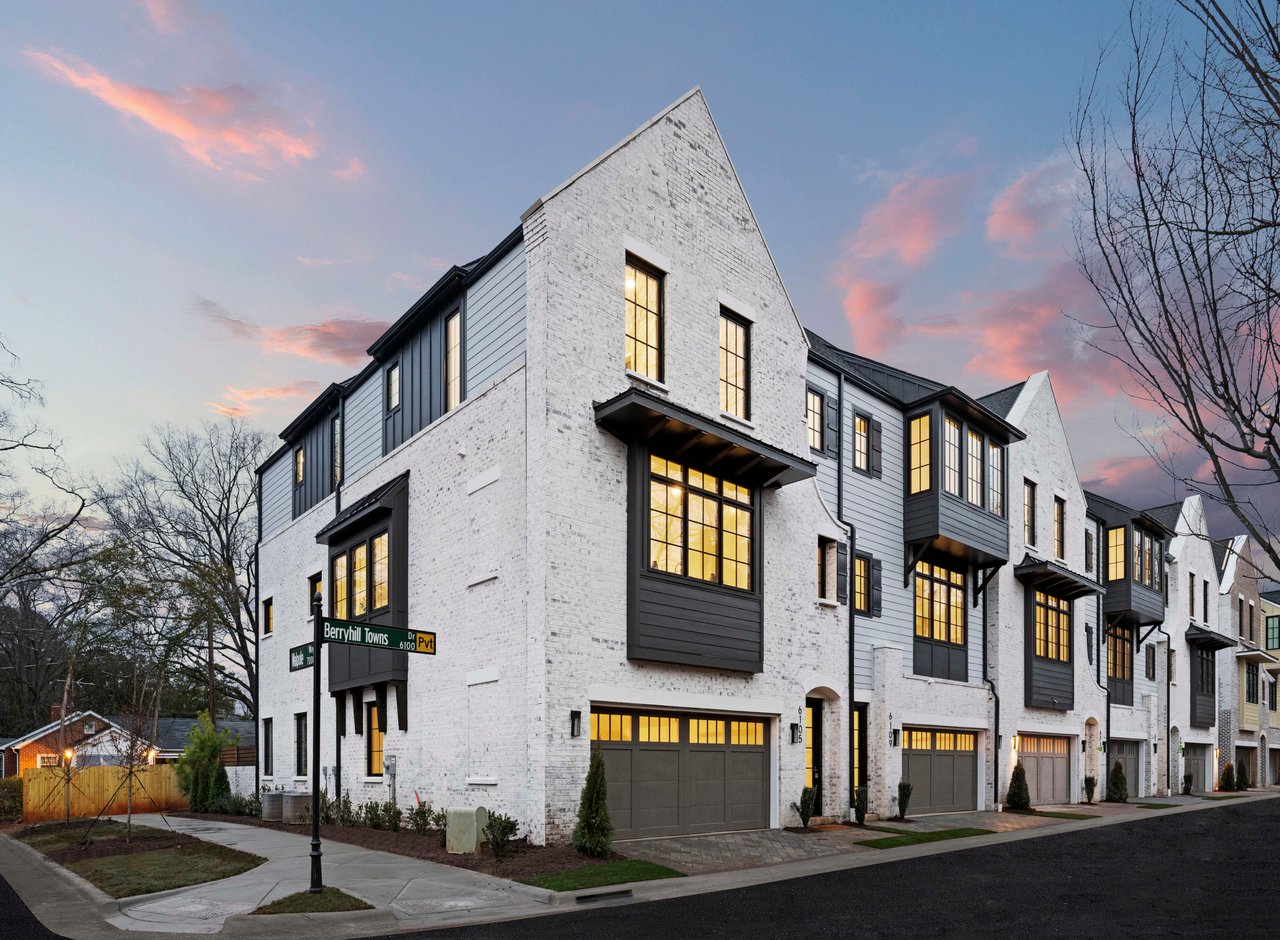
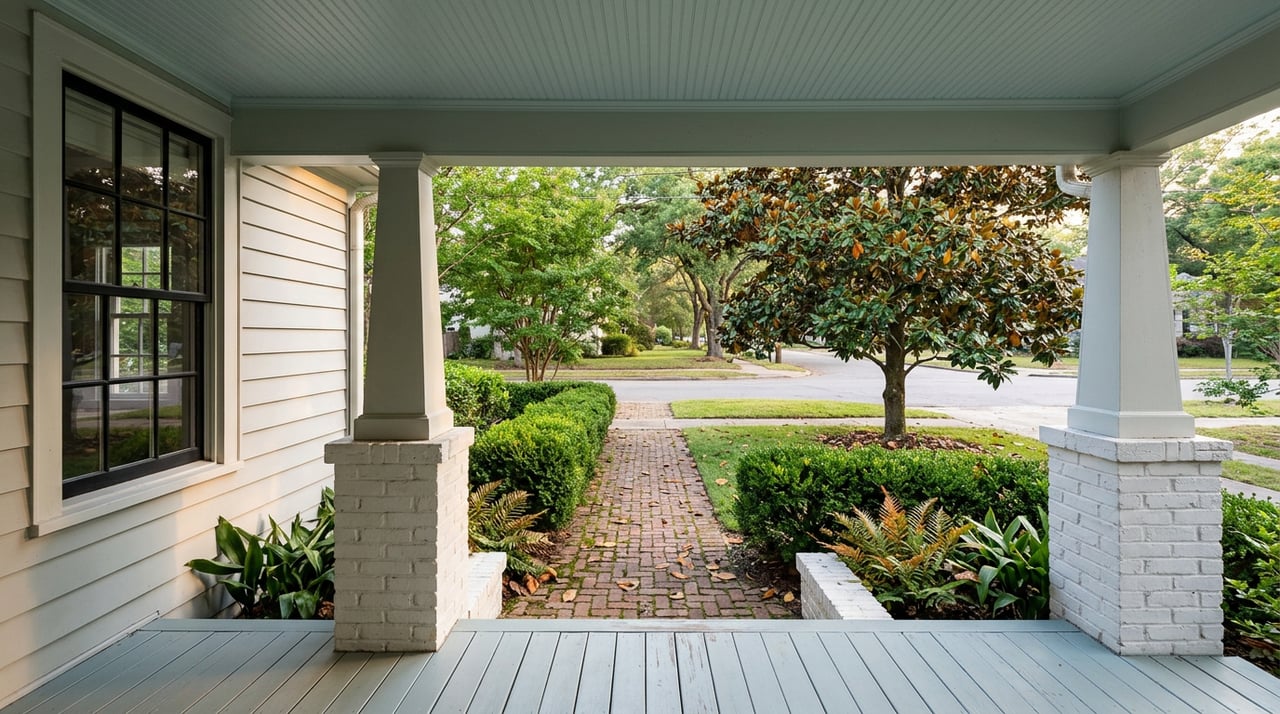
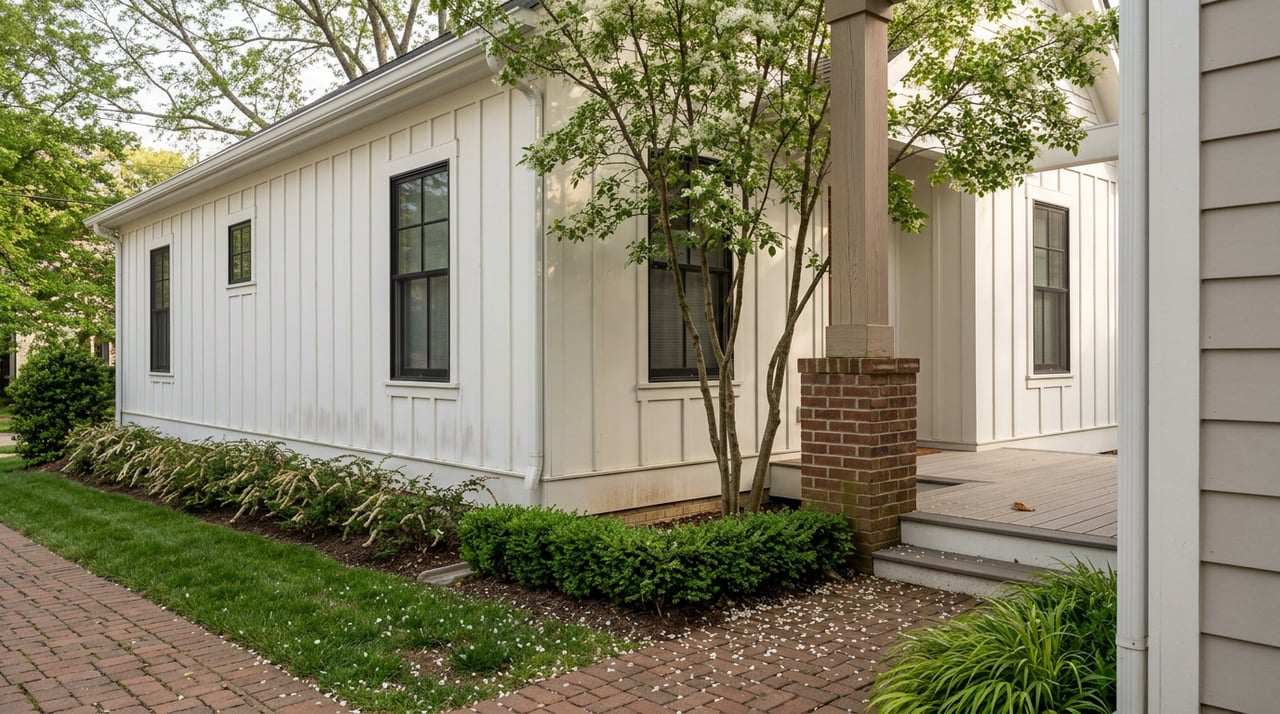
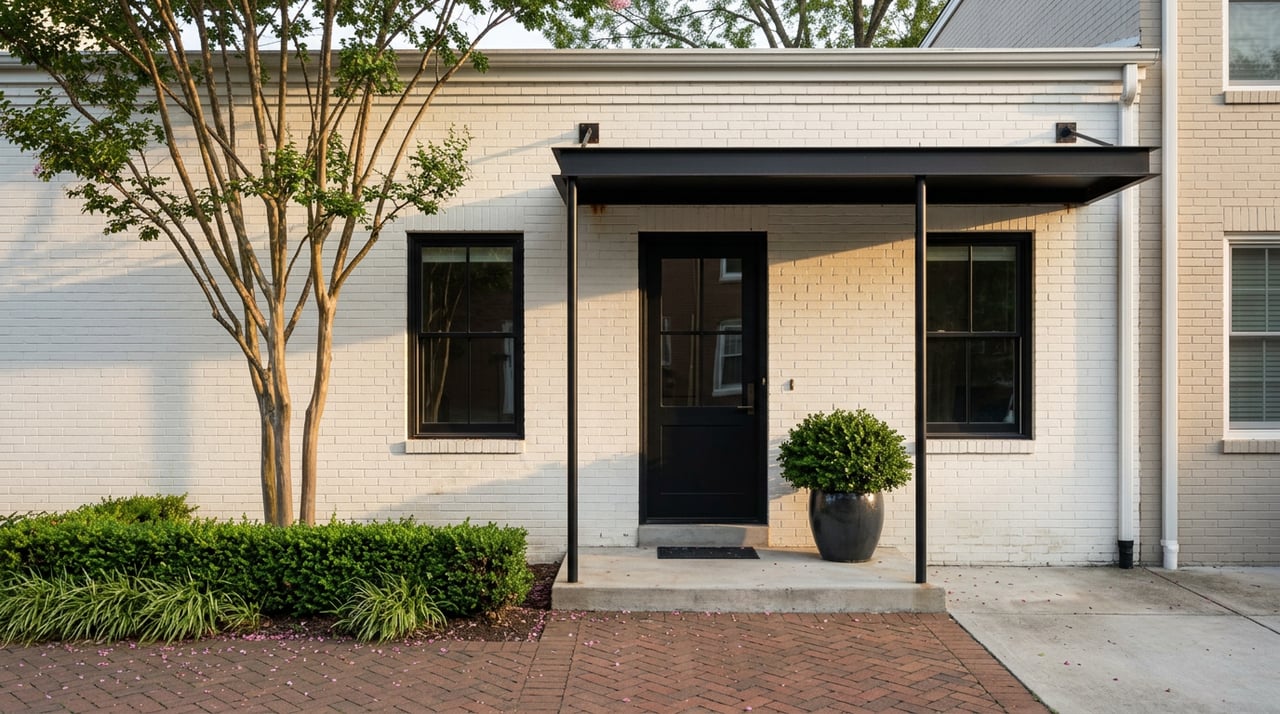
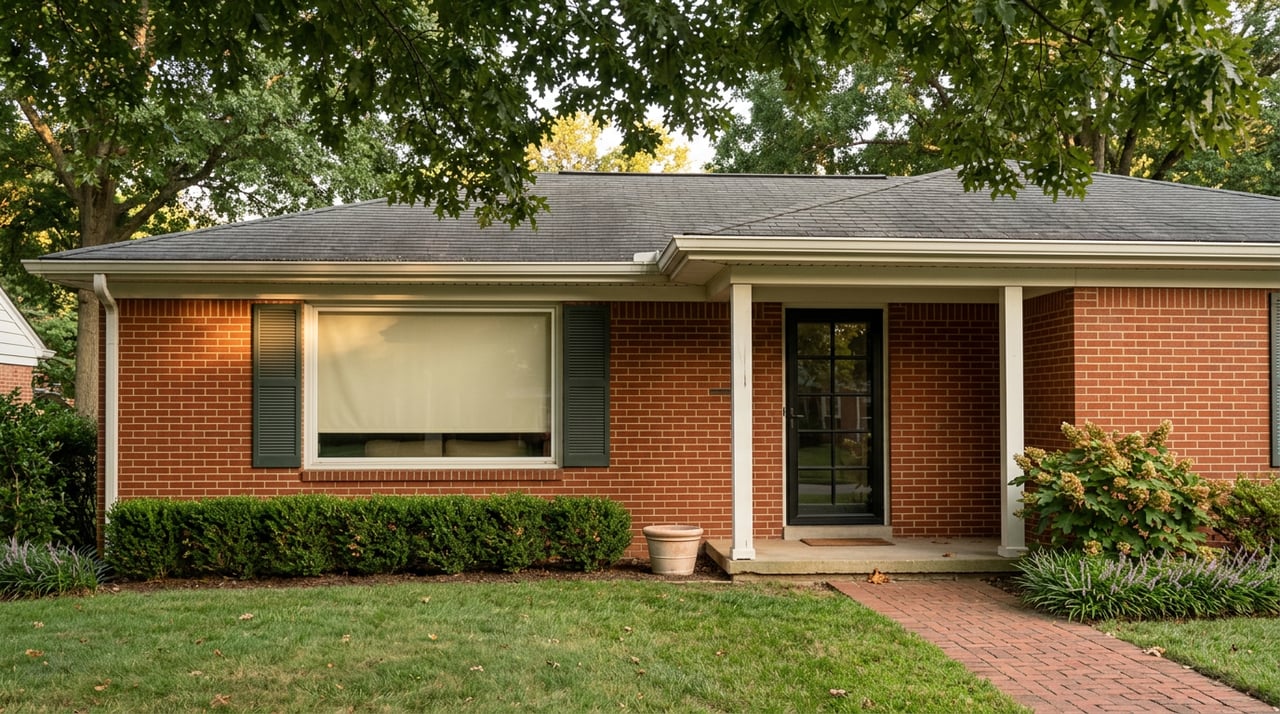
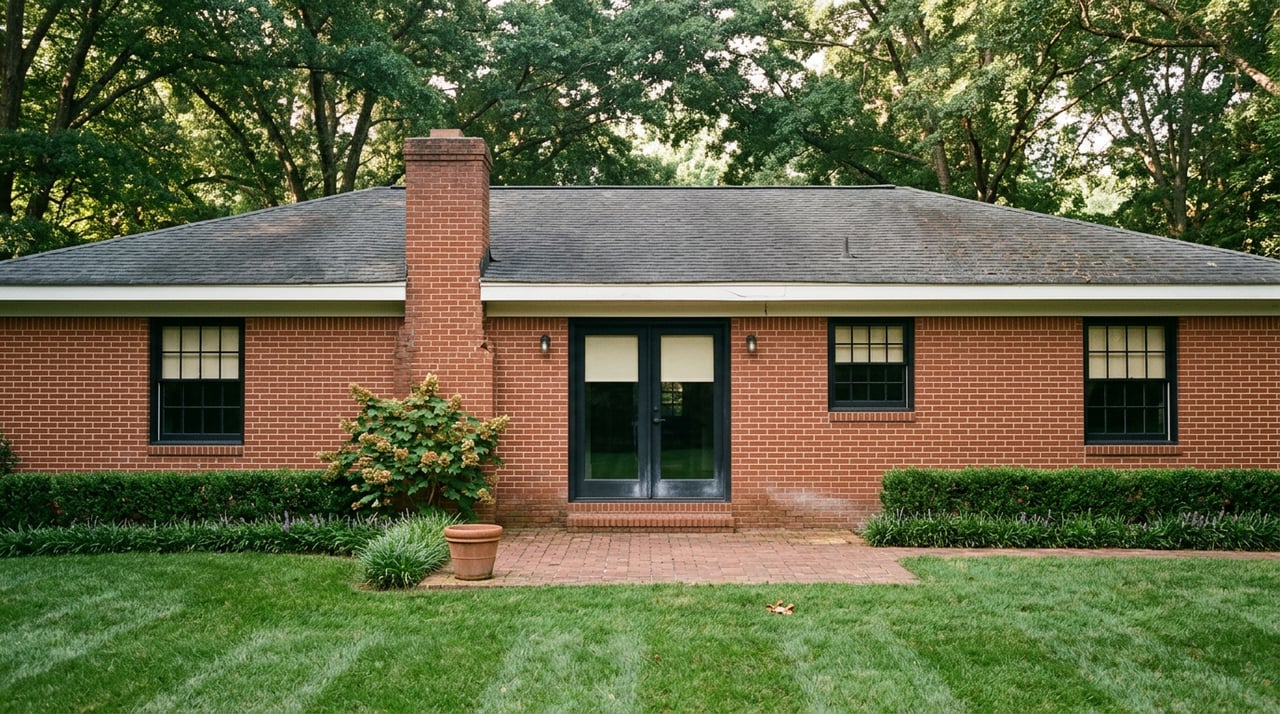
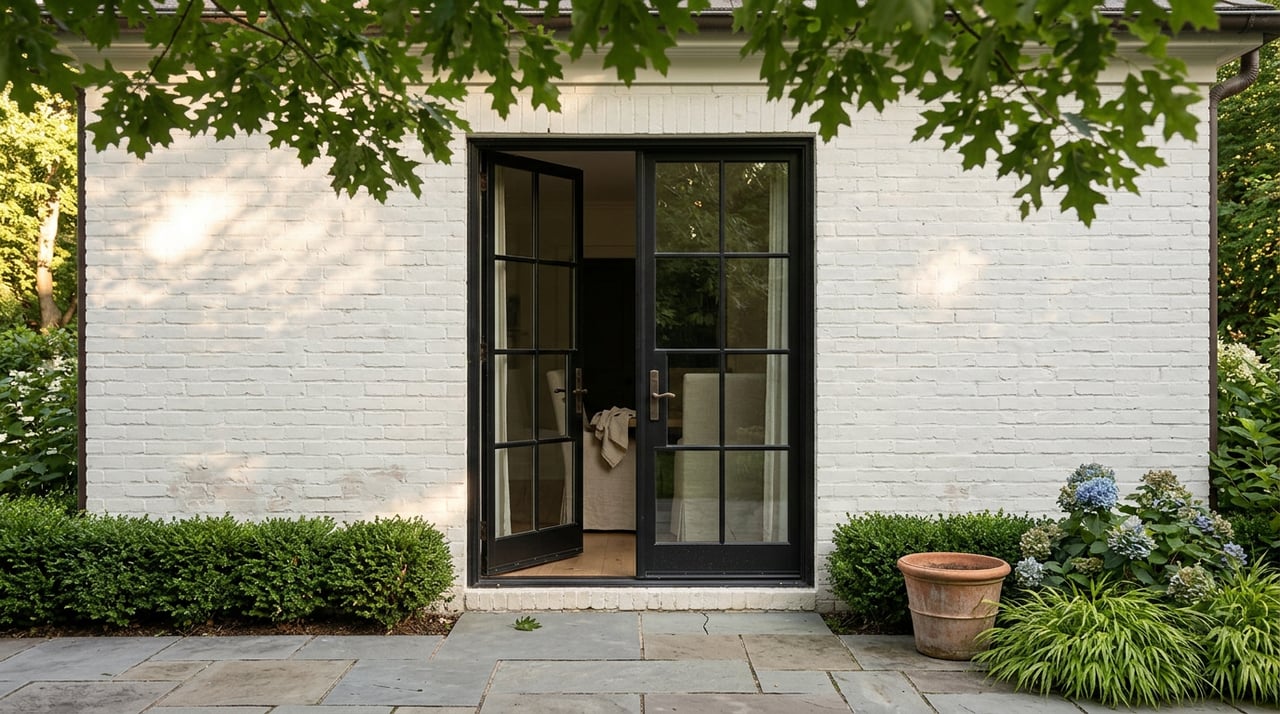
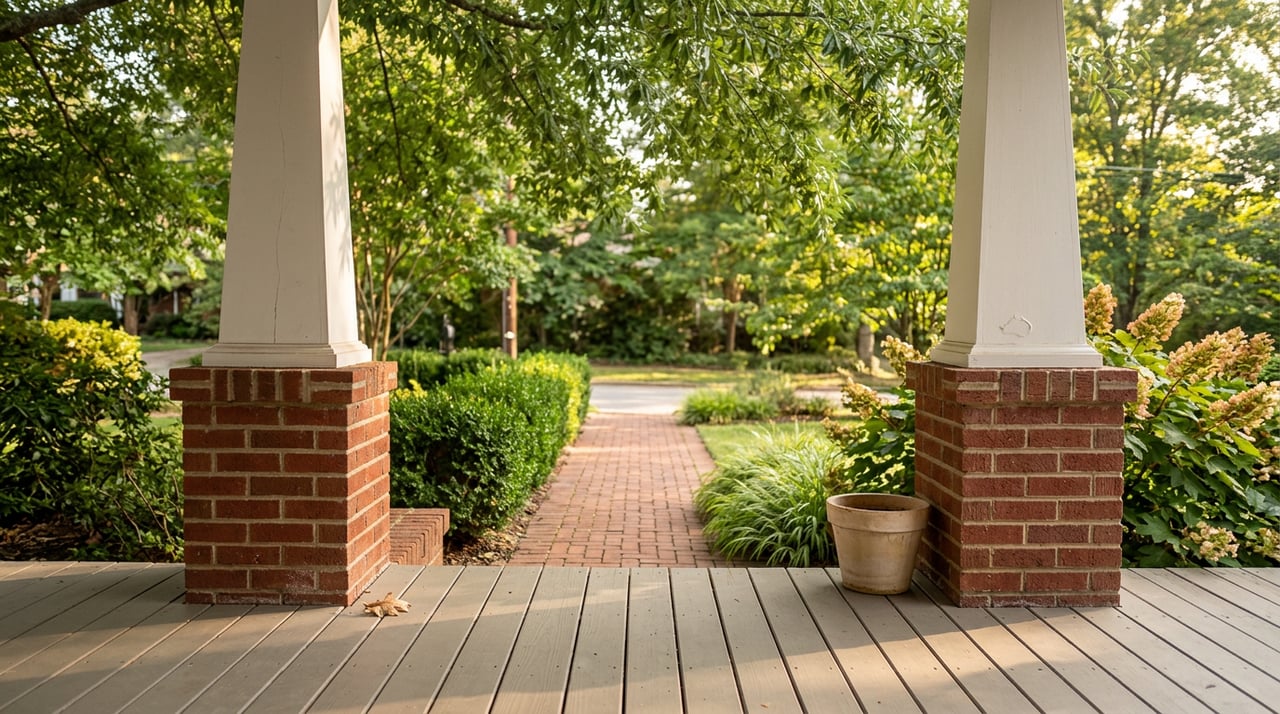
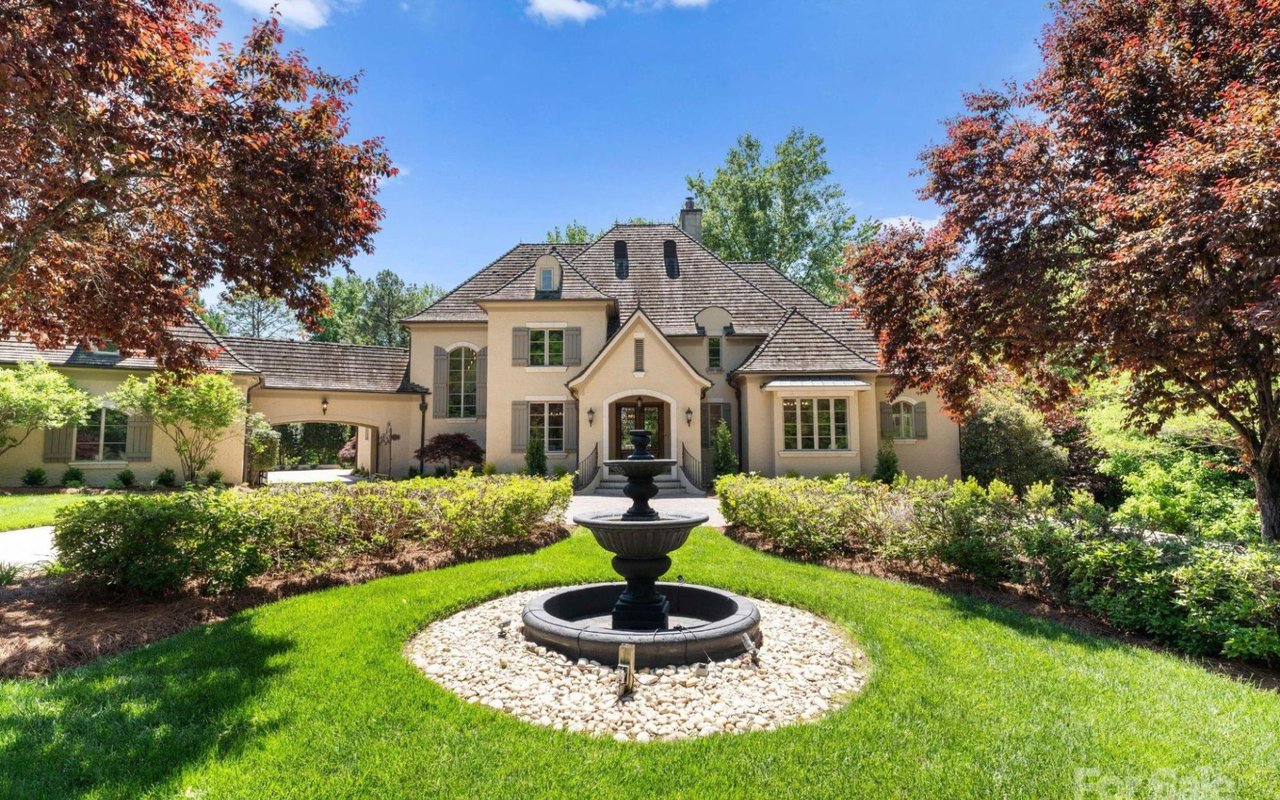
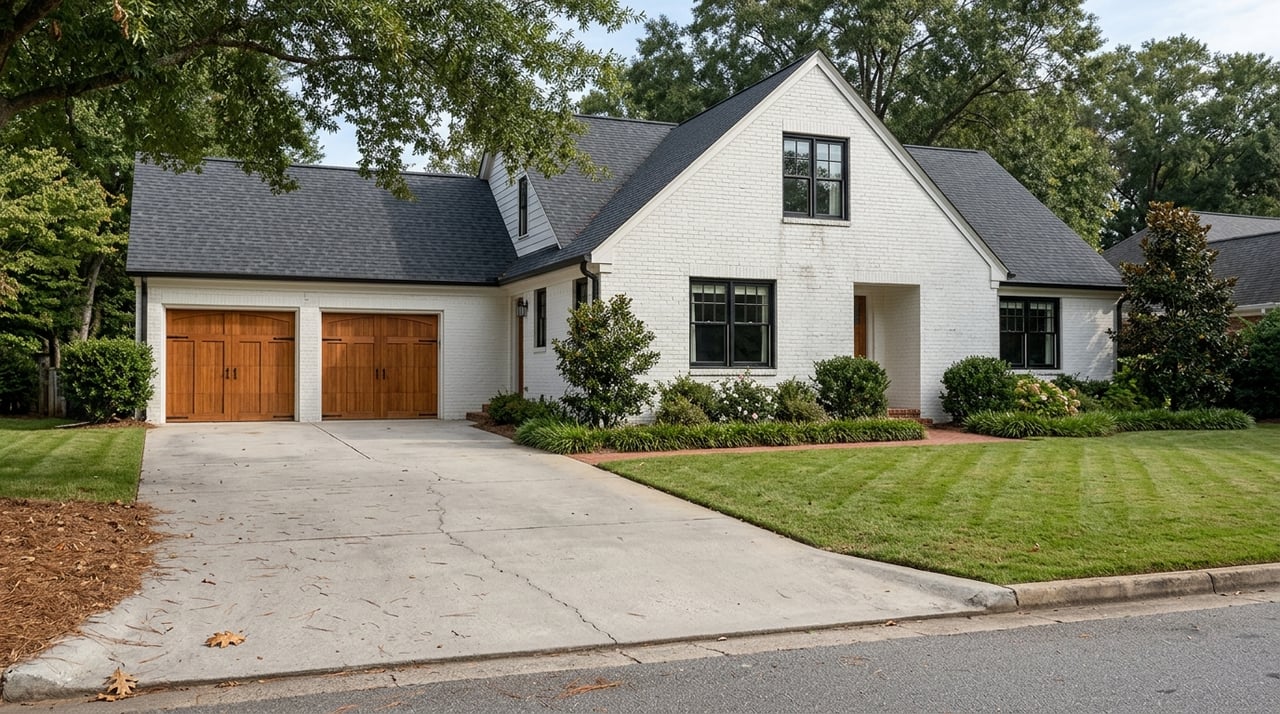
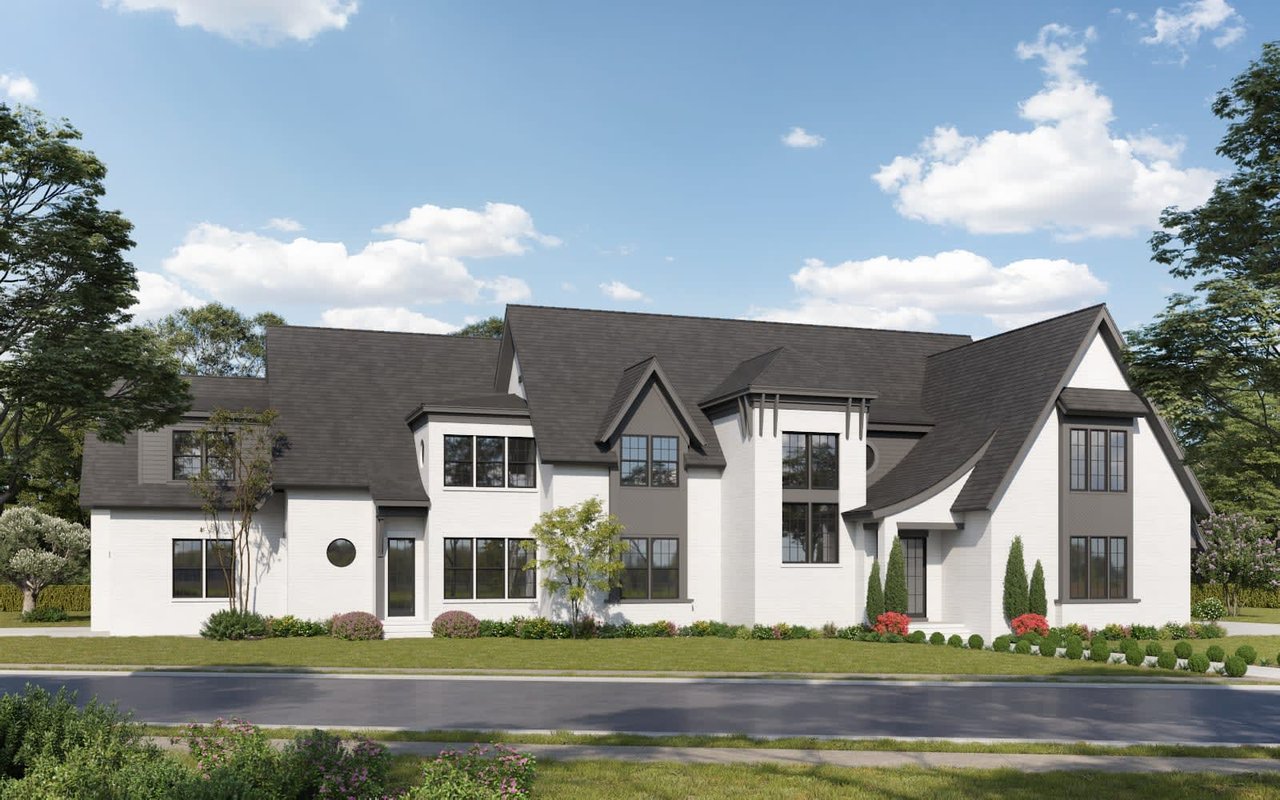
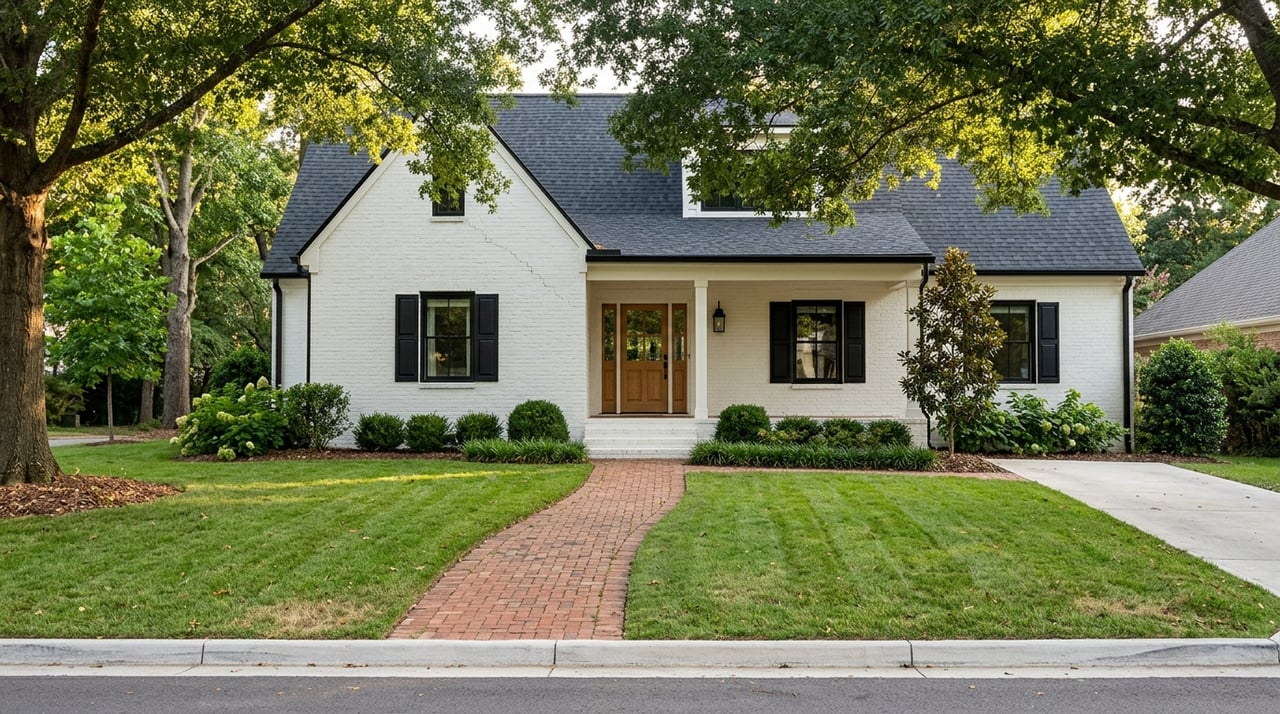
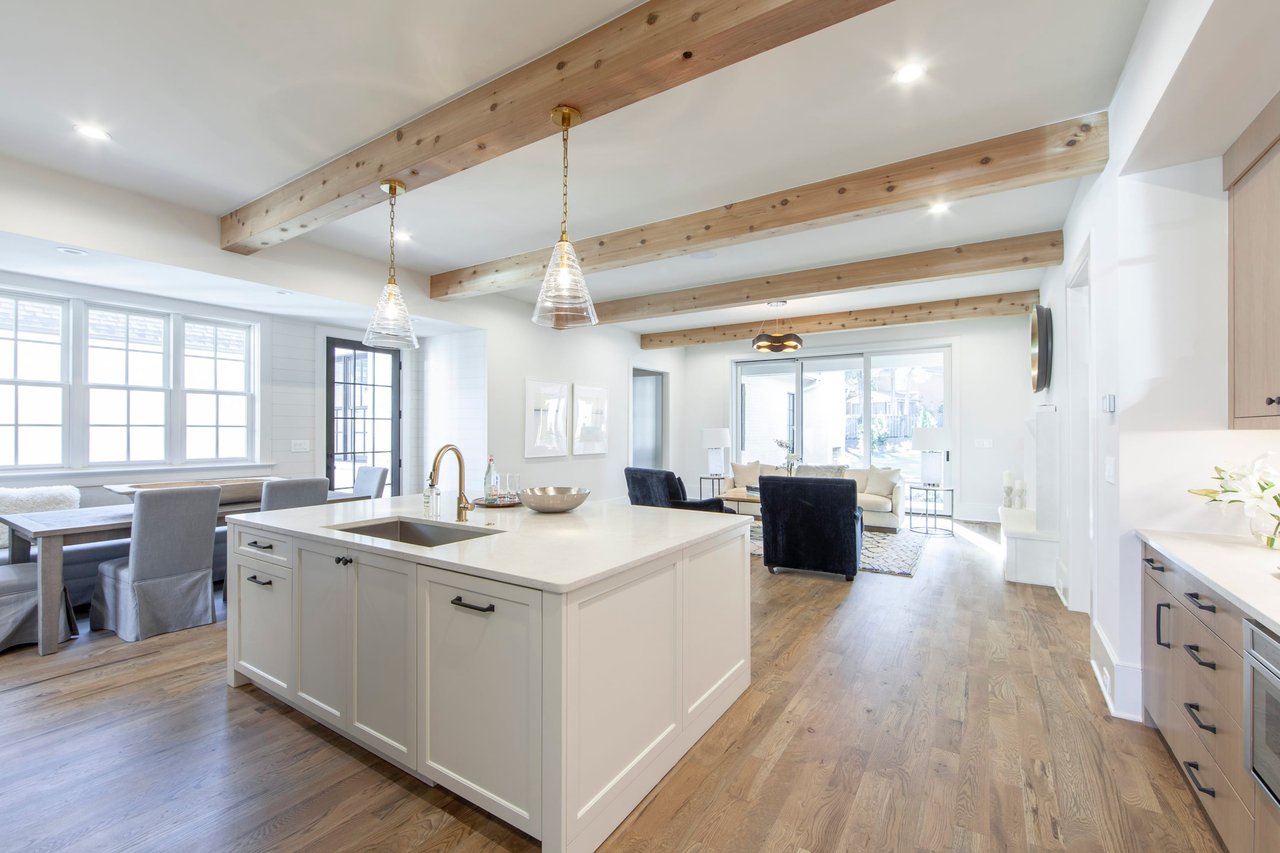
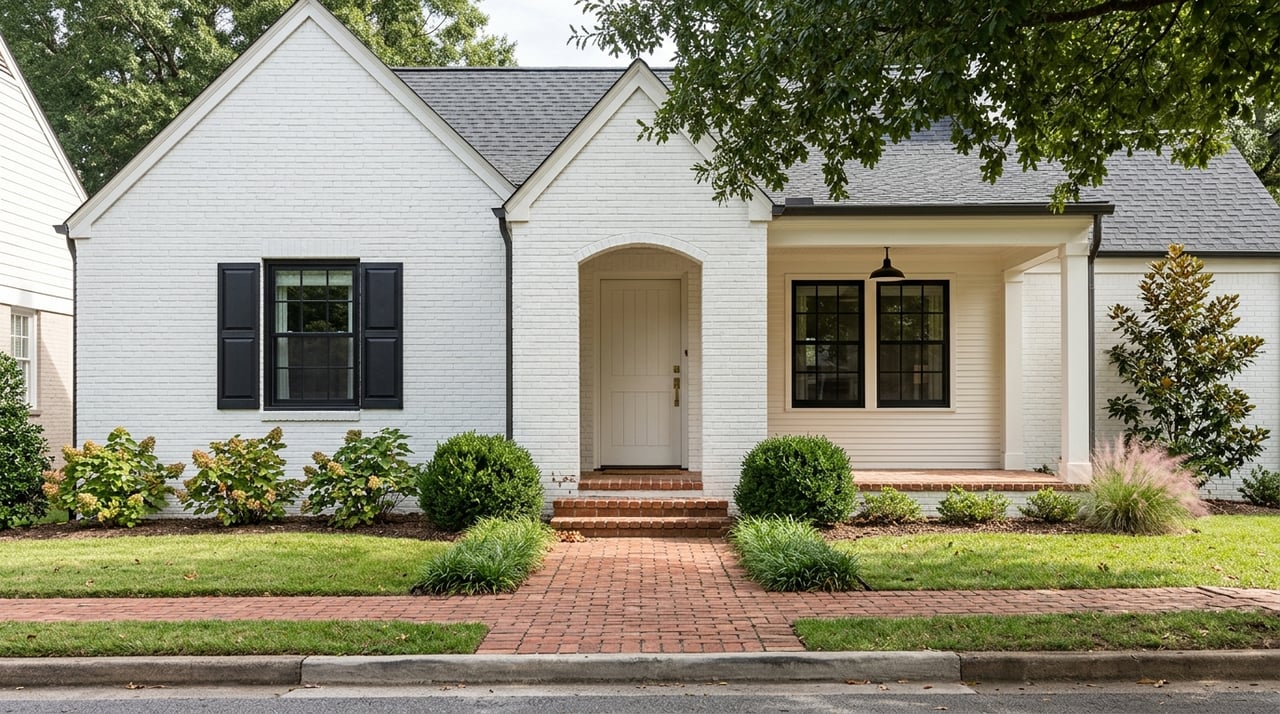
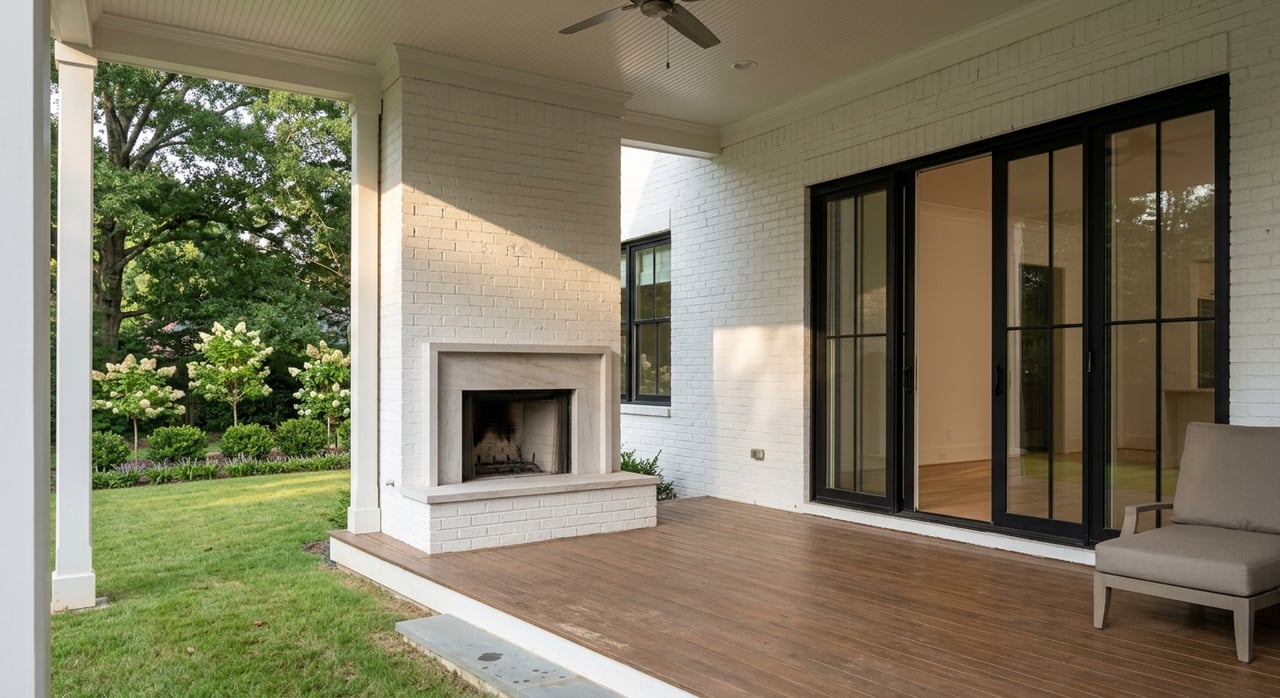
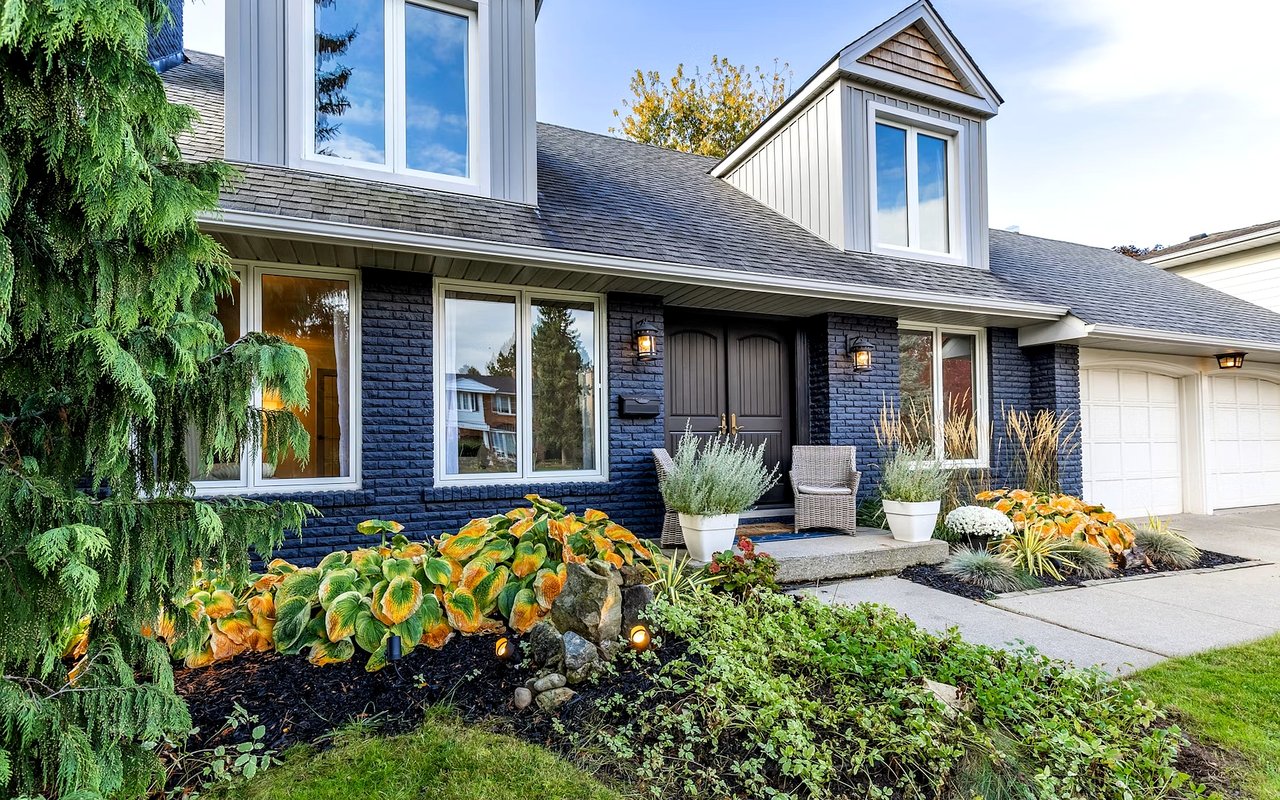
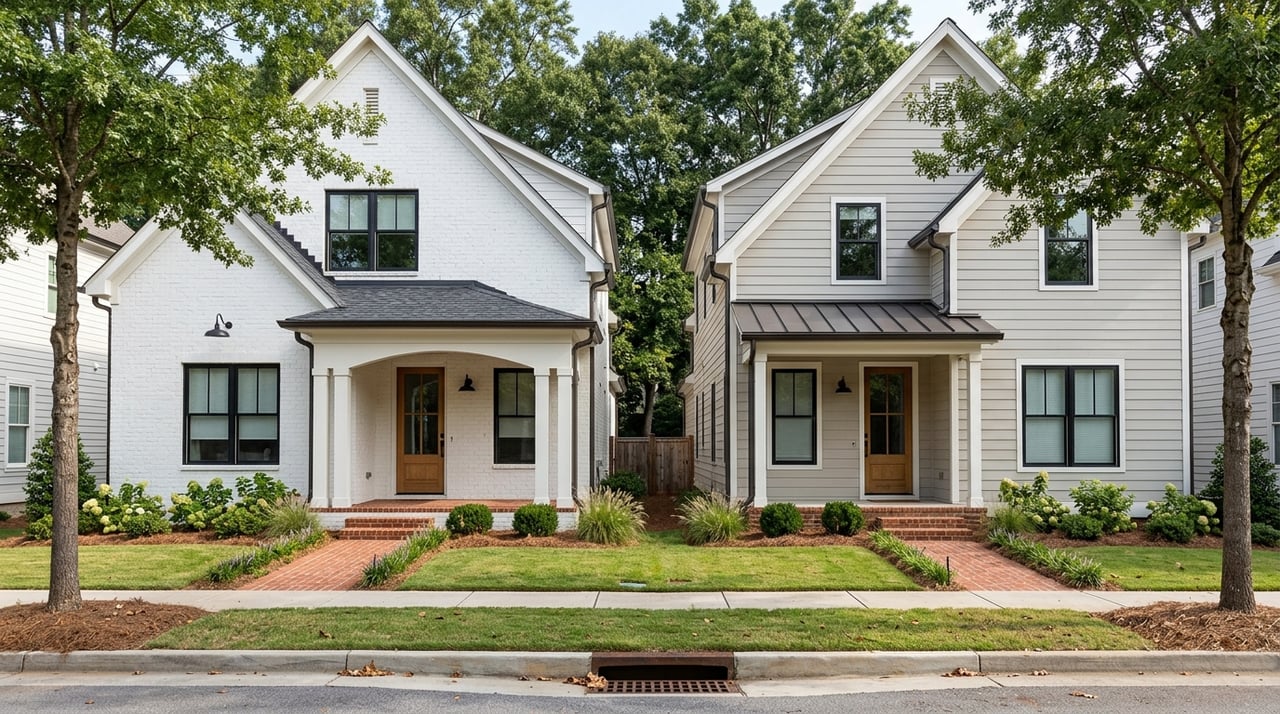
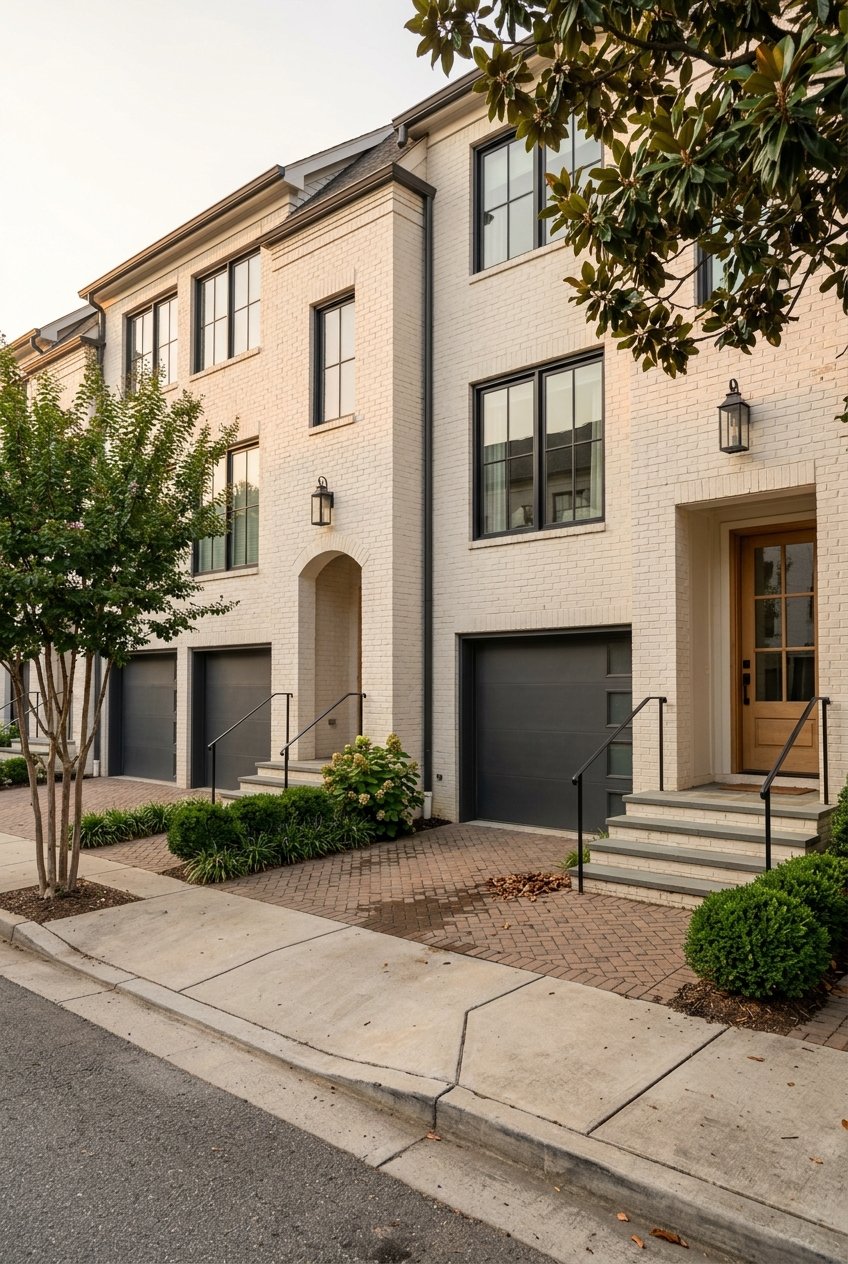
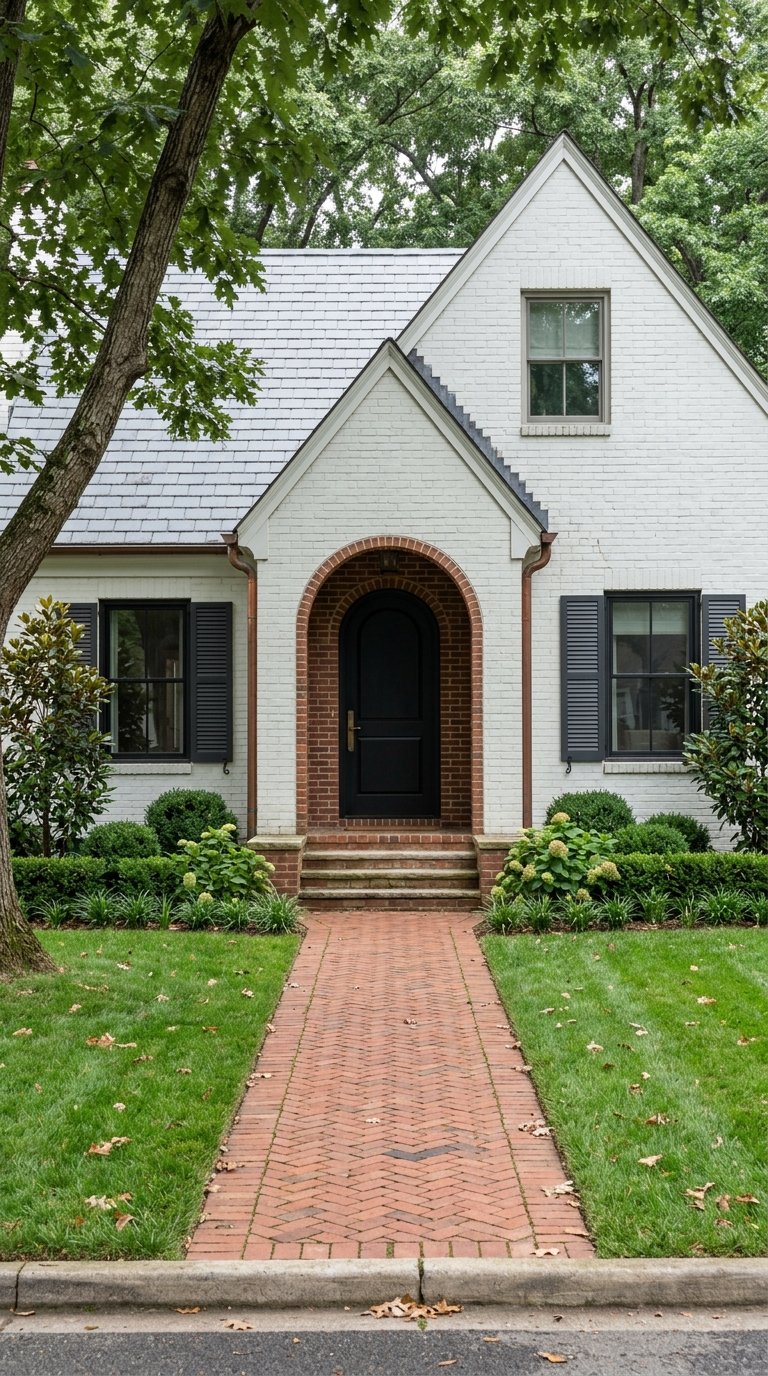
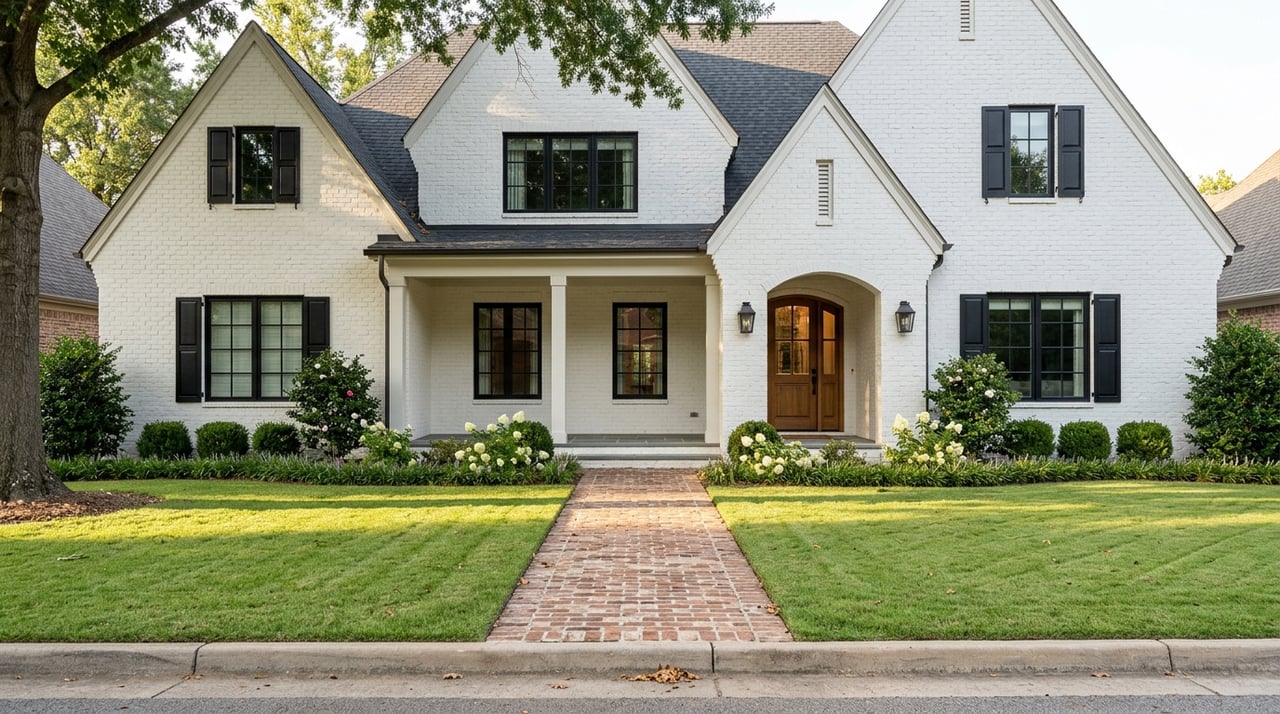
If you are considering a move here, the architecture is part of the appeal. The city says Plaza Midwood has the most varied architecture of Charlotte’s local historic districts, with styles ranging from Victorian and Craftsman homes to mid-20th-century family homes.
The city’s design standards also note that homes along The Plaza tend to sit on larger lots with deeper setbacks, while secondary streets often have tighter lot patterns and a more modest mix of bungalow, cottage, and American Small House forms. Roughly 14 percent of the neighborhood falls inside the historic district, according to PMNA.
That variety is one reason buyers often need block-by-block guidance here. Plaza Midwood can offer very different housing experiences depending on the street, lot pattern, and proximity to the commercial core.
How to Settle In Faster
If you are new to Plaza Midwood, it helps to learn the neighborhood through your routines instead of trying to understand everything at once. Start with a few core stops and build outward.
A simple first-week checklist might include:
- Grab coffee at Giddy Goat
- Do a grocery run at Harris Teeter
- Visit the Plaza Midwood Library
- Walk the commercial district and note your go-to dining spots
- Check out Veterans Park or the neighborhood dog park
- Test your route to Uptown, whether by car or CATS Route 9
That approach gives you a more realistic sense of the neighborhood than a single weekend visit. You start to see not just what is popular, but what is practical for your everyday life.
Plaza Midwood works best for many residents because it combines character with convenience. If you are weighing where to live in Charlotte, that mix can be hard to replicate.
If you want help comparing Plaza Midwood with other Charlotte neighborhoods, or you are looking for the right fit within this area’s varied housing options, Charlotte Living Realty Group can help you navigate the details with local insight and a clear plan.
FAQs
What makes Plaza Midwood different from other Charlotte neighborhoods?
- Plaza Midwood stands out for its early-1900s roots, varied architecture, pedestrian-oriented layout, mixed-use commercial areas, and practical daily infrastructure like grocery, parks, retail, library access, and transit.
What are the best everyday hotspots for new Plaza Midwood residents?
- Useful everyday stops include Giddy Goat Coffee Roasters, Harris Teeter on Central Avenue, The Common Market, the Plaza Midwood Library, Veterans Park, and the PMNA dog park.
What dining options are available in Plaza Midwood for day-to-day living?
- The neighborhood offers a broad dining mix, including casual and sit-down options such as Calle Sol, Midwood Smokehouse, Yafo Kitchen, The Diamond, Sweet Lew’s BBQ, DTR, and Supperland.
What should Plaza Midwood residents know about parking and transit?
- CATS Route 9 Central Avenue provides a key link to Uptown and other destinations, while some active retail areas, including Commonwealth Avenue, use city-managed metered parking.
What is the housing character like in Plaza Midwood?
- Plaza Midwood includes a wide mix of home styles, from Victorian and Craftsman homes to bungalows, cottages, American Small House forms, and mid-20th-century homes, with noticeable variation by street and lot pattern.