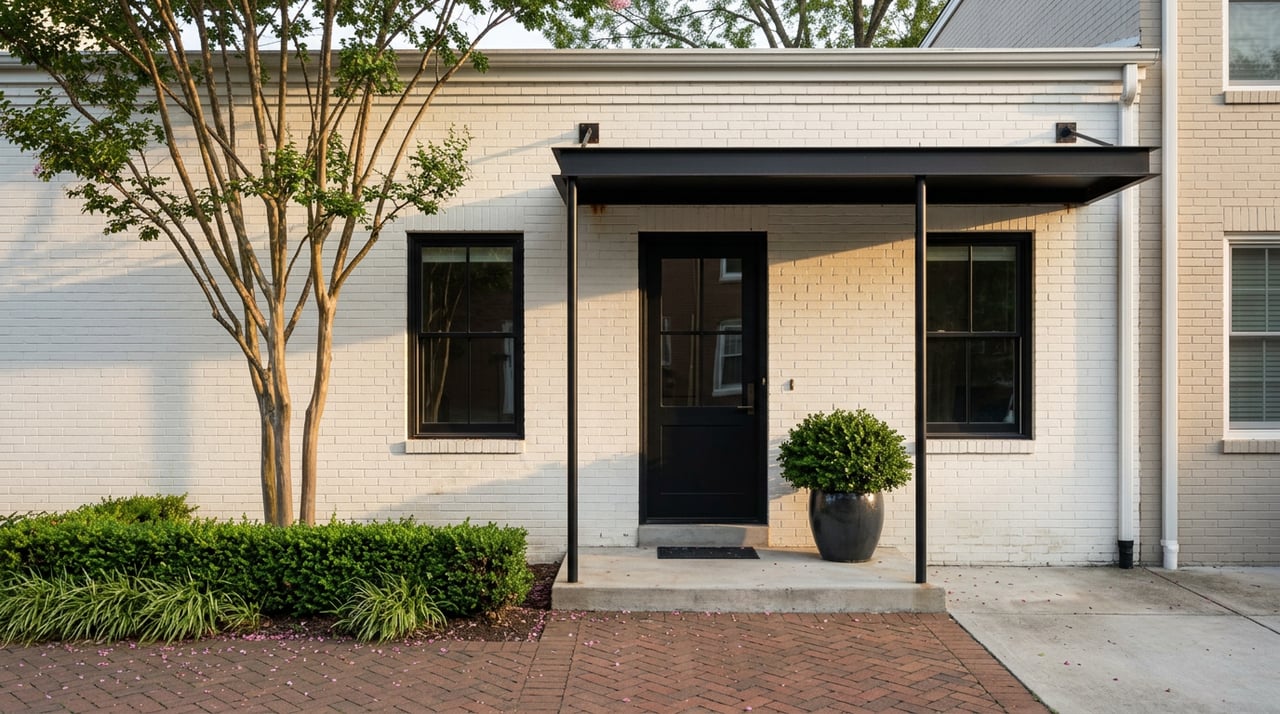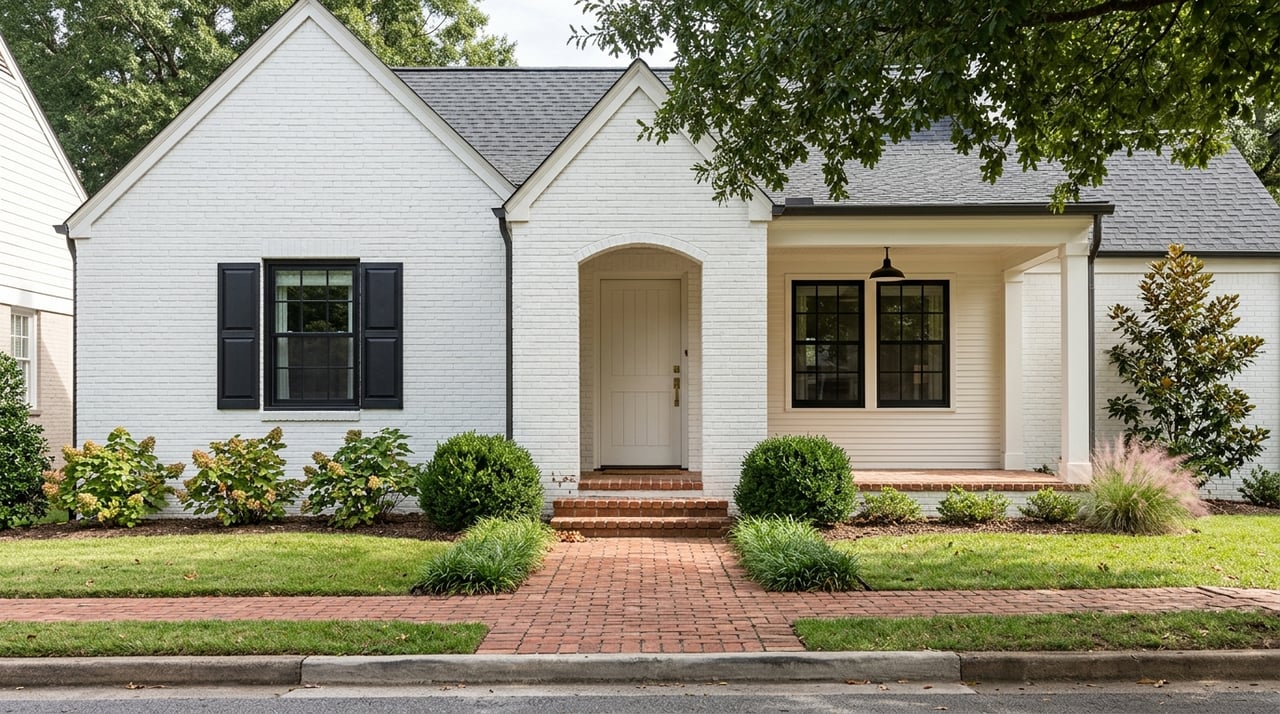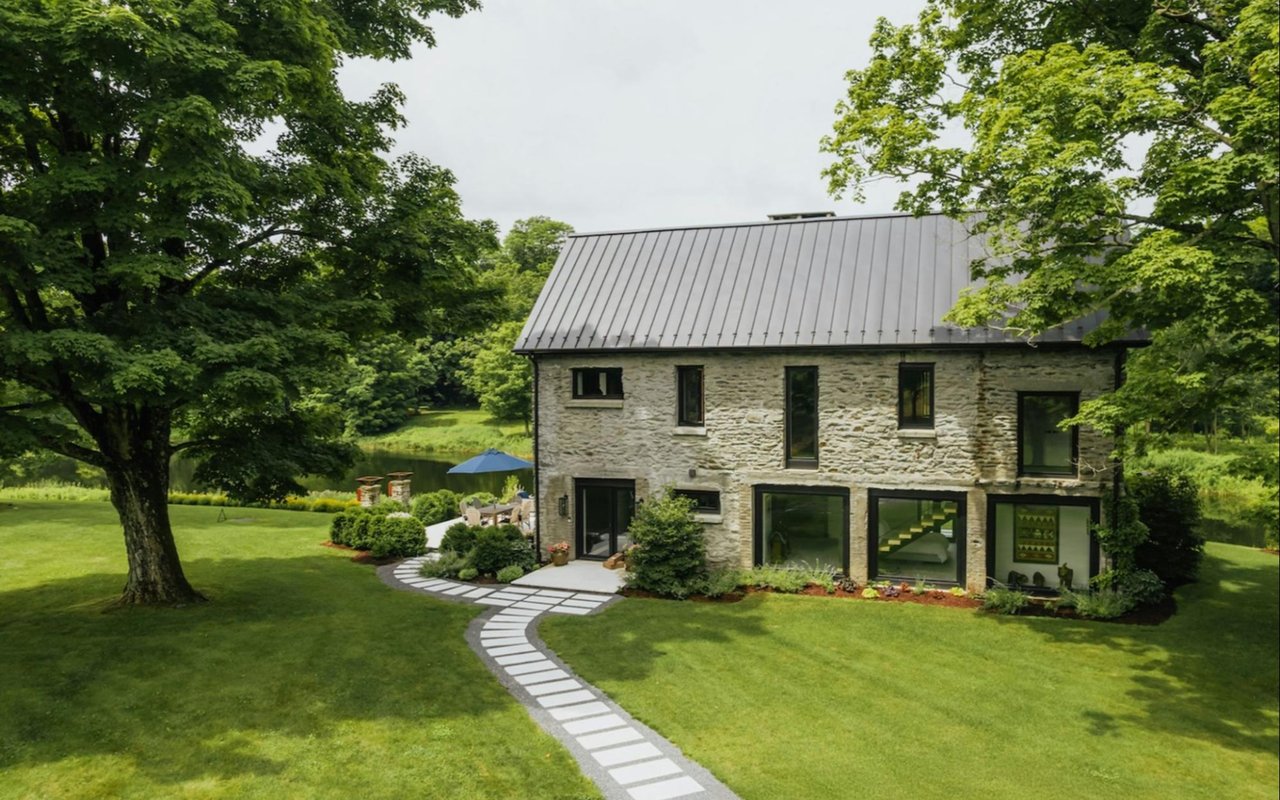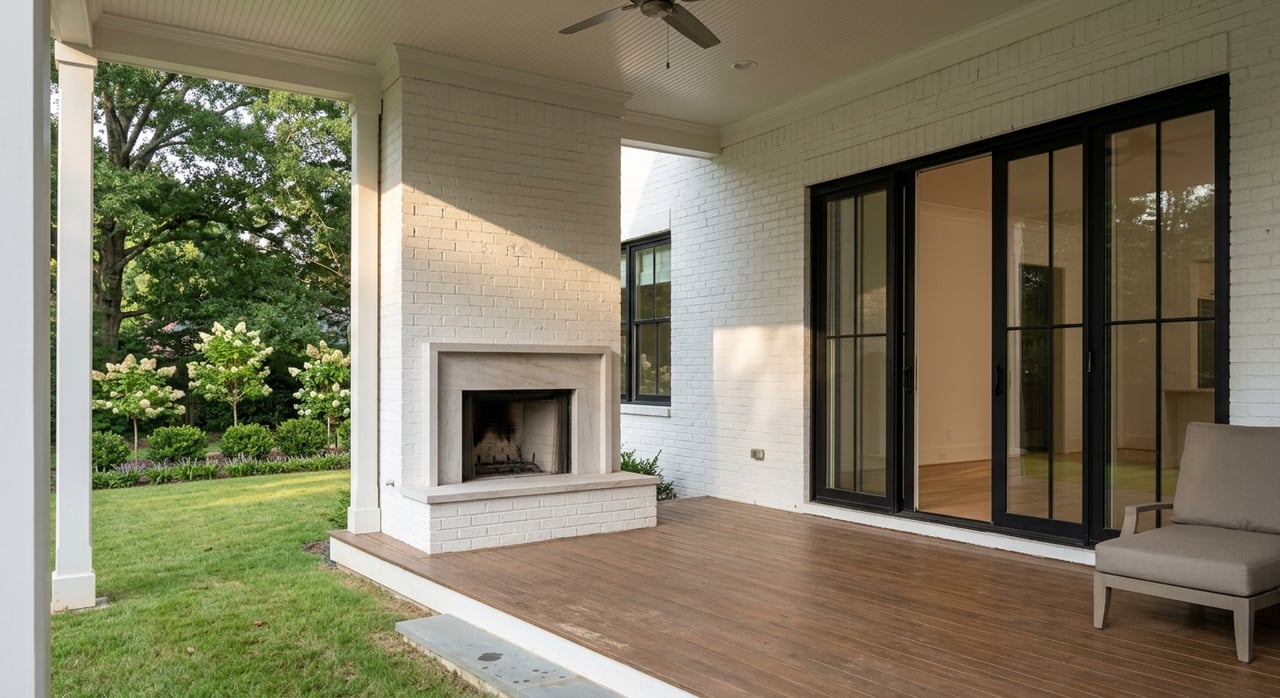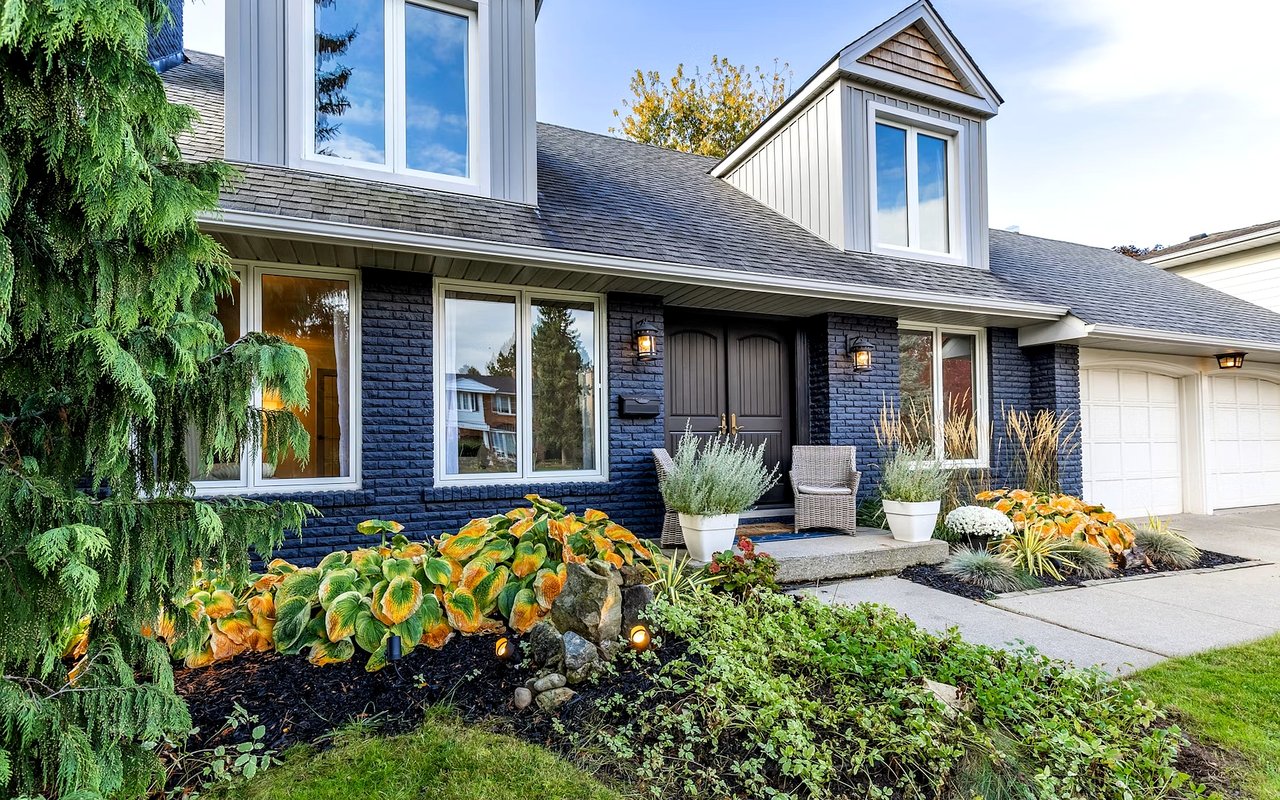
If you have ever driven through Myers Park and wondered why the neighborhood feels so distinct, the answer is not just the homes. It is the way the streets curve, how the lots sit back from the road, and how each house contributes to a larger, landscaped setting. If you are thinking about buying, selling, or renovating here, understanding the area’s architecture can help you read value more clearly and ask better questions. Let’s dive in.
Why Myers Park Feels Different
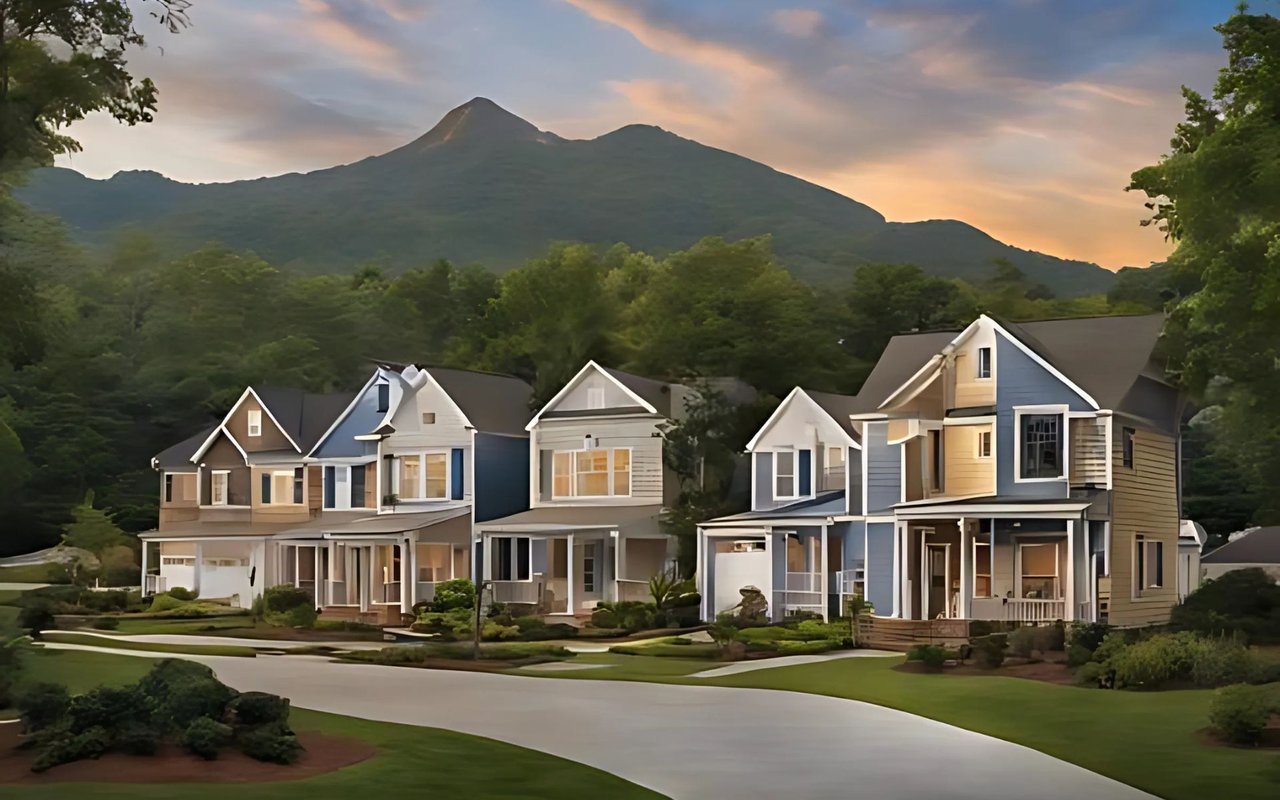
Myers Park was conceived as a planned streetcar suburb in the early 1910s. Its design emphasized curving streets, planted medians and sidewalks, generous setbacks, and no front-yard fences. The goal was to create a continuous green landscape instead of a tighter urban grid.
That original planning still shapes the neighborhood today. A City of Charlotte architectural survey describes Myers Park as Charlotte’s finest planned streetcar suburb, known for winding streets, broad lots, and revival-style residences. The National Register district was listed in 1987 and includes 970 individual resources.
For you as a buyer or seller, that context matters. In Myers Park, the setting is part of the appeal, not just the square footage inside the house. Street presence, lot placement, and how a home fits the block all carry weight.
Key Myers Park Home Styles
Myers Park does not have one single architectural style. Instead, it has a strong collection of historic styles that developed over several decades, with later homes adding another layer to the neighborhood.
Colonial Revival Homes
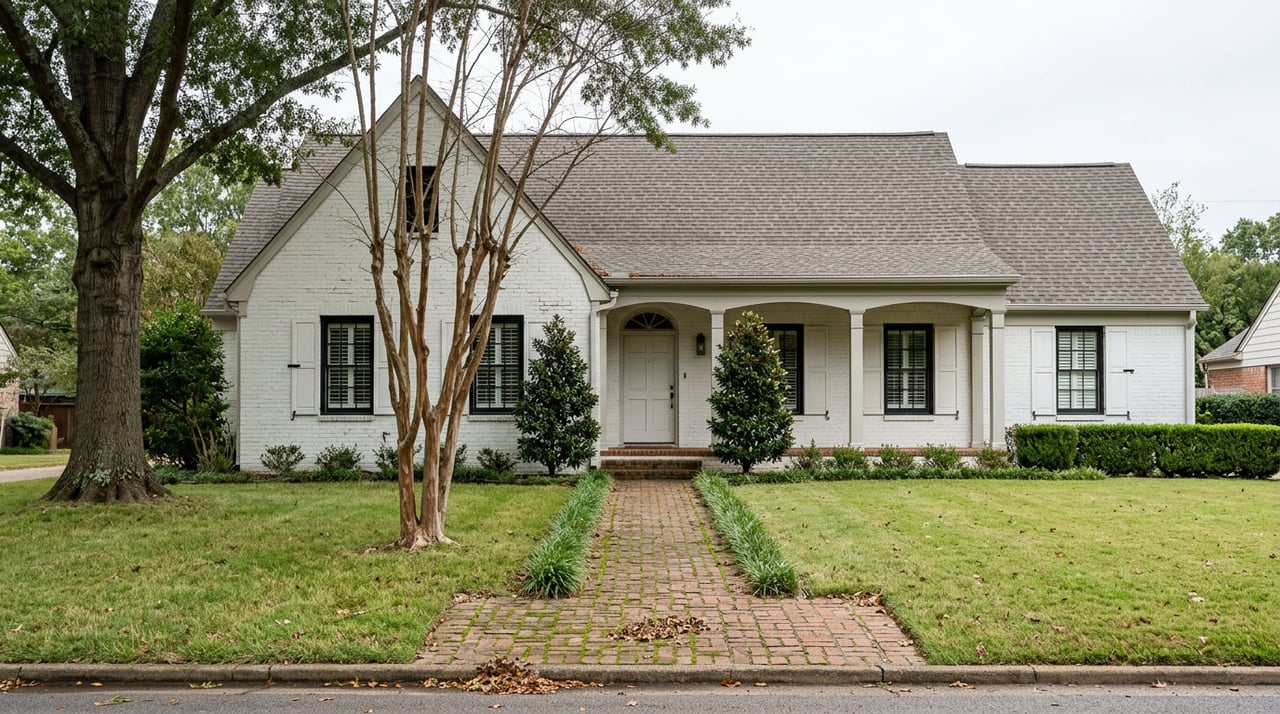
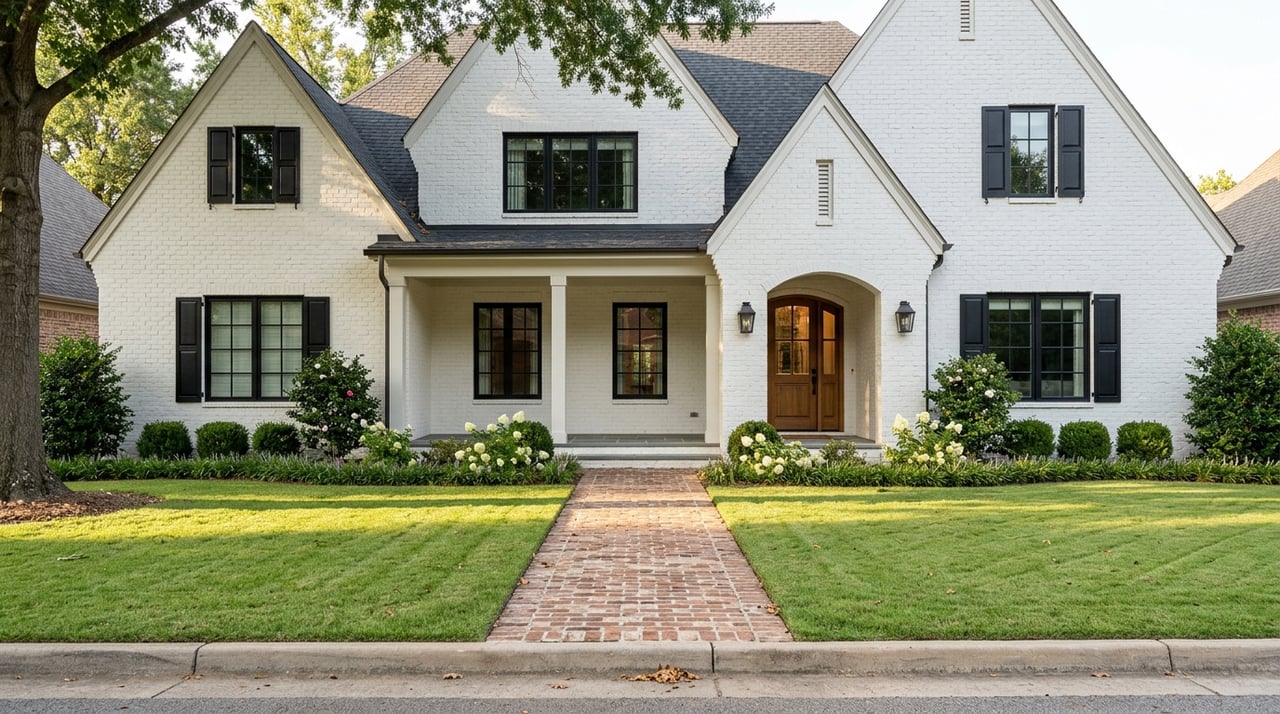
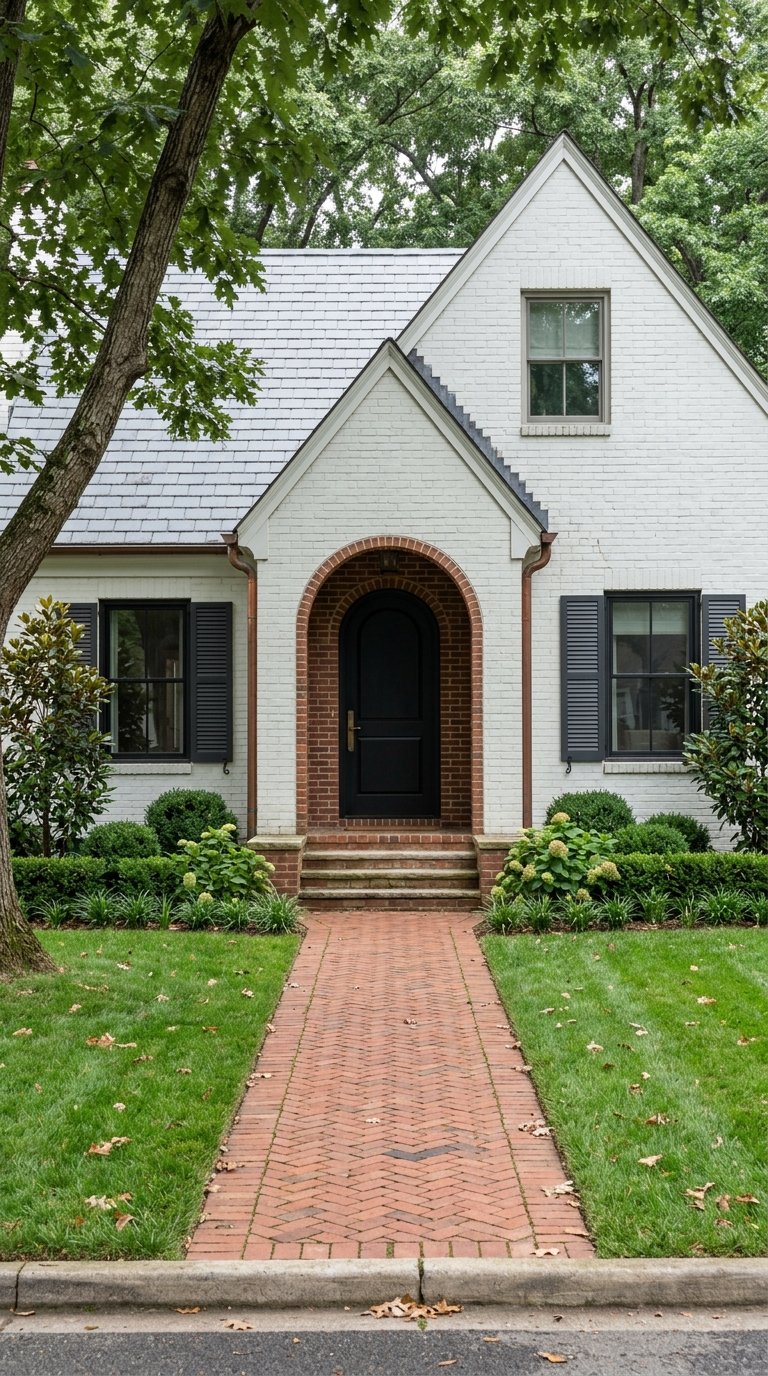
Colonial Revival is one of the most common styles in Myers Park. These homes are typically more symmetrical and formal in appearance, which gives them a stately, balanced look from the street.
The National Register inventory notes that more than 150 Colonial Revival residences lined side streets in the neighborhood. Many homes from the 1930s were also Colonial Revival, often built as two-story red brick houses. If you are drawn to classic proportions and a timeless exterior, this is one of Myers Park’s defining styles.
Tudor Revival Homes
Tudor Revival is another major part of Myers Park’s identity. In fact, the National Register inventory says the neighborhood has one of the best collections of Tudor Revival houses in North Carolina.
These homes often stand out because they feel more textured and storybook-like than Colonial Revival homes. The 1920s brought more than 60 Tudor Revival examples to the district, helping shape the visual character many people now associate with Myers Park.
Bungalow-Era Homes
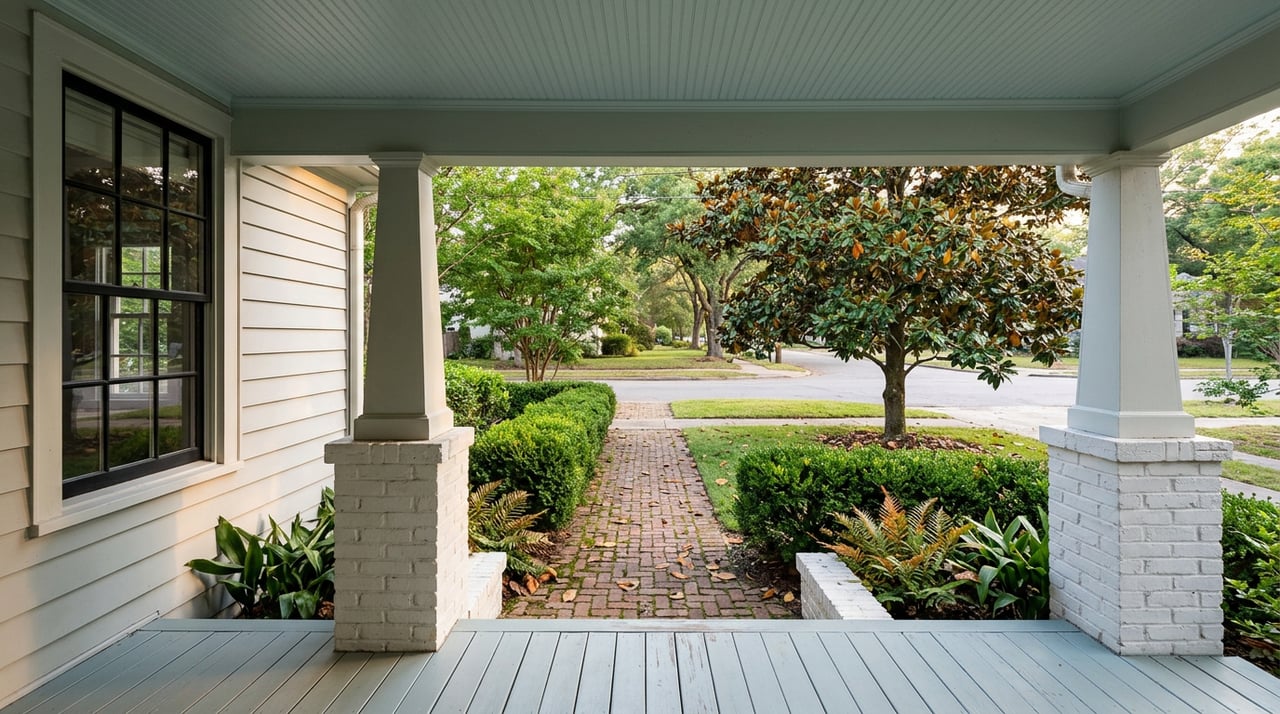
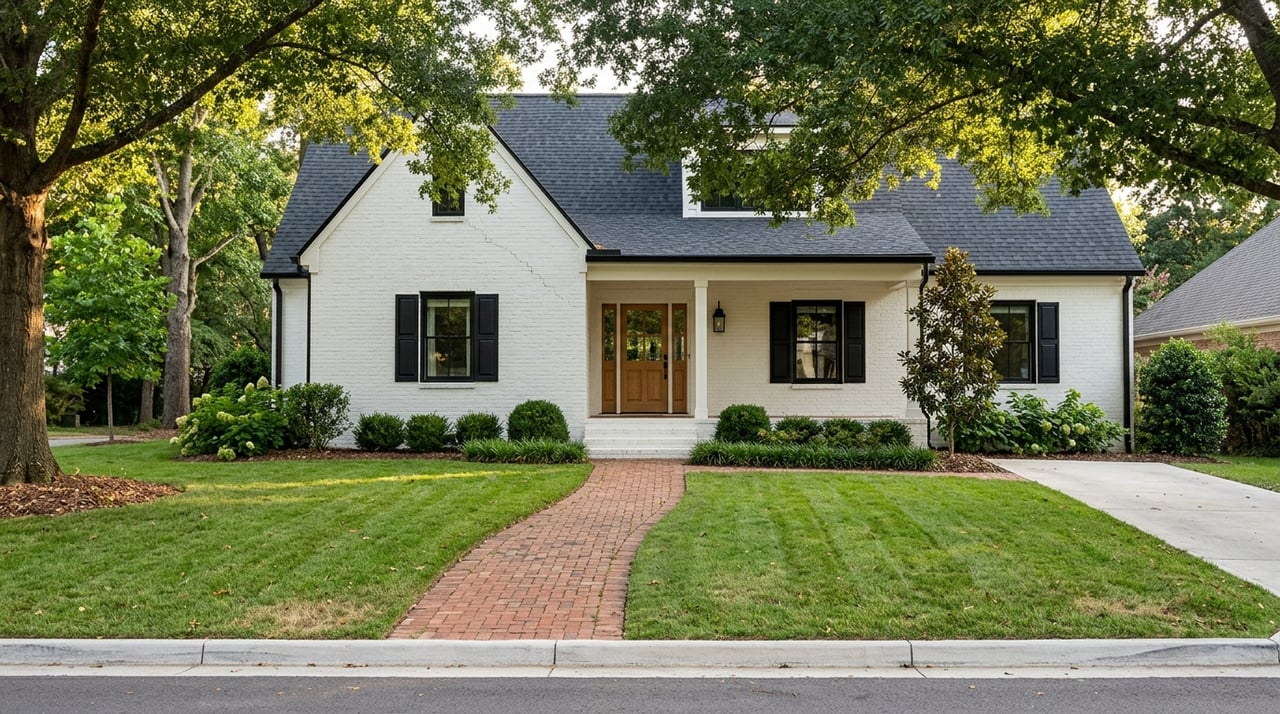
Bungalow homes add a different feel to the neighborhood. The inventory describes them as low houses with broad porches, spreading roofs, and a handcrafted look.
That porch-centered design can make these homes feel more relaxed and informal. In a neighborhood known for large, formal residences, bungalows provide an important contrast and help explain why Myers Park feels layered rather than uniform.
Ranch and Modernist Homes
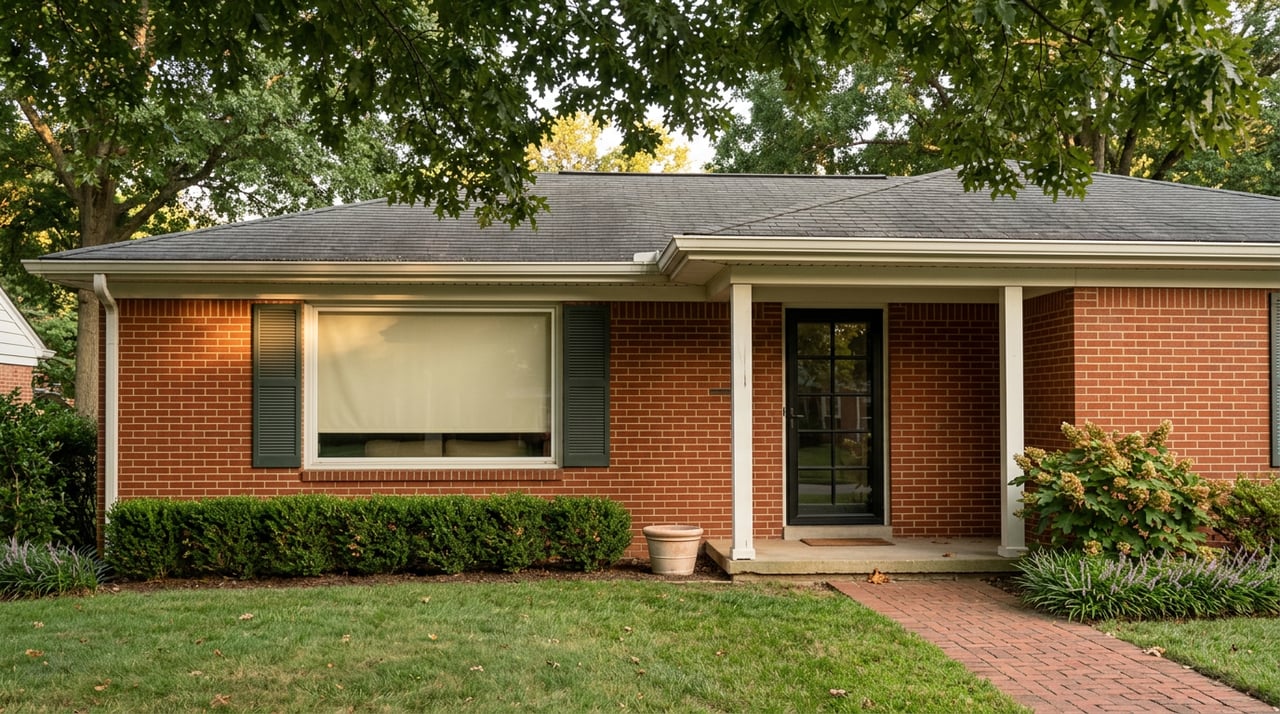
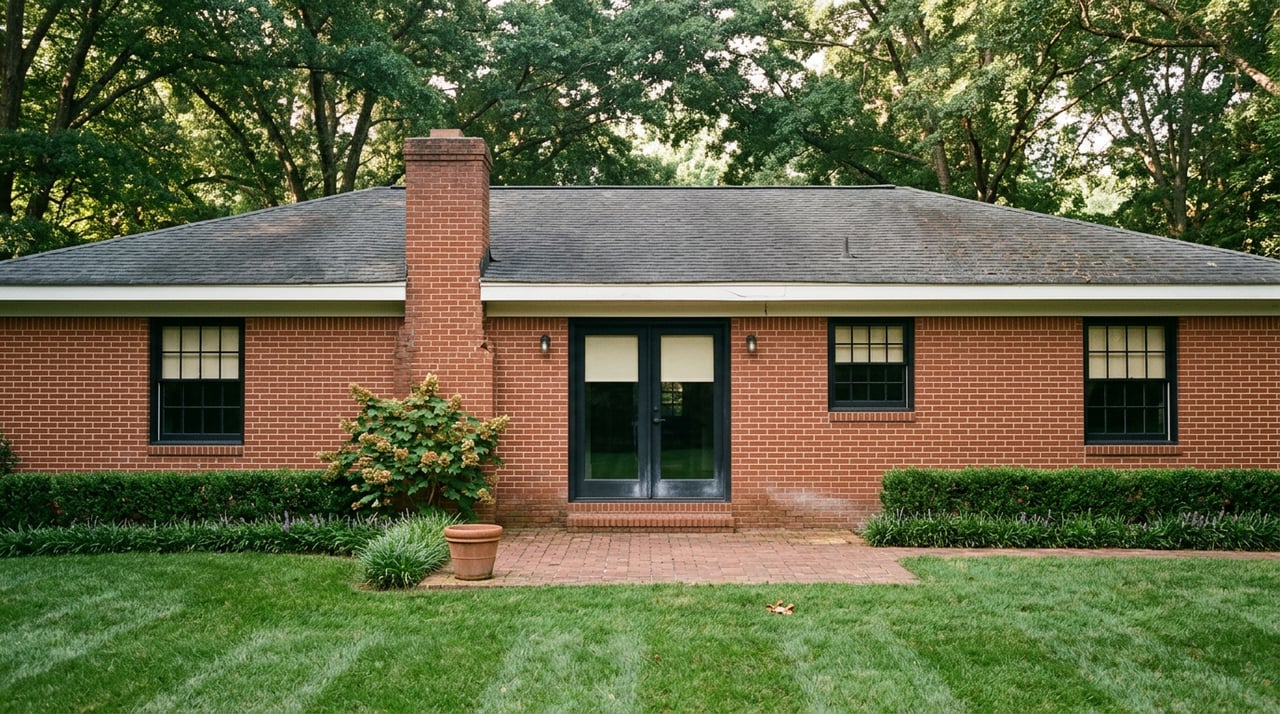
As Myers Park continued to fill in through the 1940s, 1950s, and later years, newer styles appeared. The National Register inventory notes that one-story Ranch houses marked a sharper break from earlier home styles, while a later city survey identified well-preserved Colonial Revival, Ranch-style, and modernist dwellings from 1944 to 1964.
These homes may appeal to buyers who want a different layout or a later construction period within the same neighborhood setting. They are part of the Myers Park story too, especially on postwar blocks and infill sites.
Why the 1920s Matter So Much
If Myers Park has a signature decade, it is the 1920s. That period established much of the neighborhood’s visual identity and shifted construction toward masonry, especially red brick.
The National Register inventory explains that most 1920s houses were executed in red brick, while Bungalow-influenced designs continued and Tudor and Colonial Revival homes expanded across the neighborhood. This is one reason so many Myers Park streets feel consistent even when the individual houses are different. The materials, setbacks, and scale often tie them together.
For buyers, this helps explain why one block may feel especially cohesive. For sellers, it helps frame how architectural character can influence presentation and buyer interest.
Lot Patterns Shape Daily Living
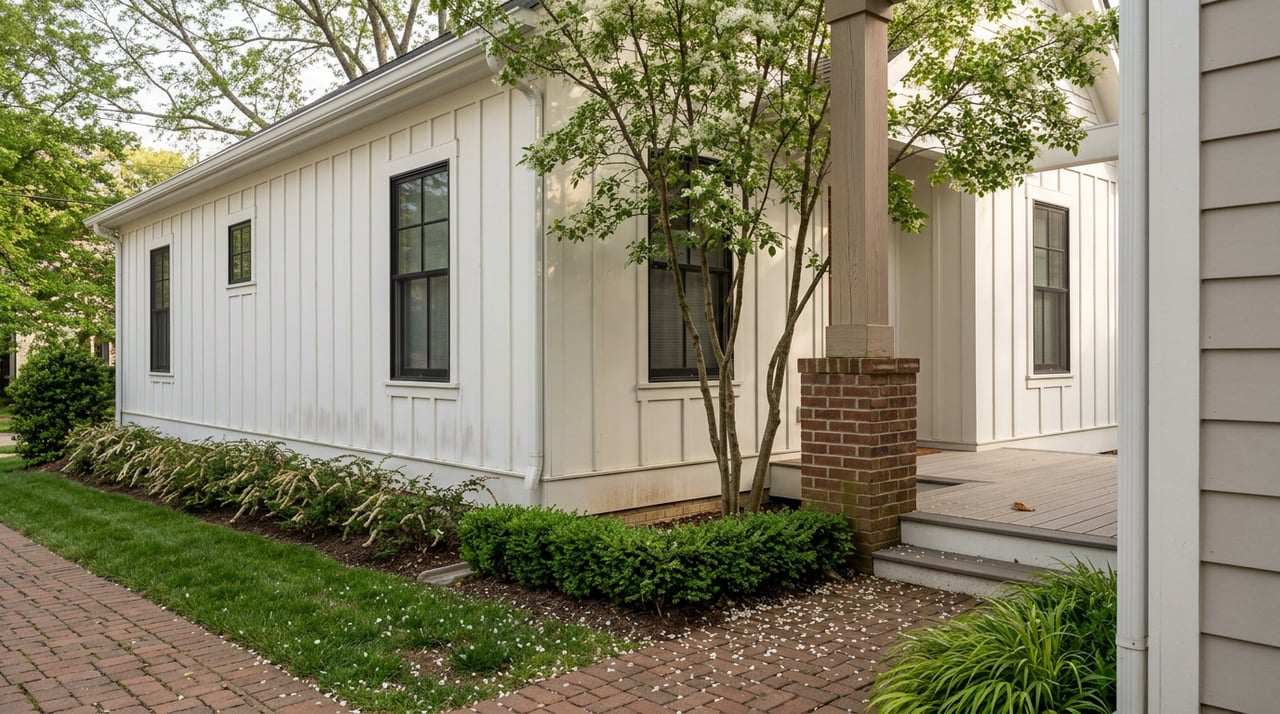
In Myers Park, architecture and lot design go hand in hand. The neighborhood was planned to feel open and landscaped, with setbacks and greenery playing a central role.
Some early lots were promoted at about 100 by 200 feet on Queens and Brannon, while later lots on Beverly Avenue averaged roughly 60 by 150 feet. That means lot size and shape can vary more than you might expect, even within the same neighborhood.
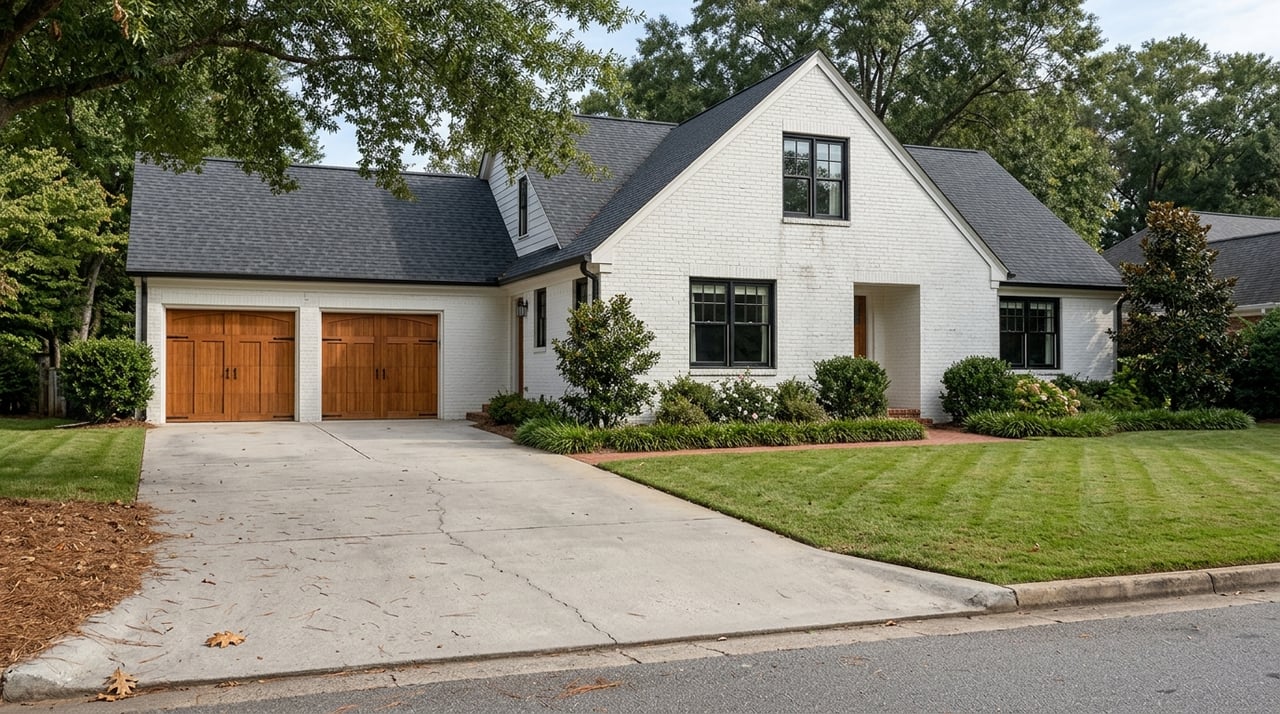
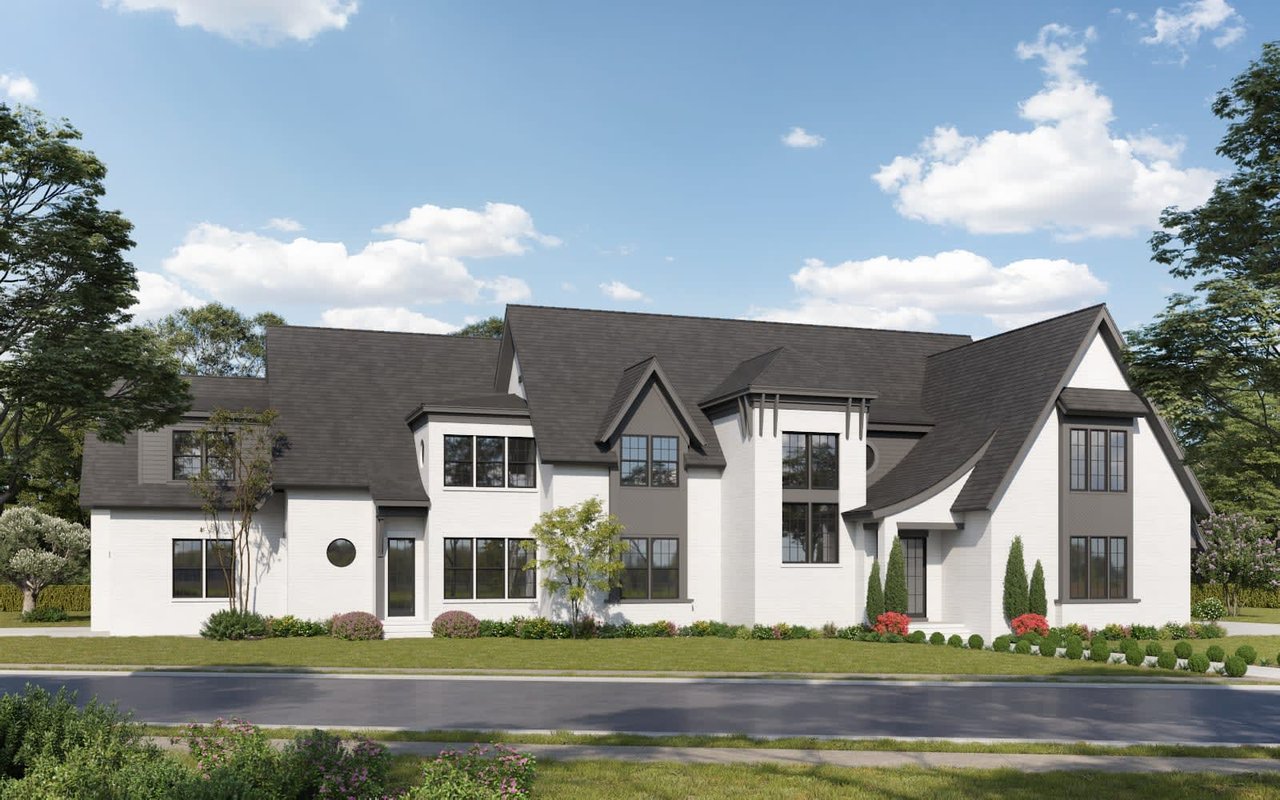
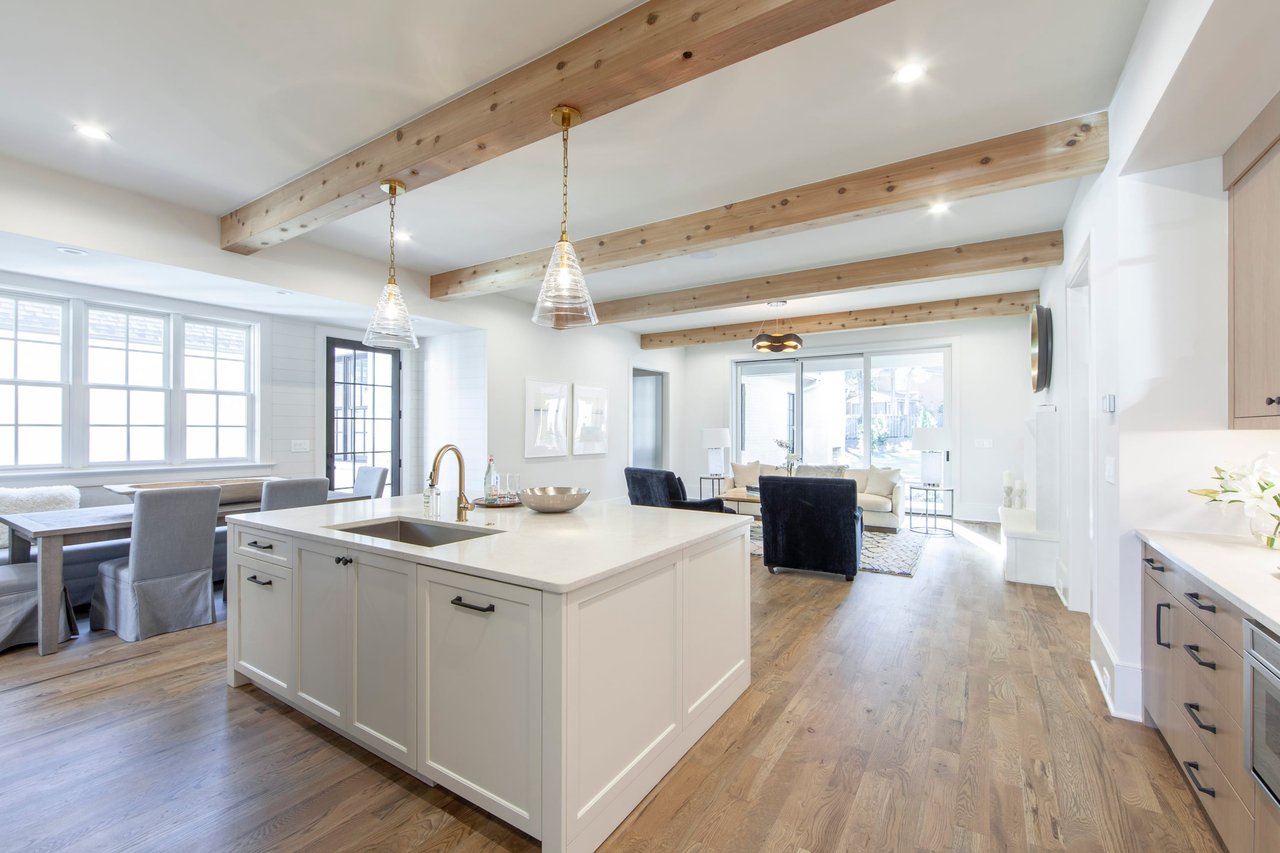
This has practical effects on daily use. A home on an original larger lot may offer a different sense of privacy, yard space, and approach from the street than a later infill property. Newer homes may offer more updated floor plans and larger usable interior space, but they can also sit on tighter or more irregular lots, especially near district edges where vacant parcels or smaller dwellings were later replaced.
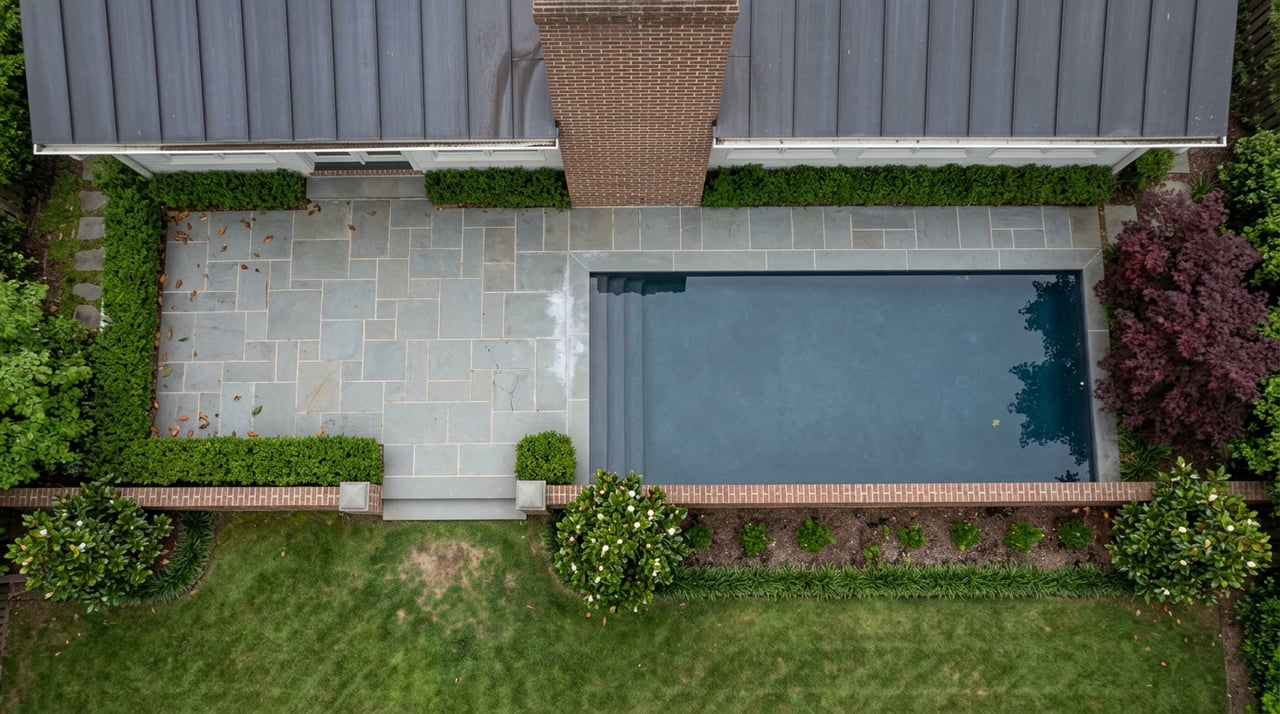
The tree canopy is also a major part of the experience. Myers Park’s original planting program helped create the park-like setting that still defines the neighborhood, so outdoor planning is not just about the backyard. Driveway layout, side-yard circulation, and how an addition fits the established setback pattern can all matter.
Original Homes vs. Infill Homes
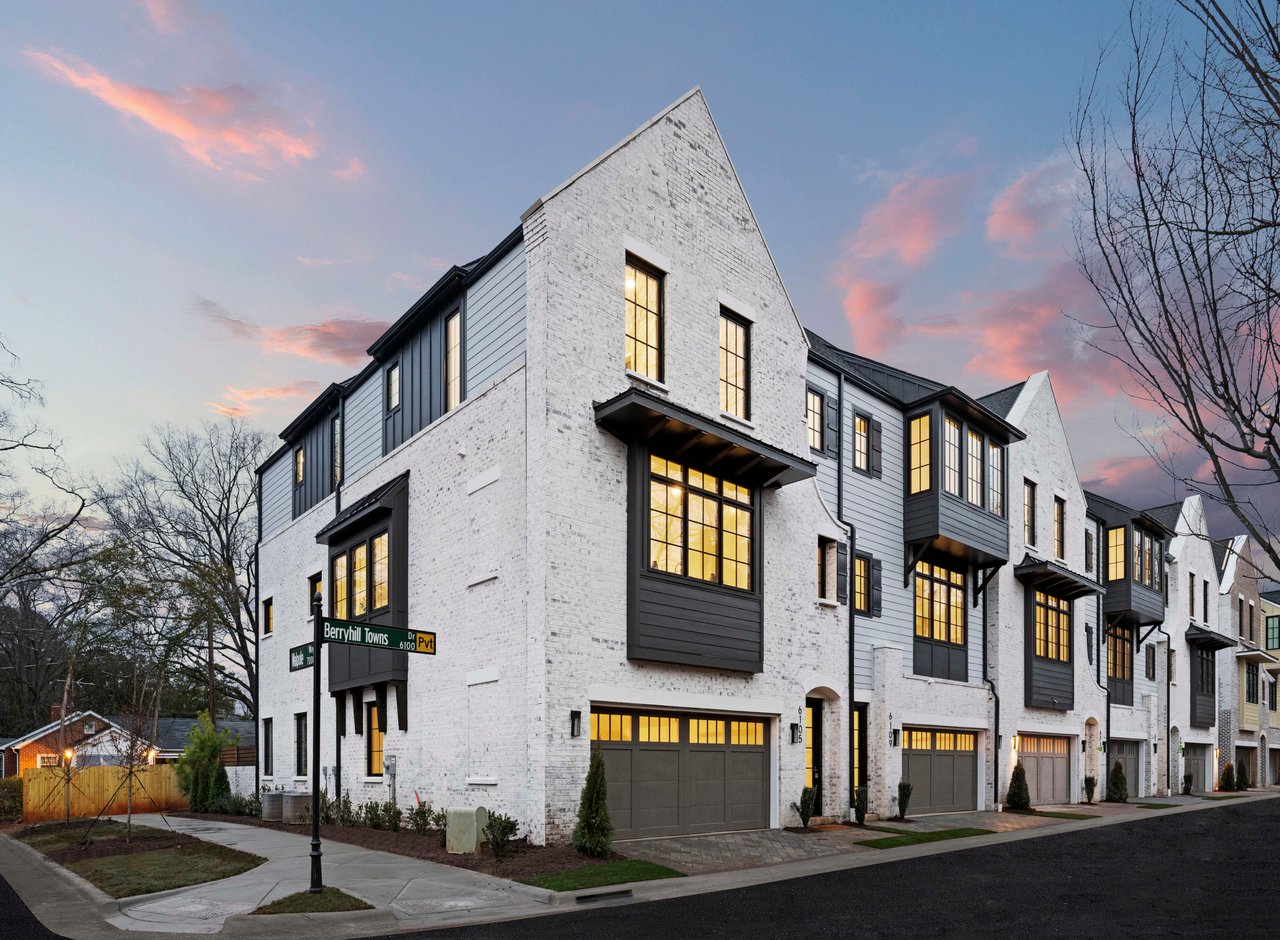
One of the most useful ways to understand a Myers Park property is to compare an original lot and home to a later infill site. That distinction often tells you more than simply calling something old or new.
Older homes from the 1910s through 1930s often carry the architectural detail buyers love most, especially in Colonial Revival, Tudor Revival, and Bungalow styles. At the same time, later homes may offer more open living space, newer systems, and layouts that align more closely with current preferences.
Neither option is automatically better. The right fit depends on whether you value historic character, easier updates, larger interiors, a more established lot pattern, or some mix of all four. In Myers Park, those tradeoffs are especially important because each block can feel a little different.
Historic District Terms You Should Know
If you are considering a home in Myers Park, a few local terms can make the process much clearer.
National Register vs. Local Historic District
This is one of the most important distinctions in Myers Park. The broader Myers Park area includes a National Register district, but not every property falls under the same local review rules.
The City of Charlotte identifies Hermitage Court as a subsection of Myers Park that is a Local Historic District. In a Local Historic District, exterior work requires Historic District Commission permission and a Certificate of Appropriateness before construction begins.
That approval process can apply to items such as windows and doors, fencing, tree removal, and new construction. So if you are comparing two homes in Myers Park, it is important to know whether one is in Hermitage Court or another National Register-only area where the review process is different.
Contributing vs. Non-Contributing
Another helpful term is contributing versus non-contributing resource. These labels are used in historic documentation to describe how a house relates to the district’s historic character.
In simple terms, a contributing home is one that helps represent the district’s historic significance. A later home may still fit the neighborhood well, but it may be classified differently depending on age, design, and how it relates to the established pattern.
What Buyers Should Pay Attention To
When you tour homes in Myers Park, style is only one part of the picture. You also want to understand how the architecture, lot, and any updates work together.
A few smart questions to keep in mind include:
- Is this an original home or a later infill home?
- What architectural style does it reflect most clearly?
- Does the lot feel original to the neighborhood pattern or more compact?
- Has the home kept original exterior elements, or has it been heavily altered?
- Is the property located in Hermitage Court, where exterior changes require local historic approval?
These questions can help you compare homes more accurately. They also help you look beyond finishes and understand long-term usability, renovation options, and neighborhood fit.
Why Architectural Context Matters in Myers Park
In many neighborhoods, architecture is mostly about personal taste. In Myers Park, it is also about context, planning history, and how each property fits a long-established streetscape.
That is why a strategic view matters. Buyers often need help evaluating character versus convenience, and sellers benefit from understanding which features are truly distinctive in the eyes of the market. Infill, renovation potential, lot pattern, and style are not separate conversations here. They are part of the same decision.
If you are thinking about buying or selling in Myers Park, working with a team that understands both neighborhood character and development context can make the process much clearer. Charlotte Living Realty Group brings a thoughtful, local perspective to Charlotte neighborhoods where architecture, land, and long-term value all intersect.
FAQs
What architectural styles are most common in Myers Park?
- The predominant styles identified in the Myers Park National Register inventory are Colonial Revival, Tudor Revival, and Bungalow, with later Ranch and modernist homes appearing in postwar blocks and infill areas.
What makes Myers Park architecture feel so distinctive?
- Myers Park’s character comes from both its homes and its original planning, including curving streets, planted medians and sidewalks, generous setbacks, broad lots, and a continuous landscaped feel.
What is the difference between Myers Park’s National Register area and a Local Historic District?
- The broader Myers Park area includes a National Register district, while Hermitage Court is a Local Historic District where exterior changes require Historic District Commission permission and a Certificate of Appropriateness before work begins.
What should buyers know about Myers Park lot sizes?
- Lot sizes can vary by era, with some early lots promoted at about 100 by 200 feet and some later lots averaging roughly 60 by 150 feet, which can affect privacy, yard space, and how a home sits on the property.
What does contributing resource mean in Myers Park?
- A contributing resource is a property that helps represent the historic character and significance of the district based on its age, design, and relationship to the neighborhood’s established pattern.
Are newer homes in Myers Park very different from original homes?
- They can be, because newer homes often offer more updated layouts and larger usable interior space, while original homes may offer stronger historic character, older materials, and a different lot relationship to the street.