By The Charlotte Living Realty Group
Charlotte, North Carolina is not a secret anymore. What was once a quietly growing banking city has become one of the most closely watched real estate investment markets in the entire country, and for very good reason.
At The Charlotte Living Realty Group, we work with investors at every level of experience, from first-time buyers purchasing their initial rental property to seasoned portfolio builders acquiring multifamily assets across the metro. What we tell every single one of them is the same: understanding this market deeply before you commit capital is the most important thing you can do. This guide is designed to give you exactly that foundation.
Why Charlotte Continues to Attract Real Estate Investors
The case for investing in Charlotte begins with the fundamentals, and the fundamentals here are genuinely strong. Charlotte is the second-largest banking center in the United States, behind only New York City. Major financial institutions including Bank of America and Wells Fargo maintain significant operations here, anchoring a white-collar employment base that drives consistent housing demand across the metro.
Beyond finance, Charlotte has diversified meaningfully over the past decade. The technology sector has grown substantially, with companies in fintech, healthcare technology, and logistics establishing operations in the University Research Park corridor and throughout the broader metro area. This employment diversification matters to investors because it means demand for housing is not tied to a single industry's fortunes.
Population growth is the other factor that makes Charlotte compelling. Mecklenburg County continues to rank among the fastest-growing counties in the Southeast, with tens of thousands of new residents arriving each year from higher-cost metros including New York, Washington D.C., Chicago, and South Florida.
These relocators bring purchasing power, rental demand, and long-term commitment to the market. They are not temporary residents. They are putting down roots, and that creates durable investment conditions.
Beyond finance, Charlotte has diversified meaningfully over the past decade. The technology sector has grown substantially, with companies in fintech, healthcare technology, and logistics establishing operations in the University Research Park corridor and throughout the broader metro area. This employment diversification matters to investors because it means demand for housing is not tied to a single industry's fortunes.
Population growth is the other factor that makes Charlotte compelling. Mecklenburg County continues to rank among the fastest-growing counties in the Southeast, with tens of thousands of new residents arriving each year from higher-cost metros including New York, Washington D.C., Chicago, and South Florida.
These relocators bring purchasing power, rental demand, and long-term commitment to the market. They are not temporary residents. They are putting down roots, and that creates durable investment conditions.
Understanding Charlotte's Investment Submarkets
One of the most important things we help investors understand is that Charlotte is not one market. It is a collection of distinct submarkets, each with its own price points, tenant profiles, appreciation trajectories, and risk characteristics. Knowing which submarket aligns with your investment strategy is essential.
South End and Uptown Charlotte
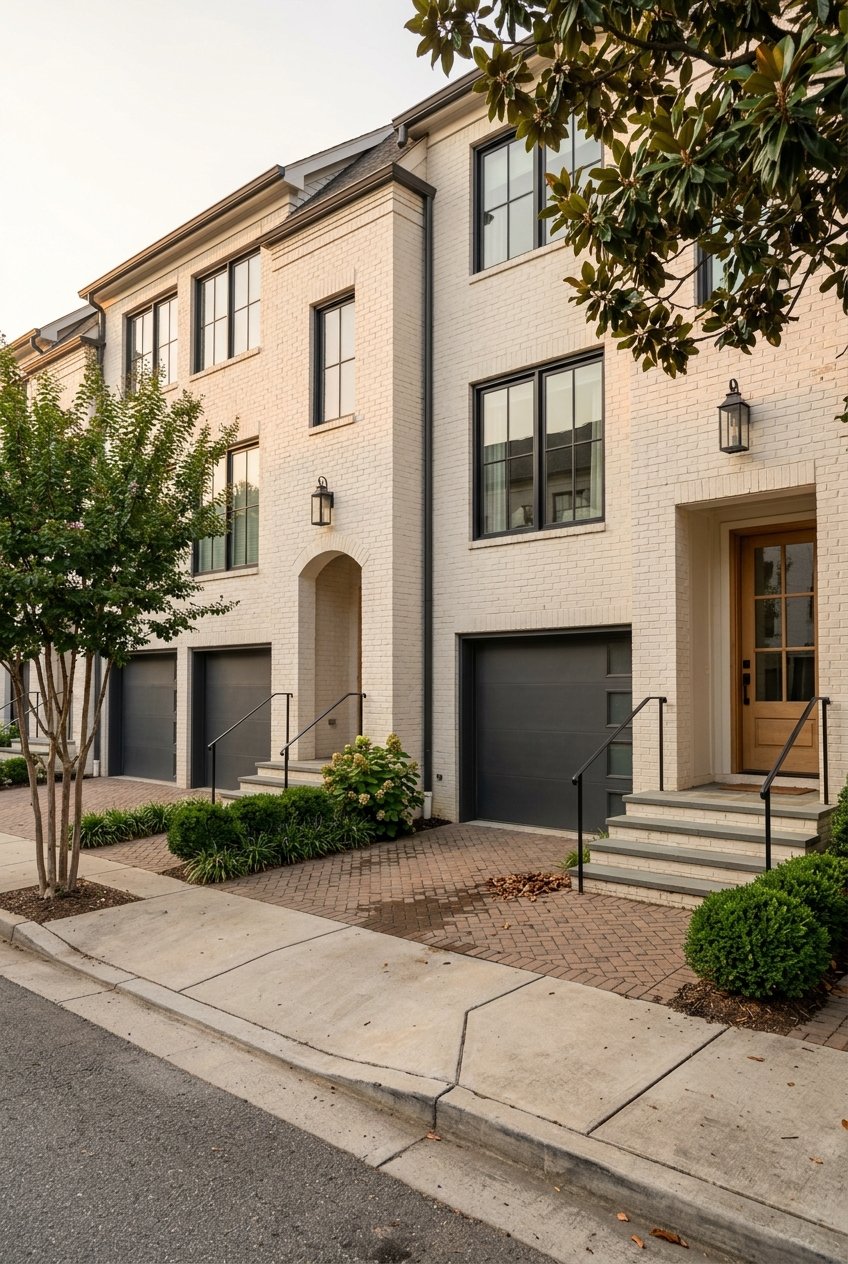
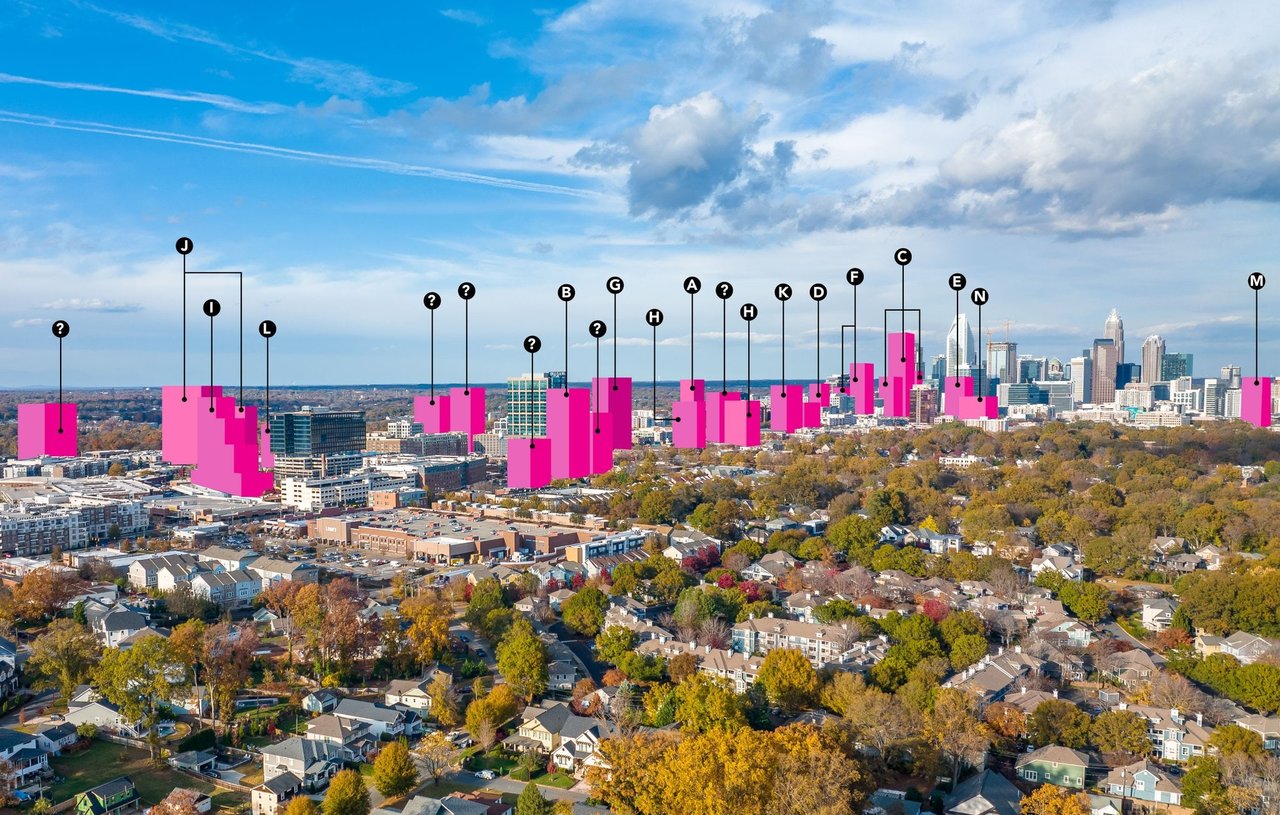
These urban core neighborhoods attract young professionals, remote workers, and relocators from larger cities who want walkable, amenity-rich environments. Rental demand in South End and the areas immediately surrounding Uptown is consistently strong, and new development has not fully satisfied that demand. Investors here typically focus on condominiums, townhomes, and smaller multifamily assets.
Cap rates are compressed in these areas, but appreciation has been reliable and tenant quality tends to be high.
Cap rates are compressed in these areas, but appreciation has been reliable and tenant quality tends to be high.
South Charlotte and Ballantyne
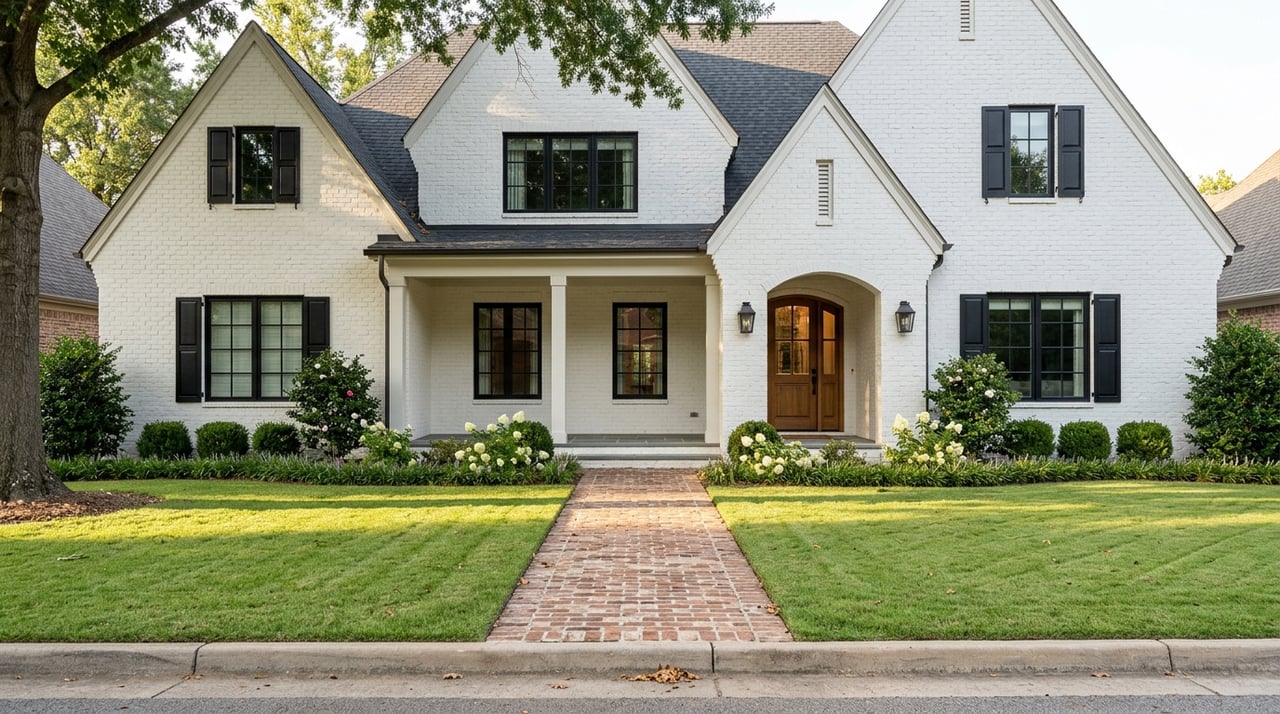
This corridor, which spans from Pineville through Ballantyne and into Union County, is one of the strongest single-family rental markets in the metro. The school districts here, including those in the Ballantyne area and Union County, drive significant family housing demand. Investors who purchase well-located single-family homes in this corridor tend to see strong occupancy rates, longer tenancy duration, and consistent appreciation.
The profile of the tenant here is distinctly different from the urban core, typically dual-income professional families who prefer renting while they evaluate the market before purchasing.
The profile of the tenant here is distinctly different from the urban core, typically dual-income professional families who prefer renting while they evaluate the market before purchasing.
Lake Norman and Huntersville
The Lake Norman submarket, which encompasses Huntersville, Cornelius, Davidson, and Mooresville, has evolved from a weekend retreat destination into a legitimate primary residence market with strong employment and lifestyle infrastructure. Single-family rental demand here is driven by professionals relocating for corporate positions in the northern corridor and families seeking top-performing schools in the Lake Norman area. This submarket has seen meaningful appreciation over the past several years and continues to attract investor interest at multiple price points.
East Charlotte and NoDa
For investors with a value-add orientation, East Charlotte and the areas surrounding the NoDa arts district represent some of the most interesting opportunity in the metro. These neighborhoods are in active transition, with significant private and public investment reshaping the character of the area.
Investors who have the patience and expertise to acquire, renovate, and hold assets in transitional neighborhoods have generated strong returns here, though the strategy requires more hands-on management and market knowledge than stabilized suburban assets.
Investors who have the patience and expertise to acquire, renovate, and hold assets in transitional neighborhoods have generated strong returns here, though the strategy requires more hands-on management and market knowledge than stabilized suburban assets.
The Numbers That Matter to Charlotte Investors
Investing intelligently requires understanding the financial metrics that define performance in a given market. In Charlotte, investors should be tracking several key data points as part of their due diligence process.
Rental rates have grown substantially across the metro, with single-family rental homes in desirable South Charlotte submarkets achieving strong monthly rents that support positive cash flow for appropriately leveraged acquisitions. The urban core commands premium rents per square foot, while suburban markets offer larger units at price points that attract stable long-term tenants.
Property tax rates in Mecklenburg County are a meaningful line item in any investment underwriting. North Carolina's landlord-friendly legal environment is an often-underappreciated advantage that affects vacancy costs, eviction timelines, and overall operating risk compared to many other states competing for investor capital.
Home price appreciation in Charlotte has been consistent over the long term, with periodic cycles of accelerated growth followed by stabilization. Investors who adopt a hold strategy of five years or longer have historically been rewarded in the Charlotte market regardless of the specific entry point within a given cycle.
Rental rates have grown substantially across the metro, with single-family rental homes in desirable South Charlotte submarkets achieving strong monthly rents that support positive cash flow for appropriately leveraged acquisitions. The urban core commands premium rents per square foot, while suburban markets offer larger units at price points that attract stable long-term tenants.
Property tax rates in Mecklenburg County are a meaningful line item in any investment underwriting. North Carolina's landlord-friendly legal environment is an often-underappreciated advantage that affects vacancy costs, eviction timelines, and overall operating risk compared to many other states competing for investor capital.
Home price appreciation in Charlotte has been consistent over the long term, with periodic cycles of accelerated growth followed by stabilization. Investors who adopt a hold strategy of five years or longer have historically been rewarded in the Charlotte market regardless of the specific entry point within a given cycle.
Investment Strategies That Work Well in Charlotte
At The Charlotte Living Realty Group, we work with investors pursuing several distinct strategies, and the Charlotte market accommodates all of them thoughtfully.
The buy-and-hold rental strategy is the most common approach we see from investors who are new to the Charlotte market. Acquiring a single-family home or small multifamily property, placing a qualified tenant, and holding for five to ten or more years allows investors to build equity through appreciation while generating cash flow from rental income. The key in Charlotte is submarket selection and acquisition price discipline.
The house-hack strategy has gained significant traction among younger investors and recent relocators. Purchasing a duplex, triplex, or larger home with an accessory dwelling unit, occupying one unit, and renting the others allows owner-occupants to significantly offset their housing costs while building equity.
Charlotte's zoning landscape has evolved in recent years to accommodate more accessory dwelling units, which has created new opportunities for this strategy.
Short-term rental investment in Charlotte deserves serious consideration, particularly in areas with proximity to Uptown, major sporting venues including Bank of America Stadium and Spectrum Center, and the University Research Park. Charlotte draws corporate travelers, sports fans, and event attendees year-round.
A well-managed short-term rental in a strategically located neighborhood can generate meaningfully higher gross revenue than a comparable long-term rental, though the strategy requires more active management and carries more operational complexity.
New construction investment is another avenue that The Charlotte Living Realty Group helps clients navigate. Charlotte's growth has created strong demand for new inventory, and investors who purchase new construction in emerging corridors often benefit from builder incentives, lower initial maintenance costs, and the appeal of a new product to high-quality tenants.
The buy-and-hold rental strategy is the most common approach we see from investors who are new to the Charlotte market. Acquiring a single-family home or small multifamily property, placing a qualified tenant, and holding for five to ten or more years allows investors to build equity through appreciation while generating cash flow from rental income. The key in Charlotte is submarket selection and acquisition price discipline.
The house-hack strategy has gained significant traction among younger investors and recent relocators. Purchasing a duplex, triplex, or larger home with an accessory dwelling unit, occupying one unit, and renting the others allows owner-occupants to significantly offset their housing costs while building equity.
Charlotte's zoning landscape has evolved in recent years to accommodate more accessory dwelling units, which has created new opportunities for this strategy.
Short-term rental investment in Charlotte deserves serious consideration, particularly in areas with proximity to Uptown, major sporting venues including Bank of America Stadium and Spectrum Center, and the University Research Park. Charlotte draws corporate travelers, sports fans, and event attendees year-round.
A well-managed short-term rental in a strategically located neighborhood can generate meaningfully higher gross revenue than a comparable long-term rental, though the strategy requires more active management and carries more operational complexity.
New construction investment is another avenue that The Charlotte Living Realty Group helps clients navigate. Charlotte's growth has created strong demand for new inventory, and investors who purchase new construction in emerging corridors often benefit from builder incentives, lower initial maintenance costs, and the appeal of a new product to high-quality tenants.
Common Mistakes Charlotte Investors Make
Experience has shown us that the most common errors investors make in the Charlotte market are predictable and avoidable. Overpaying in a competitive acquisition environment is the most frequent mistake, particularly for investors who do not have a strong understanding of submarket-specific comparable values.
Underestimating operating expenses, including property management fees, maintenance reserves, insurance, and vacancy, is another consistent error that erodes projected returns. And failing to account for property tax reassessment cycles in Mecklenburg County can significantly affect cash flow projections for investors who modeled their underwriting on the current assessed value.
Working with a team that knows this market at a granular level is not a luxury for Charlotte investors. It is a genuine competitive advantage.
Underestimating operating expenses, including property management fees, maintenance reserves, insurance, and vacancy, is another consistent error that erodes projected returns. And failing to account for property tax reassessment cycles in Mecklenburg County can significantly affect cash flow projections for investors who modeled their underwriting on the current assessed value.
Working with a team that knows this market at a granular level is not a luxury for Charlotte investors. It is a genuine competitive advantage.
Frequently Asked Questions
Is Charlotte still a good market for real estate investors in 2026?
Yes. Charlotte's population growth, employment diversification, and relative affordability compared to coastal markets continue to create favorable conditions for investors across multiple strategies. The fundamentals that have driven the market remain intact.
What type of property is best for a first-time investor in Charlotte?
Single-family homes in stable suburban submarkets like South Charlotte, Huntersville, and Ballantyne area are often the most accessible starting point for first-time investors. They are easier to finance, manage, and exit than multifamily assets, and tenant demand in these corridors is consistently strong.
Do I need to live in Charlotte to invest in the Charlotte real estate market?
No. Many of our investor clients are out-of-state buyers who rely on a trusted local team for acquisition guidance and ongoing property management coordination. Having the right local relationships is essential for remote investors to succeed in this market.
How do I evaluate whether a specific property will generate positive cash flow in Charlotte?
Proper underwriting requires accurate rental rate data for the specific submarket, realistic expense assumptions including property management, taxes, insurance, maintenance, and vacancy, and a financing structure that supports positive returns at the current interest rate environment. This is exactly the kind of analysis The Charlotte Living Realty Group helps our investor clients work through before they commit to an acquisition.
What neighborhoods in Charlotte have the most appreciation potential right now?
We are closely watching the areas surrounding the Blue Line light rail extension, East Charlotte transitional neighborhoods, and emerging corridors in the northwest metro. Appreciation potential is always tied to the specific acquisition price, so the best opportunity is not always in the hottest neighborhood. It is in the right asset at the right price in a neighborhood with clear positive momentum.
Real estate investment in Charlotte is one of the most compelling wealth-building opportunities available in the Southeast today, but success in this market requires local expertise, disciplined underwriting, and a long-term perspective.
At The Charlotte Living Realty Group, we are committed to helping our investor clients navigate this market with clarity and confidence. Visit us at charlottelivingrealty.com to start a conversation about your investment goals and how we can help you build a Charlotte portfolio that performs.
Real estate investment in Charlotte is one of the most compelling wealth-building opportunities available in the Southeast today, but success in this market requires local expertise, disciplined underwriting, and a long-term perspective.
At The Charlotte Living Realty Group, we are committed to helping our investor clients navigate this market with clarity and confidence. Visit us at charlottelivingrealty.com to start a conversation about your investment goals and how we can help you build a Charlotte portfolio that performs.