You do not have to look far in Villa Heights to see why new construction gets so much attention. This is a neighborhood where established homes, redevelopment sites, transit access, and growing amenities all meet on a relatively tight grid. If you are thinking about buying a new home here, it helps to know that not every opportunity will feel, function, or age the same. This guide will show you what to compare, what questions to ask, and how to evaluate Villa Heights new construction with more confidence. Let’s dive in.
Why Villa Heights draws new construction
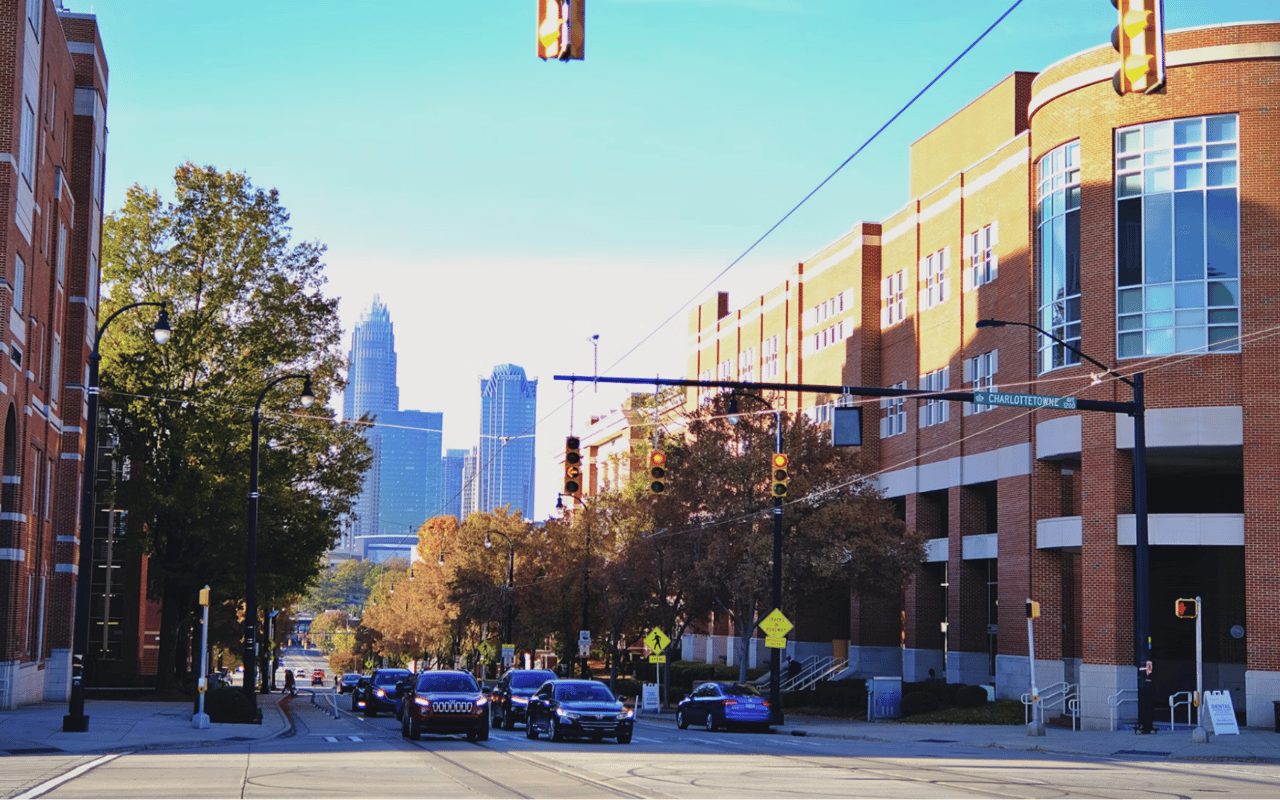
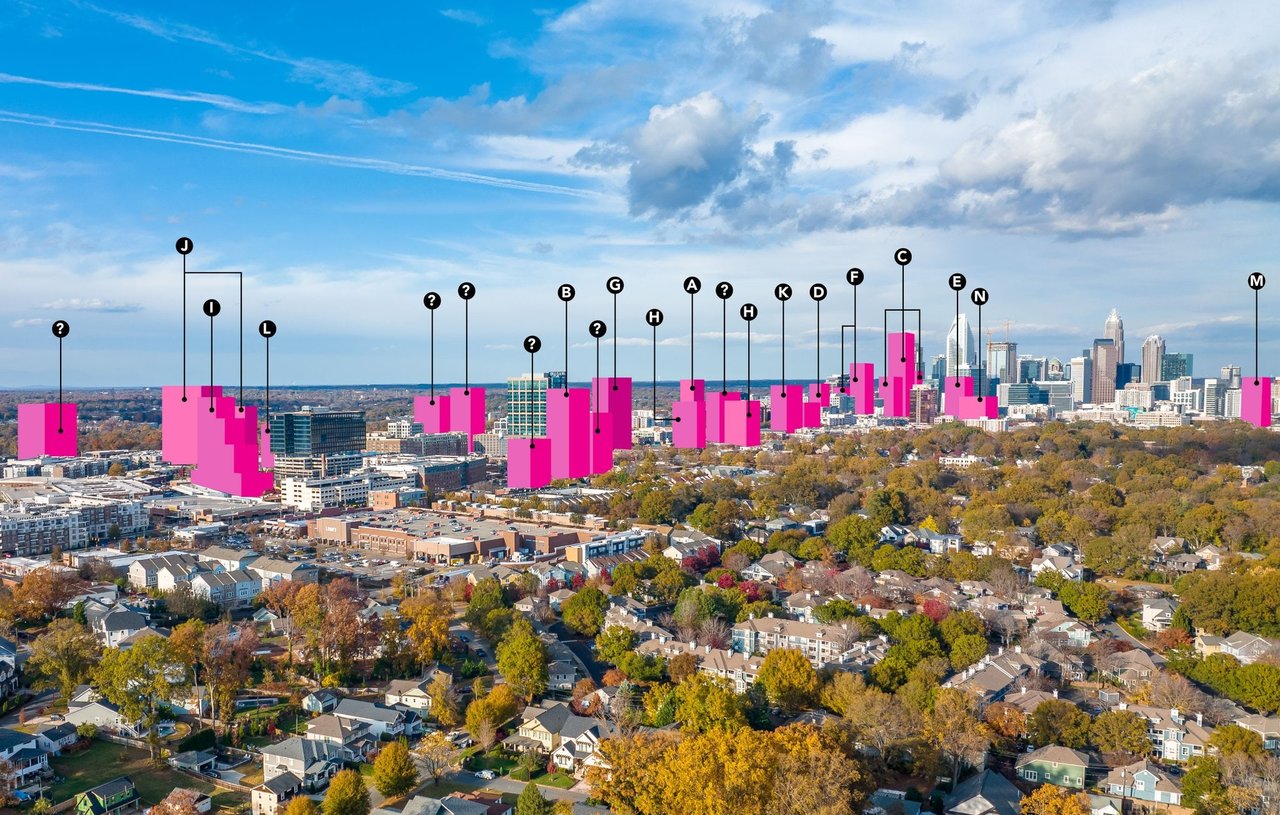
Villa Heights sits in Charlotte’s inner ring near NoDa and the North End corridor, and that location shapes much of its appeal. Recent city planning material shows a mix of single-family homes, stacked multifamily buildings, and nearby retail and restaurant uses in and around the area.
That mix matters because Villa Heights is not a uniform neighborhood with one housing type or one development story. Instead, it works more like a block-by-block infill market where each site can offer a very different living experience depending on scale, street context, and access.
Public investment has also helped strengthen the area’s long-term appeal. The city completed the 25th Street Connection in 2021 as an $8.65 million project designed to improve access to Villa Heights and the 25th Street LYNX Blue Line station, with bike lanes, sidewalks, planting strips, street trees, and on-street parking.
Nearby destinations add to that momentum. Optimist Hall, in the Mill District, spans more than 14 acres and includes a food hall, shops, restaurants, office space, and the Duke Energy Innovation Center. In 2025, the city also awarded a placemaking grant to the Villa Heights Neighborhood Association for the Pinckney-to-27th Passage project.
Know the types of new construction
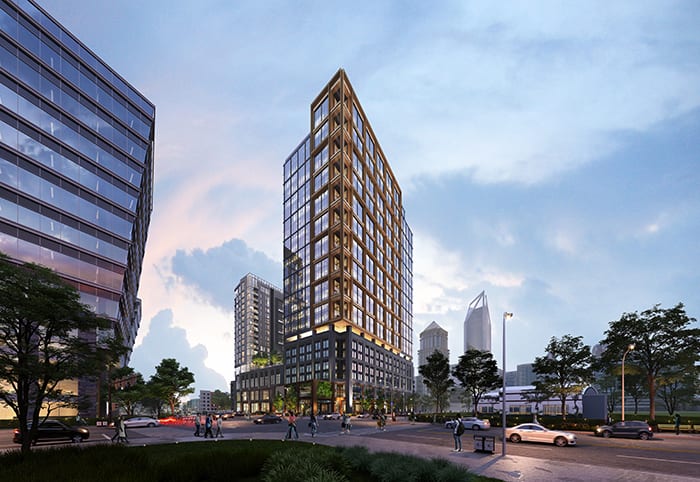
One of the biggest mistakes buyers make is treating all new construction in Villa Heights as the same product. In reality, local examples range from small infill opportunities on individual lots to much larger mixed-use projects near transit.
That means your first comparison should be about project type and intensity, not just finishes or appliance packages. A detached infill home, a townhome, and a larger stacked building can all be labeled new construction, but they offer very different tradeoffs in privacy, parking, maintenance, and daily feel.
Detached infill homes
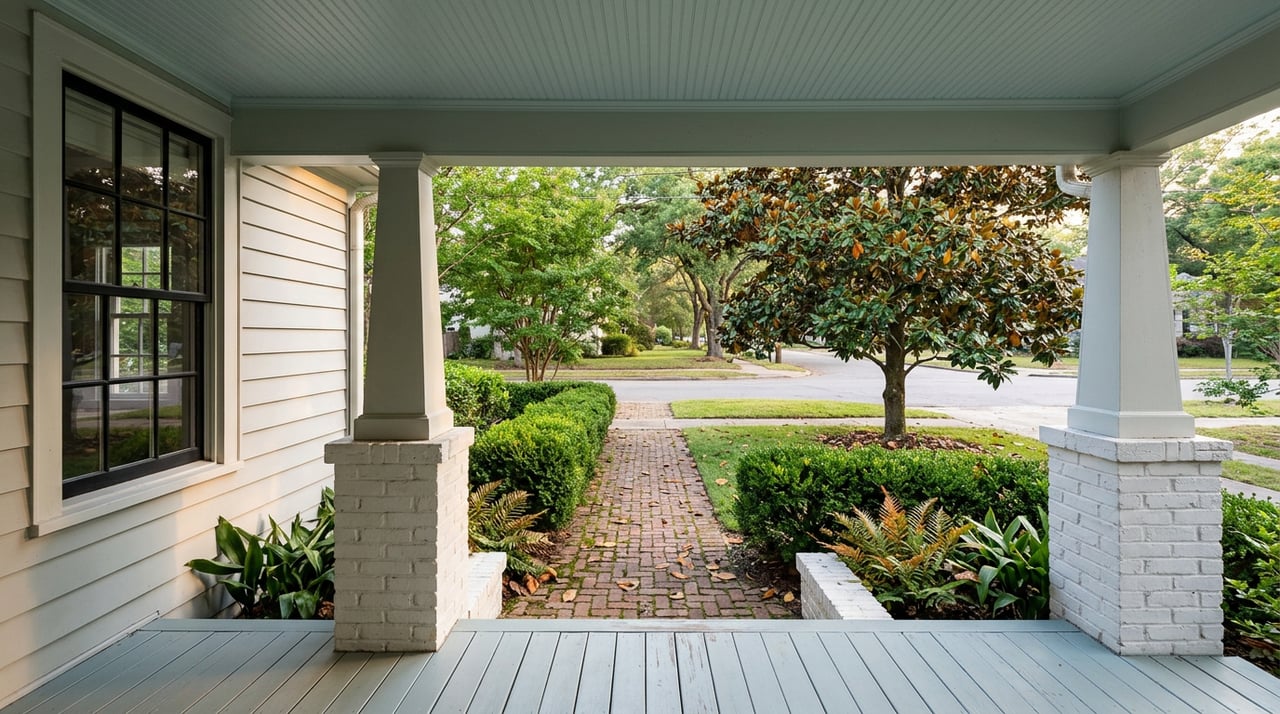
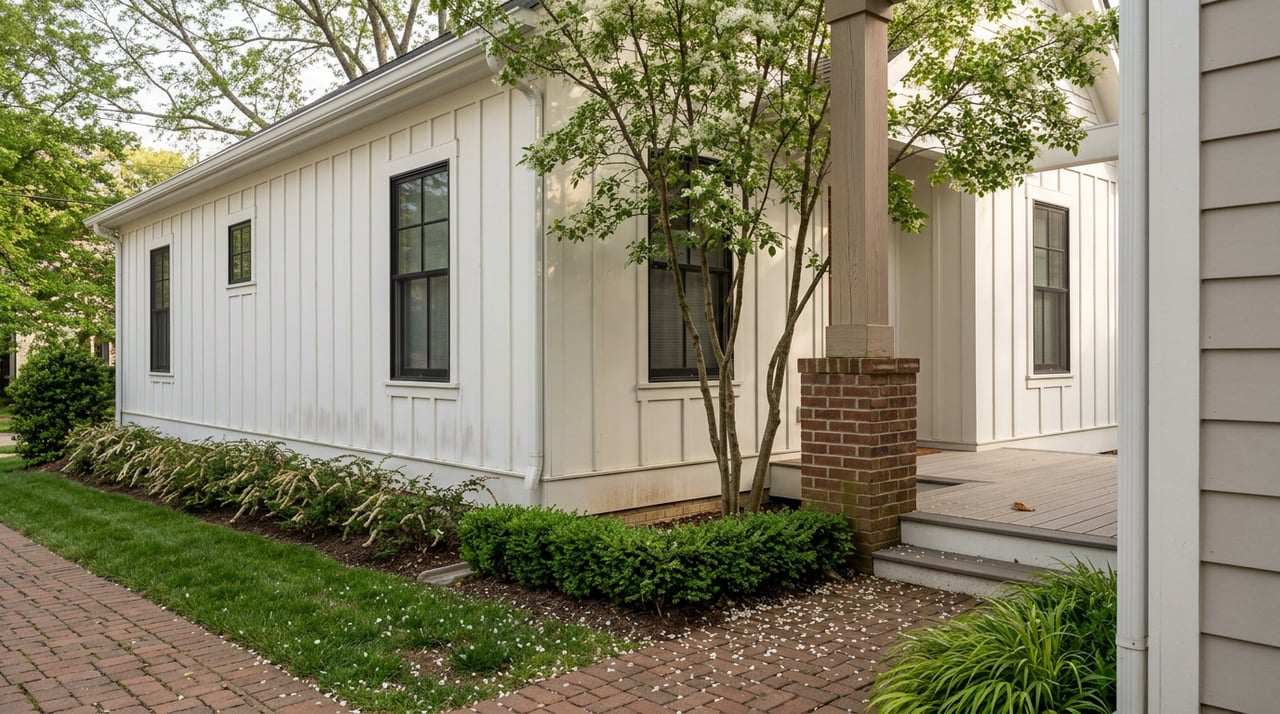
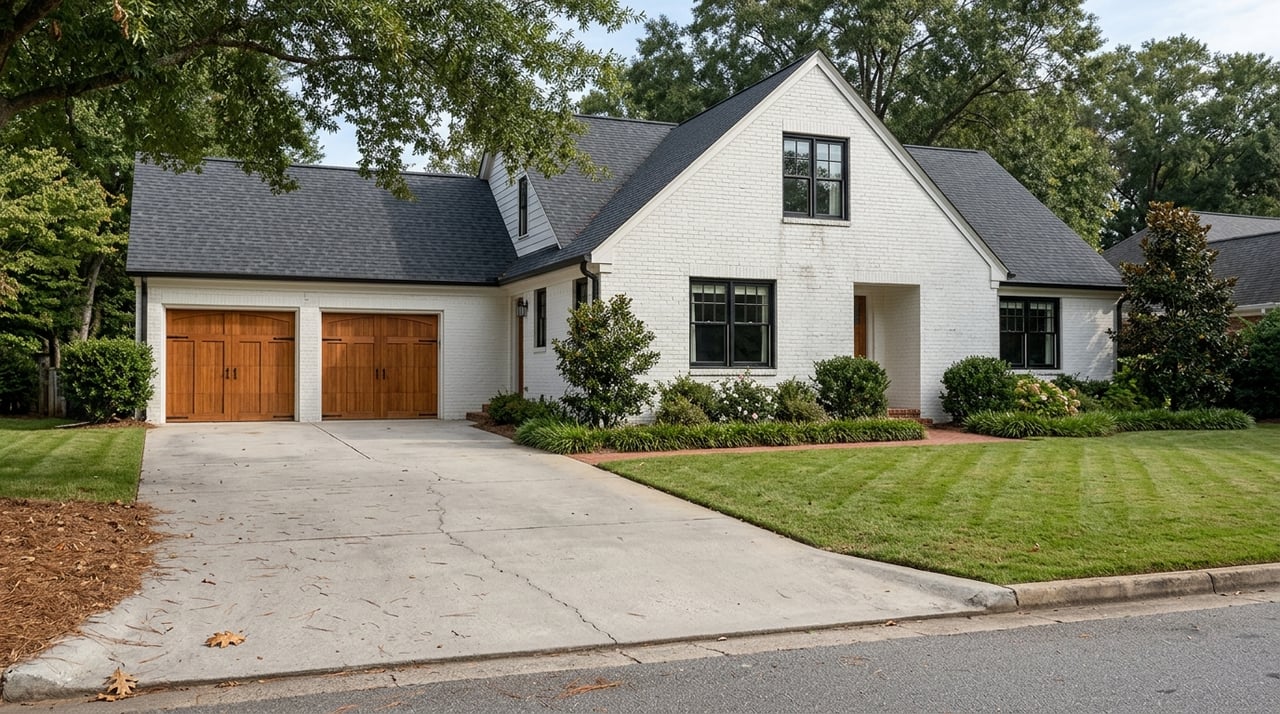
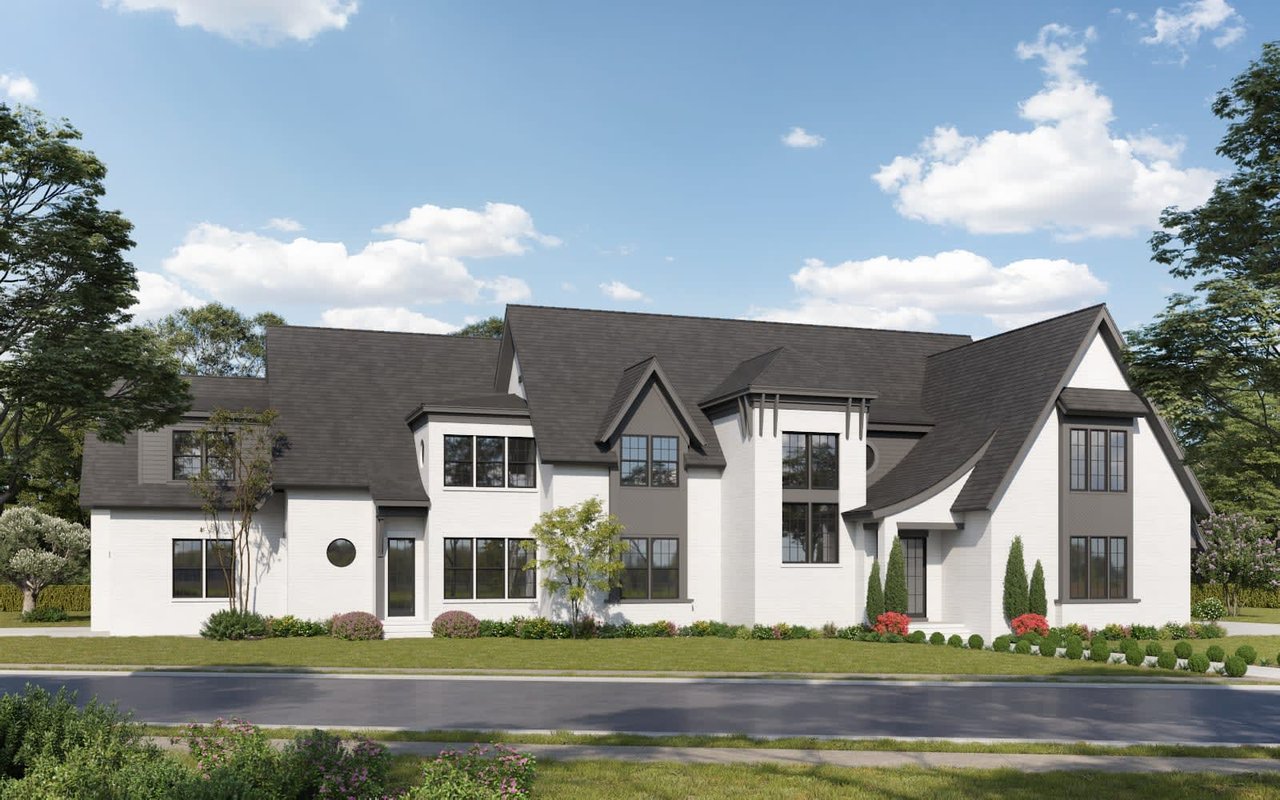
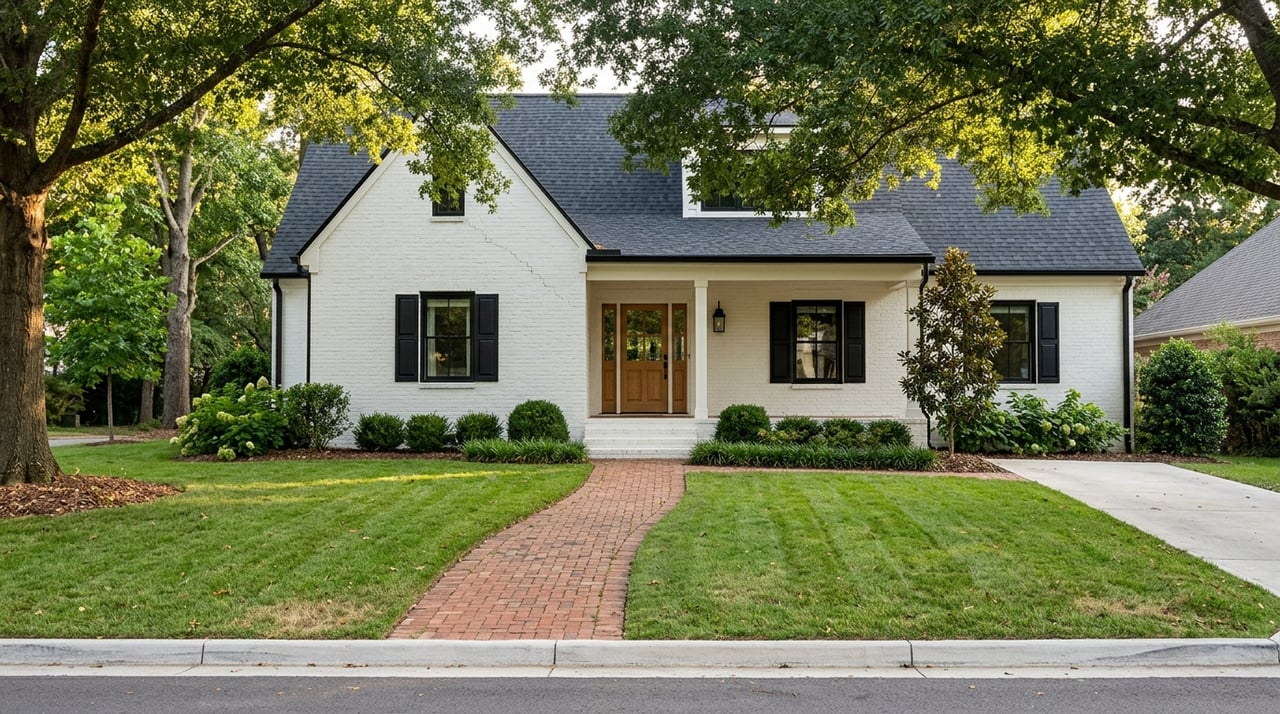
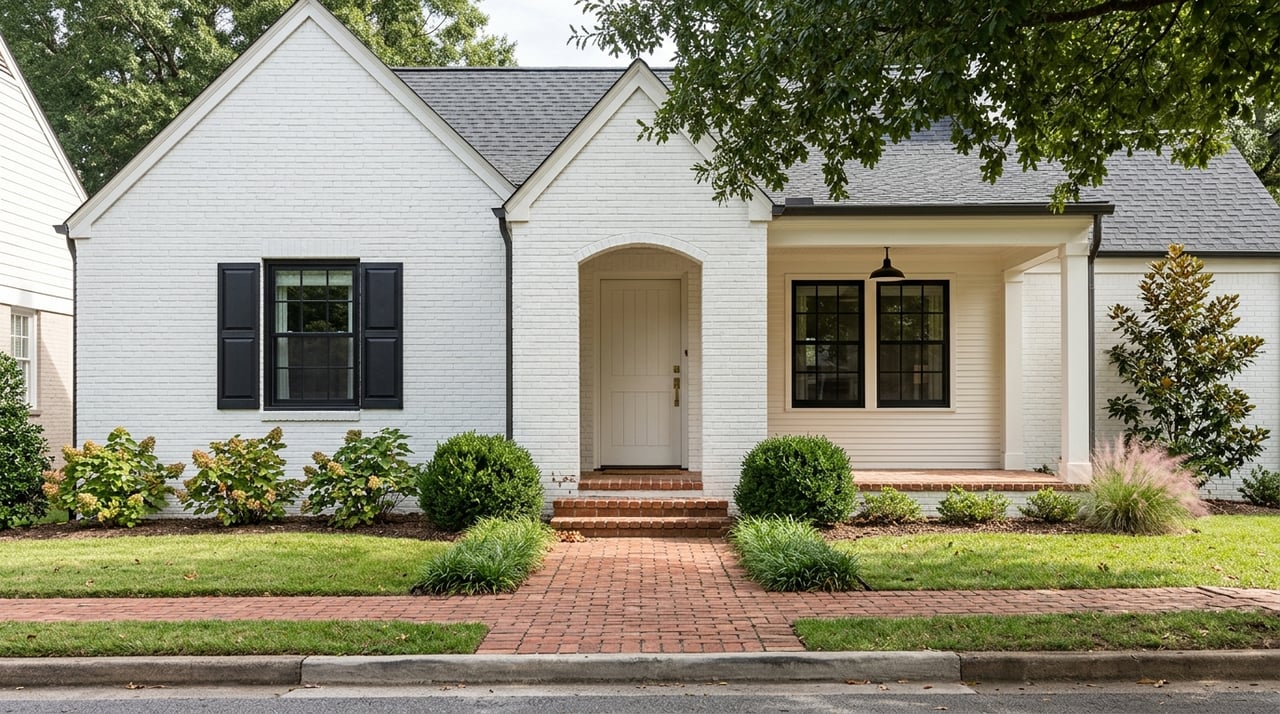
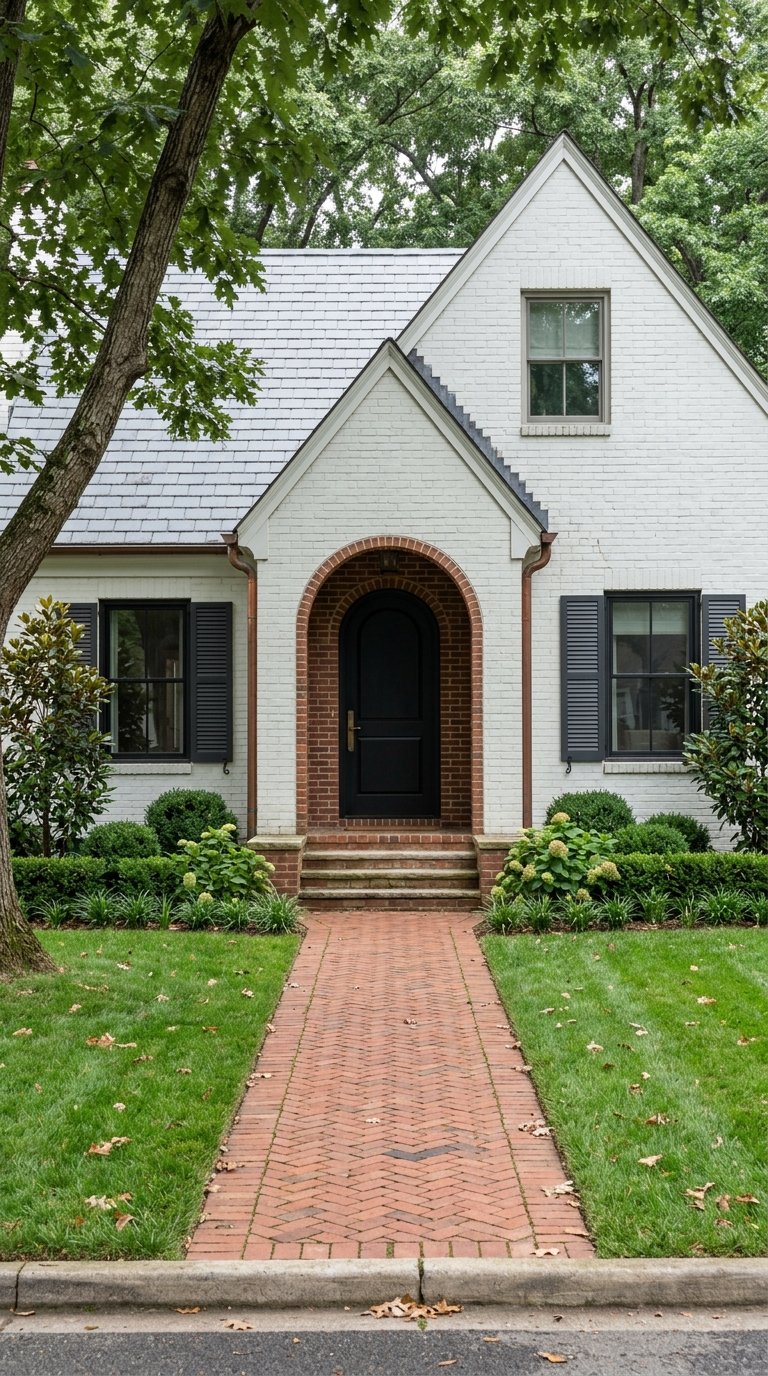
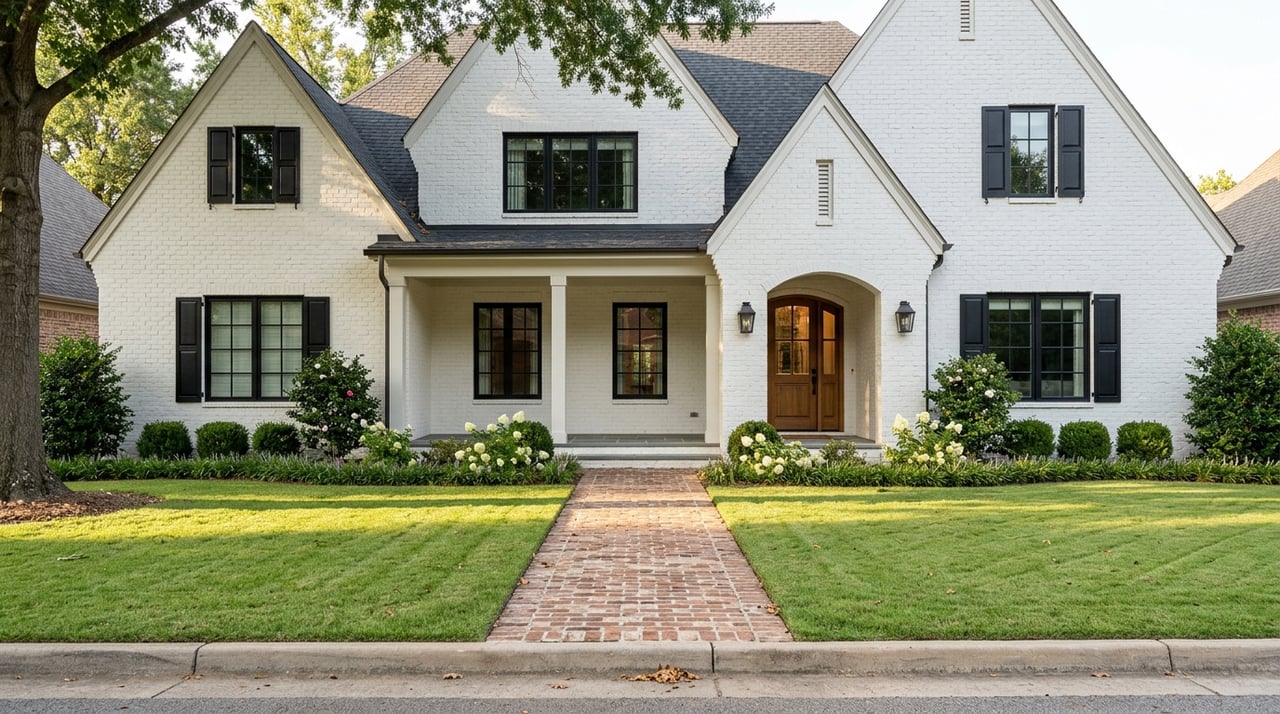
Detached infill homes often appeal to buyers who want a newly built house while still being in an established close-in neighborhood. These homes may offer more private outdoor space and a more traditional single-family layout, but the lot itself needs careful review.
In Villa Heights, lot size, width, setbacks, driveway placement, and tree preservation can all shape the final design. Two homes with similar square footage can live very differently depending on how the site is laid out.
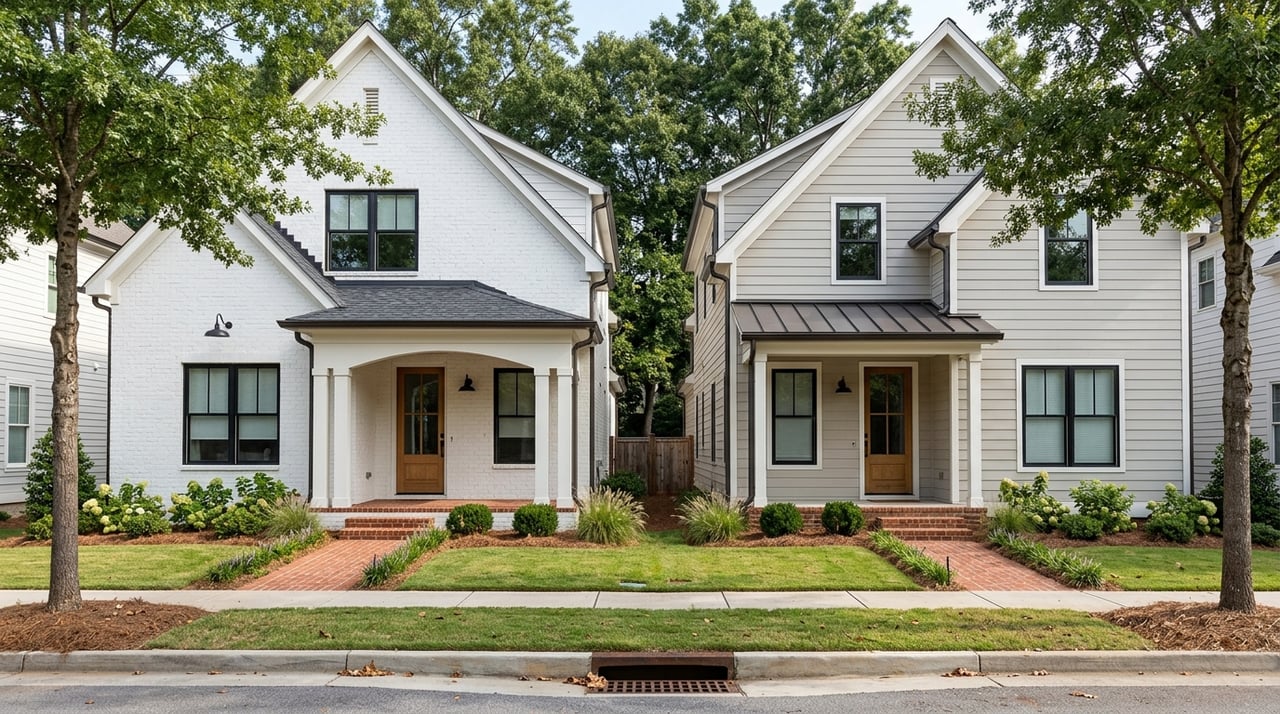
Townhomes and duets
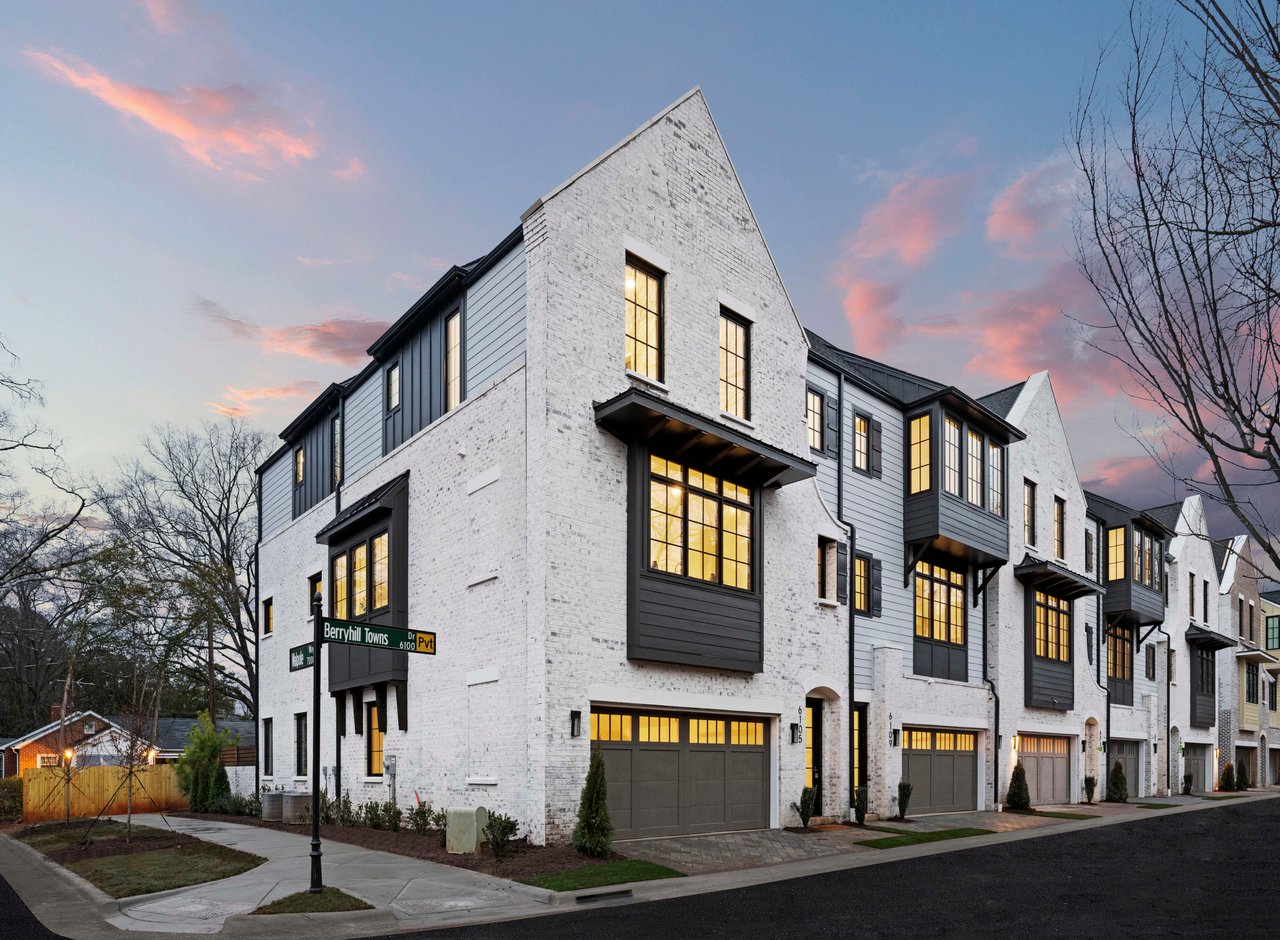
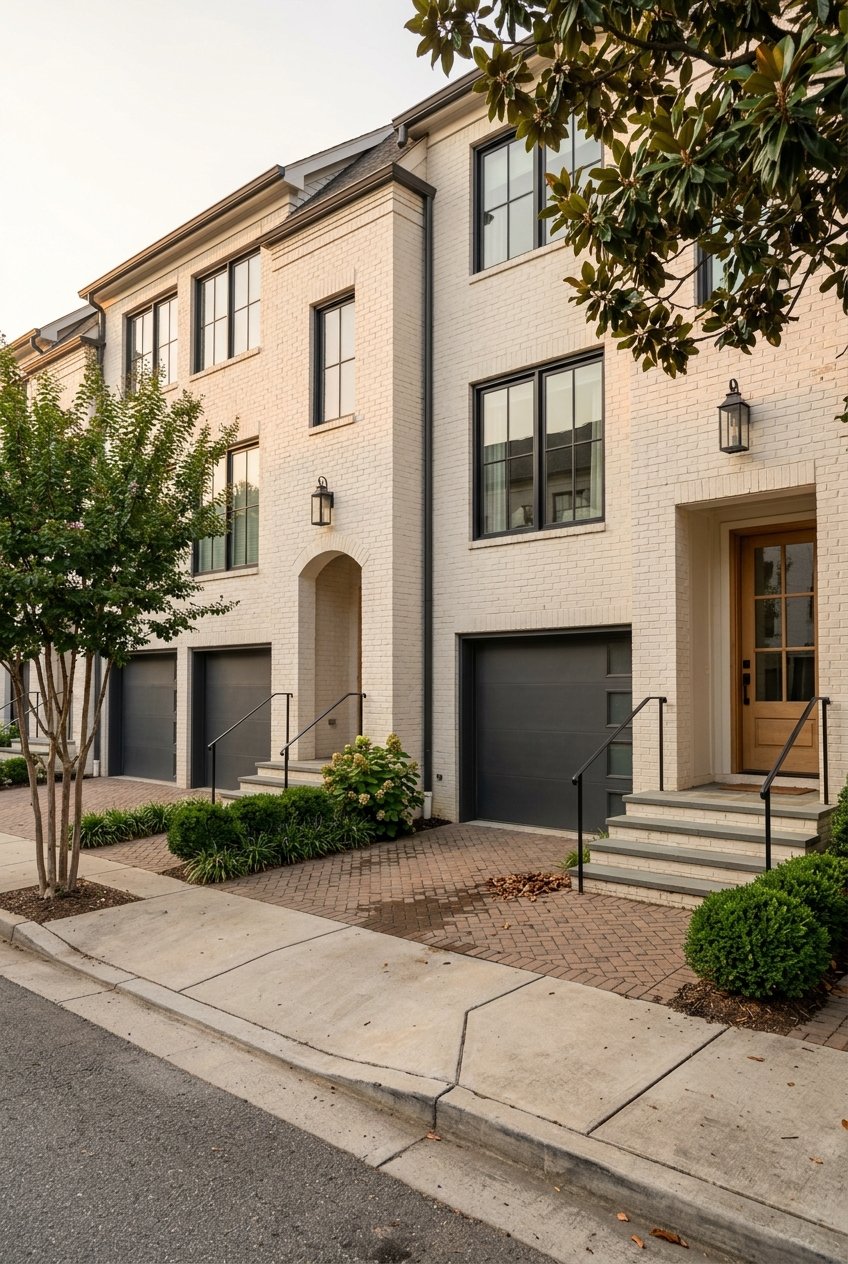
Townhomes and duet-style projects can offer a more efficient path into Villa Heights, especially where land costs push builders toward attached housing. These homes often balance newer finishes and lower exterior maintenance with smaller yards and shared elements.
If you are comparing attached options, pay close attention to parking layout, shared drive access, and common-area responsibilities. Those details affect both convenience and long-term ownership costs.
Stacked or mixed-use buildings
Larger projects near major corridors or transit can offer a more urban experience. Some sites may include ground-floor retail or sit close to commercial activity, which can be a plus if you want quick access to shops, dining, and rail.
At the same time, those projects may feel very different from homes on quieter interior blocks. That is why location within Villa Heights matters almost as much as the home itself.
Compare the lot, not just the floor plan
A polished model home or strong renderings can be compelling, but in Villa Heights the lot often tells you more about long-term value than the finish package. Charlotte’s local lot-review and development rules make that especially important for infill buyers.
The city’s Individual Residential Lot Reviews guidance says single-lot projects must comply with drainage, urban forestry, and zoning requirements. Urban forestry rules also apply to development and infill, including single-lot residential projects.
Why lot orientation matters
Lot orientation is more than a design detail. It can affect privacy, yard usability, tree retention, garage visibility, and how the home sits on the street.
It can also affect how much of the lot is truly usable once setbacks, drainage needs, easements, floodplain lines, or stream buffers are accounted for. In an infill neighborhood like Villa Heights, that can make a major difference in how a property lives day to day.
Site details to review closely
Charlotte’s development checklist gives buyers several practical details worth checking before moving forward:
- Lot width and setbacks must fit district standards
- Garages for individual units generally must be set back at least 20 feet, or the zoning setback if greater
- Front-loaded driveways are capped at 40% of lot width within the setback area, with a 24-foot maximum there
- Minimum driveway width is 10 feet
- Easements, floodplain lines, and stream buffers can reduce buildable area
These are not just technical points for builders. They can shape curb appeal, parking ease, outdoor space, and even whether a home feels balanced on its lot.
Pay attention to parking and access
In a close-in neighborhood, parking strategy can have a real impact on daily life. A home with a front-loaded driveway may function differently from one with alley access, and a project with shared open space may also handle vehicle access in a less traditional way.
That is why parking should be part of your first tour and not an afterthought. Think about where you will park, where guests will park, how easy the turn-in is, and how much of the front yard experience is taken up by pavement or garage doors.
For larger projects, reduced parking or shared access may be part of the development approach. For smaller infill homes, garage placement and driveway width can affect both appearance and usability.
Understand HOA and maintenance responsibility
New construction often feels simpler because everything is new, but ownership structure still matters. If a project includes private alleys, shared open space, or common elements, Charlotte expects maintenance responsibilities to be documented.
For you as a buyer, that means it is worth understanding exactly what is privately maintained, what is shared, and who is responsible for future upkeep. This is especially important in attached projects or developments with common infrastructure.
A lower-maintenance lifestyle can be a real advantage, but only if you clearly understand how that maintenance is organized and funded.
Compare new construction with renovated homes
Villa Heights gives buyers a real choice between newly built homes and renovated older homes. Neither option is automatically better. The right fit depends on what you value most.
Renovated homes may offer older-house character, more established lots, or mature tree canopy. New construction may offer a more predictable maintenance outlook and a clearer warranty structure in the early years.
What warranties may cover
According to FTC guidance, many new-home warranties cover workmanship and materials for about one year, systems such as HVAC, plumbing, and electrical for about two years, and some major structural defects for up to 10 years. It also notes that builder warranties are not the same as separate home warranties or service contracts.
That distinction matters when you compare a new build with a renovated home. A renovated property may have updates, but those updates do not always come with the same type of builder-backed coverage.
How to frame the decision
Instead of asking which option is better, it is usually more helpful to ask which tradeoffs fit your goals. In Villa Heights, that often comes down to:
- Character versus customization
- Mature lot features versus newer systems
- Immediate maintenance expectations versus established neighborhood texture
- Warranty clarity versus the uniqueness of an older home
Use a careful due diligence process
If you are buying a home that is already under construction or not yet completed, your review process should be especially disciplined. The financing, inspection, and deposit questions can carry more weight than they might with a resale purchase.
CFPB advises buyers to keep financing and inspection contingencies in the offer, use an independent home inspector, and ask the builder how any deposit is handled before committing to an unbuilt home. Those are practical steps that can help you move forward with more clarity.
A calm, structured review matters in Villa Heights because opportunities can look exciting on paper while still varying widely in lot quality, access, maintenance setup, and context. A smart process helps you separate a strong opportunity from a good-looking one.
Think block by block in Villa Heights
One of the most useful ways to approach Villa Heights is to stop thinking of it as one consistent product. The neighborhood includes different housing types, redevelopment patterns, commercial edges, and transit relationships, and those differences show up quickly from block to block.
A home near the 25th Street station or a commercial corridor may offer a very different experience from one tucked farther into an interior residential block. Neither is inherently better. They simply serve different priorities.
That is why buyers should evaluate each opportunity through a local lens. Proximity to NoDa, Optimist Hall, and Uptown can support demand, but the property’s long-term appeal will still depend on the lot, parking approach, tree retention, building scale, and overall fit with Charlotte’s current review standards.
What a smart Villa Heights search looks like
If you want to navigate new construction opportunities well, keep your focus on the details that actually shape ownership. Infill neighborhoods reward buyers who look beyond the finish selections and ask how the property works on the ground.
A strong search usually includes:
- Comparing project type before comparing cosmetic upgrades
- Reviewing lot orientation and usable outdoor area
- Understanding parking and driveway design
- Checking for shared spaces or private infrastructure
- Reviewing maintenance structure and HOA responsibilities
- Weighing warranty coverage against the appeal of renovated alternatives
- Evaluating the exact block, not just the neighborhood name
Villa Heights continues to benefit from public investment, transit access, and nearby amenities, but success here comes from matching the right property to the right priorities. When you do that well, new construction can be a compelling way to enjoy a close-in Charlotte lifestyle with a home that fits how you actually want to live.
If you want strategic guidance on Villa Heights infill, townhomes, or custom home opportunities, Charlotte Living Realty Group brings a rare blend of brokerage, development, and neighborhood insight to help you evaluate the details that matter most.
FAQs
What makes Villa Heights different from other Charlotte new construction areas?
- Villa Heights is a close-in infill market with a mix of single-family homes, multifamily buildings, retail uses, and transit access, so opportunities can vary significantly by block and project type.
What should buyers compare when touring new construction in Villa Heights?
- Buyers should compare project type, lot orientation, parking and access, maintenance structure, and the surrounding block context, not just finishes and square footage.
Why does lot orientation matter for Villa Heights new builds?
- Lot orientation can affect privacy, tree retention, yard usability, garage prominence, and how much of the lot remains practical after setbacks, drainage requirements, easements, or buffers are considered.
How does parking affect Villa Heights infill homes?
- Parking design can shape everyday convenience, curb appeal, and how much of the property is devoted to driveways or garages, especially on tighter infill lots.
Are new construction homes in Villa Heights always better than renovated homes?
- No, the better choice depends on your priorities, since renovated homes may offer character and mature lots while new homes may offer newer systems and clearer warranty coverage.
What warranty questions should buyers ask about Villa Heights new construction?
- Buyers should ask what the builder warranty covers, how long coverage lasts for materials, systems, and structural items, and whether any separate service contract is different from the builder’s warranty.
What due diligence steps matter for unbuilt homes in Villa Heights?
- Buyers should keep financing and inspection contingencies, use an independent home inspector, and ask how deposits are handled before committing to a home that is not yet completed.