Buying in NoDa can feel simple on the surface. You find a home you like, fall for the neighborhood energy, and picture yourself close to rail, restaurants, and some of Charlotte’s most recognizable streets. But in NoDa, a few blocks can change your daily experience in a big way. This guide will help you look past the listing photos and focus on the details that really shape livability, renovation plans, and long-term value. Let’s dive in.
NoDa works block by block
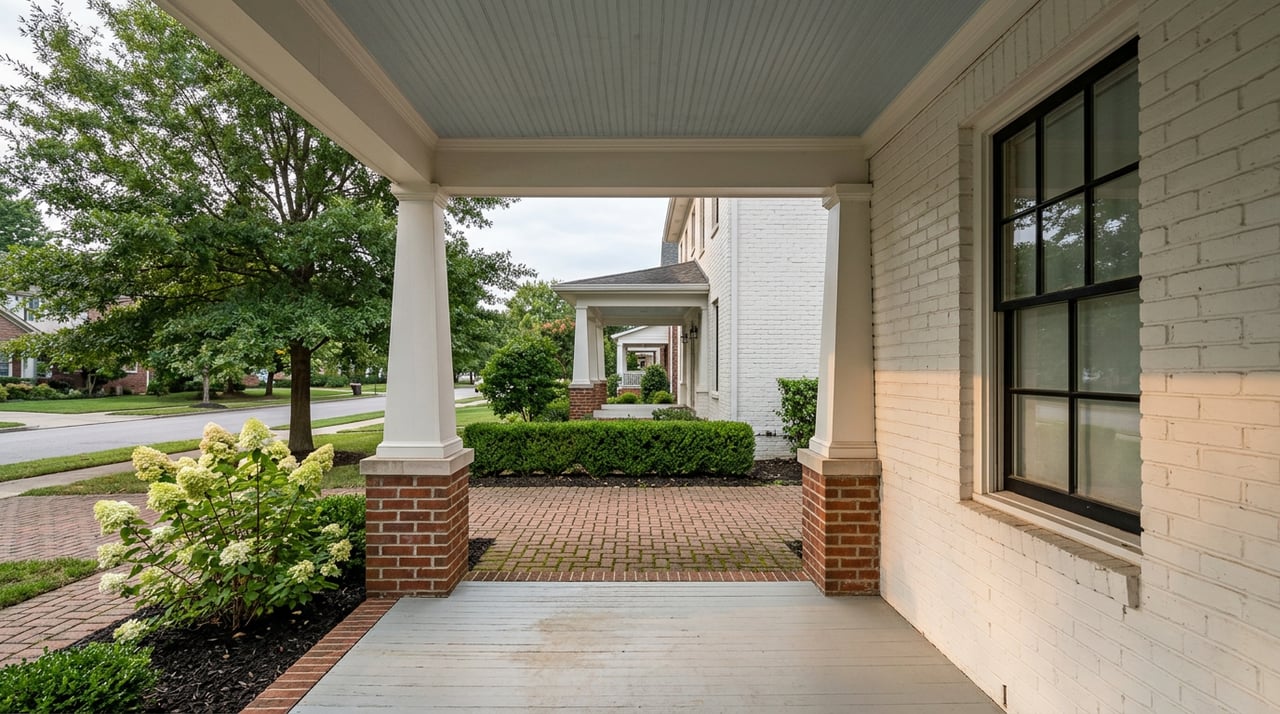
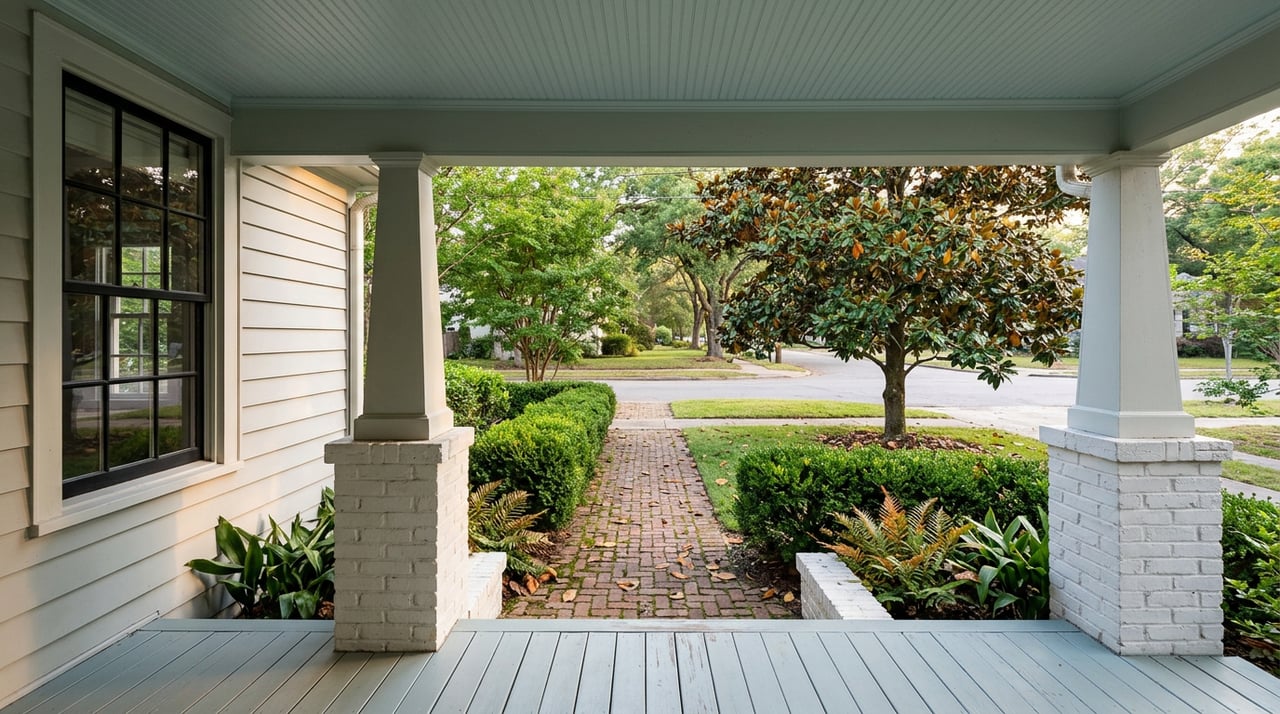
One of the biggest things to understand before buying in NoDa is that the neighborhood is not uniform. The area includes historic mill-village streets, newer infill near station areas, active streetscape and trail projects, and blocks with very different parking conditions.
That means two homes with the same NoDa address label can offer very different experiences. In this part of Charlotte, exact location matters just as much as home style, size, or finish level.
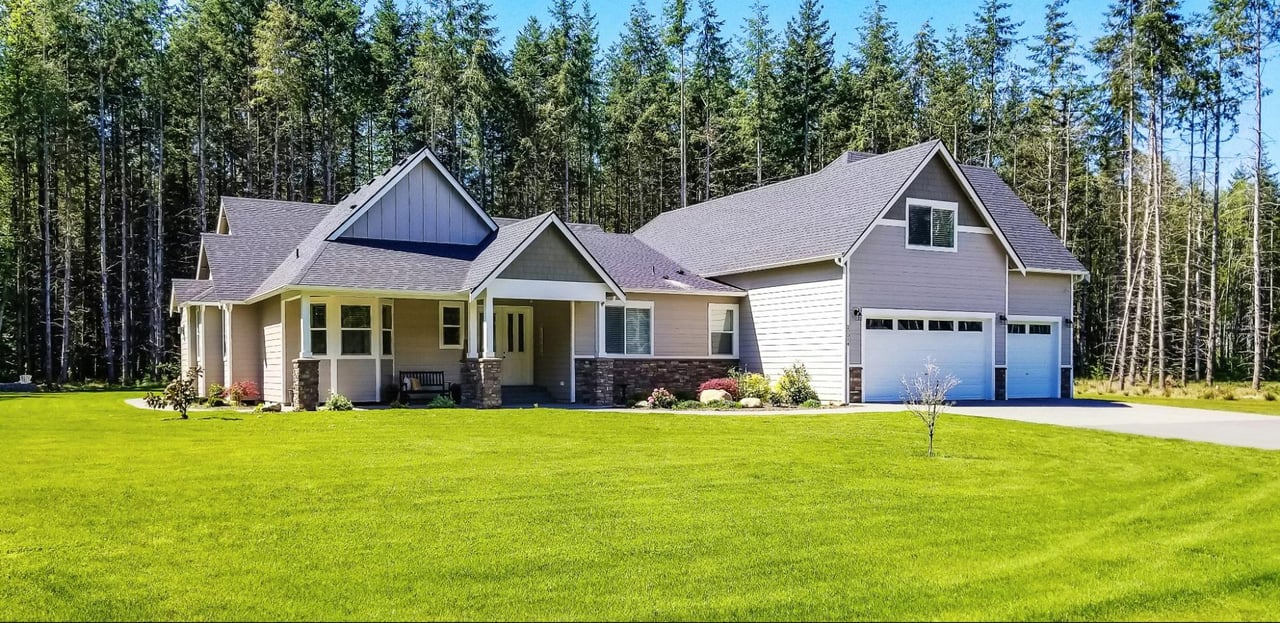
Housing stock is mixed
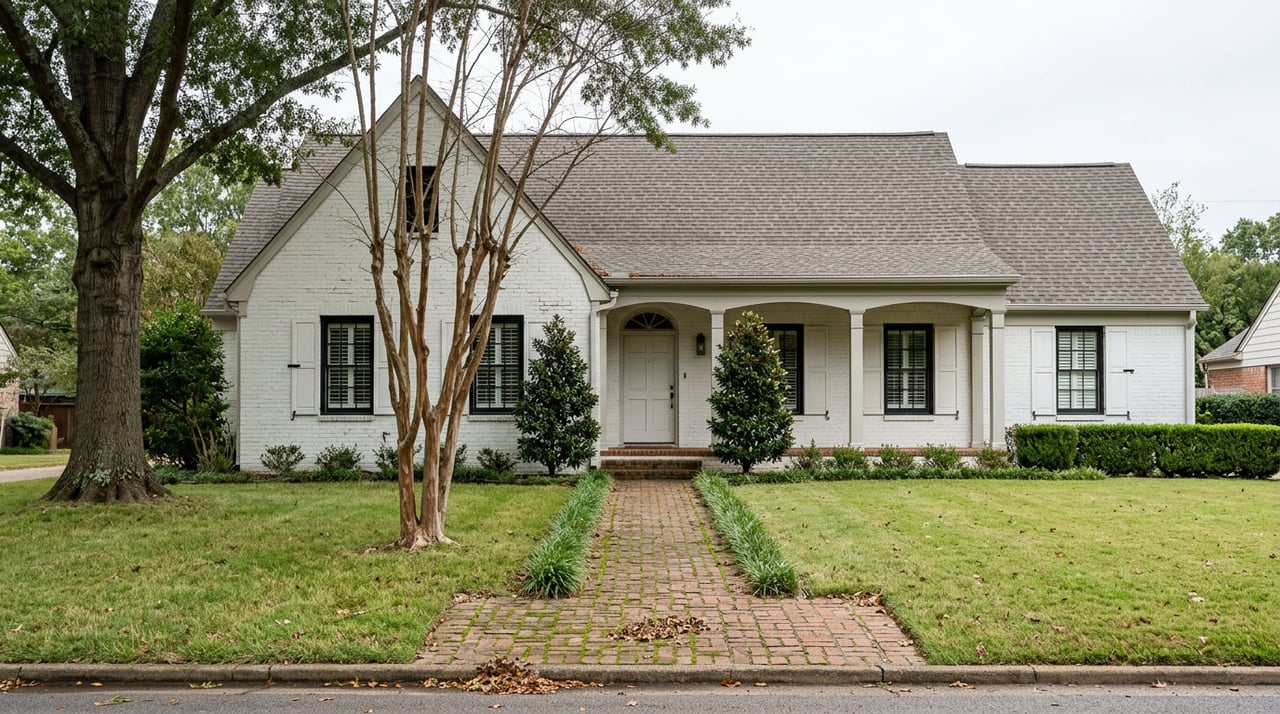
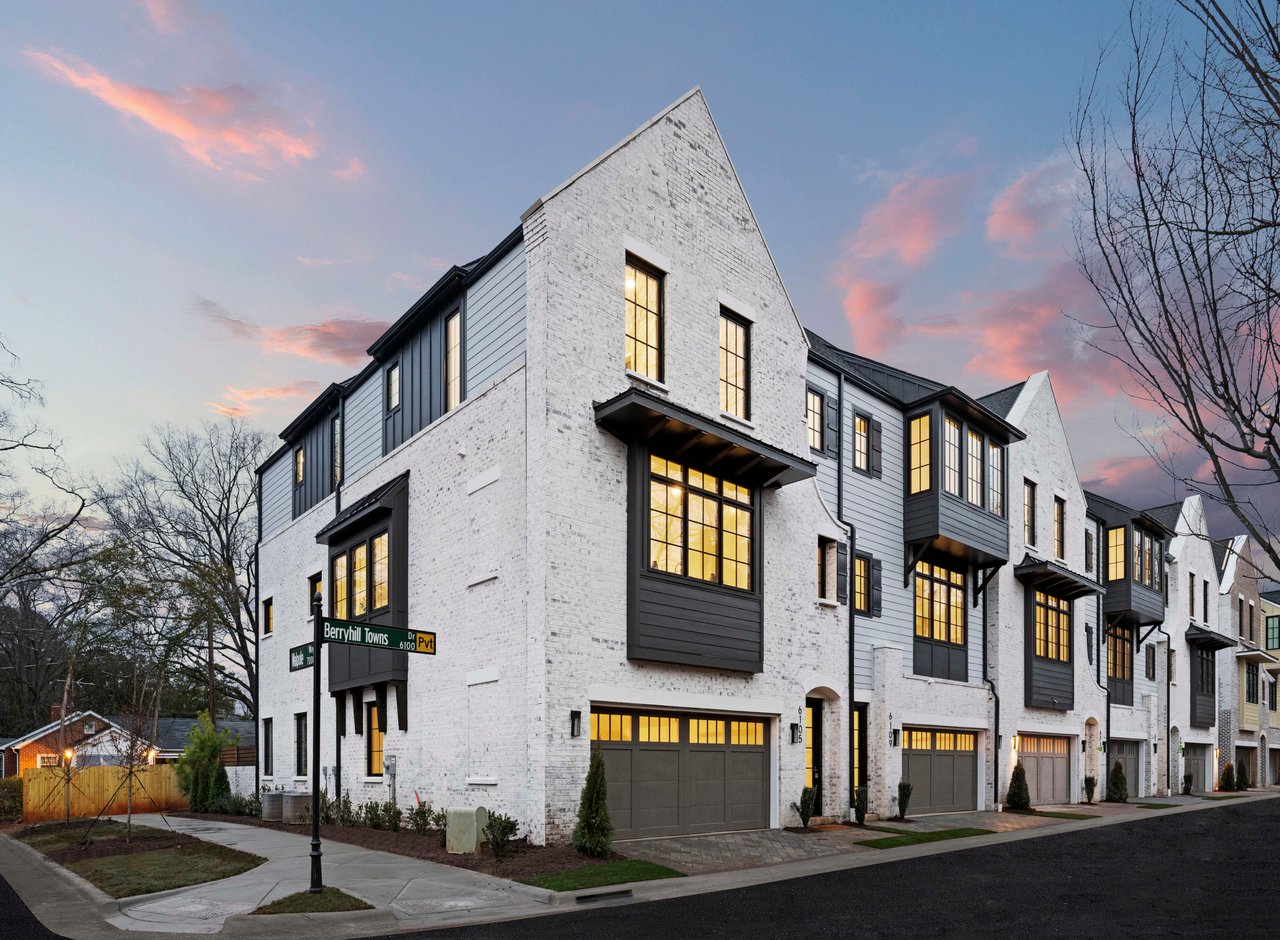
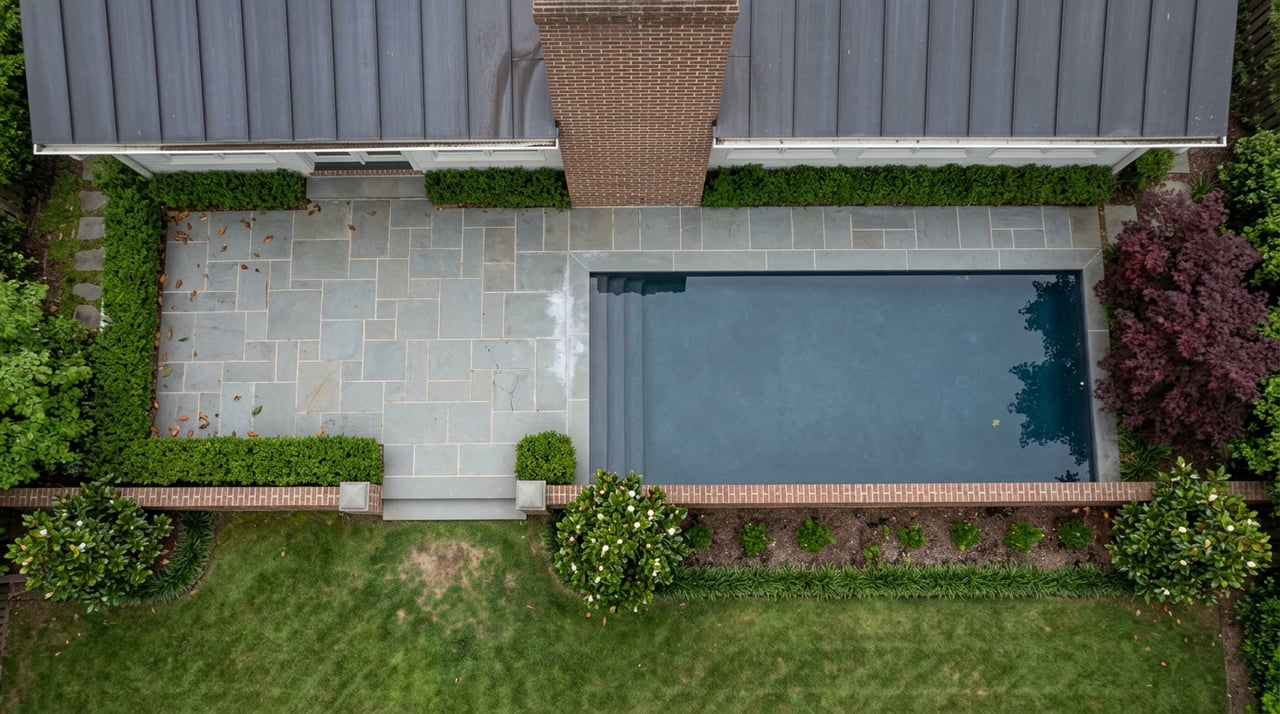
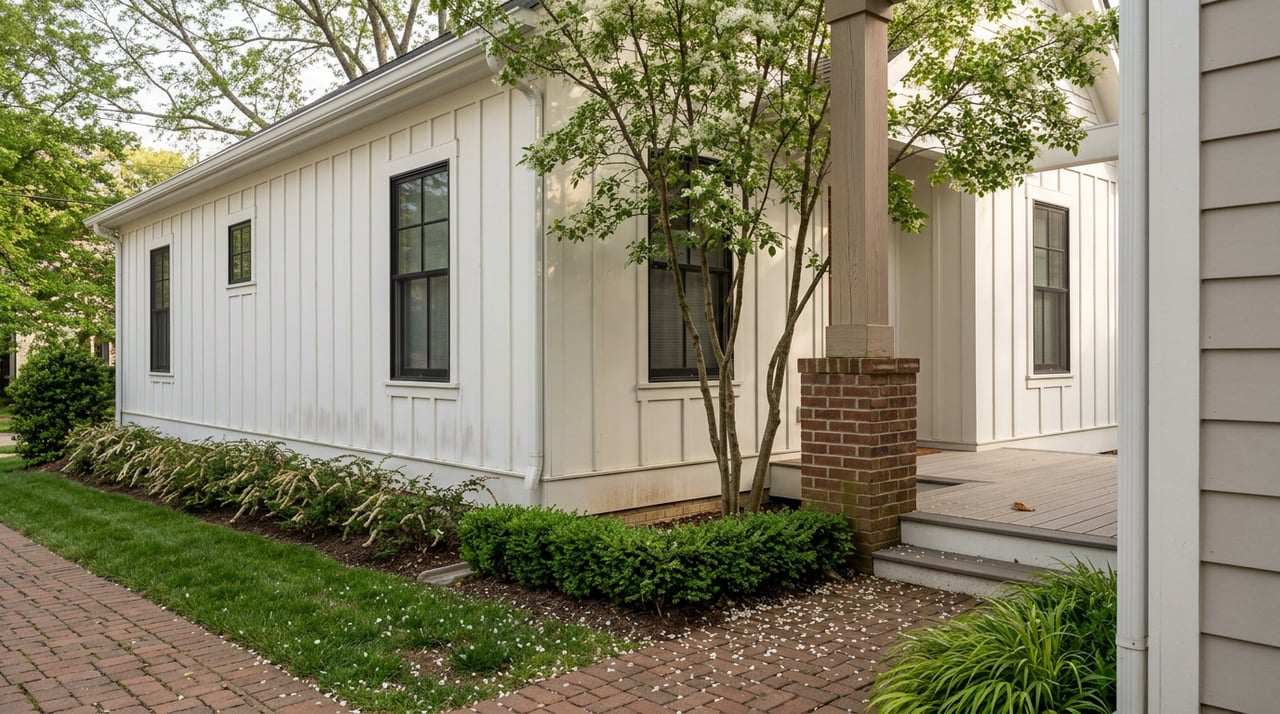
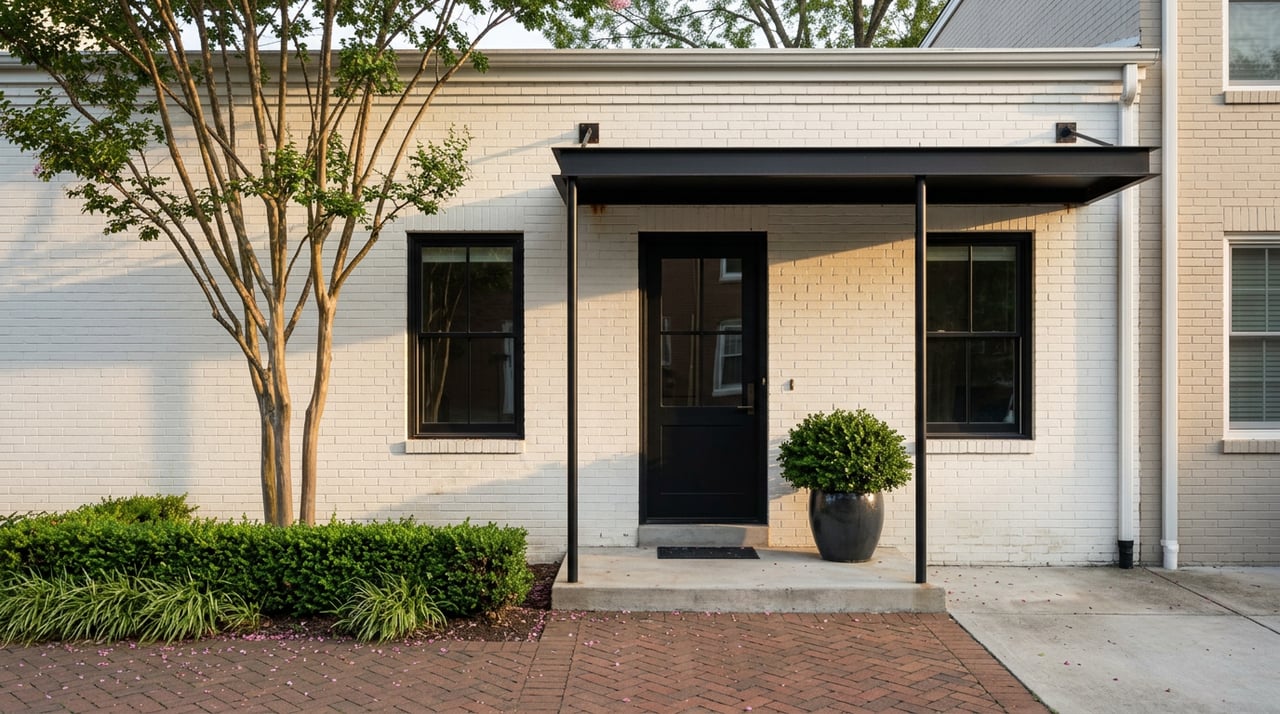
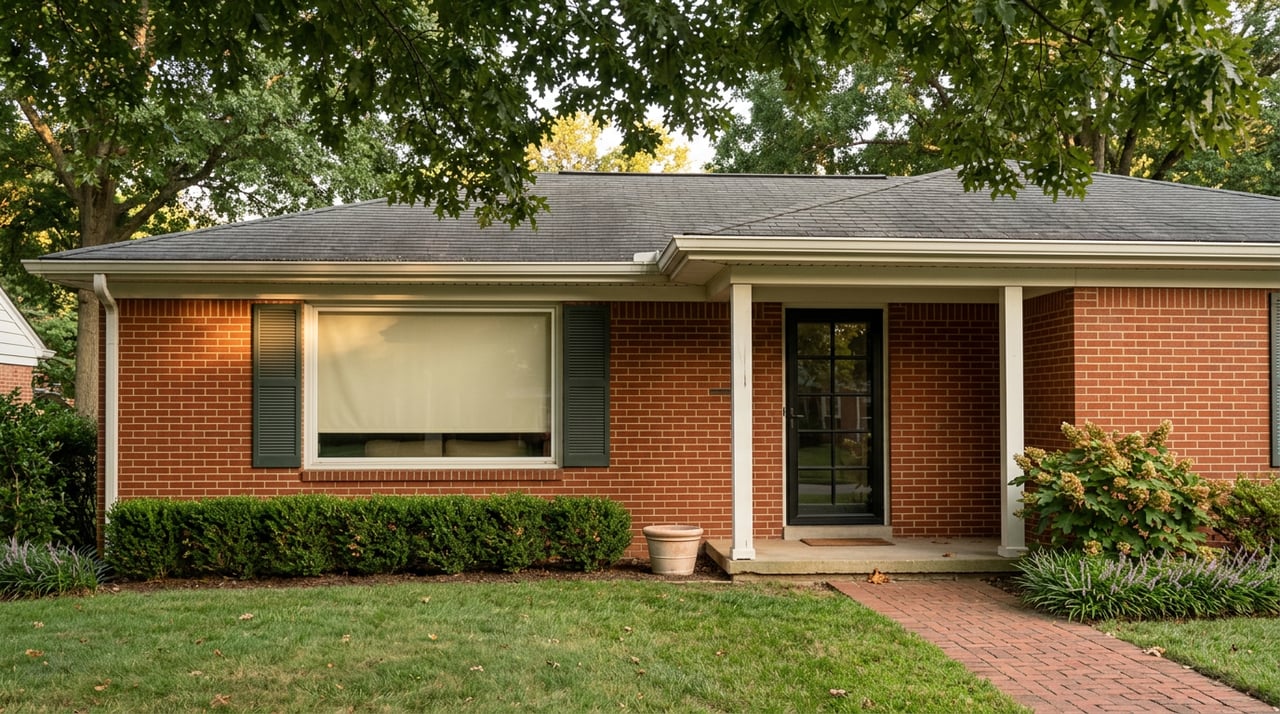
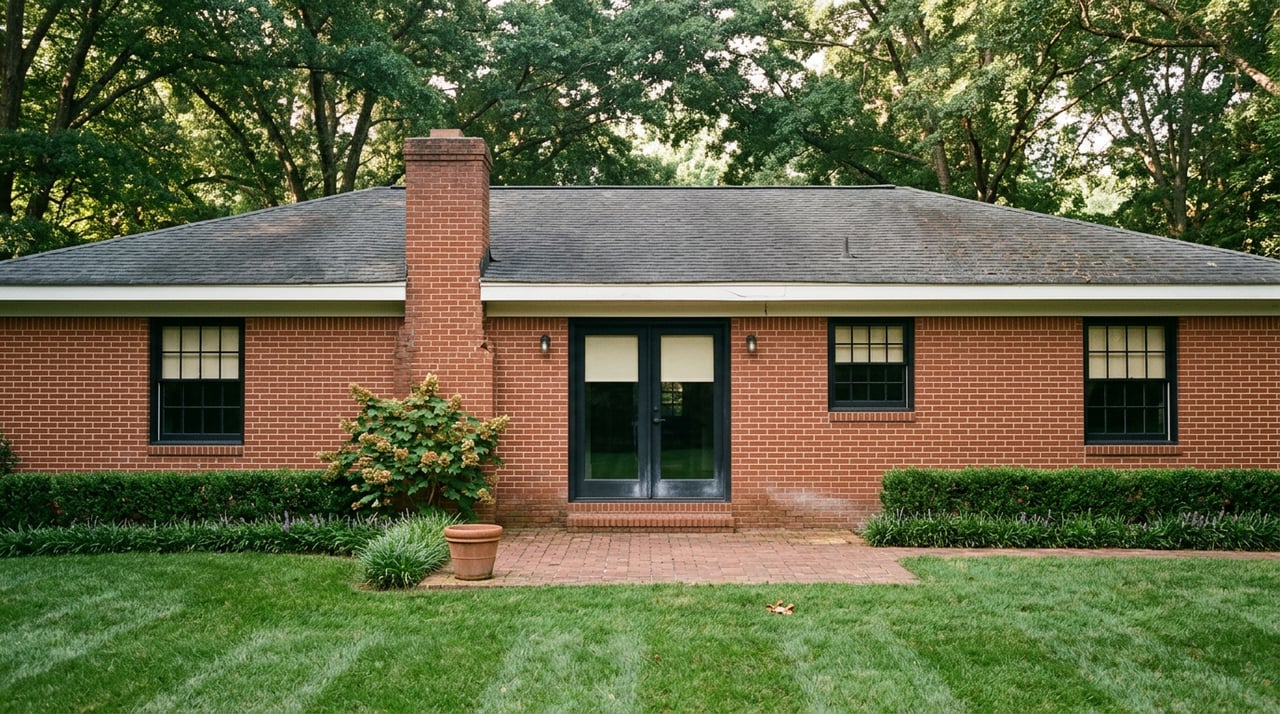
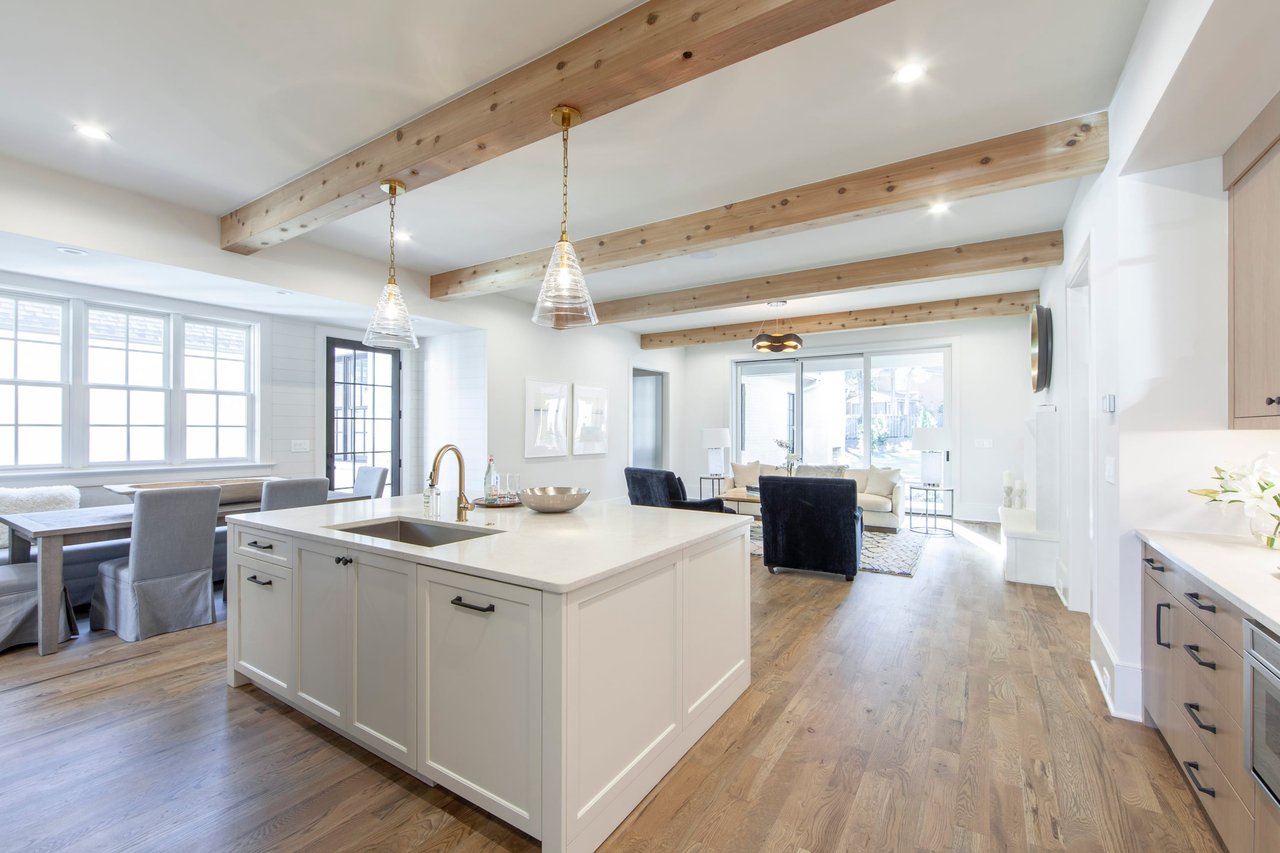
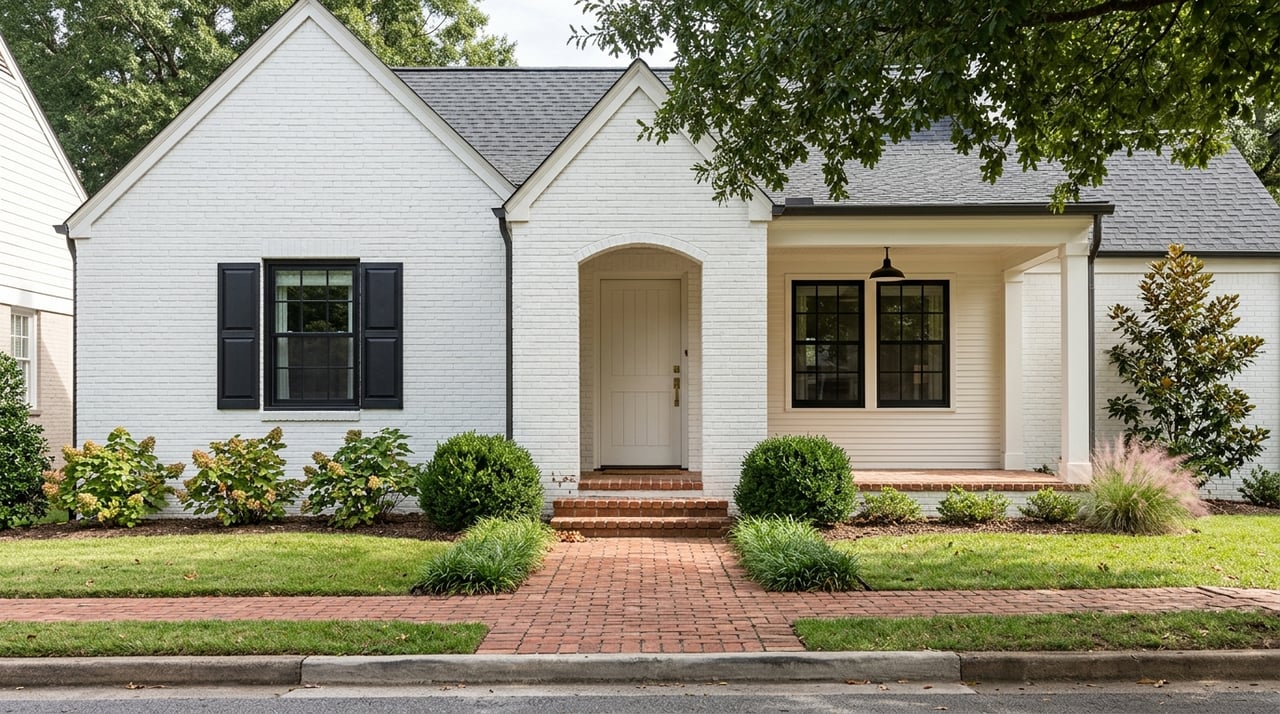
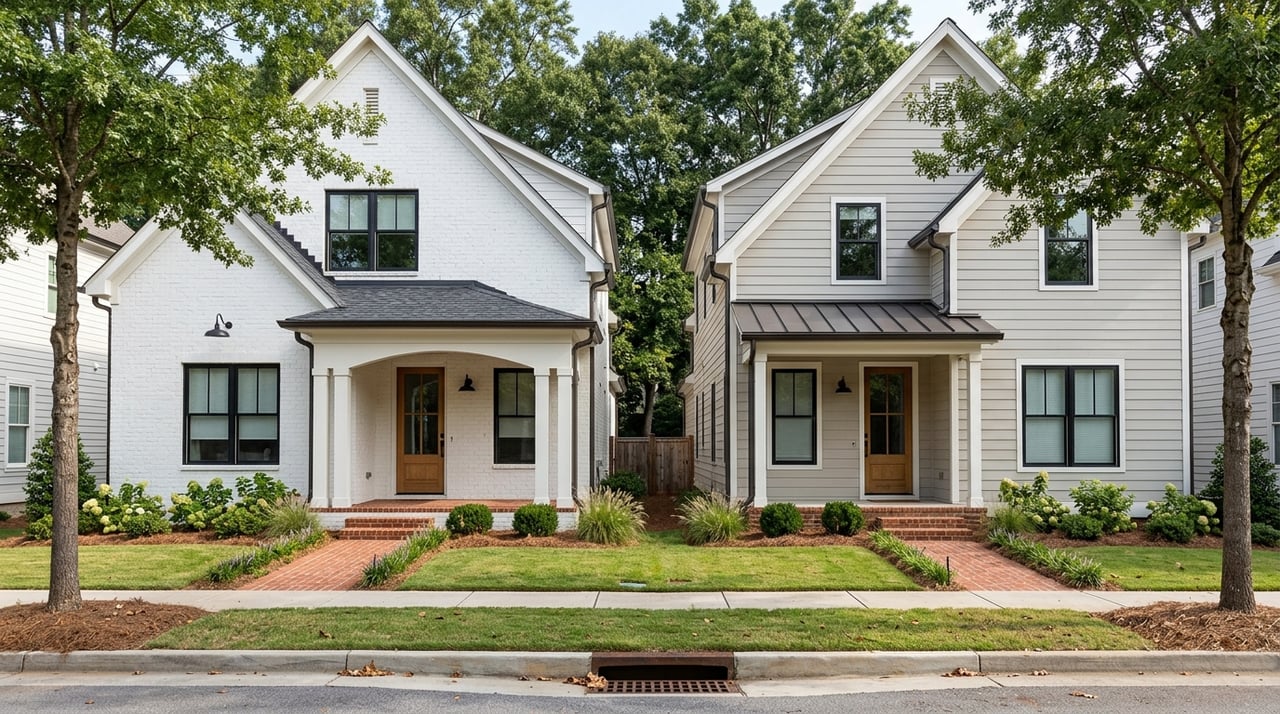
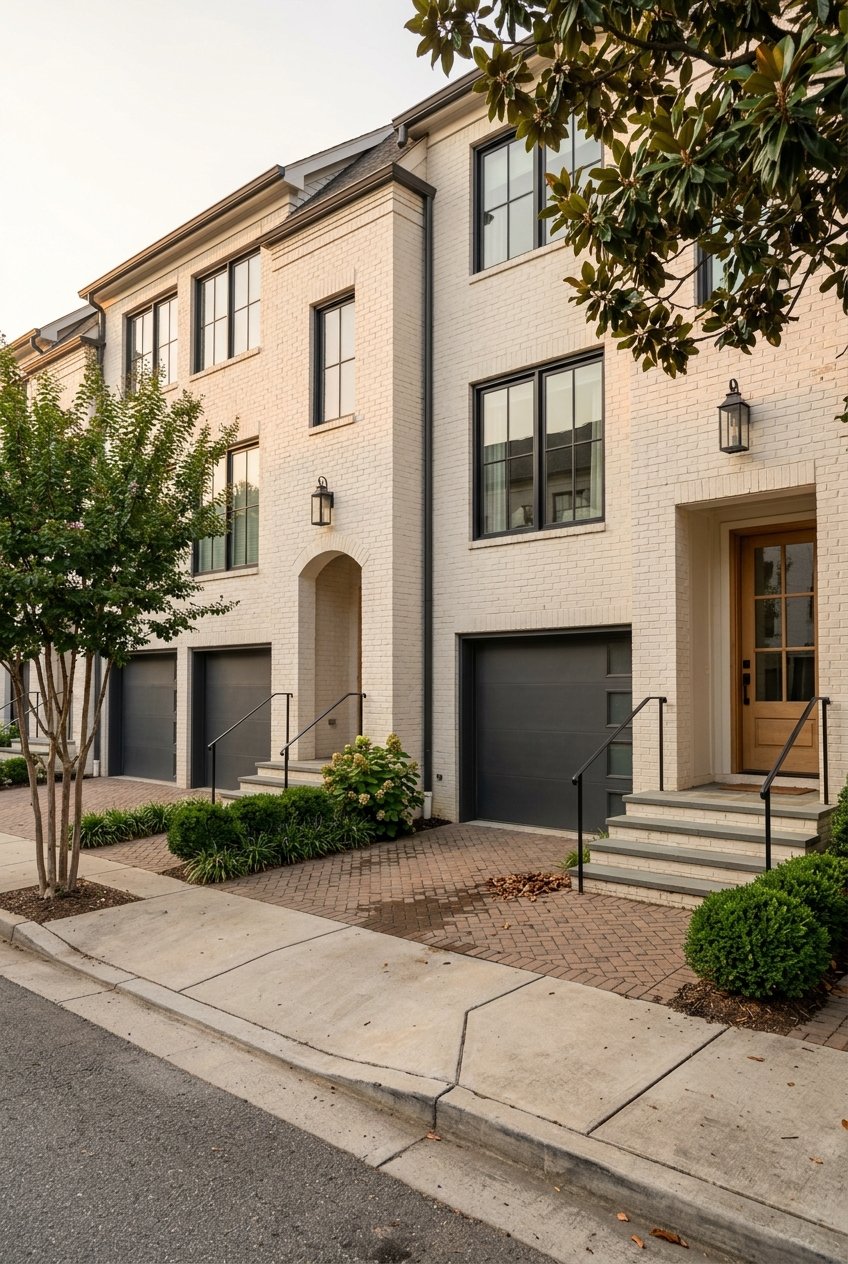
Historic homes meet newer infill
NoDa’s historic core is the North Charlotte Historic District, which was listed on the National Register of Historic Places in 1990. State and city survey material describes it as Charlotte’s major textile-mill district, with rail-oriented cotton mills, associated mill villages, and a commercial core along North Davidson Street.
At the same time, the same survey notes that much of the district has seen extensive remodeling and new construction. For you as a buyer, that means NoDa’s housing stock is mixed rather than consistent from street to street.
Condition matters as much as character
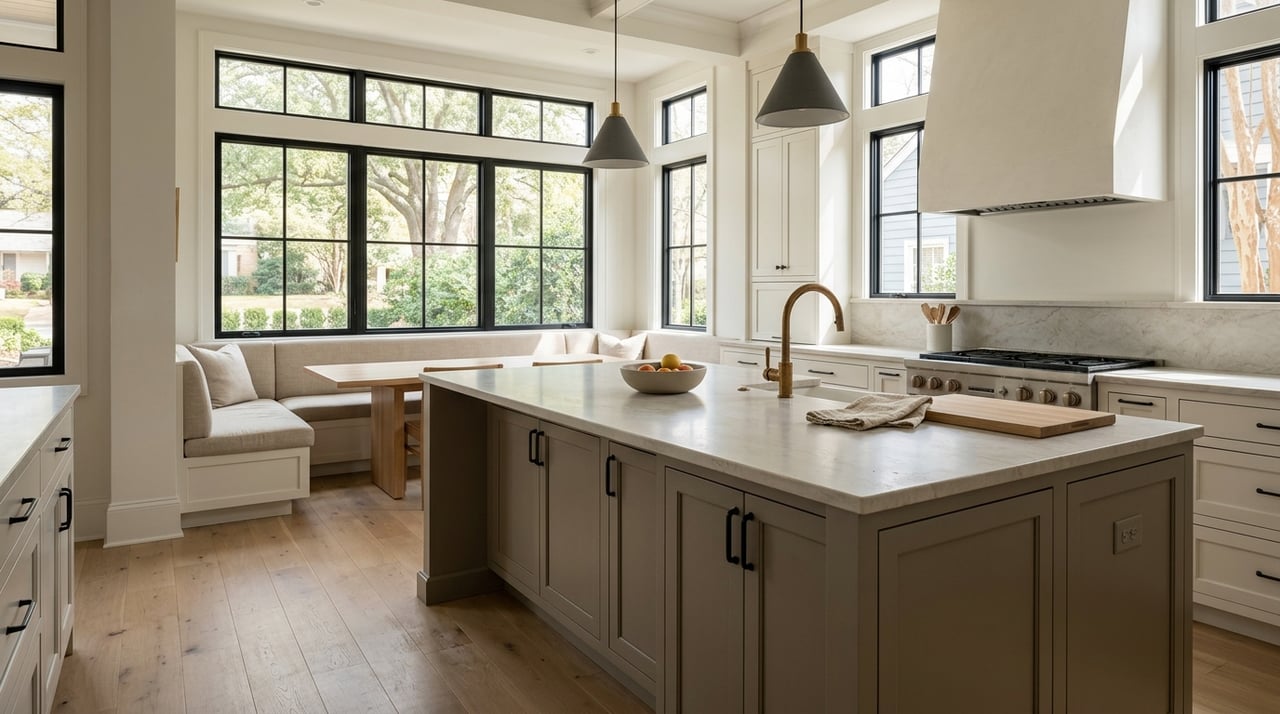
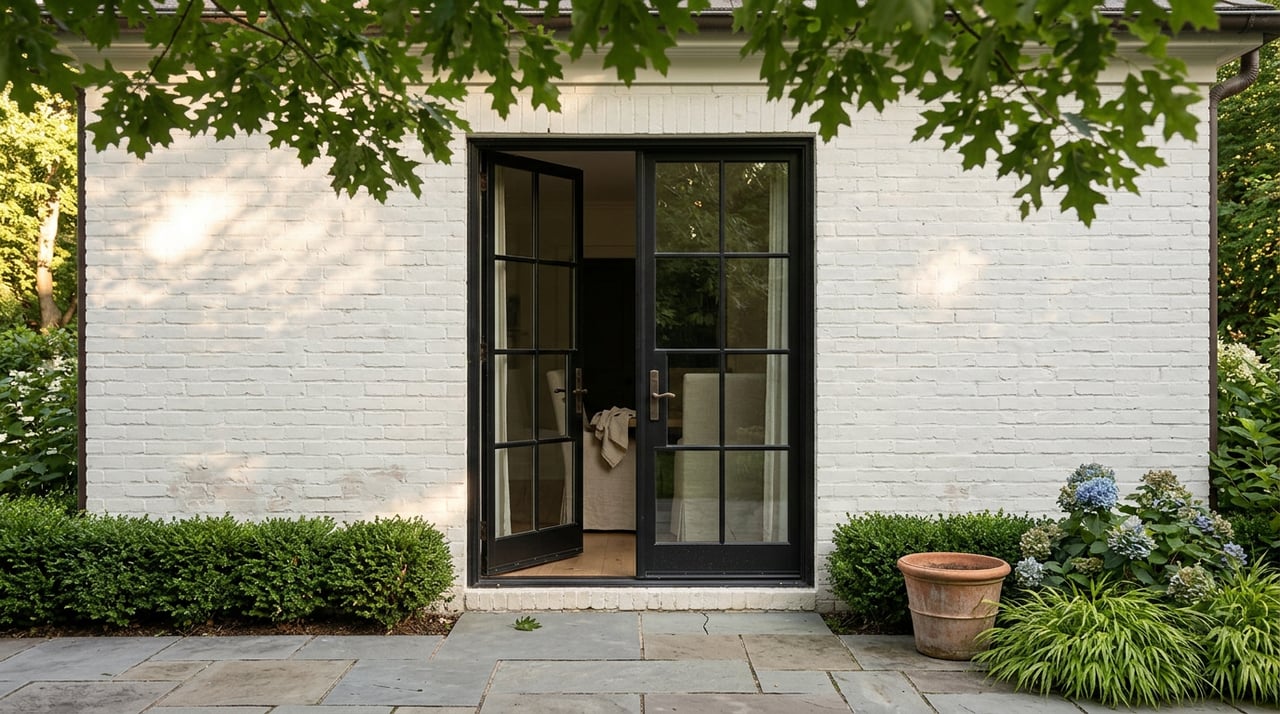
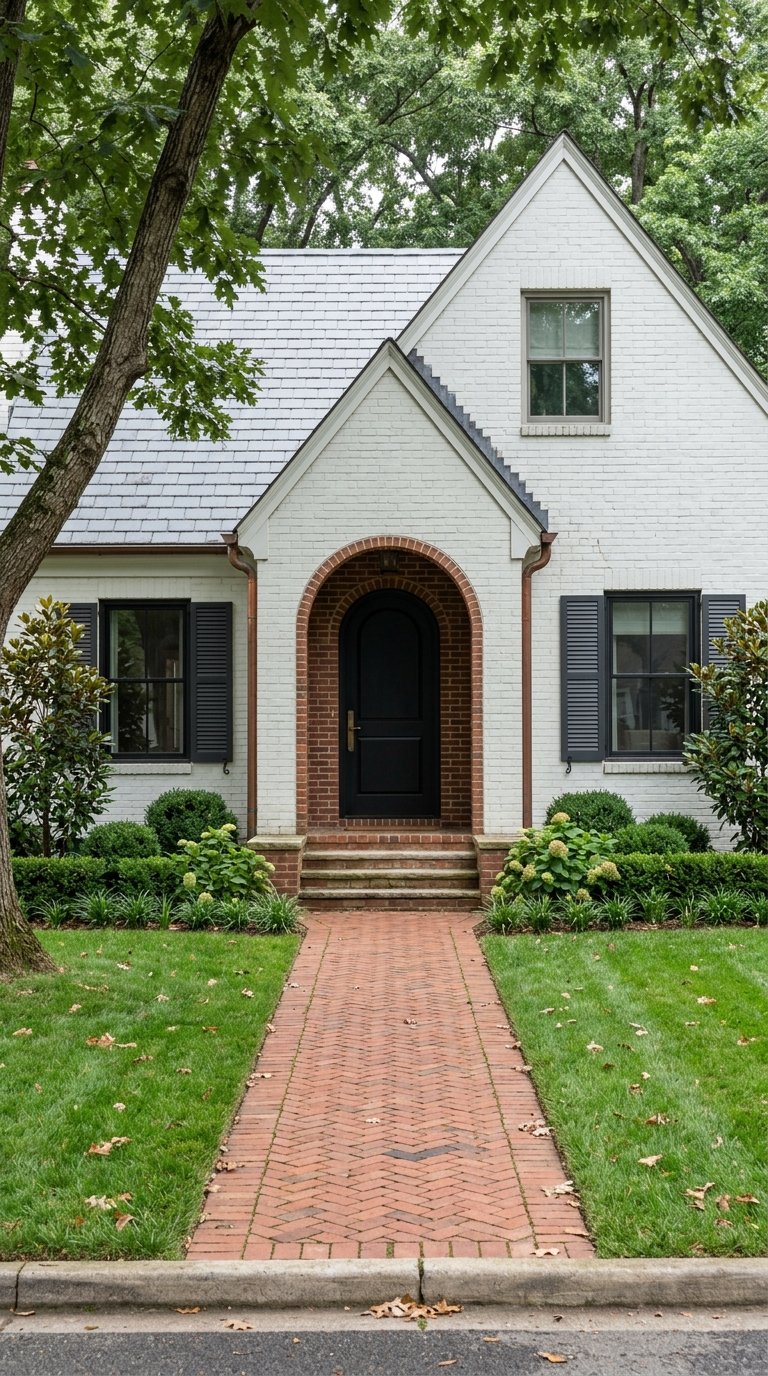
A home may have historic charm, but that does not tell you how thoroughly it has been updated. In NoDa, it is important to understand whether you are looking at largely original construction, a partial renovation, or a more complete modernization.
The survey also notes that district boundaries would likely be reduced to reflect demolition and new construction along North Davidson, with more of the historic emphasis shifting toward Highland Park No. 3 and the adjacent mill village. That is a useful reminder to evaluate the actual block and property, not just the neighborhood name.
Check historic and parcel rules early
Verify district and overlay status
If you plan to make changes after closing, do not wait until later to check what applies to the property. Charlotte has eight Local Historic Districts, and the city requires a Certificate of Appropriateness before exterior work begins in those districts.
According to the city, a COA can be required for exterior alterations, restoration, new construction, moving, demolition, and some site work. Some routine in-kind repairs may not require approval, but parcel status should be verified before you make plans or budget improvements.
Use Mecklenburg County GIS tools
One of the most practical steps you can take is to review the parcel in Mecklenburg County GIS. POLARIS and GeoPortal can show zoning overlays, floodplain overlays, post-construction buffers, historic districts, ownership information, environmental restrictions, and other parcel-level details.
This matters because NoDa buyers are often comparing older homes, renovated properties, and infill construction. Parcel-level due diligence can help you understand what is already there, what may affect future work, and whether a home fits your plans.
Floodplain review still matters
NoDa is urban, but floodplain diligence still belongs on your checklist. Charlotte-Mecklenburg maps both current FEMA floodplains and future or community floodplains, and the city directs property owners to its 3D Floodzone Map to see whether an address is in or touches a regulated floodplain.
Even if flood risk is not the first thing that comes to mind when shopping in this area, it can affect insurance, future improvements, and your comfort level with the property. This is another reason to review the exact parcel, not just the neighborhood overall.
Transit is a real lifestyle factor
Blue Line access is a major draw
NoDa offers direct Blue Line access through 25th Street Station at 2227 N. Brevard Street and 36th Street Station at 434 E. 36th Street. Both stations are ADA accessible and include bike racks, and 36th Street Station also has bus connections on Routes 3 and 23.
If you want a more car-light lifestyle, this can be a meaningful advantage. It can also shape resale appeal later, especially for buyers who prioritize transit access and neighborhood connectivity.
Walk the route you would actually use
Transit access on paper is one thing. Your real day-to-day experience is another.
Before you buy, it helps to walk from the home to the station you would actually use most often. Pay attention to crossings, sidewalks, noise, lighting, and how comfortable the route feels during the times of day that match your routine.
Streetscape and trail projects can change daily life
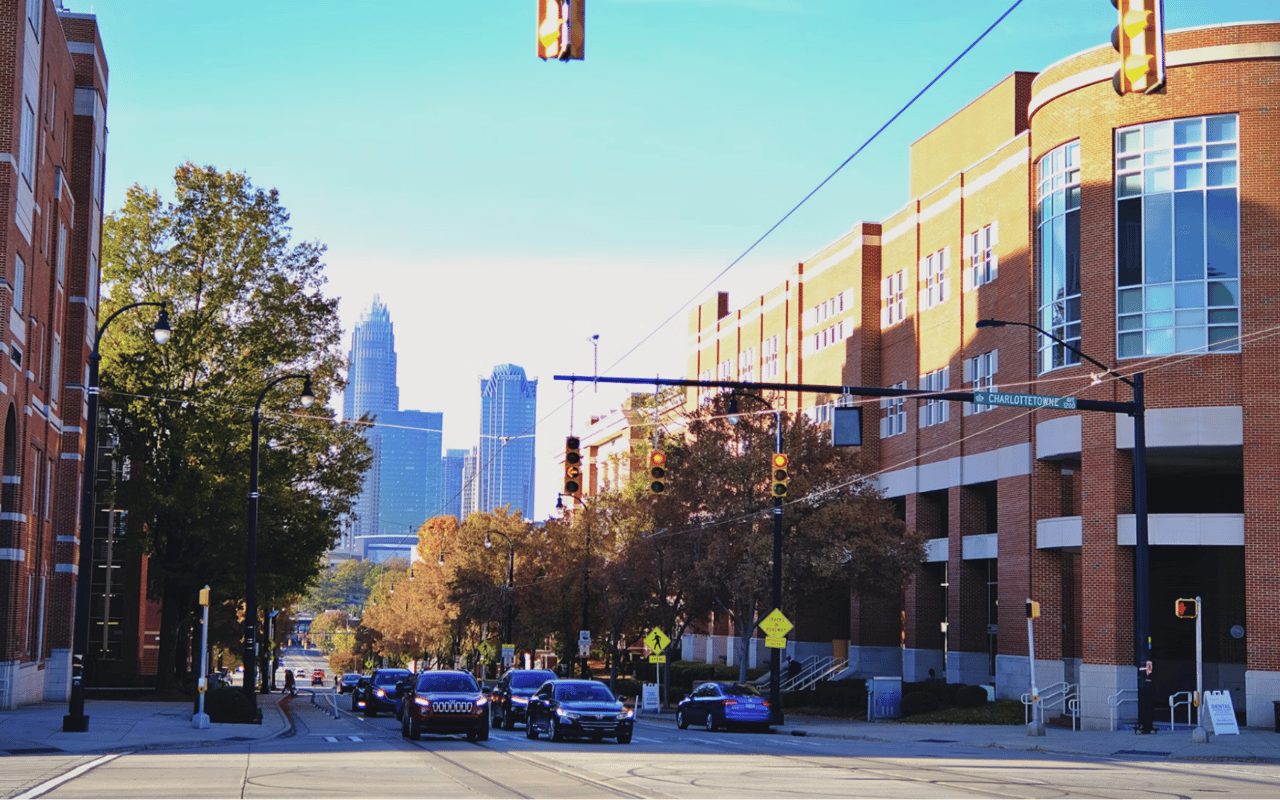
Charlotte is continuing to invest in station-area access through NECI, which is designed to improve pedestrian, bicycle, and motorist connections to the Blue Line and connect it with the Cross Charlotte Trail and NoDa destinations. Current work includes the North Tryon Street and 36th Street Streetscape and Parkwood Avenue Streetscape, while the 25th Street Connection is already complete.
These projects can improve accessibility over time, but they can also change your near-term experience. Depending on the block, you may notice construction activity, traffic shifts, detours, or a different street feel while work is underway.
Watch the Cross Charlotte Trail timeline
Another major future-project item is the Cross Charlotte Trail segment from Matheson Avenue to 36th Street in NoDa. The city says a private developer will design and construct this segment, with completion currently estimated for the second quarter of 2028.
That project is part of the trail’s main alignment, which adds to NoDa’s long-term connectivity story. Still, if you are sensitive to noise, staging, or changing street conditions, it is wise to check what is planned near the home you are considering.
Parking can make or break livability
Parking deserves more attention in NoDa than many buyers first expect. Charlotte’s Park It program manages on-street parking throughout NoDa, while the city’s current residential parking permit program is limited to First Ward, Third Ward, Fourth Ward, Dilworth, and Wilmore.
In practical terms, that means the parking experience in NoDa can feel especially block-dependent. A home near an active commercial stretch or station area may have a very different curb-space pattern than one just a few streets away.
Ask about daily and guest parking
Before you make an offer, confirm:
- Whether the home has off-street parking
- How guest parking typically works
- What curb conditions look like during evenings and weekends
- Whether nearby businesses or stations affect demand on the block
In NoDa, these details can influence your daily routine as much as square footage or bedroom count.
Understand the redevelopment backdrop
Charlotte Area Transit System’s broader transit-oriented development policy supports walkable, mixed-use development along transit corridors. The city notes that this approach has already proven successful along the Blue Line and Blue Line Extension.
For NoDa buyers, that helps explain the larger context behind ongoing infill and station-area redevelopment. It can support accessibility and long-term appeal, but it also means the neighborhood may keep evolving around you.
That is not automatically a positive or a negative. It simply means your buying decision should account for both the current feel of the block and what may be taking shape nearby.
A smart NoDa buyer checklist
If you want to buy in NoDa with more confidence, focus on a short list of practical checks before you move forward.
Review these items before you buy
- Verify the parcel in Mecklenburg County GIS
- Check whether any local historic district or overlay applies
- Review floodplain status
- Compare the walk to 25th Street Station or 36th Street Station
- Look at whether current streetscape, NECI, or trail work affects your block
- Confirm off-street and guest parking realities
- Ask for permit history and renovation scope on older homes
This is where local guidance can make a real difference. In a neighborhood like NoDa, broad impressions are useful, but block-level context is what helps you make a better decision.
If you want clear, strategic guidance on buying in NoDa or comparing it with other Charlotte neighborhoods, connect with Charlotte Living Realty Group to experience a more informed approach.
FAQs
What should buyers know about NoDa housing types?
- NoDa includes a mix of historic mill-village homes, remodeled older properties, and newer infill, so condition and exact block often matter as much as the neighborhood name.
What should buyers check before renovating a NoDa home?
- Buyers should verify whether the parcel is in a Local Historic District or has other overlays, since exterior work in certain districts may require a Certificate of Appropriateness from the city.
What should buyers know about floodplain risk in NoDa?
- Buyers should review parcel-level floodplain status because Charlotte-Mecklenburg maps both current FEMA floodplains and future or community floodplains that may affect a property.
What should buyers know about transit access in NoDa?
- NoDa has direct Blue Line access through 25th Street Station and 36th Street Station, which can support a car-light lifestyle and add convenience for everyday commuting.
What should buyers know about parking in NoDa?
- Parking in NoDa can be very block-dependent because on-street parking is managed through the city’s Park It program and the current residential permit parking program does not include NoDa.
What should buyers know about construction and future projects in NoDa?
- Buyers should check nearby streetscape, NECI, and Cross Charlotte Trail projects because long-term connectivity improvements can also bring near-term construction, traffic changes, and more street activity.