If you want a neighborhood that feels residential without feeling removed, Sedgefield stands out. You get tree-lined streets, neighborhood-scale parks, and a calmer day-to-day setting, while South End’s restaurants, coffee shops, breweries, and transit options sit close by. For buyers, sellers, and anyone weighing lifestyle in this part of Charlotte, understanding that balance is the key. Let’s dive in.
Sedgefield Feels Residential First
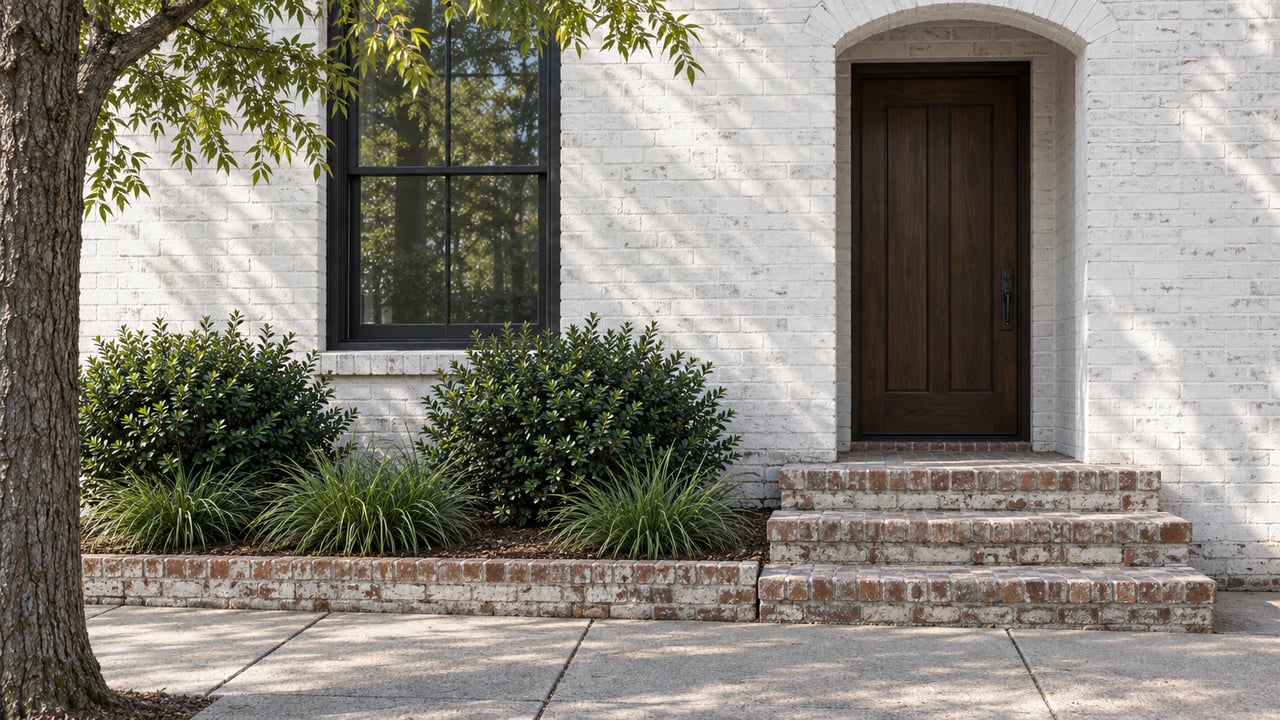
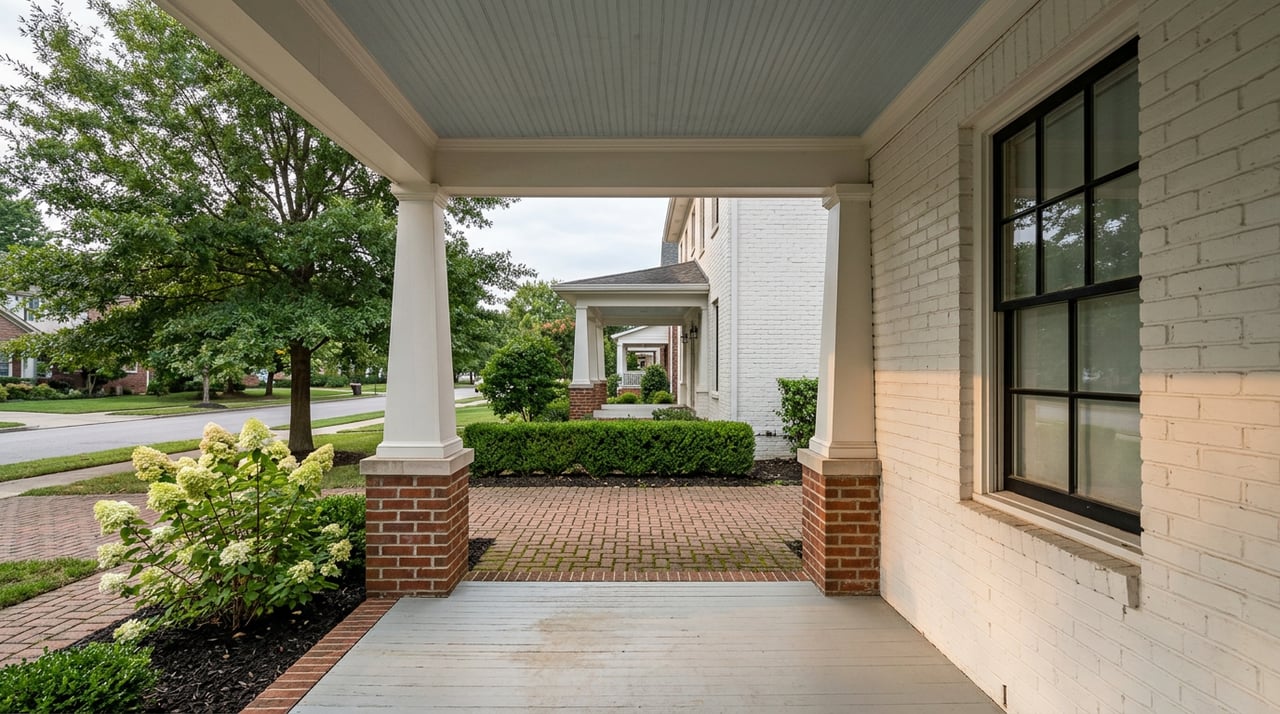
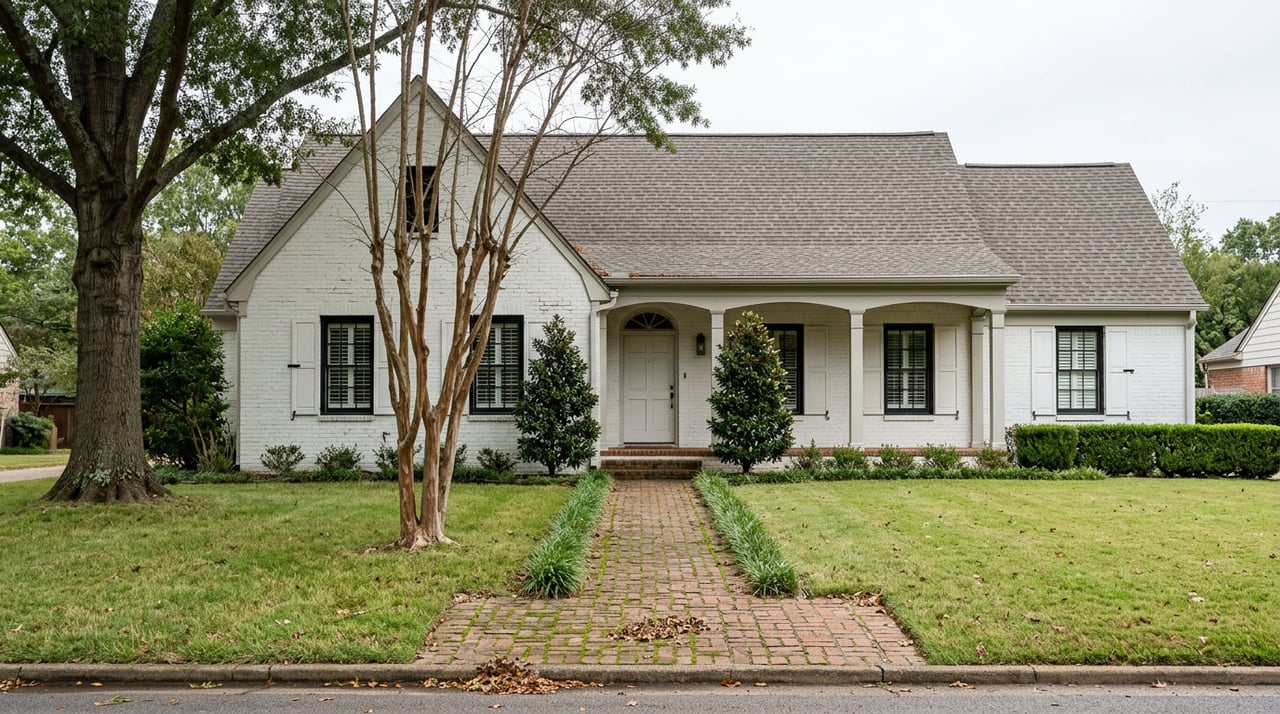
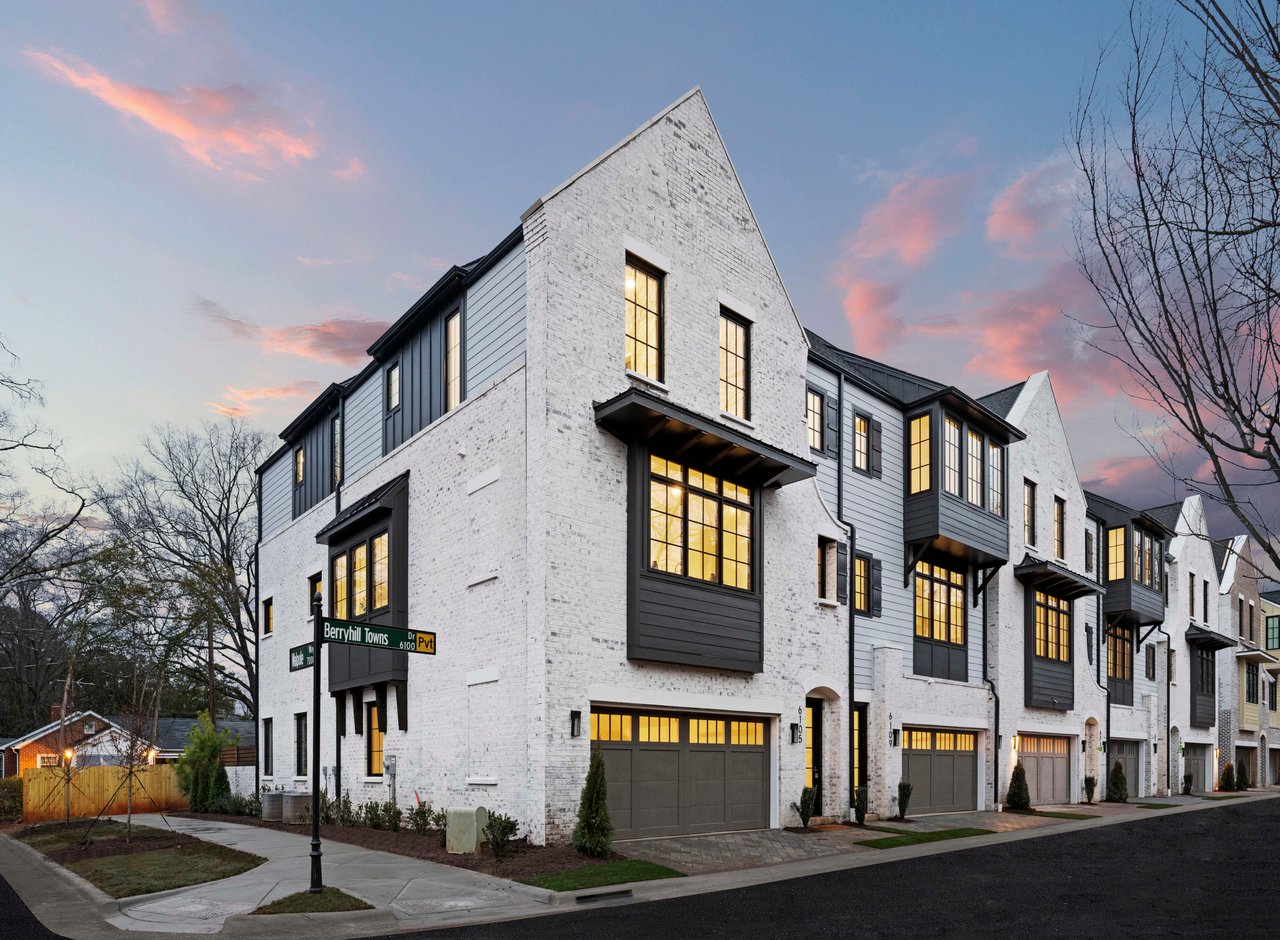
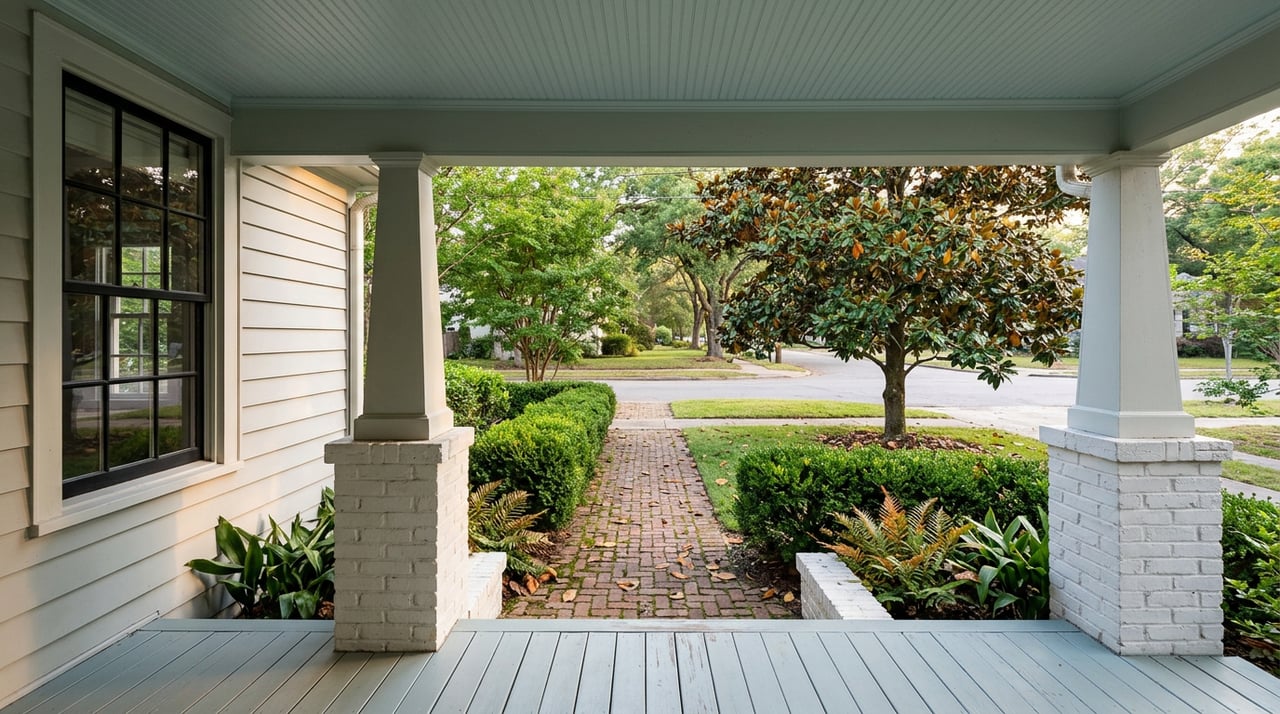
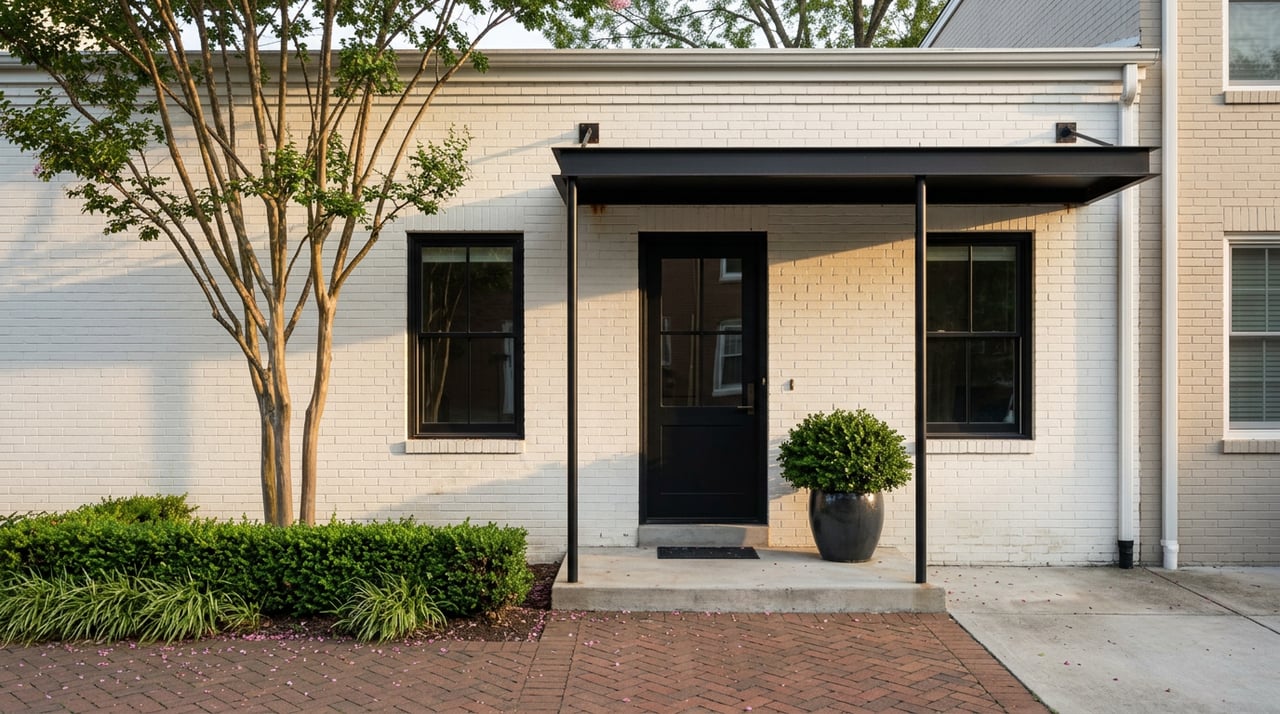
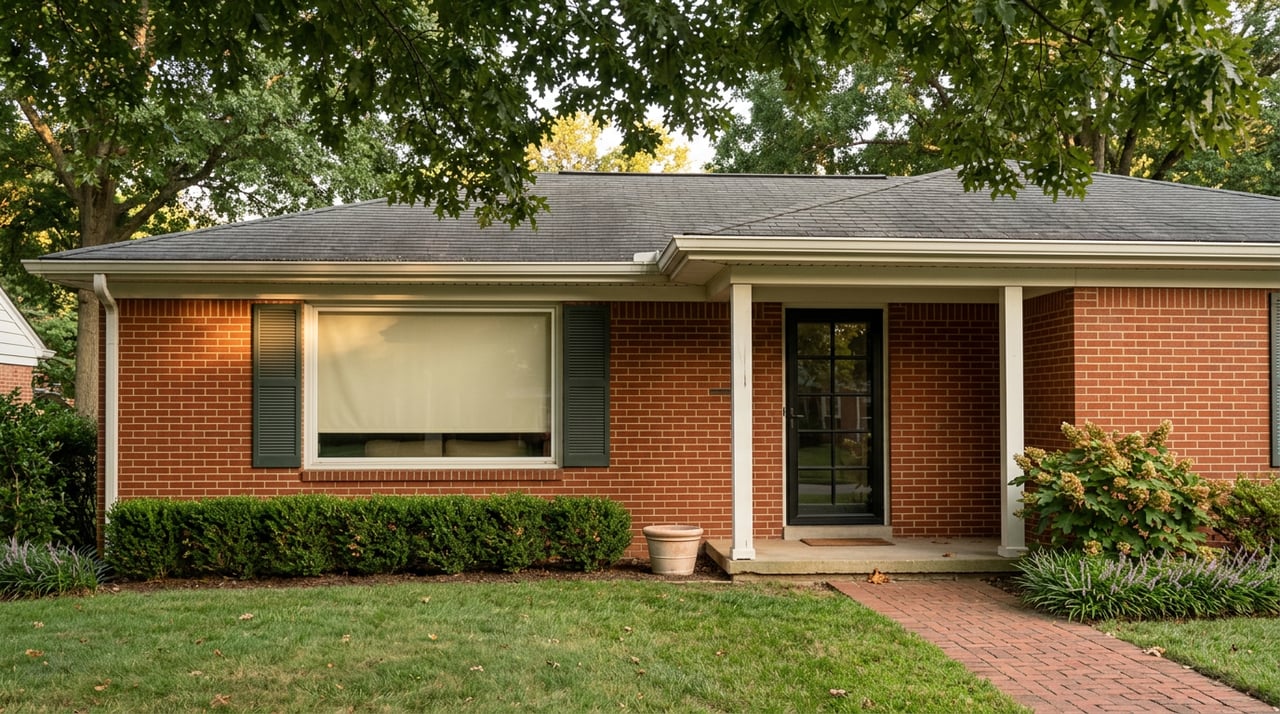
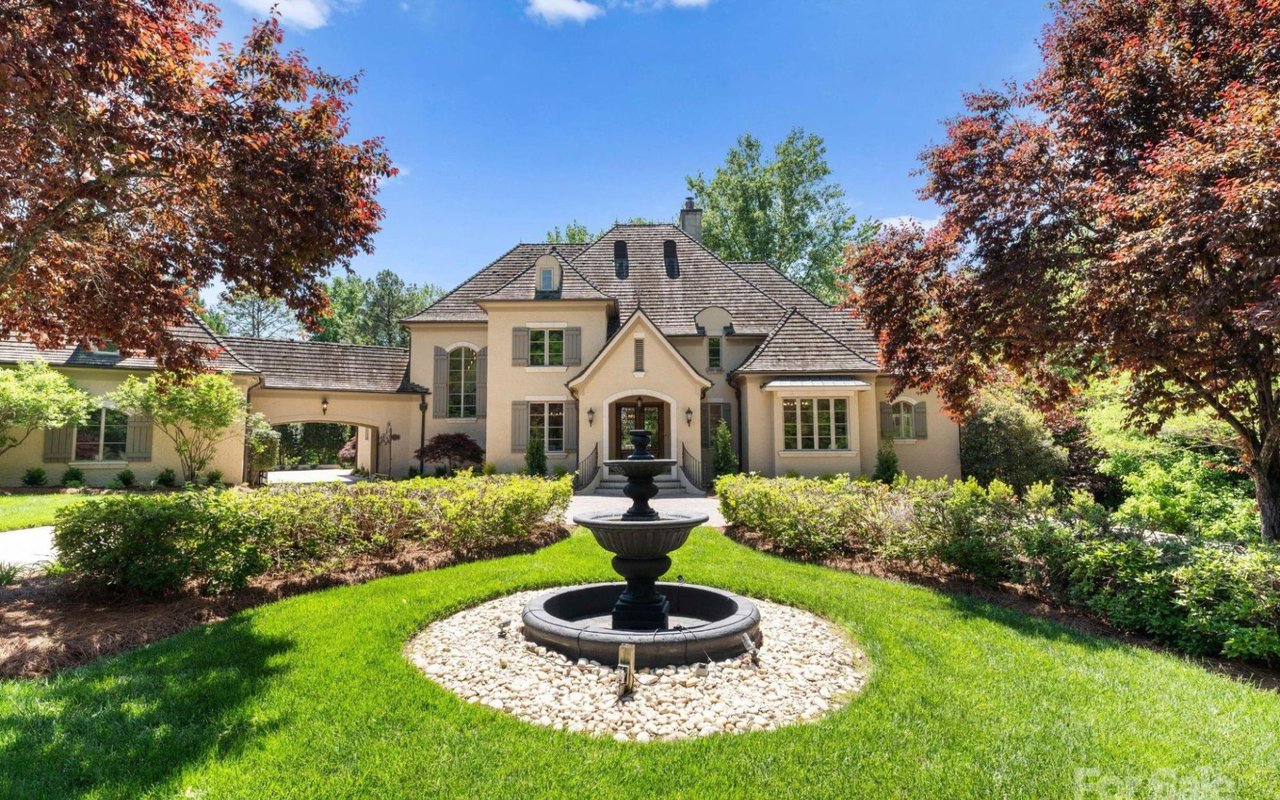
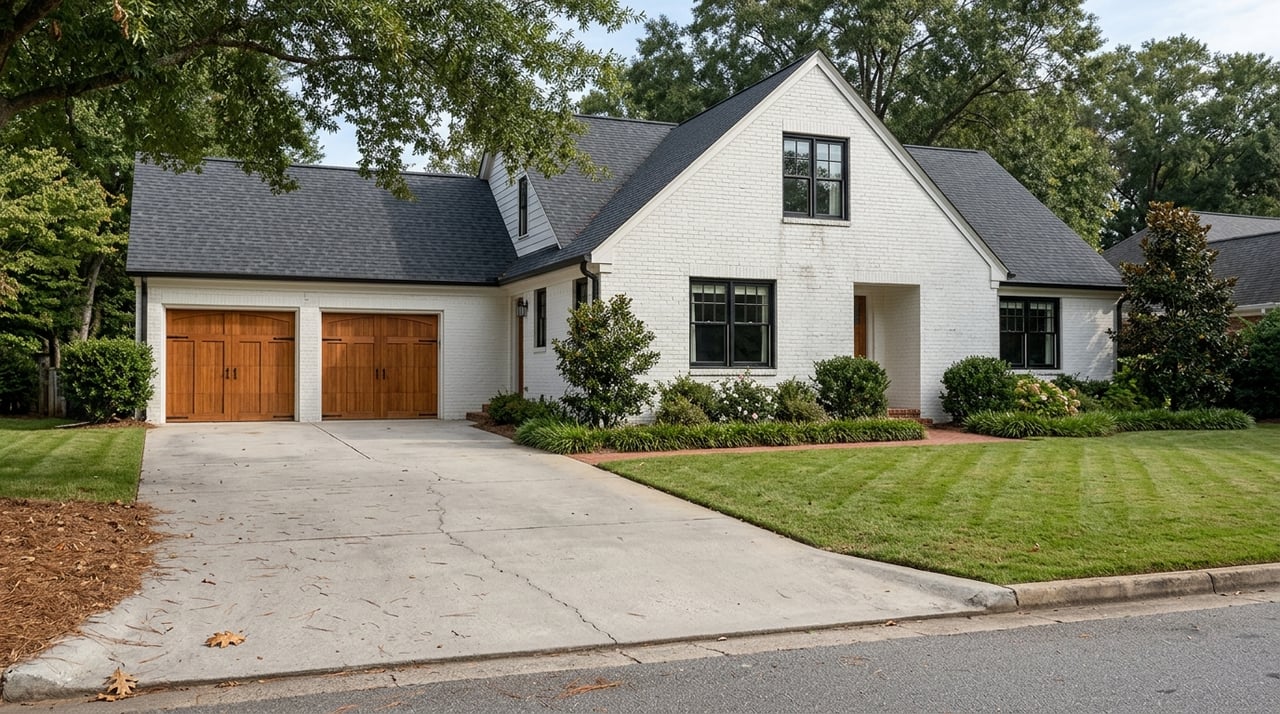
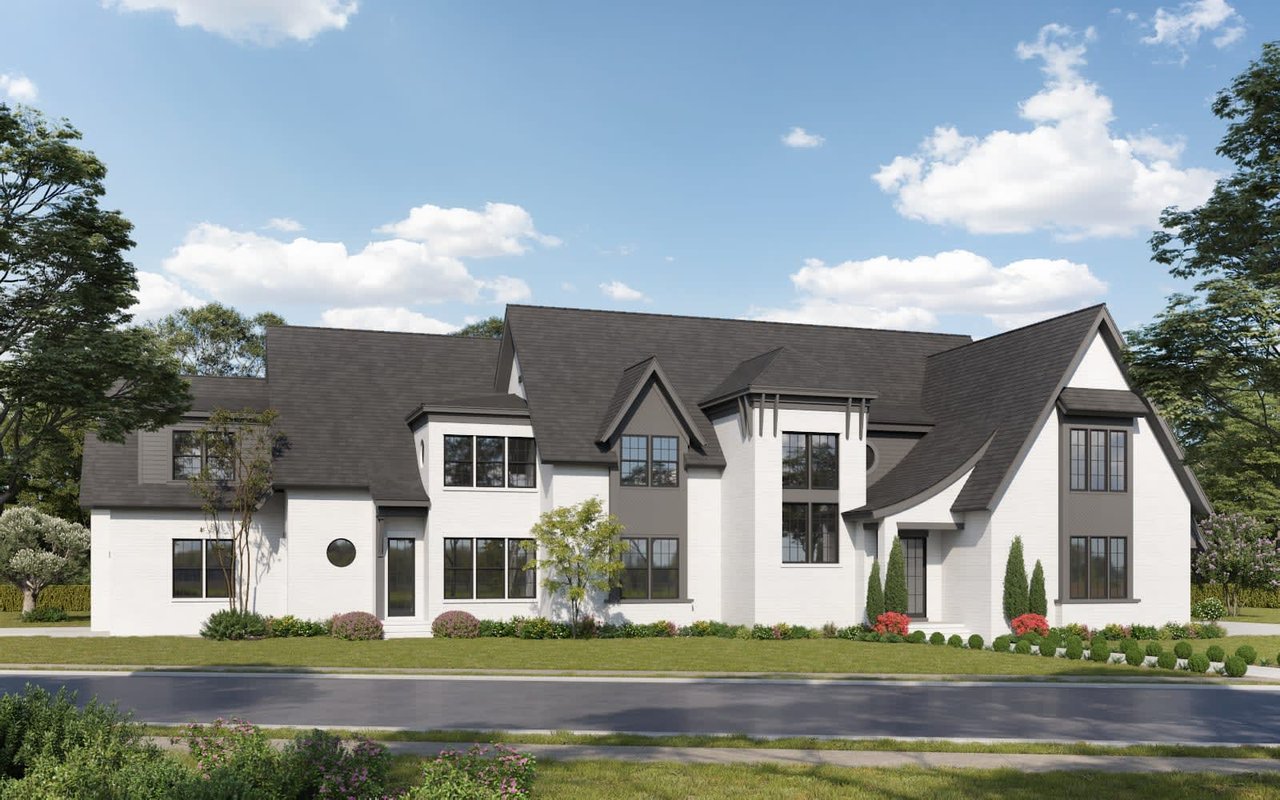
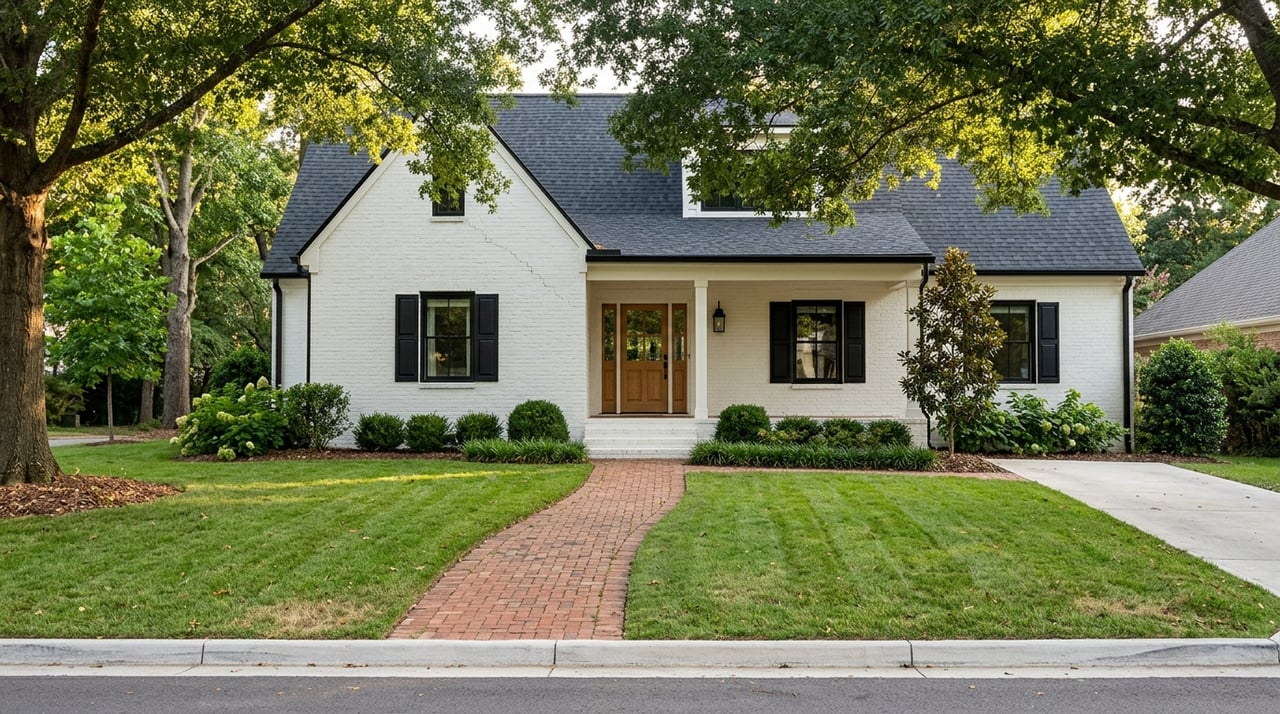
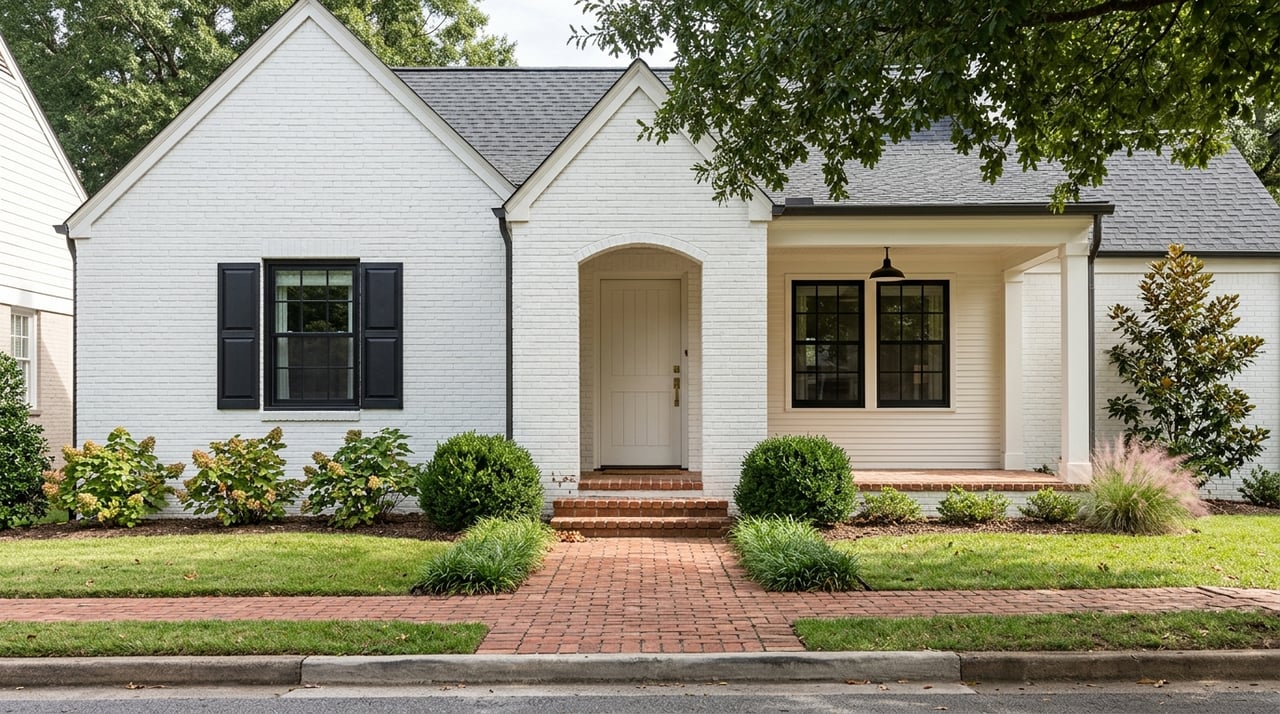
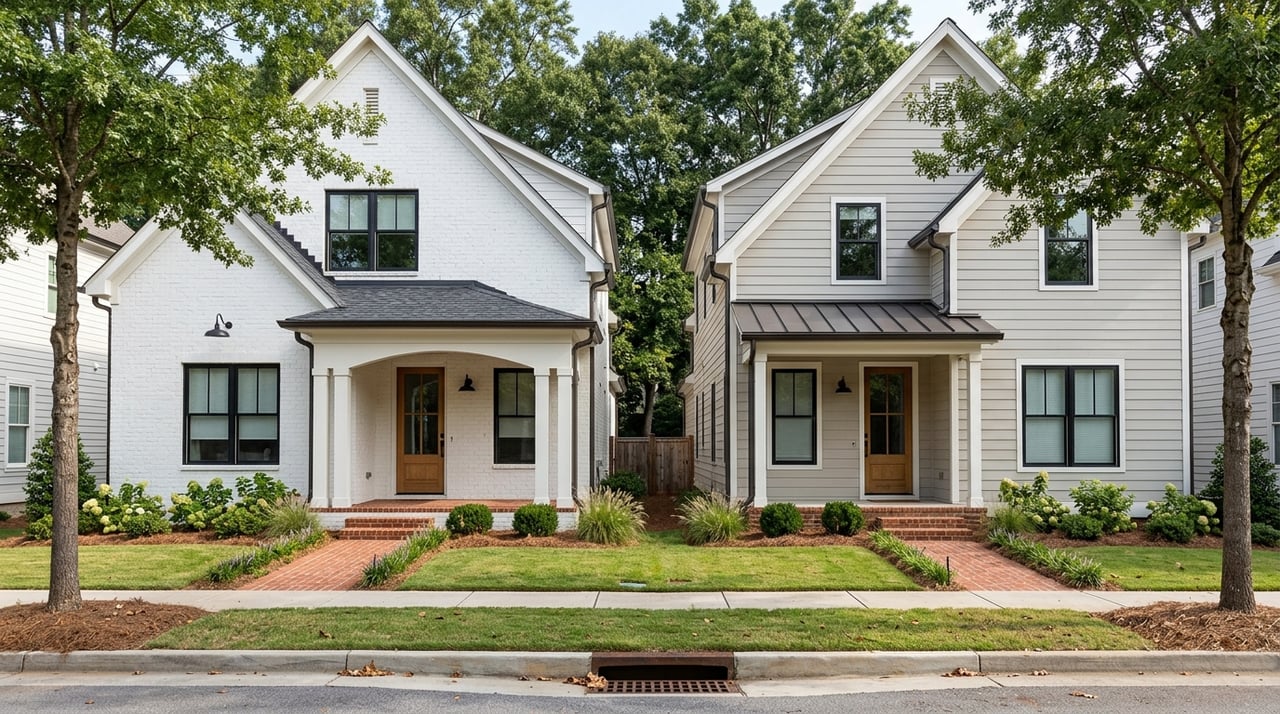
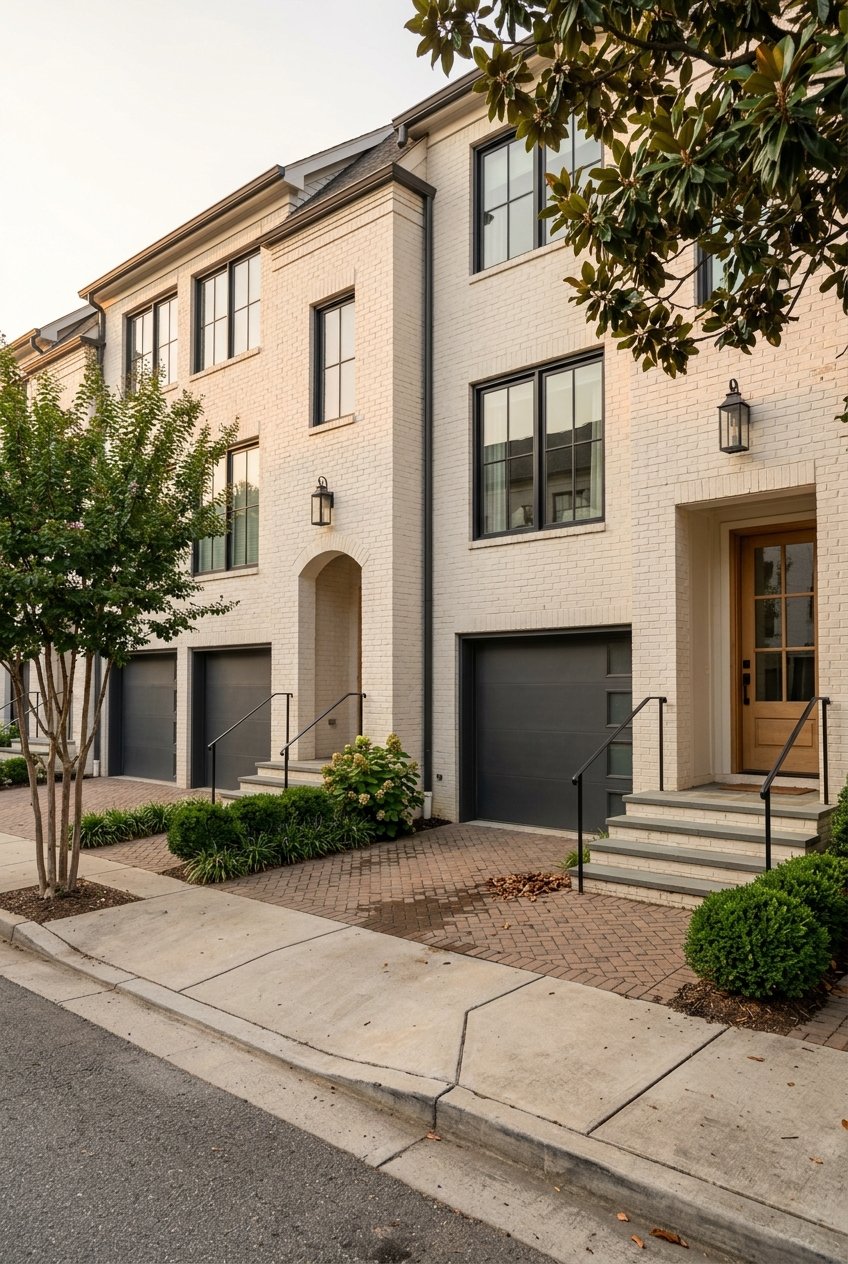
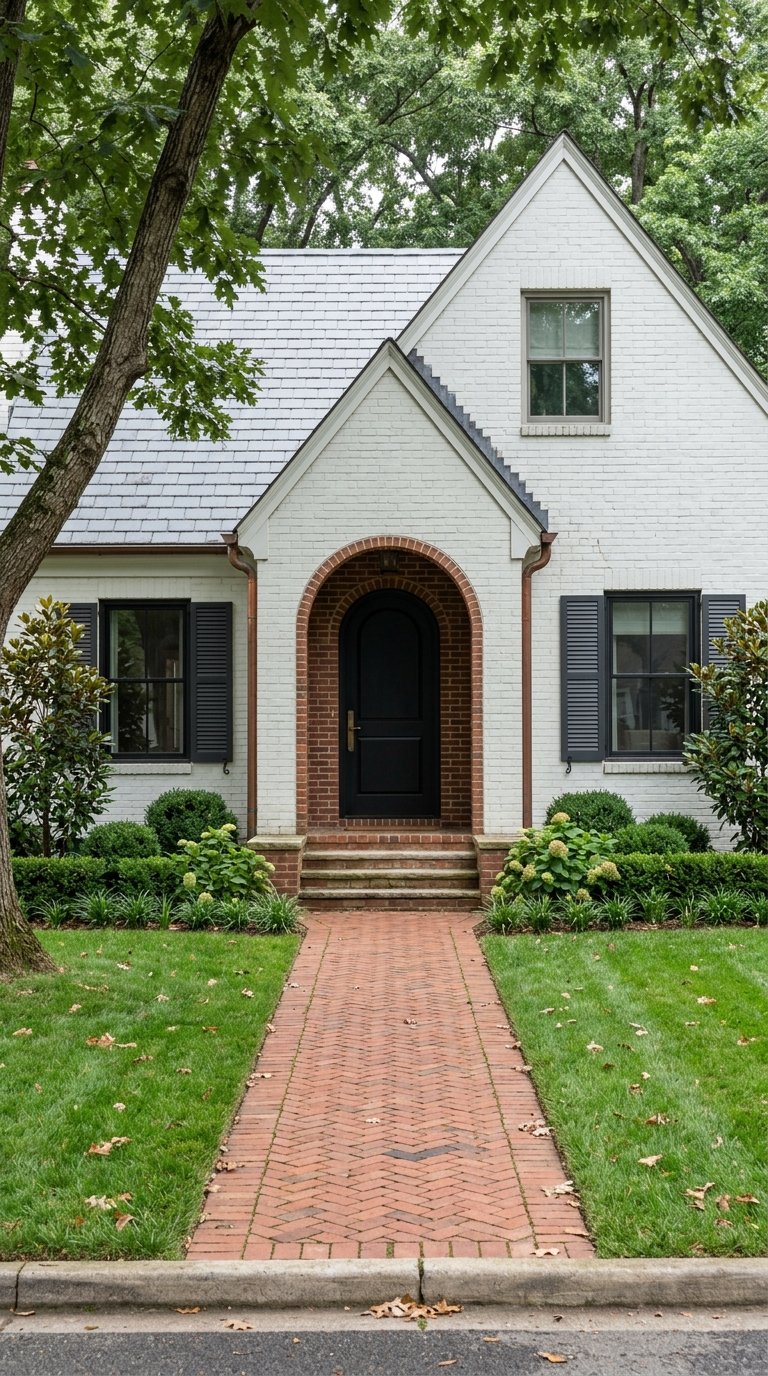
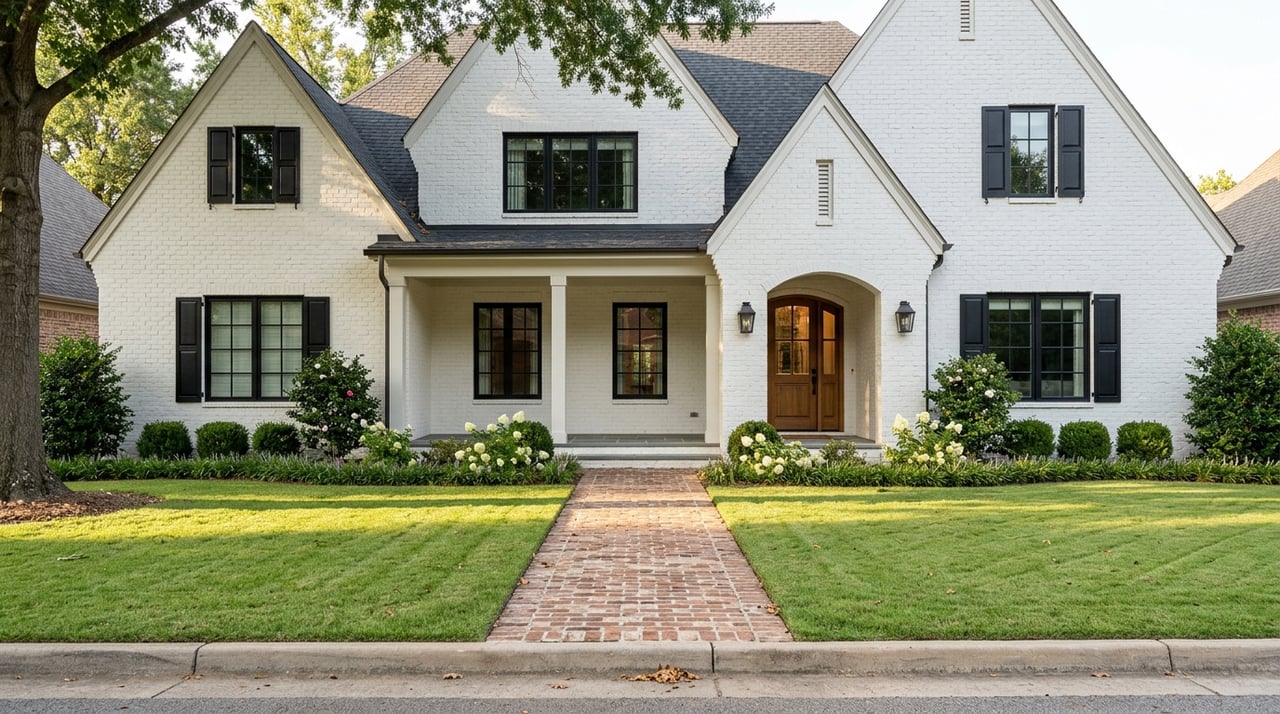
Sedgefield reads as a true neighborhood rather than a commercial district. The Sedgefield Neighborhood Association lists roughly 800 homes, which helps explain why the area feels established, scaled for residents, and grounded in day-to-day living.
That smaller neighborhood footprint can matter when you are thinking about how a place actually functions. Instead of centering around retail, Sedgefield centers around homes, local streets, and shared community spaces. It offers a setting where your routine is shaped more by where you live than by through-traffic or constant activity.
The neighborhood association also serves as the best public reference for how residents define Sedgefield’s boundaries. The City of Charlotte notes that neighborhood boundaries are self-determined by the organization, which makes the association map especially useful when you are trying to understand what locals mean when they say “Sedgefield.”
Parks Shape Daily Life in Sedgefield
One of the clearest markers of everyday life here is access to green space. Sedgefield Park on Poindexter Drive is described by the neighborhood association as a local gathering place with playgrounds, tennis courts, picnic shelters, and direct access to the Little Sugar Creek Greenway.
That kind of park access changes how a neighborhood feels from morning to evening. It gives you places to walk, meet neighbors, spend time outside, or add a little movement to your day without needing to drive elsewhere first.
For many buyers, this is the type of feature that holds up over time. A neighborhood park is not just an amenity on paper. It becomes part of your weekly rhythm, whether that means a quick tennis match, a walk with the dog, or meeting friends at a picnic shelter.
Little Sugar Creek Greenway Adds Flexibility
The Little Sugar Creek Greenway is one of the biggest lifestyle advantages near Sedgefield. Mecklenburg County describes greenways as linear parks that support recreation, transportation, fitness, and economic benefits, and this corridor reflects that broader role.
The greenway runs more than 17 miles from Brevard Street in NoDa to the South Carolina state line. It is also part of the Cross Charlotte Trail, which gives it value not only as a scenic path but as a larger connection point across the city.
In practical terms, that means your routine can be more flexible. You may use the greenway for exercise one day, a casual walk the next, or as part of a more connected route through Charlotte. That kind of everyday utility is part of what makes Sedgefield feel convenient without needing to feel busy.
South End Adds the Social Layer
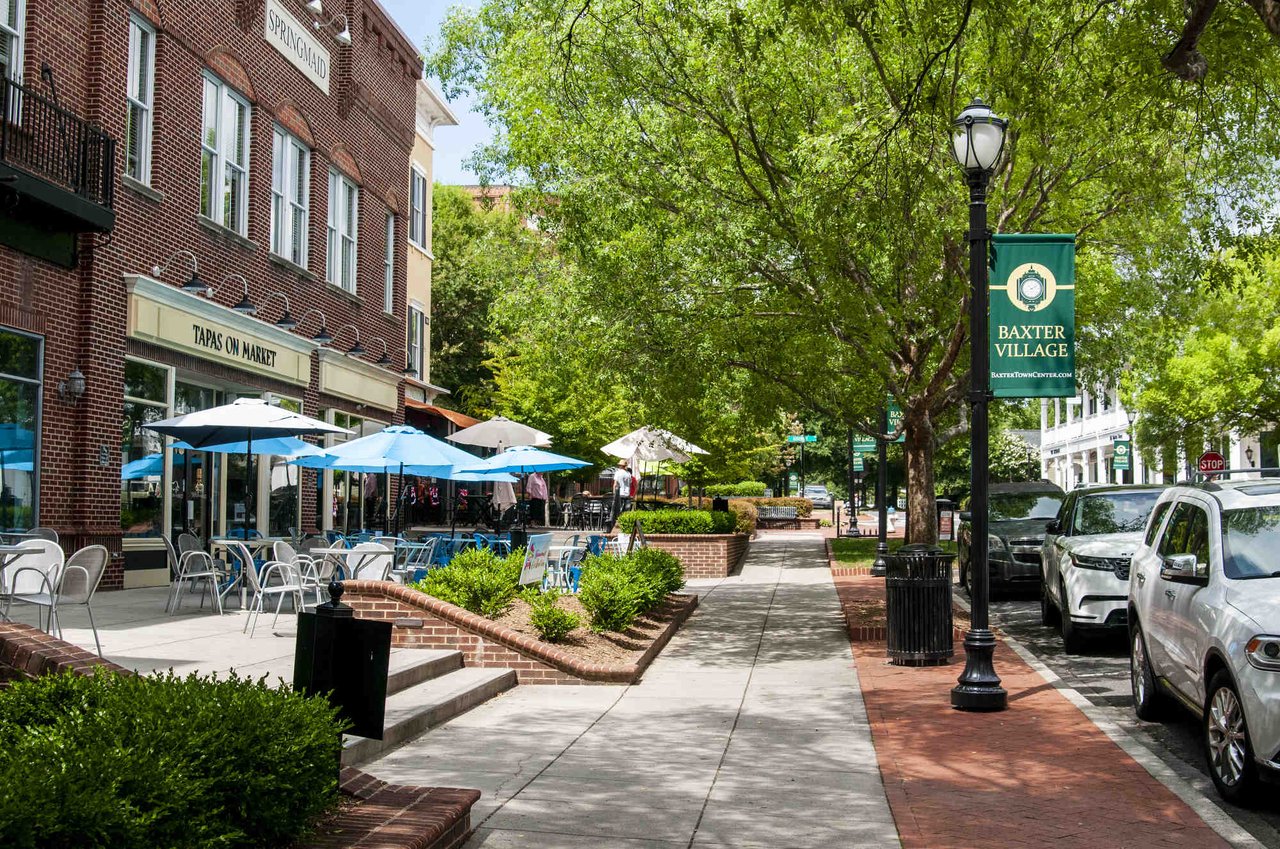
A major part of Sedgefield’s appeal is what sits nearby. South End’s official district site describes the area as a destination for dining, breweries, coffee shops, art galleries, murals, and retail, giving you easy access to a much more active social district.
Its food scene spans a broad range, from casual fare to ramen, Korean bulgogi beef, fine Italian, and chef-driven small plates. The district also highlights activity-driven events and habits like brewery run clubs and yoga, which adds to the sense that South End is not just a place to eat, but a place where many people spend free time.
For everyday life, the contrast matters. Sedgefield offers a residential home base, while South End adds options for going out, meeting friends, or changing up your routine without needing to plan a major trip across town.
Getting Around Is Part of the Appeal
Connectivity is one of the reasons this area works so well for many Charlotte buyers. South End’s LYNX Blue Line access gives nearby residents another way to move through the city, whether you are commuting, meeting friends, or heading out for the evening.
According to South End’s district information, weekday Blue Line service runs from 5:26 a.m. to 1:26 a.m. During weekday rush hour, trains arrive every 10 minutes, and off-peak service runs every 15 minutes. On weekends, daytime service runs every 20 minutes, with late-night service every 30 minutes.
South End stops listed on the district site include Carson, Bland Street, East/West Boulevard, and New Bern. That range of nearby stops adds flexibility, especially for residents who want options beyond driving for every outing.
Rail Trail Access Supports Active Living
The Blue Line Rail Trail adds another layer to daily life near Sedgefield and South End. Charlotte’s Rail Trail information describes it as an 11-mile pedestrian and bicycle facility that runs parallel to the rail line and connects to 15 bicycle routes.
It is used for jogging, cycling, commuting, dog walking, dining, drinking, shopping, and getting around adjacent areas. That mix is important because it shows the trail is not just recreational. It supports movement, errands, and social plans in a way that fits real daily use.
There is also a future South End Station planned between New Bern and East/West Boulevard, currently targeted to open in 2028. For buyers looking at longer-term convenience and neighborhood access, future transit improvements are worth keeping on the radar.
Nearby Parks Broaden Your Options
While Sedgefield Park is central to neighborhood life, the broader south Charlotte park network adds even more flexibility. Mecklenburg County lists Park Road Park Pavilion at 6220 Park Road as a lakeside gathering space with room for up to 120 people.
County recreation pages also list Park Road Park for tennis and pickleball courts. Even if your daily routine stays close to home, it helps to know that larger recreational options are nearby when you want a change of pace or need space for a bigger gathering.
This broader park access adds range to the lifestyle. You can keep things local most days, then take advantage of larger recreational spaces when the occasion calls for it.
What Everyday Life Feels Like
In real terms, life in Sedgefield is about balance. You can start your day in a quieter residential setting, spend time outdoors on neighborhood park space or the greenway, and still reach South End when you want dining, nightlife, coffee, or a different pace.
That balance is especially appealing in Charlotte because not every neighborhood offers both pieces at once. Some areas lean heavily urban, while others feel more removed from activity. Sedgefield sits in a useful middle ground.
For buyers, that can mean a neighborhood that supports both routine and flexibility. For sellers, it is often this blend of residential character and nearby access that helps the area stand out in the minds of potential buyers.
Why Sedgefield Draws Attention
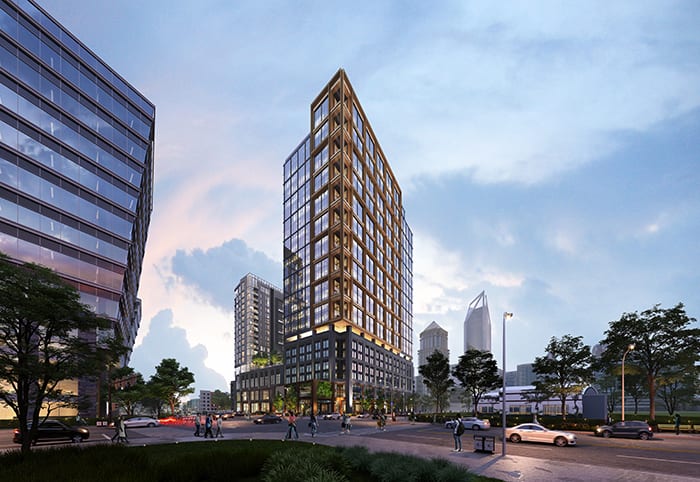
From a real estate perspective, Sedgefield benefits from something many people are looking for right now: a neighborhood feel with close-in connectivity. Its scale, green space, and proximity to South End create a lifestyle story that is easy to understand and easy to value.
That does not mean every buyer wants the same thing. Some people are focused on walkability and activity. Others care more about a calmer street presence and outdoor access. Sedgefield’s strength is that it can speak to both priorities at once.
When you are evaluating where to live near South End, that nuance matters. The best fit is not only about what is nearby. It is about how your home base feels when you come back to it at the end of the day.
If you are thinking about buying or selling in Sedgefield or anywhere near South End, working with a team that understands neighborhood context can make the process much clearer. Charlotte Living Realty Group brings a polished, local perspective to Charlotte real estate, with the insight to help you weigh lifestyle, location, and long-term fit.
FAQs
What is everyday life like in Sedgefield near South End?
- Everyday life in Sedgefield is shaped by a residential setting, neighborhood park access, the Little Sugar Creek Greenway, and quick access to South End’s dining, retail, and social activity.
How big is the Sedgefield neighborhood in Charlotte?
- The Sedgefield Neighborhood Association lists roughly 800 homes, which supports its community-scale, residential feel.
What park access do Sedgefield residents have?
- Sedgefield Park on Poindexter Drive offers playgrounds, tennis courts, picnic shelters, and direct access to the Little Sugar Creek Greenway.
How long is Little Sugar Creek Greenway near Sedgefield?
- Mecklenburg County says Little Sugar Creek Greenway runs more than 17 miles from Brevard Street in NoDa to the South Carolina state line.
What does South End offer near Sedgefield?
- South End offers dining, breweries, coffee shops, art galleries, murals, retail, and activity-based events, giving Sedgefield residents a nearby social and entertainment district.
How does Blue Line access help Sedgefield residents?
- Nearby South End Blue Line access gives residents another option for commuting and getting around, with frequent weekday and weekend train service and stops including Carson, Bland Street, East/West Boulevard, and New Bern.
What is the Rail Trail near South End and Sedgefield?
- Charlotte describes the Blue Line Rail Trail as an 11-mile pedestrian and bicycle facility that runs alongside the rail line and connects to 15 bicycle routes.
Are there other parks near Sedgefield in south Charlotte?
- Yes. Mecklenburg County lists Park Road Park Pavilion at 6220 Park Road and notes broader Park Road Park amenities including tennis and pickleball courts.