By The Charlotte Living Realty Group
Sleep is one of the most undervalued aspects of a well-designed home. We spend enormous energy choosing the right countertops, the right paint colors, and the right neighborhood amenities, but we rarely give the same level of intentionality to the spaces and conditions that determine the quality of our rest.
At The Charlotte Living Realty Group, we work with buyers and homeowners across the Charlotte metro area every day, and we have noticed a meaningful shift in what people prioritize when they think about their ideal home. Sleep quality, bedroom design, and overall home wellness are increasingly part of the conversation, and for good reason. The home you live in has a direct and measurable impact on how well you sleep, and how well you sleep shapes virtually everything else about your life.
This guide is for anyone who wants to be more intentional about creating a home environment that genuinely supports rest. Whether you are designing a new home from scratch, renovating an existing space, or simply making thoughtful adjustments to what you already have, there is a great deal you can do to improve the quality of your nights.
Start With the Bedroom as a Dedicated Sleep Environment
The single most impactful change most people can make is treating the bedroom as a space with one primary purpose. In modern homes, the bedroom has become a multipurpose room where people work, watch television, scroll through phones, and decompress from the day in ways that are physiologically at odds with falling asleep easily and staying asleep deeply.
The brain is remarkably responsive to environmental associations. When you consistently use your bedroom for activities that require alertness and stimulation, your nervous system begins to associate that space with wakefulness rather than rest. Reversing that association starts with being intentional about what you do and do not bring into the bedroom.
Removing or relocating work equipment, exercise gear, and screens from the bedroom is a significant first step. If a dedicated home office is not possible in your current floor plan, creating even a visual separation between the workspace and the sleep space, using a room divider, a thoughtfully placed bookshelf, or strategic furniture placement, can help reinforce the psychological boundary your brain needs.
When clients are evaluating new homes or considering renovations, The Charlotte Living Realty Group often highlights the value of a well-separated primary suite. A primary bedroom that is positioned away from the main living areas, with a layout that supports a true retreat environment, is not just a luxury feature. It is a genuine quality of life investment.
The brain is remarkably responsive to environmental associations. When you consistently use your bedroom for activities that require alertness and stimulation, your nervous system begins to associate that space with wakefulness rather than rest. Reversing that association starts with being intentional about what you do and do not bring into the bedroom.
Removing or relocating work equipment, exercise gear, and screens from the bedroom is a significant first step. If a dedicated home office is not possible in your current floor plan, creating even a visual separation between the workspace and the sleep space, using a room divider, a thoughtfully placed bookshelf, or strategic furniture placement, can help reinforce the psychological boundary your brain needs.
When clients are evaluating new homes or considering renovations, The Charlotte Living Realty Group often highlights the value of a well-separated primary suite. A primary bedroom that is positioned away from the main living areas, with a layout that supports a true retreat environment, is not just a luxury feature. It is a genuine quality of life investment.
Prioritize Darkness and Light Control
Light is the most powerful regulator of the human circadian rhythm. The body's sleep-wake cycle is governed almost entirely by light exposure, which means the lighting conditions in your home have a direct impact on when you feel sleepy, how easily you fall asleep, and how deeply you sleep through the night.
In the evening hours, shifting your home's lighting toward warmer, dimmer tones signals to the brain that the day is winding down. Overhead lighting that mimics the cool blue spectrum of daylight keeps the nervous system alert and suppresses melatonin production. Installing dimmer switches in living areas and bedrooms is one of the most cost-effective home upgrades available for sleep quality, and it is something The Charlotte Living Realty Group encourages buyers to consider as a simple post-move improvement regardless of the home they purchase.
For the bedroom itself, blackout curtains or high-quality window treatments that block external light are essential. In Charlotte, where neighborhoods like South End, NoDa, and the areas surrounding Uptown have significant ambient light from streetlights, signage, and neighboring properties, light intrusion into the bedroom is a real and underappreciated sleep disruptor. Even small amounts of light during sleep have been shown to affect sleep architecture and the depth of restorative rest.
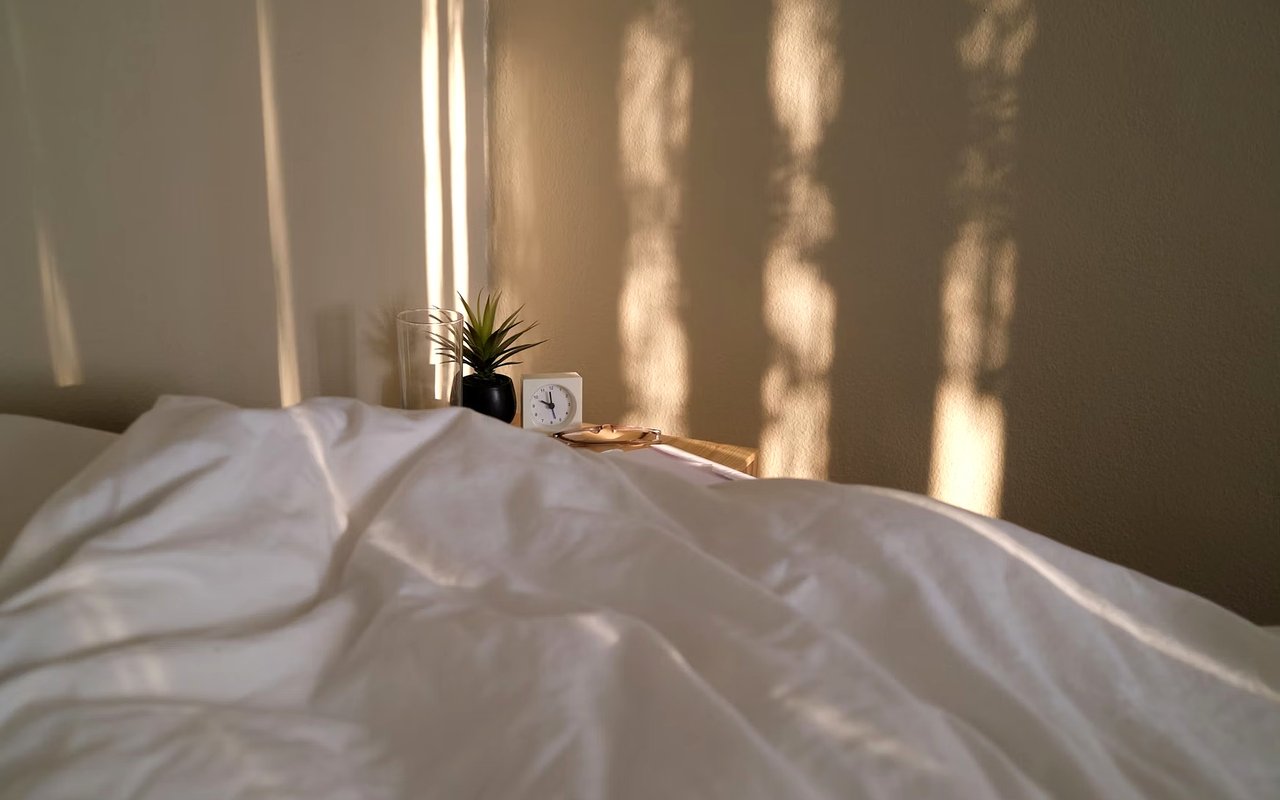
On the other end of the cycle, morning light exposure is profoundly beneficial for sleep quality. Positioning the bedroom to receive natural morning light, or using a gradual light alarm that simulates sunrise, helps reinforce a healthy circadian rhythm that makes falling asleep easier at night.
In the evening hours, shifting your home's lighting toward warmer, dimmer tones signals to the brain that the day is winding down. Overhead lighting that mimics the cool blue spectrum of daylight keeps the nervous system alert and suppresses melatonin production. Installing dimmer switches in living areas and bedrooms is one of the most cost-effective home upgrades available for sleep quality, and it is something The Charlotte Living Realty Group encourages buyers to consider as a simple post-move improvement regardless of the home they purchase.
For the bedroom itself, blackout curtains or high-quality window treatments that block external light are essential. In Charlotte, where neighborhoods like South End, NoDa, and the areas surrounding Uptown have significant ambient light from streetlights, signage, and neighboring properties, light intrusion into the bedroom is a real and underappreciated sleep disruptor. Even small amounts of light during sleep have been shown to affect sleep architecture and the depth of restorative rest.
On the other end of the cycle, morning light exposure is profoundly beneficial for sleep quality. Positioning the bedroom to receive natural morning light, or using a gradual light alarm that simulates sunrise, helps reinforce a healthy circadian rhythm that makes falling asleep easier at night.
Address Temperature and Airflow Thoughtfully
The body's core temperature drops naturally as part of the sleep process, and a bedroom environment that supports that temperature drop makes falling and staying asleep significantly easier. Most sleep researchers suggest a bedroom temperature between 65 and 68 degrees Fahrenheit as an optimal range for most adults, though individual preferences vary.
In Charlotte's climate, where summers are genuinely warm and humid, air conditioning performance and airflow in the bedroom are particularly relevant. Homes with well-maintained HVAC systems, properly sized for the square footage they serve, create a more stable sleep environment than those where the system struggles to maintain consistent temperatures overnight.
Ceiling fans are a practical and energy-efficient way to improve airflow and perceived comfort in the bedroom. In Charlotte's shoulder seasons, when temperatures are mild enough to avoid heavy air conditioning use, a ceiling fan running on a low, quiet setting can create the gentle air movement that many people find conducive to sleep without the energy cost of full climate control.
Bedding materials also play a significant role in temperature regulation during sleep. Natural fibers including cotton, linen, and wool have superior breathability compared to synthetic alternatives and help regulate body temperature more effectively across the night.
In Charlotte's climate, where summers are genuinely warm and humid, air conditioning performance and airflow in the bedroom are particularly relevant. Homes with well-maintained HVAC systems, properly sized for the square footage they serve, create a more stable sleep environment than those where the system struggles to maintain consistent temperatures overnight.
Ceiling fans are a practical and energy-efficient way to improve airflow and perceived comfort in the bedroom. In Charlotte's shoulder seasons, when temperatures are mild enough to avoid heavy air conditioning use, a ceiling fan running on a low, quiet setting can create the gentle air movement that many people find conducive to sleep without the energy cost of full climate control.
Bedding materials also play a significant role in temperature regulation during sleep. Natural fibers including cotton, linen, and wool have superior breathability compared to synthetic alternatives and help regulate body temperature more effectively across the night.
Reduce Noise Intrusion and Manage Acoustics
Noise is one of the most disruptive forces acting on sleep quality, and it operates on the body even when we are not consciously aware of it. Traffic noise, neighborhood sounds, HVAC hum, and sound transmission between rooms in a home can all fragment sleep architecture in ways that leave people feeling unrested even after a full night in bed.
When evaluating homes, The Charlotte Living Realty Group always pays attention to acoustic conditions as part of our assessment of a property's livability. Primary bedrooms positioned away from street-facing facades, on upper floors in single-family homes, or with solid core interior doors tend to offer meaningfully better acoustic conditions than those that face busy roads or share walls with noisy interior spaces.
For homeowners in existing properties, there are practical steps available. Sound-dampening curtains add both acoustic and light control benefits simultaneously. Area rugs on hard flooring reduce sound reflection within the room. White noise machines or low-level ambient sound from a fan or dedicated sound device can mask intermittent noises that would otherwise disrupt sleep.
In Charlotte's more urban neighborhoods, where the energy and activity that make areas like South End and Plaza Midwood so appealing also come with ambient noise, these acoustic considerations are particularly worth addressing intentionally.
When evaluating homes, The Charlotte Living Realty Group always pays attention to acoustic conditions as part of our assessment of a property's livability. Primary bedrooms positioned away from street-facing facades, on upper floors in single-family homes, or with solid core interior doors tend to offer meaningfully better acoustic conditions than those that face busy roads or share walls with noisy interior spaces.
For homeowners in existing properties, there are practical steps available. Sound-dampening curtains add both acoustic and light control benefits simultaneously. Area rugs on hard flooring reduce sound reflection within the room. White noise machines or low-level ambient sound from a fan or dedicated sound device can mask intermittent noises that would otherwise disrupt sleep.
In Charlotte's more urban neighborhoods, where the energy and activity that make areas like South End and Plaza Midwood so appealing also come with ambient noise, these acoustic considerations are particularly worth addressing intentionally.
Create a Pre-Sleep Environment Throughout the Home
Restful sleep does not begin the moment you get into bed. It begins in the hour or two before, in the way your home's environment either supports or undermines the physiological wind-down process. The spaces you move through in the evening, your kitchen, your living room, your bathrooms, are all part of the sleep environment in a broader sense.
Dimming the lights throughout the main living areas of your home in the evening, reducing screen brightness or using blue light filtering settings on devices, and shifting evening activities toward lower-stimulation options all contribute to the body's natural preparation for sleep. A consistent evening routine reinforced by consistent environmental cues is one of the most evidence-supported tools for improving sleep quality.
Bathrooms that support a relaxing pre-sleep ritual are worth investing in thoughtfully. A warm shower or bath in the evening has a well-documented effect on sleep onset, as the drop in core body temperature that follows a warm bath mimics and accelerates the physiological process the body initiates naturally at the onset of sleep.
Homes with primary bathrooms that feel spa-like and calming rather than utilitarian and bright serve this function far better, which is one reason primary suite bathroom design has become such a meaningful conversation in the luxury and move-up home market in Charlotte.
Dimming the lights throughout the main living areas of your home in the evening, reducing screen brightness or using blue light filtering settings on devices, and shifting evening activities toward lower-stimulation options all contribute to the body's natural preparation for sleep. A consistent evening routine reinforced by consistent environmental cues is one of the most evidence-supported tools for improving sleep quality.
Bathrooms that support a relaxing pre-sleep ritual are worth investing in thoughtfully. A warm shower or bath in the evening has a well-documented effect on sleep onset, as the drop in core body temperature that follows a warm bath mimics and accelerates the physiological process the body initiates naturally at the onset of sleep.
Homes with primary bathrooms that feel spa-like and calming rather than utilitarian and bright serve this function far better, which is one reason primary suite bathroom design has become such a meaningful conversation in the luxury and move-up home market in Charlotte.
Invest in the Sleeping Surface and Bedroom Air Quality
The mattress and pillow quality in your home deserve the same level of research and investment as any other major home purchase. A quality mattress appropriate for your sleep position and body type, replaced on a reasonable schedule, is one of the highest-return investments available for sleep quality and by extension for overall health and daily performance.
Indoor air quality in the bedroom is a less discussed but genuinely important factor. Volatile organic compounds from certain paints, furniture, and flooring materials, as well as dust, allergens, and humidity levels, can all affect breathing quality during sleep and contribute to nighttime disruption. Using low-VOC paints in the bedroom, choosing solid wood or natural material furniture where possible, maintaining appropriate indoor humidity levels, and ensuring adequate ventilation all contribute to a cleaner sleep environment.
Indoor plants with air-purifying properties can add a modest benefit in this regard while also creating the calming aesthetic that supports the bedroom's function as a restorative retreat.
Indoor air quality in the bedroom is a less discussed but genuinely important factor. Volatile organic compounds from certain paints, furniture, and flooring materials, as well as dust, allergens, and humidity levels, can all affect breathing quality during sleep and contribute to nighttime disruption. Using low-VOC paints in the bedroom, choosing solid wood or natural material furniture where possible, maintaining appropriate indoor humidity levels, and ensuring adequate ventilation all contribute to a cleaner sleep environment.
Indoor plants with air-purifying properties can add a modest benefit in this regard while also creating the calming aesthetic that supports the bedroom's function as a restorative retreat.
Frequently Asked Questions
Does the layout of a home actually affect sleep quality?
Absolutely. Primary suite placement, proximity to noise sources, natural light orientation, and HVAC performance all have measurable effects on sleep conditions. These are factors The Charlotte Living Realty Group actively considers when helping buyers evaluate properties.
What is the most cost-effective home improvement for better sleep?
Blackout window treatments and dimmer switches represent exceptional value relative to their impact on sleep quality. Both are relatively inexpensive improvements that can be made in any home and deliver immediate results.
How should I think about bedroom design when buying a new home in Charlotte?
Look for a primary suite that is positioned away from street-facing noise, receives manageable morning light, has room for appropriate furniture placement, and is separated from the home's main activity areas. A well-designed primary suite adds resale value and meaningful livability.
Can short-term rentals or furnished properties be set up to encourage better sleep?
Yes. Investors and homeowners offering short-term rentals in Charlotte who invest in quality bedding, blackout curtains, white noise options, and thoughtful lighting tend to receive consistently better reviews and achieve stronger occupancy rates. Sleep quality is one of the most commonly cited factors in guest satisfaction.
Is bedroom orientation important when choosing a home?
It can be. East-facing bedrooms receive strong morning light, which supports healthy circadian rhythms but may be disruptive for those who prefer to sleep later. West-facing bedrooms tend to stay warmer in the afternoon and evening in Charlotte's climate. These are nuanced factors worth considering based on your personal sleep schedule and preferences.
The home you live in should support the life you want to live, and that includes the restorative sleep that makes everything else possible. Whether you are searching for a new home in the Charlotte area with a primary suite designed to feel like a true sanctuary, or looking to make your current space more conducive to deep, consistent rest, The Charlotte Living Realty Group is here to help you think through every dimension of what makes a home truly livable.
Visit us at charlottelivingrealty.com to connect with our team and start the conversation.
The home you live in should support the life you want to live, and that includes the restorative sleep that makes everything else possible. Whether you are searching for a new home in the Charlotte area with a primary suite designed to feel like a true sanctuary, or looking to make your current space more conducive to deep, consistent rest, The Charlotte Living Realty Group is here to help you think through every dimension of what makes a home truly livable.
Visit us at charlottelivingrealty.com to connect with our team and start the conversation.