Line up the market reads on Myers Park from the past year and none of them agree, and none of them are typos. A Redfin snapshot of November 2025 sales showed a median sale price near $1.4 million, down double digits from a year earlier. Three months later, February 2026 sales, reported in local coverage, put the median north of $1.7 million, up more than 50 percent year over year. A trailing 12-month MLS pull covering roughly the same stretch lands at just over $2 million. In a neighborhood where the difference between those numbers is a few hundred thousand dollars, that is not noise you can shrug off. It changes how you price a listing and how you write an offer.
The gap is not a data error. It is what happens when a small, high-value market gets measured with tools built for a much bigger one.
Five Reads, One Neighborhood
Here is roughly what each measurement showed for Myers Park at the point it was taken, and what each one is actually counting.
| Source | What it measures | Window | Figure |
|---|---|---|---|
| Redfin (sold homes) | Median sale price | November 2025 | About $1.4M, down 15.7% year over year |
| Redfin data reported in local coverage | Median sale price | February 2026 | $1.7M, up 51.1% year over year |
| Zillow Home Value Index | Smoothed estimate of typical value | Trailing year through June 2026 | $1,421,300, up 3.0% year over year |
| Terra Vista Realty (Canopy MLS pull) | Median of 186 closed sales | Trailing 12 months, 2026 | $2.04M, at $568 per square foot |
| Movoto (active listings) | Median list price | April 2026 | $1.98M, at $597 per square foot |
Three of these are describing sold homes. One is describing what sellers are asking. One is a smoothed index designed specifically to dampen exactly the kind of swing the raw sold-price numbers show. None of them is wrong. They are answering different questions, and a neighborhood this small cannot afford to have those questions confused with each other.
Why Thirty Sales a Month Can't Hold a Straight Line
Charlotte as a whole sold roughly 3,500 homes in July 2026. Myers Park, in the months tracked above, sold somewhere between 36 and 47. That difference in scale is the whole story.
Yongqiang Chu, who directs the Childress Klein Center for Real Estate at UNC Charlotte, has cautioned against reading too much into neighborhood-level price swings for exactly this reason. Comparing roughly 100 transactions in one year to 100 the year before is not an apples-to-apples exercise, since the mix of homes sold can shift significantly in size and quality between periods. If a handful of small houses sell in one stretch and a handful of luxury estates close in the next, the median will look like it moved dramatically even if no individual home's value changed at all. Chu's broader read on Charlotte generally is that there is not much actual price dropping happening, even in neighborhoods where the monthly numbers suggest otherwise.
Myers Park is a near-perfect setup for that distortion. It has both $700,000 updated cottages and multimillion-dollar new construction closing in the same ZIP codes, sometimes in the same month. Whichever type happens to dominate the closings in a given 30-day window will drag the median wherever it wants to go.
Two Very Different Houses Are Sharing One Median
Look past the single median figure and the range tells you more than the average does. Single-family sales in Myers Park over the past year have run from roughly $700,000 up to $6.6 million. That is not a rounding error. It is two markets sharing one address.
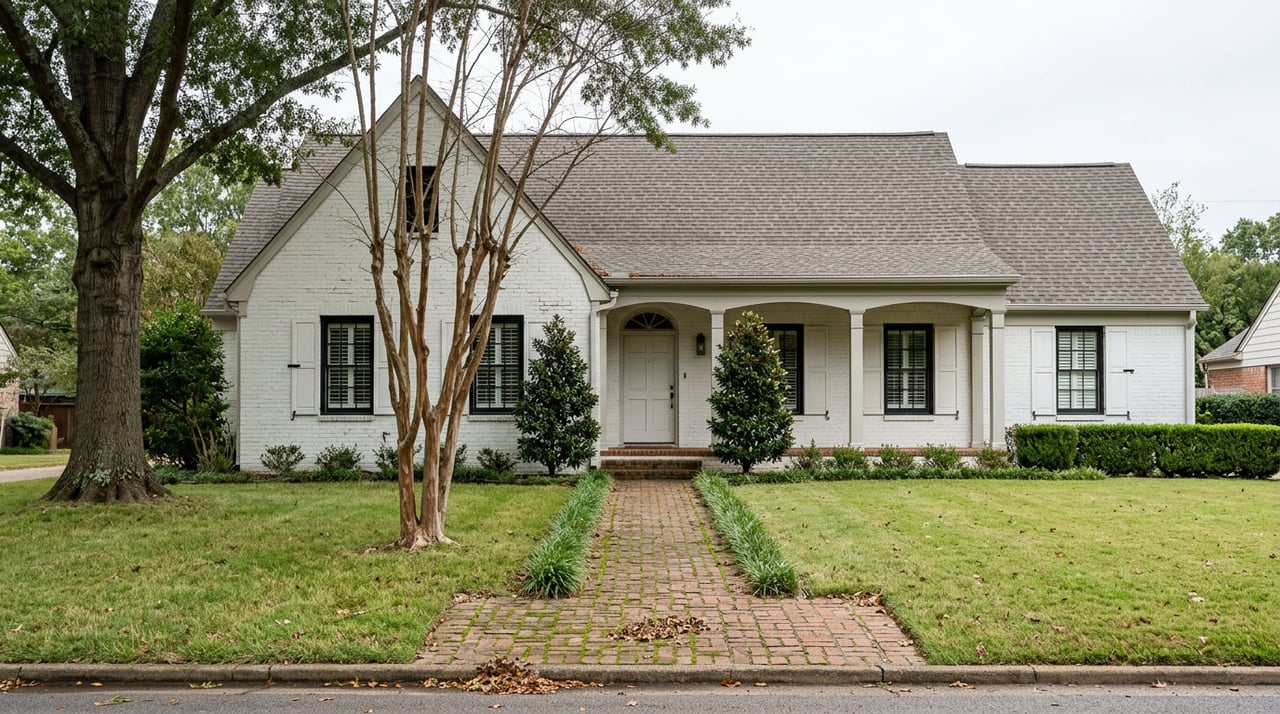
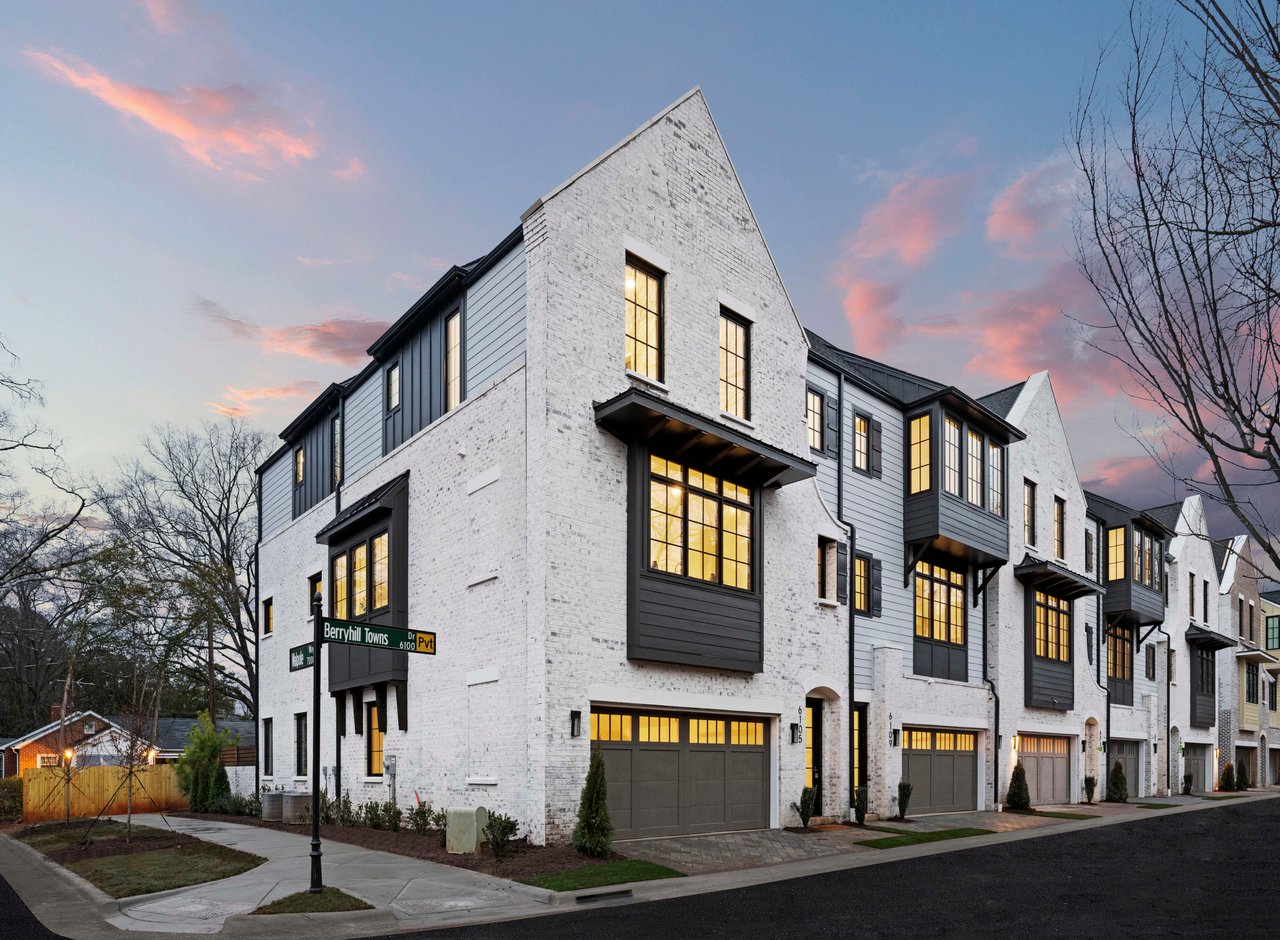
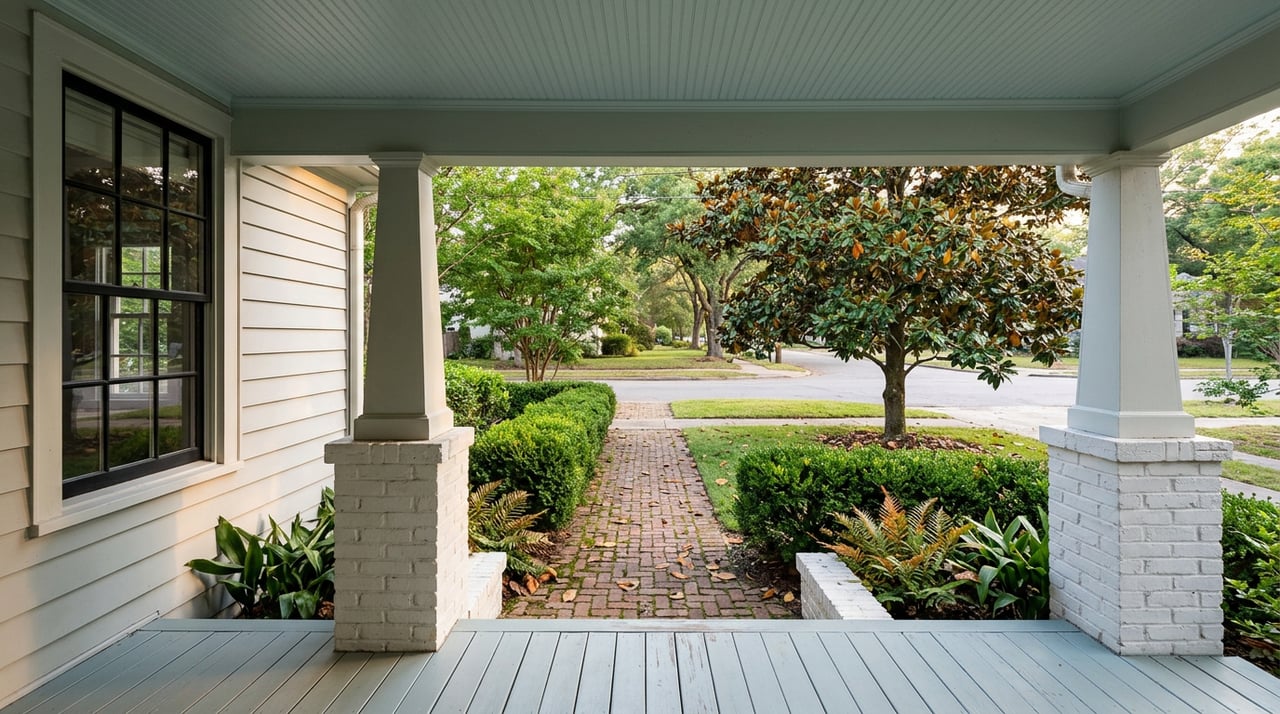
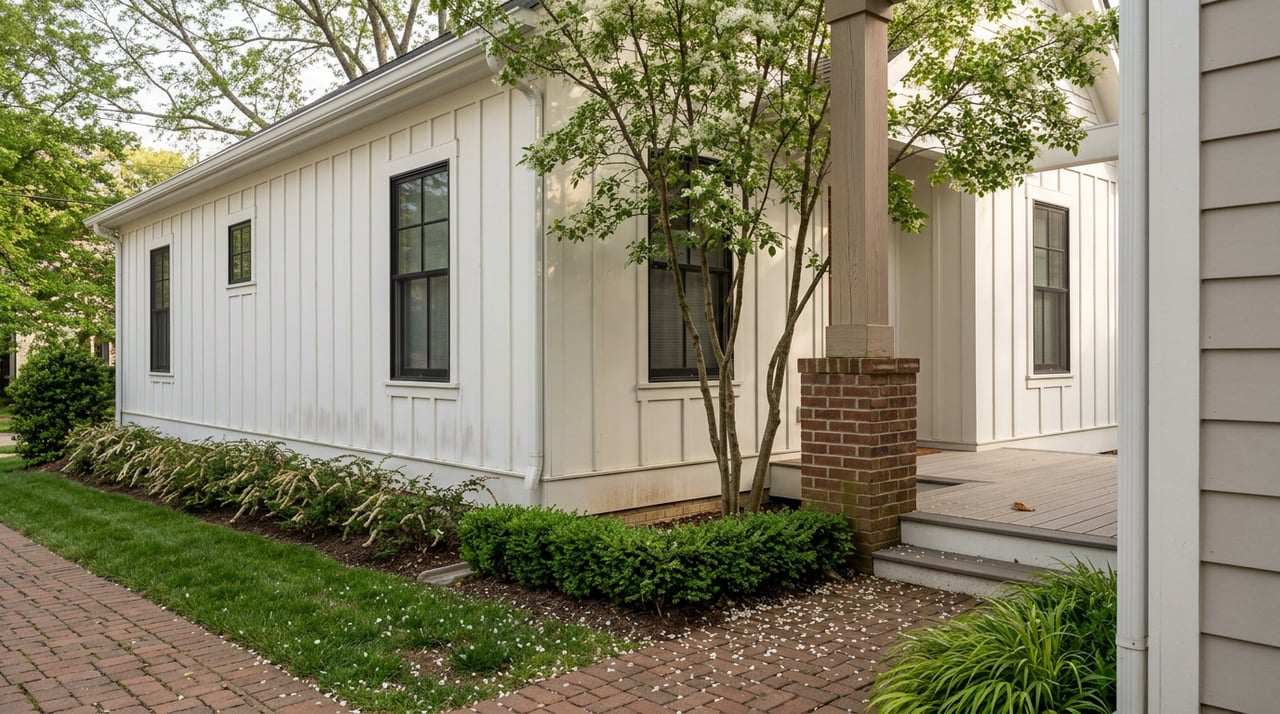
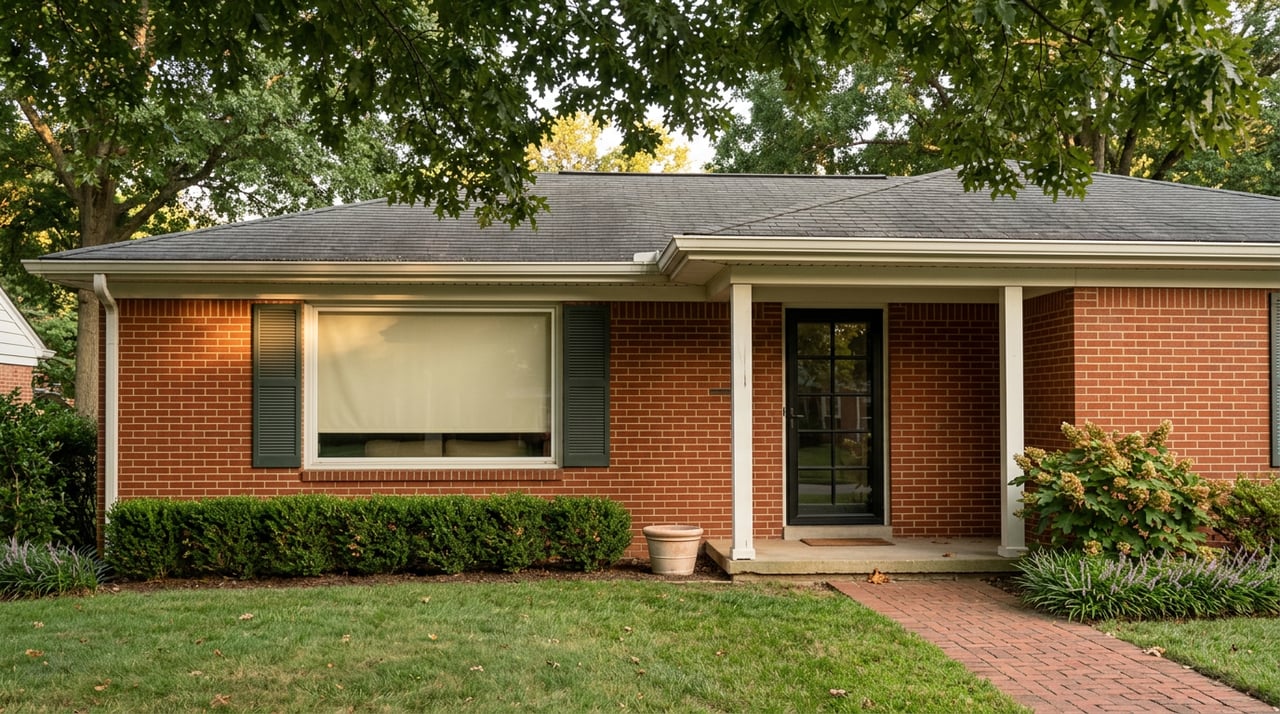
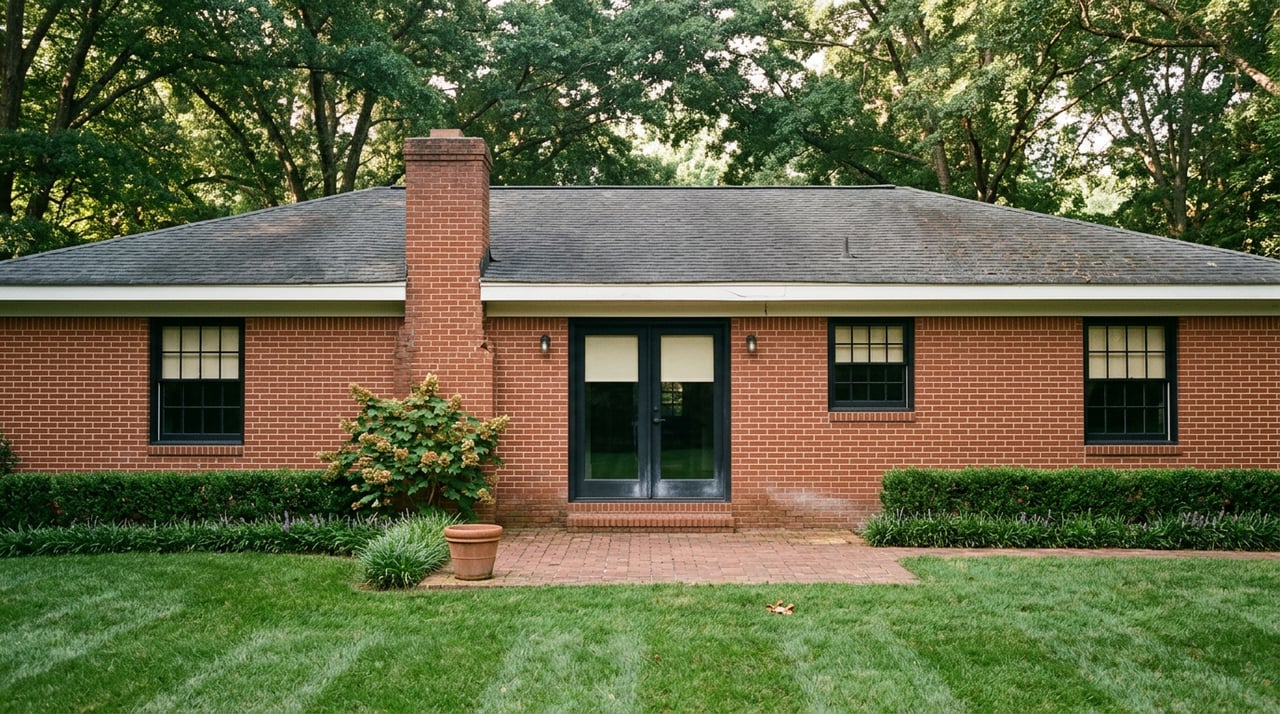
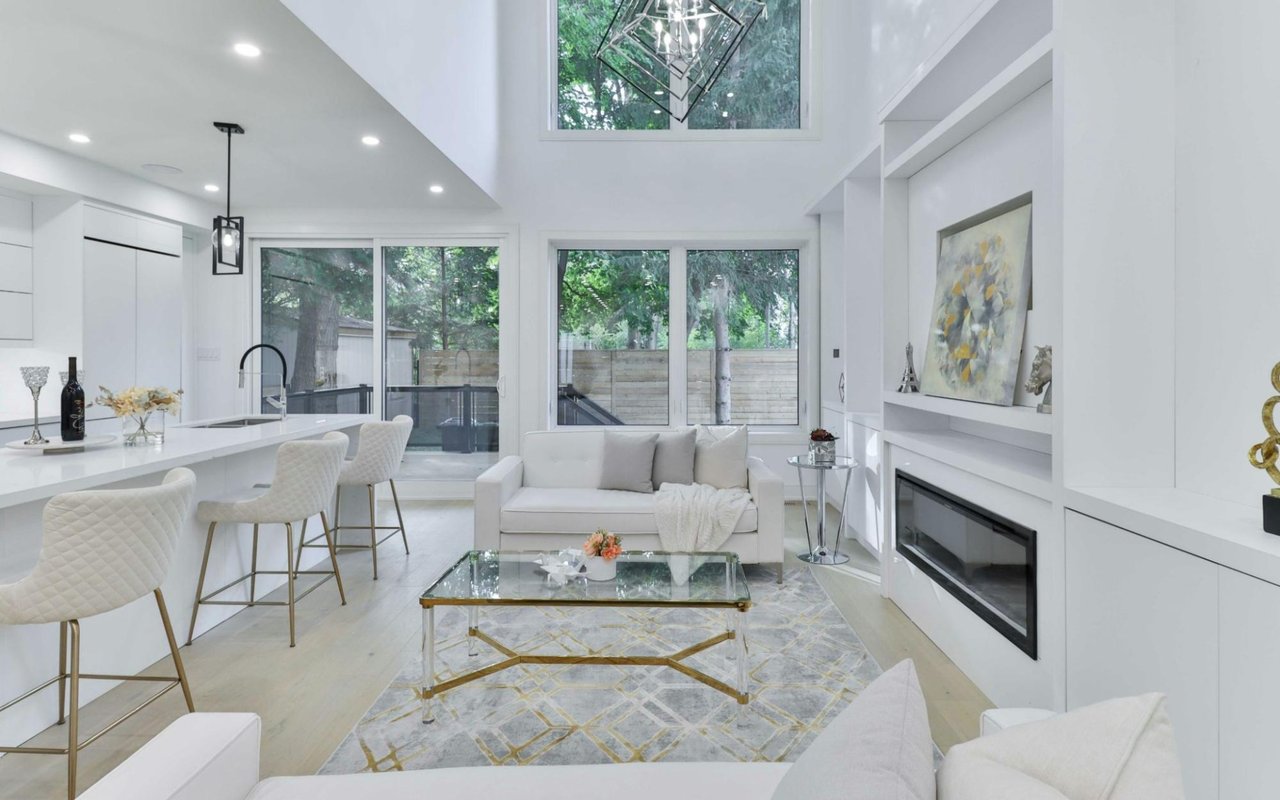
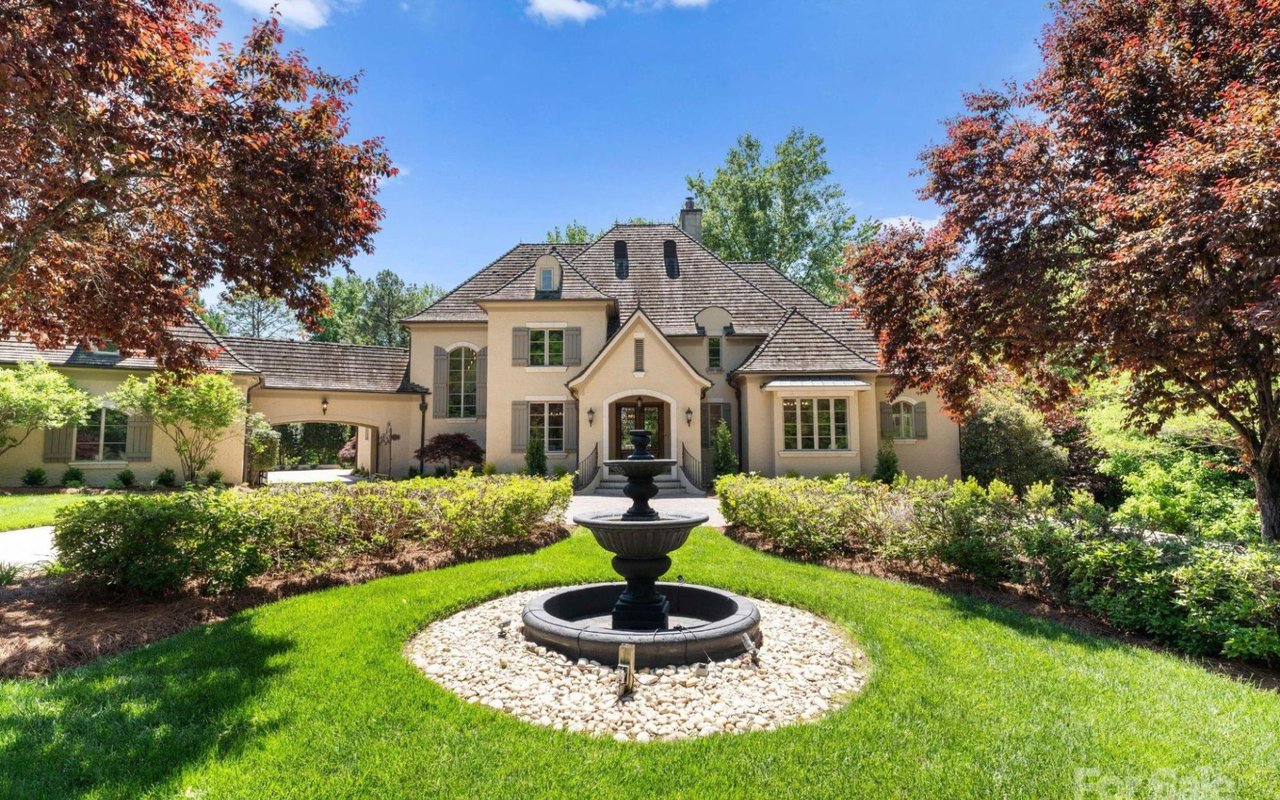
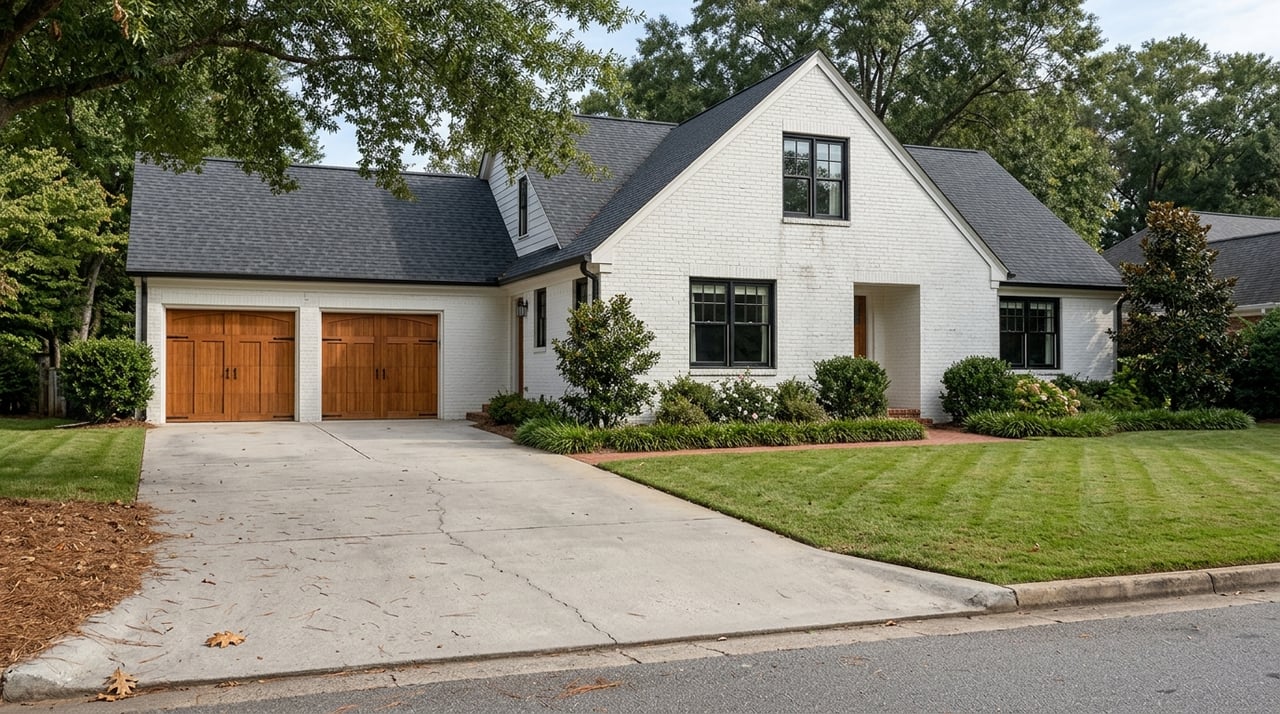
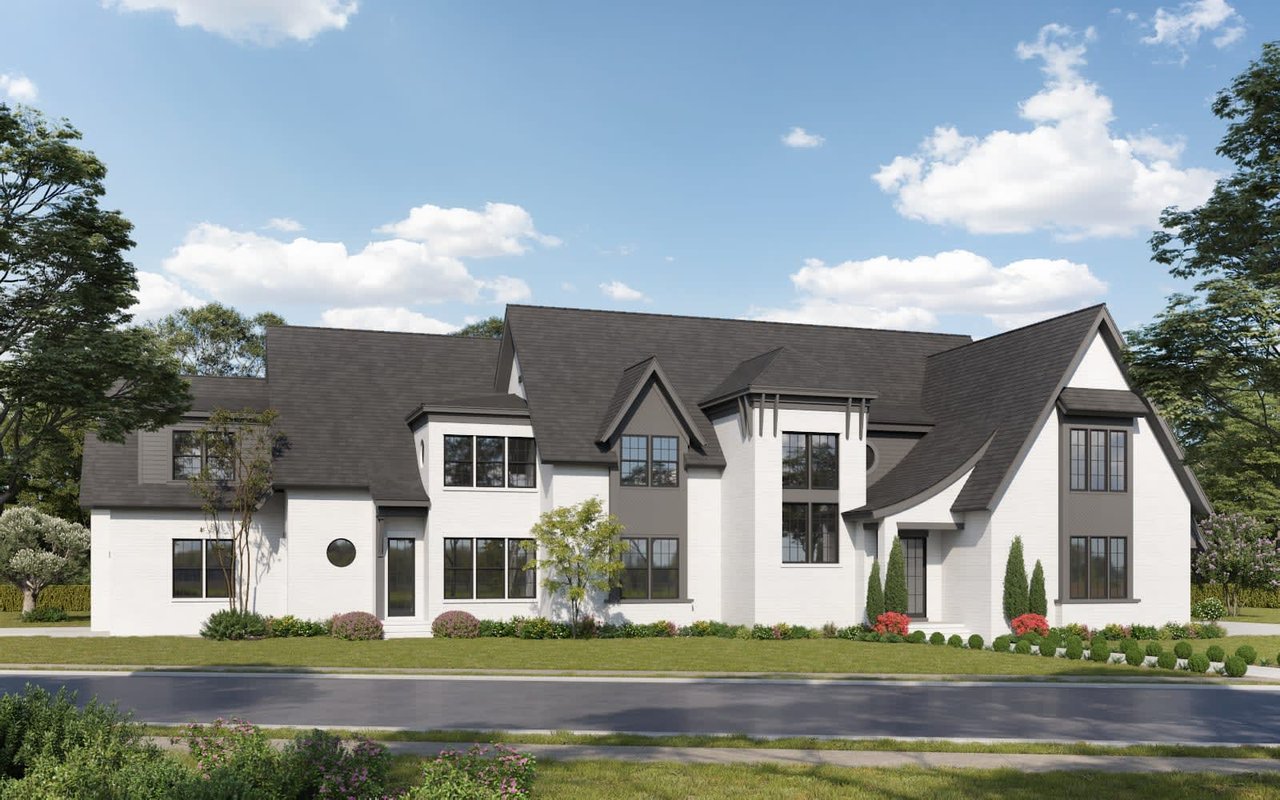
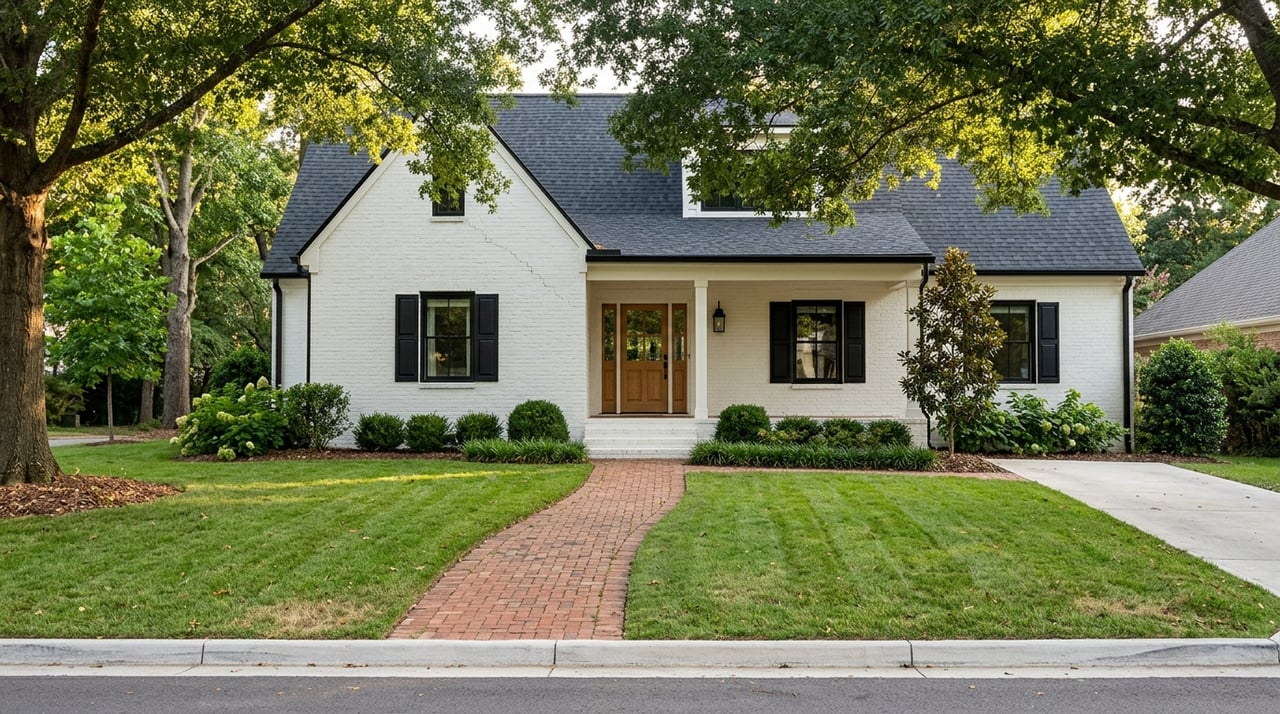
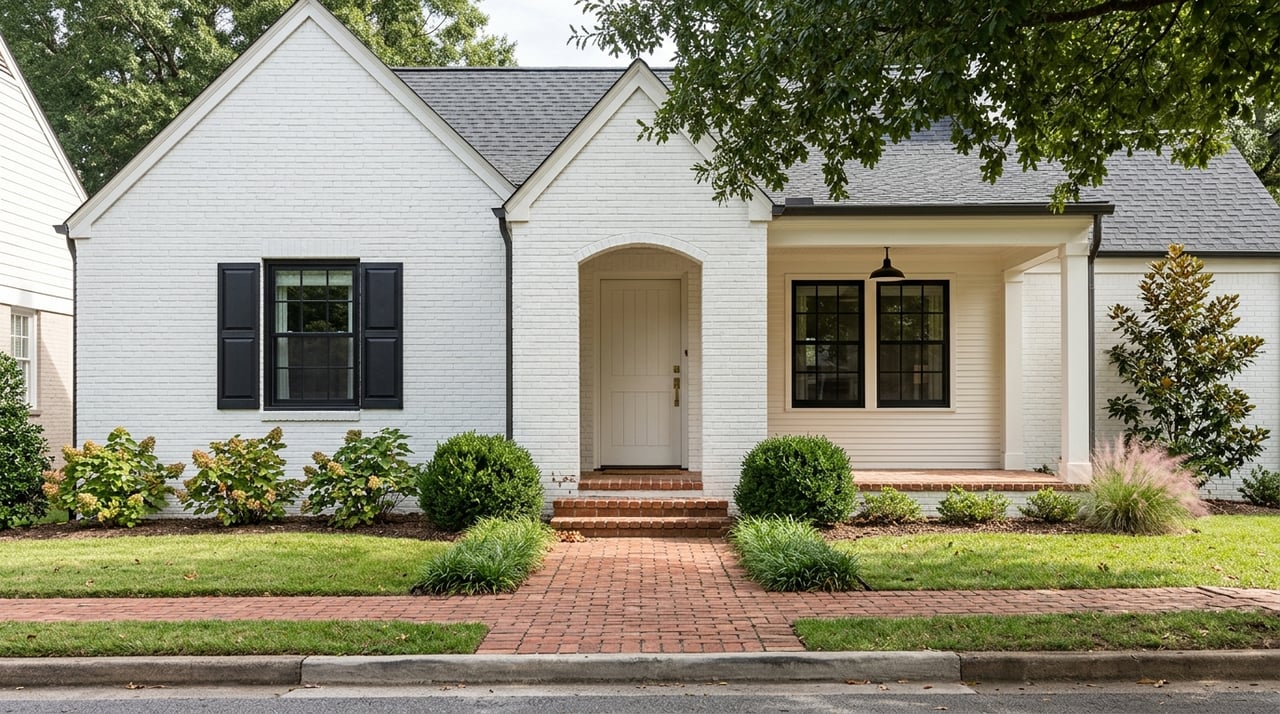
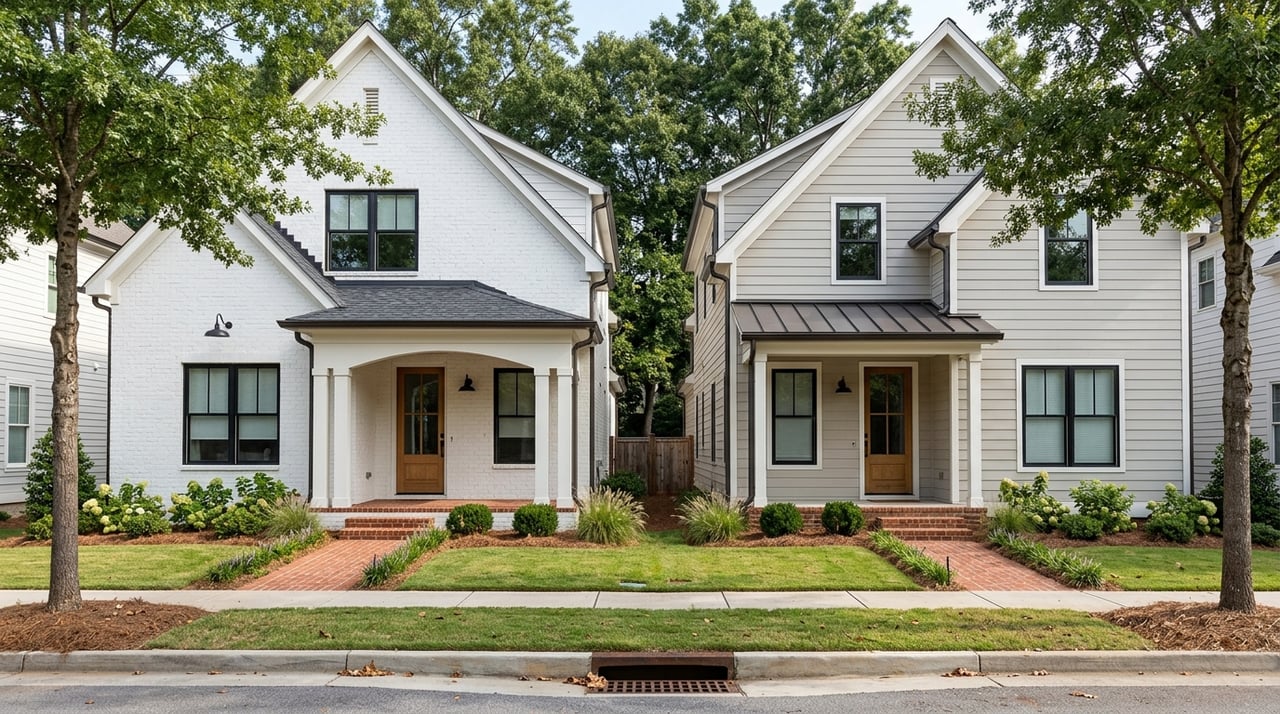
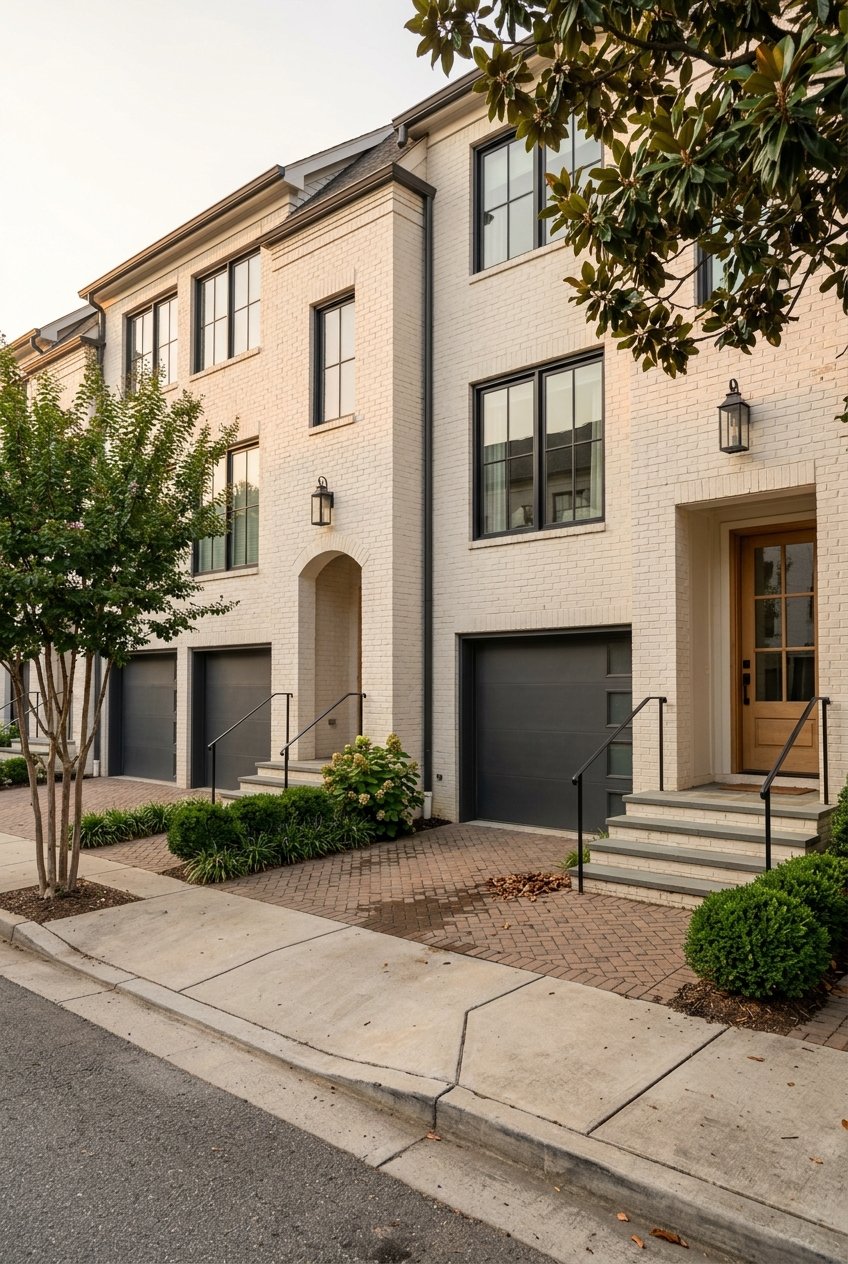
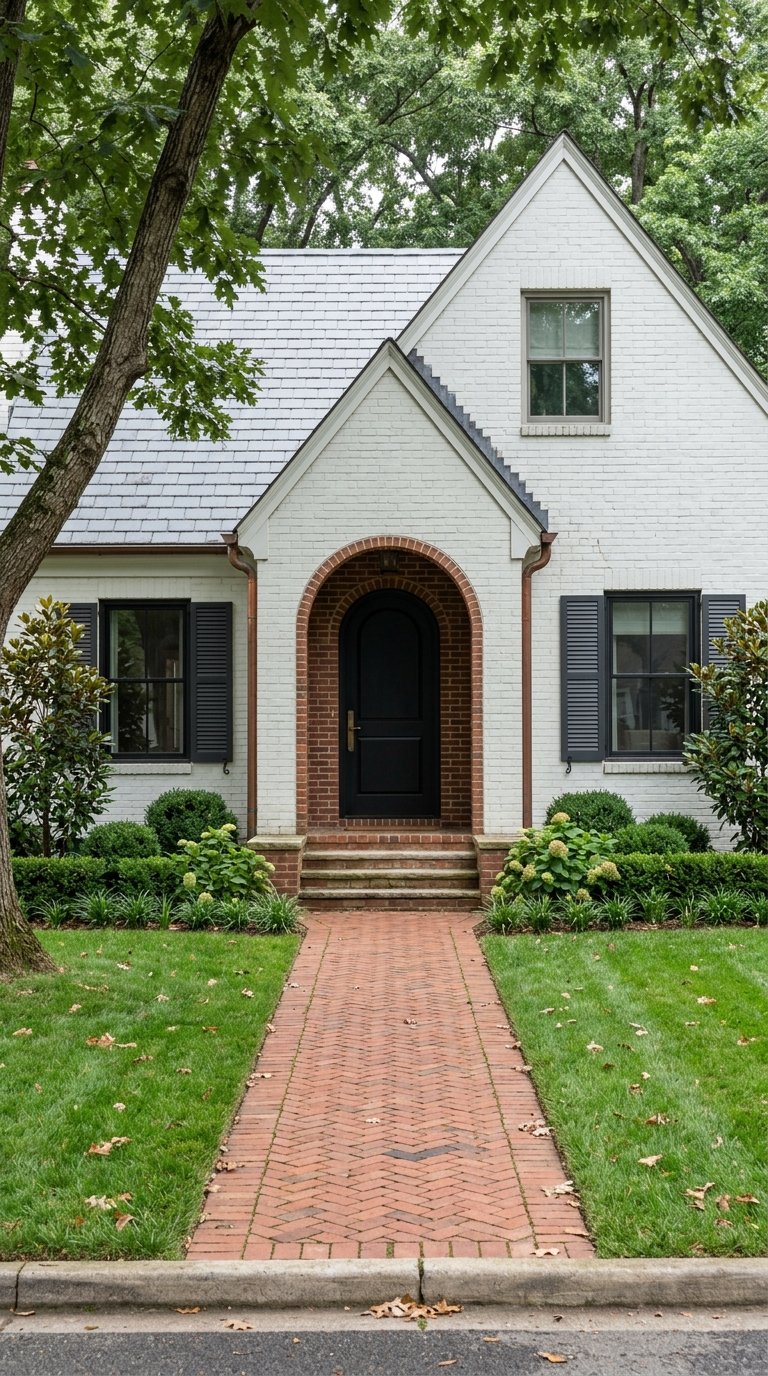
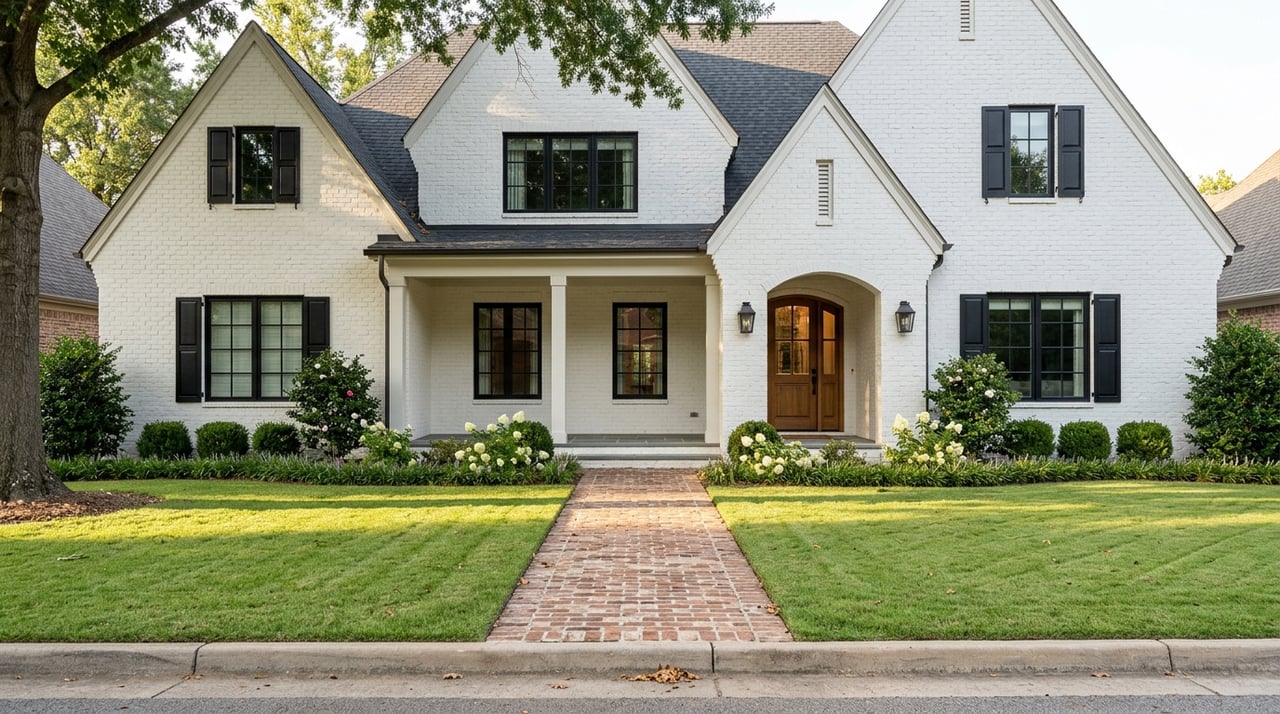
On one end sits the older housing stock: brick ranches and cottages, many built between the 1920s and the 1990s, some updated and some original, sitting on quarter-acre lots near Selwyn Avenue, Park Road Shopping Center, and the Little Sugar Creek Greenway. On the other end is new construction from builders like Simonini Homes, Saussy Burbank, Copper Builders, Halley Douglas, and Alenky Signature Homes, along with projects like The Nolen on Queens Road, a 17-residence luxury community designed by architect Ken Pursley and developed by Brian Speas.
When one of those new-construction estates closes, a 6,000-square-foot home with five bedrooms and a full architectural pedigree, it does not just add one data point. In a market with well under 50 total sales that month, it can single-handedly shift the median by tens of thousands of dollars. The same is true in reverse when a batch of smaller, older homes closes without a luxury build in the mix. Neither event tells you anything reliable about whether the neighborhood as a whole gained or lost value. It tells you what happened to sell that month.
What a Teardown Actually Costs on the Ground
Some of that new-construction inventory starts as a teardown, and the economics of tearing down in Myers Park are not simple lot-clearing math. A demolition crew working a recent Myers Park project described extremely tight lot lines, a 100-year-old Willow Oak the city required them to preserve, and a neighboring luxury home standing less than fifteen feet away. Every one of those constraints adds cost, time, and engineering complexity before a single foundation gets poured.
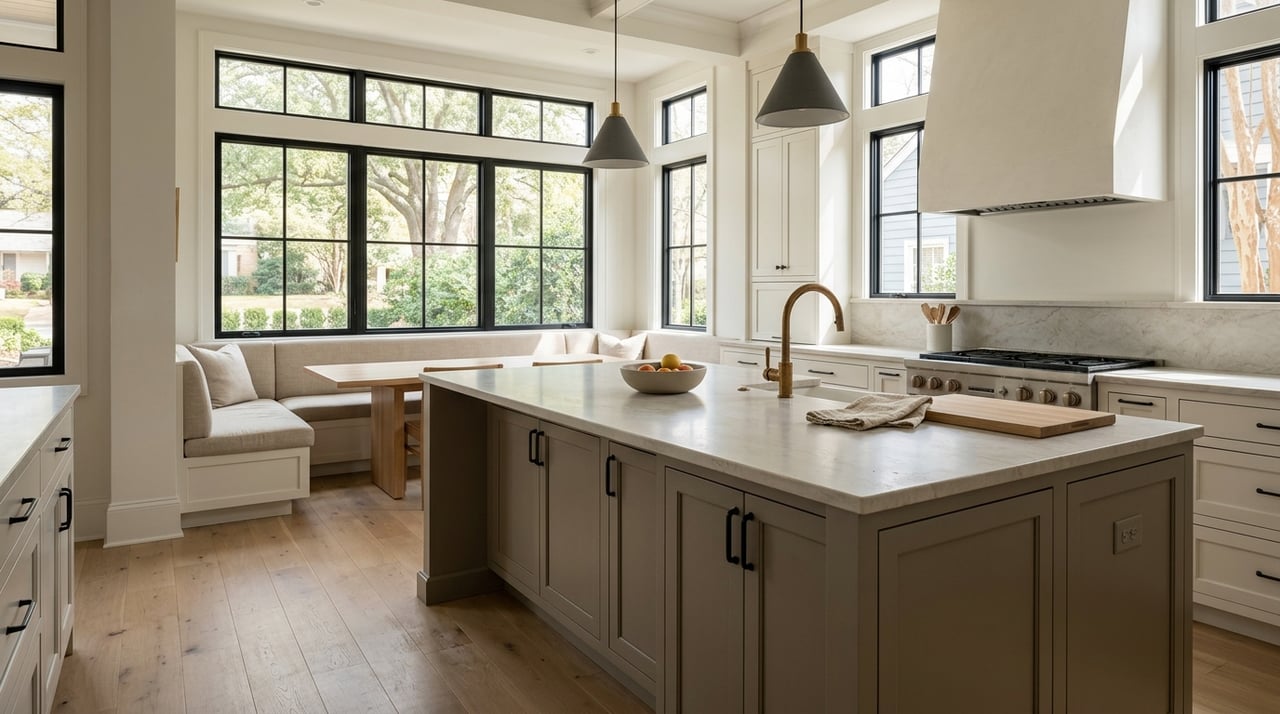
That kind of site-specific friction is part of why teardown-rebuild projects in this neighborhood carry premiums that show up in price per square foot as much as in total price. It also helps explain why some longtime owners choose to renovate an existing footprint rather than start over. A family who spent years weighing that exact decision on their own Myers Park ranch found that razing the house and rebuilding meant paying off the existing mortgage in full just to tear the house down, then financing months of new construction on top of it, before ever accounting for the tree preservation and setback issues a lot like theirs might face. That calculus, not a headline appreciation number, is what actually decides whether a given property enters the market as a renovated cottage or a new estate, and which side of the median it lands on.
What This Means If You're Pricing a Listing or Writing an Offer
If you are selling an updated Myers Park home this fall, do not anchor your price to whatever median a portal is showing that week. Pull the three or four closings most similar to your home in age, size, and renovation level, and price against those, not against a blended figure that may be carrying a $3 million new build or a $700,000 estate sale in the same average.
If you are buying and comparing Myers Park to nearby options like Dilworth or Eastover, treat the headline median as a starting orientation, not a budget target. Ask what mix of home types produced that number in the window you are looking at, and ask your agent to pull price per square foot within your specific home category rather than across the whole neighborhood.
If you are evaluating a lot for a possible teardown, get a read on tree protections, setback requirements, and adjacent construction before you price the project, not after. Those site-specific details move the final number as much as the land itself does.
This is the kind of read that comes easier when the person walking you through it has stood on both sides of a Myers Park closing, as a broker and as someone who has priced out what a lot can actually support. That is the lens Charlotte Living Realty Group brings to a market like this one, where the median is rarely the whole story and the difference between two nearby closings can come down to a single protected tree or a decade-old kitchen.
A Few Direct Questions
Why do different websites show such different median prices for the same neighborhood? Because they are measuring different things. Some track closed sales in a single month, some track active list prices, and some use smoothed indexes built to reduce exactly the kind of swing raw monthly data produces. In a market as small as Myers Park, those differences in method can look like real appreciation or real decline when neither may be happening.
Does a lower recent median mean Myers Park is actually cooling? Not necessarily. With only 30 to 47 closings in a typical month, a shift in which homes happened to sell, older versus new, smaller versus estate-scale, can move the median significantly without reflecting any change in what individual homes are worth.
Is this a good time to consider a teardown-rebuild in Myers Park? That depends far more on the specific lot than on the calendar. Tree preservation requirements, tight setbacks, and proximity to existing homes can add real cost and time to a project regardless of what the broader market is doing. Any teardown decision here should start with a site-specific review, not a market-timing call.
Ready to talk through what a specific Myers Park address, lot, or listing actually looks like once you get past the headline number? Reach out to Charlotte Living Realty Group and experience the difference.